

Gas Fire Control Valves: Types and Troubleshooting
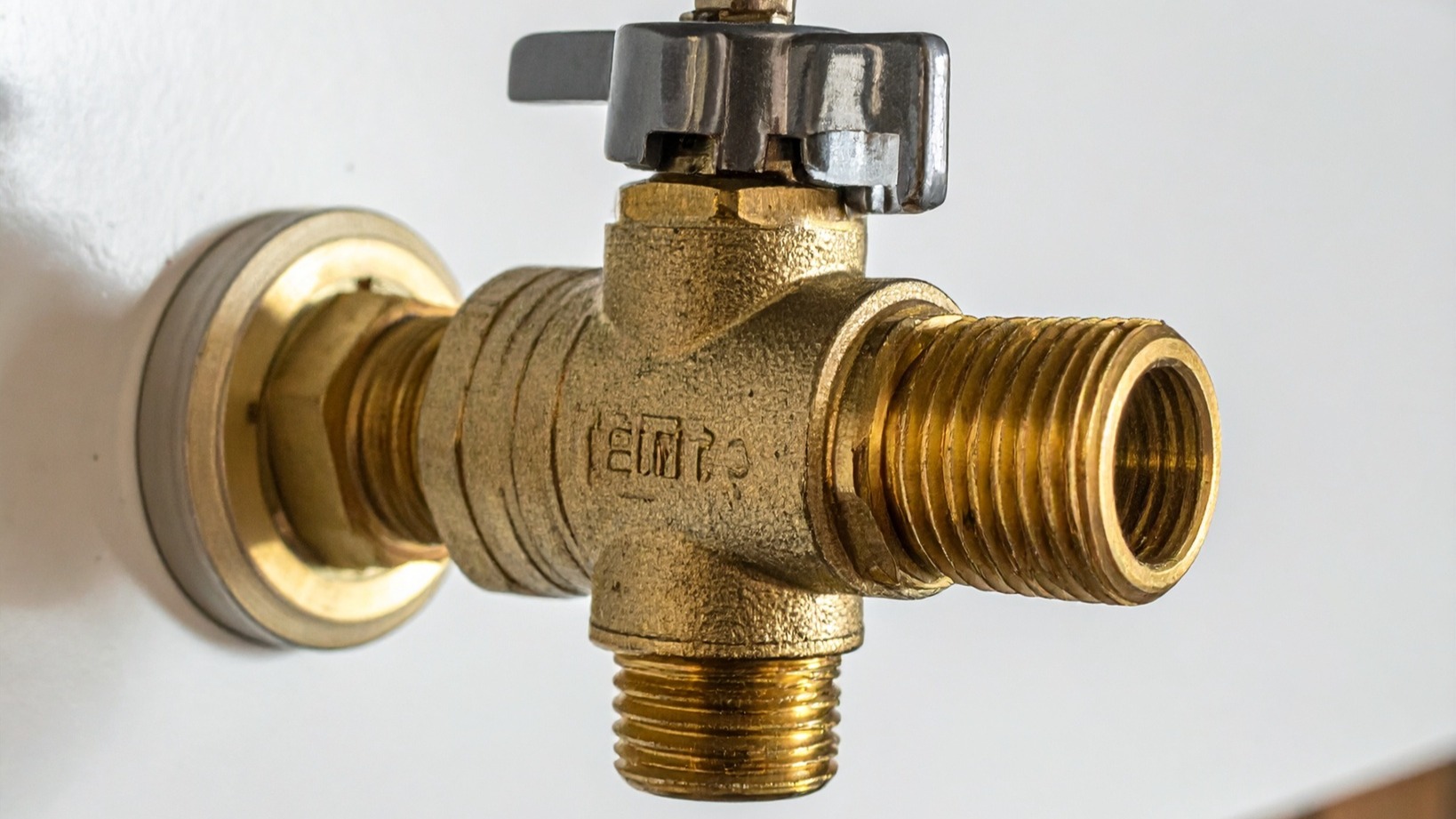
When your gas fire stops responding to the thermostat or refuses to ignite properly, the control valve often sits at the heart of the problem. These precision components regulate gas flow, maintain safe operation, and respond to temperature changes, yet homeowners and even some tradespeople frequently misunderstand them.
Understanding how these valves work and recognising early warning signs transforms a potential emergency into a straightforward fix. A £40 valve replacement can prevent a £300 callout when you know what to look for.
What Gas Fire Control Valves Actually Do
Gas fire control valves serve as the gatekeeper between your gas supply and the burner. They perform three critical functions simultaneously: they regulate the volume of gas flowing to the fire, respond to temperature controls (whether manual or thermostat-driven), and provide essential safety shutoffs when things go wrong.
The valve sits between the gas supply pipe and the burner assembly, typically mounted within the fire's control compartment. When you adjust the temperature dial or your thermostat calls for heat, the valve opens to a precise degree, not simply on or off, but modulating to deliver exactly the right amount of gas for your desired heat output.
Modern valves incorporate multiple safety mechanisms. If the pilot light extinguishes, a thermocouple or thermopile sends a signal (or stops sending one) that triggers the valve to close completely. This prevents unburnt gas from accumulating in your living space, a safety feature that's saved countless lives since its widespread adoption in the 1970s.
The Main Types You'll Encounter
Manual control valves represent the simplest design. You'll find these on basic gas fires without thermostatic control. Turn the knob, and a mechanical linkage opens the valve proportionally. They're reliable, long-lasting, and straightforward to troubleshoot because there's minimal complexity. The downside? No automatic temperature regulation, so you'll need to adjust them manually as room conditions change.
Thermostatic control valves add a temperature-sensing element that automatically modulates gas flow based on room temperature. A phial filled with liquid or gas expands and contracts with temperature changes, mechanically adjusting the valve position. These valves give you "set and forget" convenience, dial in your preferred temperature, and the valve maintains it without further intervention. Quality brands like Honeywell have refined these designs over decades, delivering consistent performance across millions of installations.
Electronic control valves represent the modern evolution. Rather than mechanical linkages, they use solenoids or stepper motors controlled by electronic circuits. These valves integrate seamlessly with programmable thermostats and smart home systems. They offer precise control, rapid response times, and the ability to implement complex heating schedules. The trade-off comes in complexity; when they fail, diagnosis requires more technical knowledge.
Combined safety valves incorporate the main control function alongside pilot safety features in a single housing. These assemblies include the thermocouple connection point, pilot adjustment, and main burner control in one unit. They're space-efficient and reduce the number of potential leak points, but replacement means changing the entire assembly rather than individual components.
How to Identify Which Type You Have
Start by locating your gas fire's control panel, typically behind a removable front panel or access cover at the base of the fire. The control valve connects directly to the gas supply pipe, usually brass or copper, and has one or more control knobs or adjustment mechanisms protruding through the fire's casing.
Manual valves feature a single control knob with no electrical connections. The knob typically rotates through a range marked with settings like "pilot", "low", "medium", and "high". If that's all you see, you're working with a manual system.
Thermostatic valves include a temperature dial (often numbered 1-6 or showing actual temperatures) and have a sensing phial, a small metal cylinder connected by a thin capillary tube. This phial usually sits near the fire opening to sense room temperature. No electrical wires connect to the valve body itself.
Electronic valves are unmistakable; they have wire connections leading to a control board or receiver unit. You might spot a small motor housing or solenoid coils on the valve body. If your fire responds to a wireless thermostat or programmable controller, you're definitely working with an electronic valve.
Check the manufacturer's label inside the fire compartment. It typically lists the valve type and model number, which you can cross-reference online. This information proves invaluable when ordering replacement parts or seeking specific troubleshooting guidance.
Common Problems and What They Mean
The fire won't ignite at all. When the pilot lights but the main burner refuses to fire, the control valve may have seized in the closed position. This happens when valves sit unused for extended periods, particularly common after summer. Debris, corrosion, or dried lubricant can prevent the valve mechanism from moving freely. Before assuming valve failure, verify that the thermostat is actually calling for heat and that any safety interlocks (like flame detection systems) are satisfied.
Weak flame or insufficient heat output. If your fire produces flame but seems anaemic compared to previous performance, partial valve restriction is likely. Scale buildup, particularly in hard water areas where moisture has entered the gas supply, can narrow the valve's internal passages. Valve diaphragm degradation can also prevent it from opening fully even when commanded to maximum output. This problem develops gradually, so you might not notice until comparing current performance to how the fire behaved when it was new.
Fire won't turn off completely. A valve that won't close fully presents both a safety concern and an efficiency problem. The most common culprit is debris lodged in the valve seat, preventing complete closure. Even a tiny particle, a fleck of pipe scale or thread sealant, can hold the valve fractionally open. Less commonly, the valve spring has weakened or the sealing surfaces have worn, eliminating the tight shutoff the design requires.
Erratic operation or cycling. When your fire turns on and off seemingly at random, or the flame height fluctuates without input changes, suspect either the control mechanism or the safety interlock system. For thermostatic valves, a failing sensing phial or kinked capillary tube causes erratic behaviour. Electronic valves might suffer from loose wire connections, failing solenoids, or control board issues. Don't immediately blame the valve, verify that your thermostat works correctly and that the electrical supply remains stable.
Delayed ignition or "whoomphing". If gas accumulates before igniting, producing a small explosion sound and puff of flame, the valve may be opening too slowly or the pilot flame is weak. This creates a dangerous situation where unburnt gas builds up before finding an ignition source. The problem often lies in the pilot assembly rather than the main valve, but sluggish valve operation can contribute. Address this immediately; delayed ignition can crack fire components and present a genuine safety risk.
Troubleshooting Steps You Can Take Safely
Before touching anything, turn off the gas supply at the isolation valve serving the fire. This valve should be easily accessible; building regulations require it. Wait several minutes to ensure any residual gas has dispersed.
These gas valve troubleshooting tips focus on safe checks that don't require gas work:
Check the control knob operation. Does it turn smoothly through its full range, or does it feel stiff or gritty? Mechanical resistance suggests internal problems or seized mechanisms. Don't force it, excessive pressure can damage internal components or crack the valve body.
Inspect visible connections. Look for corrosion, loose fittings, or signs of gas leakage (though you can't smell natural gas if it's not leaking). Green or white deposits around brass fittings indicate corrosion that might affect valve operation.
Test the thermostat if fitted. If your fire uses room temperature control, verify the thermostat itself works correctly. Bypass it temporarily (following manufacturer instructions) to determine whether the valve or the control signal is at fault. Quality heating controls from Danfoss or Honeywell typically provide reliable service, but they're not immune to failure.
Listen for sounds. When the thermostat calls for heat, electronic valves often produce a quiet click or hum as they open. No sound might indicate power supply problems or complete valve failure. Unusual sounds, grinding, buzzing, or clicking patterns that differ from normal, suggest mechanical issues.
Observe the pilot flame. A weak, yellow, or unstable pilot flame causes symptoms that mimic valve problems. The pilot should burn steadily and blue with a slight yellow tip, standing about 10mm high and wrapping around the thermocouple. Cleaning the pilot assembly often resolves issues that appear to be valve-related.
Beyond these checks, further diagnosis requires a Gas Safe qualification. Gas work isn't DIY territory; the risks of incorrect work include fire, explosion, and carbon monoxide poisoning. Professional diagnosis typically costs £60-90 and ensures both accurate identification and safe resolution.
Maintenance That Extends Valve Life
Annual servicing by a Gas Safe engineer catches problems before they escalate. During a service, the engineer cleans the burner and pilot assembly, checks all gas connections, verifies correct operating pressures, and tests safety devices. This preventative approach typically costs £60-90 but prevents far more expensive failures.
Between professional services, keep the fire area clean. Dust and debris drawn into the combustion chamber can eventually find their way into valve mechanisms. Vacuum around the fire opening regularly, and wipe down external surfaces to prevent dust accumulation.
Run your gas fire periodically during the summer months. Valves that sit unused for extended periods are more prone to seizing. A 15-minute burn every few weeks keeps mechanisms lubricated and prevents moisture accumulation in the gas supply. This simple habit dramatically reduces autumn startup problems.
Don't ignore minor issues. That slight whistle, the control knob that's become stiffer, or the flame that's not quite as robust as last year, these early warnings give you time to plan maintenance rather than face an emergency repair during the coldest week of winter.
Selecting Replacement Valves
When replacement becomes necessary, exact matching is crucial. Gas fire control valves aren't universal; they're engineered for specific fire models, gas types (natural gas versus LPG), and pressure ranges. Using an incorrect valve creates serious safety risks and will likely void any warranties on your fire.
Start with the fire manufacturer's specifications. The model plate inside the fire compartment lists the correct valve part number. Cross-reference this with the valve body itself, which should have identifying marks or labels. If you're struggling to identify the correct part, reputable suppliers stock valves from leading manufacturers, including Danfoss, which produces control components for numerous fire brands.
Quality matters significantly with control valves. Budget alternatives might save £20 initially, but often fail prematurely or don't provide the precise control that premium valves deliver. Established manufacturers invest heavily in testing and quality control because valve failure can have serious consequences. Their products typically include better documentation, clearer installation instructions, and more responsive technical support.
Consider upgrading to a thermostatic or electronic valve if your current fire uses basic manual control. This upgrade requires professional installation and potentially additional components, but the improved comfort and efficiency often justify the investment. Modern control systems work seamlessly with programmable thermostats from manufacturers like EPH Controls and can reduce gas consumption by 15-25% through more precise temperature management.
Understanding Valve Lifespan and Replacement Timing
Well-maintained gas fire control valves typically last 10-15 years, though this varies considerably based on usage patterns and environmental conditions. Fires used heavily throughout winter in coastal areas (where salt-laden air accelerates corrosion) might need valve replacement after 8-10 years. Conversely, lightly-used fires in dry, temperate conditions sometimes run 20 years on original valves.
Age alone doesn't dictate replacement. A 12-year-old valve operating perfectly needs no intervention. However, when problems emerge in valves approaching or exceeding 10 years, replacement often makes more financial sense than repair. The labour cost to diagnose and repair often approaches the cost of fitting a new valve, and you're left with an old component that might fail again soon.
If your fire requires valve replacement, consider the fire's overall condition. A 15-year-old fire with a failing valve might warrant complete replacement rather than investing in repairs. Modern fires offer significantly better efficiency, more attractive flame effects, and enhanced safety features. Your Gas Safe engineer can advise whether repair or replacement delivers better long-term value.
The Role of Related Components
Control valves don't operate in isolation. The thermocouple or thermopile that proves pilot ignition, the thermostat that signals when heat is needed, and the burner that must atomise gas correctly, all these components interact with the valve. Diagnosing valve problems often reveals issues elsewhere in the system.
Thermocouples fail more frequently than valves themselves. These safety devices sit in the pilot flame and generate the electrical signal that permits the valve to open. They cost £15-25 and take minutes to replace, yet a failing thermocouple produces symptoms identical to valve failure. Testing the thermocouple before condemning the valve saves considerable expense.
Similarly, blocked burner jets or pilot assemblies can mimic valve problems. If insufficient gas reaches the burner due to blockages downstream of the valve, you'll see weak flames and poor heat output even though the valve opens correctly. Comprehensive diagnosis considers the entire gas path from the supply pipe to the flame.
Quality pipe fittings and connectors ensure reliable gas connections throughout the system, preventing leaks that can affect valve performance and safety.
Integration with Central Heating Systems
Many homes use gas fires as supplementary heating alongside central heating systems. Understanding this interaction helps optimise overall heating performance and efficiency.
For complete heating system reliability, components like Grundfos circulator pumps ensure efficient circulation in central heating systems, whilst gas fires provide supplementary or primary heating in specific rooms. Understanding how these systems complement each other helps create comprehensive heating solutions.
Boilers from manufacturers like Andrews or Morco handle central heating and hot water, whilst gas fire control valves manage localised heating. Both draw from the same gas supply, so pressure issues affecting one system often impact the other.
When diagnosing gas fire valve problems, consider whether your central heating operates normally. If both systems show issues simultaneously, the problem likely lies in the main gas supply rather than individual appliance components.
Safety Considerations and Gas Regulations
Working with gas fire control valves falls under the Gas Safety (Installation and Use) Regulations 1998. Only Gas Safe registered engineers may legally work on gas appliances and fittings. This isn't bureaucratic overreach; it's recognition that gas work requires specific knowledge and skills to perform safely.
Carbon monoxide poisoning from faulty gas appliances kills approximately 50 people annually in the UK and injures thousands more. Properly functioning control valves form part of the safety chain, preventing these tragedies. When valves fail to close correctly, or when DIY repairs compromise safety mechanisms, the consequences can be fatal.
Always verify your engineer's Gas Safe credentials before allowing work. The Gas Safe Register website lets you check registrations by entering the engineer's licence number. Legitimate engineers carry photo ID cards and won't object to verification; they expect it.
For system components that complement gas heating, Altecnic supplies expansion vessels and safety valves that maintain proper system pressure across both central heating and localised heating applications.
Advanced Troubleshooting Considerations
Professional gas valve troubleshooting tips go beyond visual inspection to include pressure testing, electrical diagnostics, and systematic component isolation.
Gas pressure testing verifies that supply pressure meets manufacturer specifications. Low pressure causes weak flames and poor valve operation. High pressure can damage valve seals and create safety hazards. Engineers use manometers to measure pressure accurately at the appliance inlet.
Thermocouple voltage testing determines whether the safety system generates sufficient electrical output. Using a multimeter, engineers measure millivolt output whilst the pilot burns. Readings below specification indicate thermocouple replacement, whilst correct readings point to valve issues.
Electrical continuity testing on electronic valves checks solenoid coils, wiring connections, and control boards. Failed solenoids are common; they cost £20-40 and are straightforward to replace once identified.
Sequential component testing isolates problems systematically. By testing each element in the control chain, thermostat, wiring, valve, and burner, engineers pinpoint failures without unnecessarily replacing components.
Making Informed Decisions
Gas fire control valves represent relatively small components performing critical functions. When they work correctly, you barely notice them. When they fail, your comfort and safety hang in the balance. Understanding how these valves operate, recognising common failure patterns, and knowing when to seek professional help transforms you from a passive consumer into an informed homeowner.
The key takeaway? Don't ignore warning signs. That fire that's become slightly harder to light, the flame that's not quite as robust, or the control that doesn't respond quite as crisply, these early indicators give you time to plan maintenance during convenient periods rather than facing emergency repairs during the coldest nights.
Regular professional servicing catches problems early, often before you notice any symptoms. Combined with basic awareness of how your fire operates and what normal looks like, this preventative approach delivers reliable heating season after season. When problems do emerge, accurate diagnosis, distinguishing between valve issues and problems elsewhere in the system, ensures you invest in the right solution rather than replacing components unnecessarily.
Quality replacement parts from established manufacturers provide the reliability and longevity that justify their modest premium over budget alternatives. Your gas fire's control valve isn't the place to economise aggressively. The difference between a premium valve and a cheap alternative might be £30, but the difference in service life and performance reliability often spans years.
Ultimately, gas fire control valves exemplify how small components enable safe, comfortable heating. Treat them with appropriate respect, maintain them properly, and they'll deliver years of trouble-free operation. When replacement becomes necessary, work with Gas Safe-registered professionals who understand both the technical requirements and the safety implications. Your comfort and safety depend on these precision components working exactly as designed, every time you need heat.
For quality gas fire components and heating system parts that meet British safety standards, Heating and Plumbing World supplies certified products suitable for both residential and commercial installations. If you need specific advice on valve selection or system troubleshooting, get in touch for expert guidance tailored to your appliance requirements.