

Gas Fire Safety and Maintenance Checklist
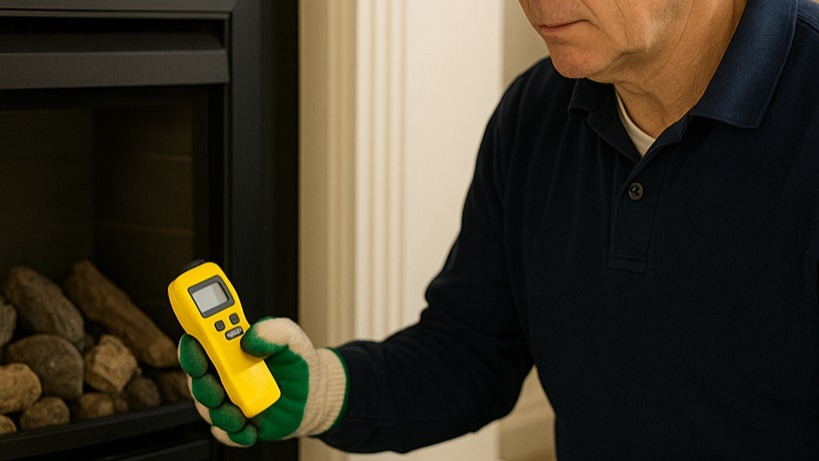
Complete Guide to Home Heating Fires
A gas fire can transform your living space into a warm and inviting retreat, combining modern style with efficient home heating. However, ensuring your gas fire remains safe and operates at peak efficiency is essential for your comfort and security. This guide has compiled a comprehensive checklist covering everything you need to know about gas fire safety and maintenance. Whether you’re a homeowner or managing a commercial space, these practical tips and insights will help you keep your gas fire running reliably for years.
The Importance of Gas Fire Safety and Regular Upkeep
Gas fires offer numerous benefits, from instant warmth to a striking aesthetic appeal. But, like any gas appliance, proper care is crucial to prevent potential hazards such as gas leaks, carbon monoxide build-up, and inefficient heating. A regular maintenance routine not only extends the lifespan of your unit but also ensures that it continues to deliver consistent, efficient performance while keeping your home safe.
Why Prioritise Safety?
- Preventing Gas Leaks: Faulty connections or worn-out components can lead to gas leaks, posing serious risks to you and your family.
- Avoiding Carbon Monoxide Exposure: Ensuring proper ventilation and regular servicing prevents dangerous carbon monoxide build-up.
- Maintaining Efficiency: Routine upkeep helps your gas fire operate efficiently, saving energy and reducing heating costs.
- Prolonging Equipment Lifespan: Timely checks and repairs can extend the life of your gas fire, protecting your investment.
Your Comprehensive Maintenance Checklist
To keep your gas fire in top condition, follow this detailed maintenance checklist:
1. Initial Installation and Professional Inspection
- Certified Installation:
Ensure your gas fire is installed by a certified professional who complies with local building codes and safety standards. Proper installation sets the foundation for safe operation and long-term performance. - Regulatory Compliance:
Confirm that your gas fire meets current safety regulations. Retain all certifications and installation documents for future reference.
2. Regular Visual Inspections
- Exterior Check:
Frequently inspect the exterior of your gas fire for signs of wear, corrosion, or damage. Look out for loose panels, rust spots, or unusual discolouration. - Flue and Ventilation System:
Ensure the flue or chimney is free from blockages such as debris, bird nests, or soot buildup. Proper airflow is critical to preventing harmful emissions from entering your home. - Gas Connections:
Examine gas pipes and connections for any signs of wear or leaks. If issues arise, immediately turn off the gas supply and consult a professional.
3. Functional Testing
- Pilot Light and Flame:
A steady, blue flame indicates proper operation. A yellow or flickering flame may signal a problem that needs professional attention. - Thermostat and Controls:
Verify that your gas fire’s thermostat and control settings are accurate. This ensures efficient heating and consistent temperature regulation. - Carbon Monoxide Detectors:
Install and routinely test carbon monoxide detectors near your gas fire to safeguard against any dangerous emissions.
4. Cleaning and Professional Servicing
- Annual Professional Servicing:
Schedule an annual service with a qualified technician. This comprehensive check should cover the gas line, flue, burners, and safety devices. - Cleaning Components:
Dust and debris can accumulate on the flame guard and burner over time. Gently clean these parts with a soft brush or cloth to maintain optimal performance. - Chimney or Flue Cleaning:
For gas fires with a flue system, ensure it is cleaned regularly to remove soot or blockages. Professional cleaning is recommended at least once a year. - Replace Worn Components:
Promptly replace any worn or damaged parts, such as seals, valves, or burners, with quality components available on our fires spares page.
5. Safety Device Verification
- Pressure Relief Valves:
Ensure that pressure relief valves are functioning properly to prevent overpressure situations. - Gas Leak Detectors:
Consider installing dedicated gas leak detectors to catch even minor leaks before they become hazardous.
6. Documentation and Record Keeping
- Service Logs:
Maintain a log of all inspections, servicing, and repairs. This record is invaluable for warranty claims and future maintenance planning. - User Manuals:
Keep your gas fire’s user manual in a secure location for detailed operation, troubleshooting, and upkeep instructions.
Additional Tips for Maximising Safety and Efficiency
- Optimise Ventilation:
Regularly ensure that vents and flues are unobstructed. Installing a chimney cap can help prevent debris and animals from entering your flue, thereby improving efficiency. - Invest in Quality Components:
When it’s time to replace parts, choose components from trusted suppliers. This not only ensures safety but also maintains the performance of your gas fire. - Engage with Professionals:
Even if you perform basic checks yourself, regular professional inspections provide an expert assessment and help catch issues early. Stay updated on current safety regulations to keep your installation compliant.
Real-Life Example: A Homeowner’s Experience
A homeowner recently shared their experience during a harsh winter season. They initially overlooked minor issues like a slightly off-colour flame and some soot accumulation. However, by following their regular maintenance checklist and scheduling an annual professional service, a technician discovered a loose gas connection that could have led to a leak. The homeowner averted a potential hazard thanks to these proactive measures, and their gas fire continues to operate efficiently. This example highlights the value of a well-followed maintenance checklist in ensuring safety and efficiency.
Frequently Asked Questions
How Often Should I Service My Gas Fire?
Having your gas fire professionally serviced at least once a year is recommended. This regular checkup ensures that all components, including the gas line and fuel, remain in optimal condition.
What Should I Do If I Suspect a Gas Leak?
If you suspect a gas leak, turn off the gas supply immediately, evacuate the area, and contact a qualified technician or your gas provider. Do not attempt to fix a gas leak yourself.
Can I Perform Some Maintenance Tasks On My Own?
While you can handle basic visual inspections and cleaning, professionals should perform tasks involving gas connections, flue inspections, and component replacements to guarantee safety.
How Can I Tell If My Gas Fire Is Operating Efficiently?
A properly operating gas fire should display a steady, blue flame, consistent heat output, and normal energy consumption. If you notice any significant changes, have your system inspected by a professional.
Expert Recommendations and Internal Links
At Heating and Plumbing World, we’re passionate about providing quality products and advice to keep your home comfortable and energy efficient. Here are some recommendations to explore further:
- Worcester Bosch Boiler Spares: Ensure your boiler is always performing at its best by checking out our range of Worcester Bosch Boiler Spares.
- Oil Boiler Spares: For those with oil heating systems, our selection of Thermecon Oil Boiler Spares offers reliability and quality.
- Photo Cells for Oil Heating: Discover efficient solutions with our photo cells designed for oil heating systems.
- Worcester Bosch Condensate Pump: Enhance performance with our Worcester Bosch Condensate Pump.
- Baxi Boiler Spares: Complement your system with our offerings for Baxi Boiler Spares.
- Oil Boilers by Firebird: Consider our Firebird Oil Boilers for an upgrade.
- Fire Valves and More: Check out our range of fire valves to ensure safety.
- Brassware and Fittings: Our selection of pressure relief valves provides peace of mind.
- Crystal Fireplaces: For alternative heating options, explore our Crystal fireplace spares.
- Burners for Oil Heating: Upgrade components with our burners.
- Water Tanks: Consider our Kingspan Ferham Tanks for efficient water storage.
- Greenstar Junior Spares: For Worcester Bosch systems, our Greenstar Junior spares are highly recommended.
- Expansion Vessels: Enhance reliability with our range of expansion vessels.
- Cannon and Crystal Brands: Browse our selections from leading brands like Cannon and Crystal for quality assurance.
- Radiant Fire Spares: Finally, for those with radiant heating systems, check out our radiant fire spares.
Final Thoughts
Maintaining the safety and efficiency of your gas fire is a long-term commitment that pays off through consistent performance and reduced energy costs. By following this comprehensive maintenance checklist, you can ensure that your gas fire remains a reliable, safe, and efficient heating solution for your home.
For further information on home heating solutions and quality components, visit our Heating and Plumbing World homepage. With regular upkeep and professional servicing, your gas fire will continue to bring warmth and style to your living space for many years.