

Gas Fire Thermocouples: When to Replace and Which Type
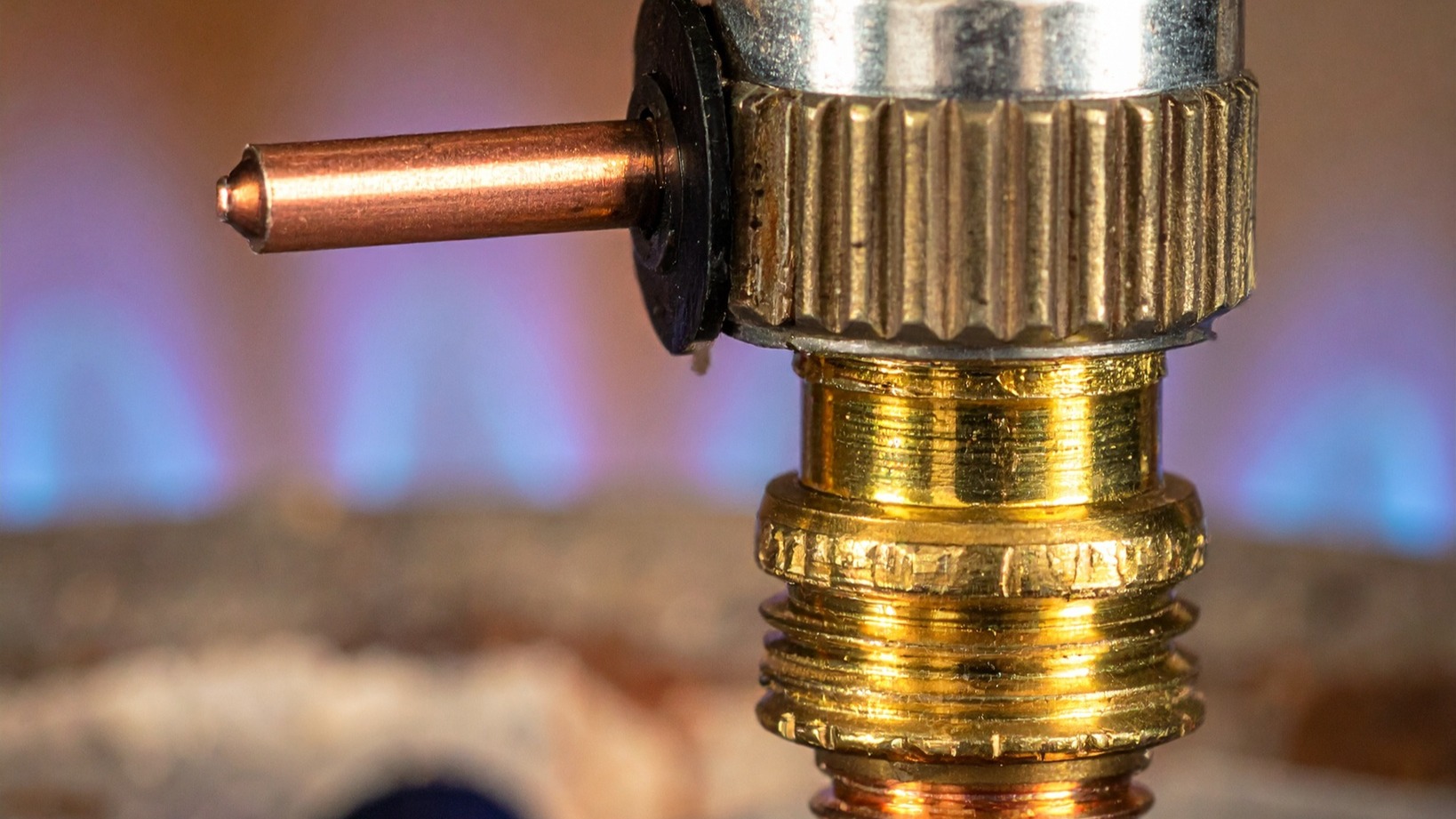
Your gas fire sits there doing its job day after day, keeping your living room toasty through those bitter British winters. Then one morning, you notice the pilot light won't stay lit. You relight it, it flickers for a few seconds, then goes out again. Nine times out of ten, you're looking at a faulty thermocouple.
This small but mighty component acts as your gas fire's safety sentinel, cutting off the gas supply the moment it detects the pilot light has gone out. When it fails, your fire becomes unusable. The good news? Replacing a thermocouple is one of the more straightforward heating repairs, and understanding when and how to do it can save you both time and money.
What Actually Happens When a Thermocouple Fails
A thermocouple generates a tiny electrical current when heated by the pilot flame. This current holds open an electromagnetic valve that allows gas to flow to your fire. The moment that flame goes out, the thermocouple cools, the current stops, and the valve snaps shut. It's brilliantly simple engineering that's prevented countless gas leaks since its invention.
When this component starts to fail, you'll notice specific symptoms. The pilot light refuses to stay lit even after multiple attempts. Sometimes it'll stay lit for a few minutes, then extinguish. You might find yourself holding down the control knob for ages, only for the flame to die the second you release it. These aren't random glitches; they're your thermocouple telling you it's reached the end of its working life.
The typical lifespan of gas fire thermocouples ranges from three to five years, though they can last longer in fires that aren't used heavily. Conversely, a fire that runs constantly through winter might wear one out faster. The constant heating and cooling cycles eventually degrade the metals inside, reducing their ability to generate sufficient current.
The Signs That Scream "Replace Me Now"
Beyond the obvious pilot light issues, several other indicators suggest thermocouple failure. If you're experiencing any of these thermocouple replacement signs, replacement should be your next move.
Intermittent Operation
Intermittent operation ranks as the most common symptom. Your fire works perfectly one day, then refuses to cooperate the next. This on-again, off-again behaviour typically indicates a thermocouple that's functioning at the edge of its capability. Temperature changes in your home can push it over that edge.
Visible Corrosion or Damage
Visible corrosion or damage to the thermocouple probe means immediate replacement. Look for white or green deposits, physical bends or kinks in the probe, or any signs of burning or melting. These components need to be in pristine condition to work properly. Quality heating controls from Honeywell demonstrate the difference proper manufacturing standards make in component reliability.
Weak or Yellow Pilot Flame
The pilot light appears weak or yellow rather than a strong blue flame. This can indicate other issues like a dirty pilot assembly, but a failing thermocouple often contributes to poor pilot performance. The two problems frequently occur together because both involve the pilot area.
Gas Odour When Fire Is Off
You smell gas occasionally when the fire should be off. This serious symptom suggests the thermocouple isn't closing the valve properly. Don't mess about with this one. If you smell gas, turn off the supply at the isolation valve immediately and get professional help.
Choosing the Right Thermocouple Type
Walk into any heating supplies shop and you'll face a bewildering array of thermocouples. They look similar but come in different lengths, thread sizes, and connection types. Get the wrong one and you've wasted your money and time.
Length Considerations
Length matters more than you'd think. Measure from the connection point at the gas valve to the tip that sits in the pilot flame. Common lengths run from 300mm to 900mm, but your specific fire model dictates what you need. Too short and it won't reach the pilot properly. Too long and you'll have excess probe flopping about, which can interfere with other components.
Thread Size and Type
Thread size and type must match your gas valve exactly. Most UK gas fires use either M8x1, M9x1, or M10x1 thread sizes. Some older fires use imperial threads. The connection nut needs to screw on smoothly without cross-threading. If you're forcing it, you've got the wrong size.
Universal Versus Specific Thermocouples
Universal versus specific thermocouples present another choice. Universal types come with interchangeable adaptors to fit multiple valve types. They're convenient if you're not certain of your exact model, but specific thermocouples designed for your fire brand usually offer better performance. When sourcing replacement parts, specialist heating spares from Halstead and Morco ensure you're getting components that meet British safety standards.
Connection Types
Connection types vary between manufacturers. Some use a simple nut connection, others employ a push-fit design, and some require a specific connector block. Check your existing thermocouple before ordering. Take a clear photo of the connection point if you're unsure; most suppliers can identify the type from a decent picture.
The Replacement Process (What You Need to Know)
Before we go further, let's be clear: working with gas appliances carries real risks. If you're not confident or competent, call a Gas Safe registered engineer. That said, replacing a thermocouple is one of the simpler gas fire maintenance tasks, and understanding the process helps even if you're hiring someone else to do it.
Safety First
Turn off the gas supply at the isolation valve before touching anything. This valve usually sits on the pipe leading to your fire, often behind the appliance or under the hearth. Turn it 90 degrees until it's perpendicular to the pipe. Open a window for ventilation during work.
Accessing the Thermocouple
Access the thermocouple by removing the fire's front panel or decorative elements. Every fire model differs, but most use simple clips or screws. Keep track of which screws go where, and take photos as you dismantle things if needed. The thermocouple probe sits right next to the pilot light, with its tip positioned in the flame.
Disconnection
Disconnect the old thermocouple by unscrewing the connection nut at the gas valve. This usually requires a small spanner, typically 8mm or 10mm. The nut should turn relatively easily; if it's seized, a tiny drop of penetrating oil helps. At the pilot end, the thermocouple either clips in or unscrews from a bracket. Note exactly how it's positioned before removing it.
Installation
Install the new thermocouple by reversing the process. Thread the probe through the same route as the old one, ensuring it doesn't kink or bend sharply. Position the tip in exactly the same location as the original, typically about 10mm into the pilot flame. Connect it to the gas valve, tightening the nut firmly but not excessively. You want it snug, not stripped. Quality pipe fittings ensure secure connections throughout your gas system.
Testing
Test thoroughly before reassembling everything. Turn the gas back on and light the pilot according to your fire's instructions. Hold the control knob down for 30-60 seconds to allow the new thermocouple to heat up fully. Release the knob; the pilot should stay lit. If it goes out, the probe might not be positioned correctly in the flame.
When the Problem Isn't the Thermocouple
Sometimes you replace the thermocouple, and the problem persists. Frustrating, certainly, but it means something else is causing your pilot light issues.
Blocked Pilot Jet
A blocked pilot jet produces a weak, yellow flame that can't heat the thermocouple properly. Years of dust and debris accumulate in these tiny orifices. Cleaning requires removing the pilot assembly and using a fine wire or compressed air to clear the blockage. This job often coincides with thermocouple replacement.
Faulty Gas Valve Components
Faulty gas valve components can mimic thermocouple failure. If the electromagnetic coil inside the valve has failed, even a perfect thermocouple won't keep the pilot lit. Testing this requires a multimeter to check if the thermocouple is generating current. If it is, but the valve won't stay open, the valve needs replacing.
Incorrect Gas Pressure
Incorrect gas pressure affects pilot performance. If multiple appliances in your home are experiencing issues, or if you've recently had gas work done, the supply pressure might be wrong. This requires a Gas Safe engineer with proper testing equipment.
Draft Issues
Draught issues can blow out pilot lights repeatedly. During a functioning thermocouple, it should be cut off when this happens; excessive draughts indicate ventilation problems that need addressing. Check for blocked or damaged flues, gaps around the fire surround, or negative pressure issues in your home.
Maintenance That Extends Thermocouple Life
You can't make thermocouples last forever, but proper maintenance certainly helps them reach their full lifespan.
Annual Cleaning
Annual cleaning of the pilot assembly removes buildup that can affect thermocouple performance. When the probe is covered in soot and debris, it can't transfer heat efficiently. A soft brush and gentle cleaning extend its working life considerably. This maintenance pairs well with checking other heating system components from Andrews for wear.
Correct Positioning
Correct positioning matters throughout the thermocouple's life. If it gets knocked or shifted, even slightly, performance suffers. During your annual maintenance, verify that the probe tip sits properly in the pilot flame. The flame should wrap around the tip, not just lick one side of it.
Avoiding Physical Damage
Avoiding physical damage seems obvious, but thermocouples are surprisingly vulnerable. Don't use the probe as a handle when moving things around. Don't bend or flex it unnecessarily. The metals inside are robust for their purpose, but not designed for rough handling.
Proper Shutdown Procedures
Proper shutdown procedures during the summer help too. Rather than just turning off the fire at the control, shut off the gas at the isolation valve when you won't use it for months. This prevents the thermocouple from sitting in a partially heated state, which can accelerate degradation.
Cost Considerations and Value Assessment
A replacement thermocouple costs between £10 and £30, depending on type and brand. Call-out charges for a Gas Safe engineer to fit one typically run £60-£120, depending on your location and the complexity of access. That's significantly cheaper than replacing an entire gas valve (£150-£300 including labour) or a complete fire.
DIY Versus Professional Installation
DIY versus professional installation comes down to confidence and competence. If you're comfortable working with basic tools, understand gas safety, and your fire has straightforward access, this can be a DIY job. However, if you're uncertain about any aspect or if your fire is built-in with complex access, professional installation provides peace of mind.
Quality Components Matter
Buying quality components makes economic sense. A cheap thermocouple might save £5 now, but fail in 18 months. A quality component from a reputable manufacturer lasts the full three to five years. When you factor in the hassle of repeated replacements, the premium for quality becomes negligible.
Preventative Replacement
Preventive replacement deserves consideration. If your thermocouple is four years old and you're doing other maintenance work on the fire, replacing it preemptively makes sense. You've already got the fire apart, and you'll avoid an inconvenient failure mid-winter.
The Bigger Picture: Fire Safety and Compliance
Gas fire thermocouples exist for one reason: safety. They prevent gas leaks that could lead to explosions or carbon monoxide poisoning. Treating them as disposable or ignoring warning signs puts your household at genuine risk.
Gas Safe Compliance
Gas Safe compliance isn't optional red tape; it's a life-saving regulation. Any work on gas appliances must meet current standards. If you're doing your own thermocouple replacement, you're working within the boundaries of homeowner maintenance. Anything more complex requires qualified professionals.
Carbon Monoxide Awareness
Carbon monoxide awareness links directly to proper gas fire operation. A malfunctioning fire produces this deadly, odourless gas. Install carbon monoxide detectors near your gas fire and throughout your home. Test them monthly. If they alarm, evacuate immediately and call the Gas Emergency number (0800 111 999).
Regular Servicing
Regular servicing by a Gas Safe engineer catches problems before they become dangerous. Annual checks should include thermocouple testing, pilot assembly cleaning, flue inspection, and ventilation verification. This isn't an optional luxury; it's essential safety maintenance.
Making the Right Call
Your gas fire's thermocouple might be small and relatively inexpensive, but it plays an outsized role in keeping your home safe and warm. Recognising the thermocouple replacement signs, choosing the correct replacement, and installing it properly (or knowing when to call in professionals) are skills worth developing.
The intermittent pilot light that's been annoying you isn't just a minor inconvenience; it's your heating system asking for attention. A £20 part and an hour of your time (or a professional's expertise) restore full functionality and maintain safety standards. That's not just good economics; it's responsible home ownership.
Whether you're tackling this job yourself or briefing an engineer, understanding what's involved helps you make informed decisions. You'll know if you're getting good advice, fair pricing, and proper service. That knowledge transforms you from a passive consumer into an active participant in maintaining your home's heating system, and that's always worth having.
For reliable replacement gas fire thermocouples and related heating components, Heating and Plumbing World stocks safety-critical parts from specialist manufacturers. Professional-grade thermocouples ensure proper operation and longevity in domestic gas fires. For guidance on selecting the correct thermocouple type for your specific gas fire model, or for advice on when professional installation is recommended, experienced heating specialists can provide technical support on safe gas appliance maintenance.