

Gully Traps: Purpose and Maintenance
The smell hits you first. That unmistakable sewage odour wafting up from your yard signals something's wrong with your drainage system. Nine times out of ten, it traces back to a neglected gully trap.
Gully traps sit at the intersection of your home's wastewater system and the main sewer line. They're designed to prevent sewer gases from backing up into your property while allowing wastewater to flow freely. When they fail, you're looking at blocked drains, foul odours, and potential health hazards.
What Gully Traps Actually Do
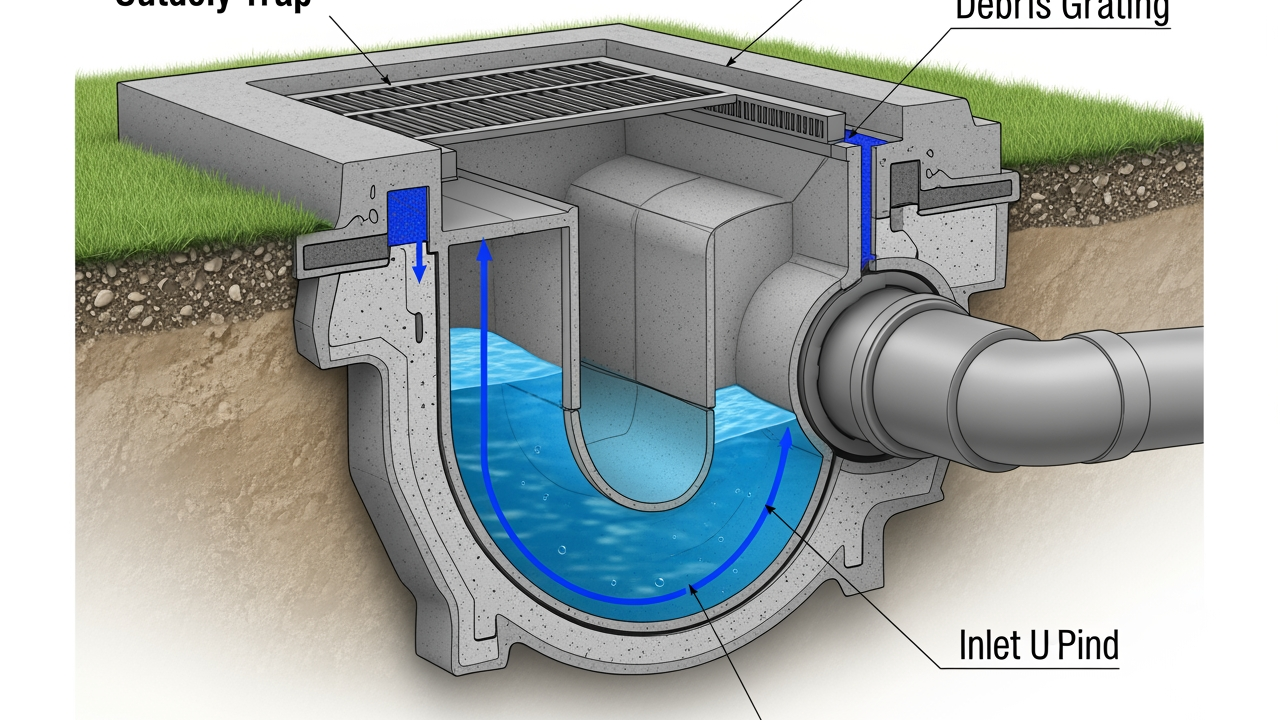
A gully trap creates a water seal between your property's drainage system and the municipal sewer. The trap holds water in a U-bend configuration, forming a barrier that blocks methane, hydrogen sulphide, and other sewer gases from entering your outdoor areas.
The typical residential gully trap connects to multiple drainage points: your kitchen sink, laundry, bathroom basins, and outdoor taps. Everything except toilet waste flows through it. This centralised collection point makes maintenance more manageable than servicing individual drain traps throughout your property.
The water seal depth ranges from 50mm to 75mm in most UK installations. This measurement matters because insufficient depth allows gases to pass through, while excessive depth restricts flow and increases blockage risk.
How Gully Traps Differ From Other Drainage Components
Property owners often confuse gully traps with inspection openings or regular drain junctions. The distinction matters when diagnosing problems.
An inspection opening (IO) provides access to your drain line for cleaning and camera inspections. It doesn't create a water seal. A standard drain junction simply connects pipes at different angles. Neither prevents gas backflow.
The gully trap's water seal makes it unique. This seal requires regular replenishment through normal water usage. Properties left vacant for extended periods lose this seal through evaporation, allowing sewer gases to escape.
Floor waste traps inside your home serve a similar function but handle much lower water volumes. The outdoor gully trap manages the combined discharge from multiple fixtures, dealing with grease, food particles, soap residue, and debris that indoor traps never encounter.
Common Gully Trap Problems
Blockages top the list. Grease from kitchen sinks solidifies in the trap, catching food scraps, soap scum, and hair. Over months, this accumulation restricts flow until water backs up into your yard or laundry.
Remarkable things emerge during gully trap cleanouts: tennis balls, children's toys, tree roots that infiltrated through cracks, and in one memorable case, a complete set of cutlery that had been scraped off plates into the kitchen sink.
Structural damage creates different issues. Concrete gully traps crack under ground movement or heavy vehicle traffic. PVC units can shift or separate at joints. These failures compromise the water seal and allow soil infiltration, accelerating blockages.
The grating that covers most gully traps serves an important purpose; it catches large debris before it enters the trap. Missing or damaged grates let leaves, sticks, and rubbish straight into your drainage system. Entire drains have been blocked by a single autumn's worth of leaves.
Dry traps cause problems without any blockage. If you've been away for three weeks and return to sewage smells, evaporation has likely eliminated your water seal. Running a hose into the gully for two minutes solves this immediately.
Maintenance That Actually Prevents Problems
Monthly visual checks take thirty seconds. Look at your gully trap grating. Is water pooling around it? That indicates a developing blockage. Does the grate sit flush and secure? Lift it and check the water level inside; you should see clear water at the bottom of the trap.
Quarterly cleaning prevents most blockages. Remove the grate and scoop out any visible debris with a small garden trowel. Pour a bucket of hot water through to flush accumulated grease. This simple routine eliminates 80% of service calls.
Annual professional inspection catches problems before they escalate. Drain cameras check for root intrusion, cracks, and partial blockages that aren't visible from the surface. This inspection costs less than emergency callouts when your laundry floods.
For properties with heavy kitchen use, rental properties with multiple occupants, or homes where you cook frequently, professional cleaning every six months is recommended. Commercial kitchens require monthly professional service due to grease volumes.
The Right Way to Clean a Blocked Gully Trap
Start with protection. Wear rubber gloves rated for chemical resistance and safety glasses. Gully trap contents contain bacteria that cause gastroenteritis and other infections.
Remove the grate and assess the situation. If water fills the trap to ground level, you're dealing with a complete blockage. If you see water but it's draining slowly, the blockage is partial.
For minor blockages, a plunger creates enough pressure to dislodge the obstruction. Use a force cup plunger (the type with a flange), not a sink plunger. Create a seal around the trap opening and pump vigorously for 30 seconds.
If plunging fails, a drain cleaning tool reaches deeper blockages. Hand-operated drain snakes work for most residential applications. Feed the cable down until you feel resistance, then rotate while applying forward pressure. You'll feel the blockage break up as the cable pushes through.
Chemical drain cleaners deserve caution. Caustic products generate heat that can crack older concrete traps. They're also environmentally harmful and dangerous if they splash. Only enzymatic drain cleaners that break down organic matter without harsh chemicals should be used for gully trap maintenance.
For persistent blockages, high-pressure water jetting clears the trap and connected pipes. This requires professional equipment; attempting DIY water jetting with a standard pressure washer lacks the flow rate and specialised nozzles needed for effective cleaning.
When DIY Becomes a Professional Job
Call a plumber when water backs up into your home. This indicates a blockage beyond the gully trap, possibly in your main sewer line or the connection to the municipal system.
Recurring blockages every few months signal a structural problem. Tree roots, collapsed pipes, or incorrect pipe gradients need professional diagnosis with camera equipment.
If you notice ground subsidence around your gully trap, stop using your drains immediately. The trap or connected pipes have likely failed, allowing wastewater to leak into the surrounding soil. This creates health hazards and can undermine building foundations.
Sewage backing up through the gully trap when you flush toilets means your sewer line has a serious blockage or the trap is incorrectly configured. Toilet waste should never route through a standard gully trap; it requires a separate connection to the sewer.
Installation Standards That Matter
British Standard BS EN 12056 specifies gully trap requirements. The trap must sit at least 150mm below the lowest fixture it serves to ensure proper drainage gradient. The outlet must be at least 50mm below the water seal level.
Proper positioning prevents problems. Gully traps should sit in accessible locations, away from vehicle traffic, and on stable ground. Traps installed under deck framing or buried under landscaping create maintenance nightmares.
The trap needs adequate venting. Without proper ventilation in your drain system, water flow creates negative pressure that can suck the water seal out of the trap. This "trap seal loss" allows sewer gases through even when the trap is functioning correctly. Quality drainage components from Polypipe ensure proper system integration.
Modern installations increasingly use PVC gully traps instead of concrete. PVC resists chemical corrosion, weighs less for easier installation, and won't crack from ground movement. The trade-off is lower impact resistance; concrete handles vehicle traffic better in driveways or loading areas.
Protecting Your Gully Trap From Kitchen Waste
Grease causes more gully trap blockages than everything else combined. When hot, grease flows like water. As it cools in your pipes, it solidifies and catches other debris.
Wipe pots and pans with paper towels before washing. This removes most grease before it enters your drainage system. The few pounds spent on paper towels save hundreds in drain cleaning.
Install sink strainers that catch food particles. Empty these into your bin after each meal preparation. Coffee grounds deserve special mention; they don't break down in water and create cement-like blockages when combined with grease.
For unavoidable grease, flush your kitchen sink with hot water for 30 seconds after washing greasy items. This keeps the grease liquid until it reaches the gully trap, where it can disperse rather than coating your pipes.
Commercial grease trap installations make sense for serious home cooks or small food businesses operating from residential properties. These interceptors grease before it reaches the gully trap, requiring regular professional cleaning but protecting your main drainage system.
Seasonal Considerations
Autumn brings leaves. If trees overhang your gully trap location, weekly grate cleaning prevents blockages. Consider installing a leaf guard, a fine mesh that sits over the grate to catch organic debris while allowing water through.
Winter rains test your drainage capacity. Heavy rainfall can overwhelm partially blocked gully traps, causing water to back up. Clean your trap before winter to ensure it handles increased flow.
Summer evaporation affects properties with low water usage. If you're travelling or have minimal drainage discharge, pour a bucket of water down the gully trap before leaving. For extended absences, add a cup of cooking oil to the trap; it floats on the water's surface and slows evaporation.
Spring growth spurts accelerate root intrusion. Tree roots seek water and nutrients, finding both in your sewer line. If you have large trees within 10 metres of your drainage system, annual camera inspections catch root problems early.
The Real Cost of Neglect
Emergency plumbing callouts for blocked drains average £300-£500 in metropolitan areas. After-hours and weekend rates double that. Most of these emergencies stem from maintenance that would have cost nothing.
Structural damage from neglected gully traps runs into thousands. Water backing up into your home damages flooring, walls, and furnishings. Insurance policies often exclude damage from lack of maintenance.
Cases exist where persistent leaks from failed gully traps undermined house foundations, requiring underpinning work costing £15,000-£30,000. The property owner had ignored slow drainage for years before the trap finally collapsed.
Health department notices for sewage contamination carry remediation costs and potential fines. If your failed gully trap affects neighbouring properties, you're liable for their damages too.
Making Maintenance Manageable
Set phone reminders for monthly checks and quarterly cleaning. Treating gully trap maintenance like you treat smoke alarm testing, a routine task on a fixed schedule, prevents it from being forgotten.
Keep basic tools ready: rubber gloves, a small trowel, a bucket, and a force cup plunger. Having equipment accessible makes you more likely to perform routine maintenance rather than postponing it.
Document your maintenance with photos. This proves due diligence if problems develop and helps identify gradual changes that signal developing issues.
For rental properties, specify gully trap maintenance in tenancy agreements. Require tenants to perform monthly checks and provide a maintenance log. Schedule professional inspections between tenancies.
Integration With Complete Drainage Systems
Understanding gully traps becomes particularly important when planning complete property drainage solutions. while gully traps handle grey water from sinks and showers, your overall system also depends on proper soil stack ventilation and waste pipe configuration.
Properties with comprehensive plumbing systems from suppliers like Gledhill or Kingspan require coordinated drainage planning. High-performance water systems from Stuart Turner increase water volumes through your drainage, making proper gully trap maintenance even more critical.
Modern heating systems with expansion vessels from Altecnic Ltd may discharge pressure relief water through external drains that connect to your gully trap. Understanding these connections prevents confusion when diagnosing drainage problems.
Keeping Your System Functioning
Gully traps perform an unglamorous but essential function in your property's drainage system. That water seal standing between your outdoor areas and sewer gases requires nothing more than basic attention to keep working effectively.
The maintenance burden is minimal: monthly visual checks, quarterly cleaning, and annual professional inspection. This routine prevents the overwhelming majority of gully trap failures and the expensive emergency repairs they cause.
Most property owners never consider their gully trap until something goes wrong. By that point, you're dealing with blocked drains, sewage odours, or water damage rather than spending five minutes on preventive maintenance.
Locate your gully trap next time you're in your yard. Lift the grate and look inside. If you see clear water at the bottom and the trap drains freely when you run a hose into it, you're in good shape. If not, you now know exactly what to do about it.
For technical advice on drainage components and complete plumbing systems, Heating and Plumbing World stocks a comprehensive range of drainage products and fittings. If you need specification support or have questions about your drainage system, get in touch with the technical team.