

Heating a Conservatory or Sunroom Efficiently
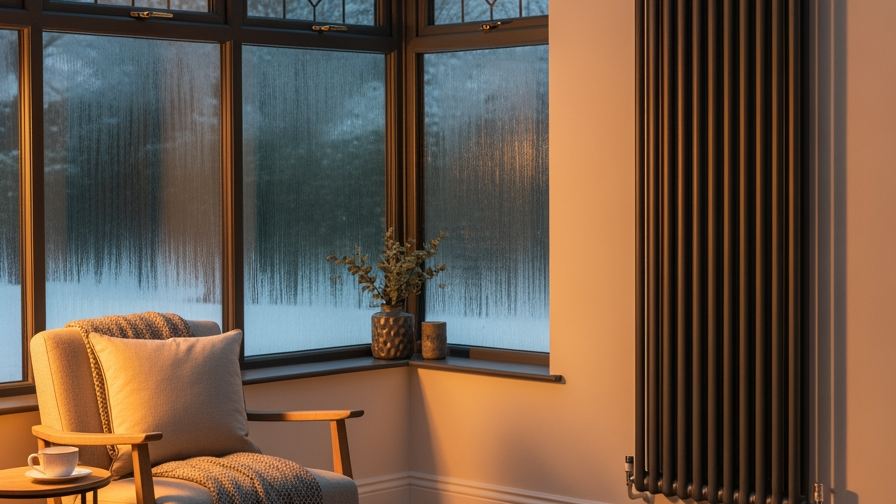
Conservatories and sunrooms offer delightful spaces that blur the boundary between indoor comfort and outdoor connection, yet their extensive glazing creates unique heating challenges. These glass structures lose heat far more rapidly than conventional rooms, often remaining uncomfortably cold throughout winter despite expensive heating efforts. Understanding appropriate conservatory heating options transforms these spaces from seasonal luxuries into year-round living areas that enhance property value and usable square footage.
Many homeowners extend their central heating into conservatories only to find radiators struggling against relentless heat loss through single or poorly insulated double glazing. Others install electric heaters that consume electricity at alarming rates, whilst barely maintaining comfortable temperatures. The key lies in matching heating solutions to the specific characteristics of glass structures whilst addressing fundamental insulation deficiencies that undermine any heating system's effectiveness.
Heating and Plumbing World specialises in advising homeowners on the most efficient sunroom heating solutions tailored to individual property requirements, budgets, and usage patterns. This comprehensive guide examines the full spectrum of heating options available, from extending existing central heating systems to standalone electric solutions, whilst highlighting critical insulation improvements that maximise comfort and minimise running costs.
Understanding Conservatory and Sunroom Heat Loss
Why Glass Structures Lose Heat Rapidly
Conservatories lose heat far more rapidly than traditional rooms due to their high proportion of glazed surfaces. Whilst modern cavity walls achieve U-values around 0.30 W/m²K, indicating excellent insulation, even good double glazing only reaches 1.4-2.0 W/m²K - nearly five times more heat loss per square metre. Older conservatories with single glazing or basic double glazing approach 5.0 W/m²K, losing heat at rates comparable to leaving windows open. Roof glazing proves particularly problematic, as warm air rises naturally towards the coldest surface where maximum heat escapes.
Cold bridging through aluminium frames and glazing bars exacerbates heat loss. Metal conducts heat excellently, creating pathways for warmth to bypass even decent glazing. Poorly sealed joints between glass panels, frames, and the conservatory base allow draughts that strip away heated air faster than heating systems can replace it. These factors combine to create spaces requiring two to three times more heat input per square metre than adjoining rooms, fundamentally altering the economics of heating.
Night-time temperatures drop dramatically in conservatories lacking thermal mass to store and release heat gradually. Unlike traditional rooms with brick walls, plaster, and furnishings that moderate temperature swings, glass structures respond almost instantly to external conditions. Winter nights see internal temperatures plummet within hours of heating systems switching off, whilst summer days create greenhouse effects that overheat spaces to uncomfortable levels.
Seasonal Temperature Extremes
Winter cold proves the primary concern for most conservatory owners, with temperatures often matching outdoor conditions when heating isn't operating. Condensation forms extensively on cold glass surfaces when warm, moisture-laden air from the house enters the conservatory, creating damp conditions that damage furnishings and encourage mould growth. Some conservatories become unusable from November through March without substantial heating investment, defeating their purpose as additional living space.
Summer overheating affects south and west-facing conservatories particularly severely, with intense solar gain raising temperatures to 40°C or higher on sunny days. Adequate ventilation through roof vents and doors proves essential, yet creates conflicts with heating requirements during cooler periods. Blinds, tinted glazing, or external shading help manage solar gain whilst maintaining views and light that make conservatories attractive.
Orientation significantly impacts heating and cooling requirements. North-facing conservatories receive little direct sun, remaining cool even in summer but requiring more heating in winter. South-facing structures maximise solar gain, potentially reducing heating needs but increasing cooling demands. East-facing conservatories warm pleasantly for morning use, whilst west-facing spaces catch the afternoon sun, perfect for evening relaxation, but prone to overheating. Consider these patterns when evaluating conservatory heating options and usage schedules.
Assessing Your Conservatory's Heating Requirements
Heat Loss Calculations for Glass Structures
Accurate heat loss calculations form the foundation of effective conservatory heating. British Standard EN 12831 applies to conservatories as to conventional rooms, though the calculations become more critical given extreme heat loss rates. Measure every glazed surface - walls, doors, roof panels - and apply appropriate U-values based on glazing type. Modern argon-filled double glazing might achieve 1.4 W/m²K, standard double glazing 2.0-3.0 W/m²K, and single glazing 5.0-5.8 W/m²K.
Multiply each surface area by its U-value and the temperature difference between desired internal temperature (typically 21°C for living spaces) and design external temperature (varies by UK region, generally -1°C to -3°C for southern England, colder for northern areas). Sum all surfaces, including base walls and any solid roof sections, add 15-20% for air changes and safety margin, and the result indicates the required heat output in watts. Convert to kilowatts by dividing by 1,000, or multiply by 3.412 to express as BTUs.
Solid roof conversions dramatically reduce heating requirements, as insulated roofs achieve U-values around 0.15-0.18 W/m²K compared to 1.4-5.0 W/m²K for glazed roofs. A 4m x 3m conservatory with a glazed roof requires approximately 4-6 kilowatts of heating with good double glazing, or potentially 8-10 kilowatts with poor glazing. The same space with an insulated solid roof might need only 2-3 kilowatts - a difference affecting equipment costs, installation complexity, and ongoing running expenses significantly.
Building Regulations and Extensions
Traditional conservatories exempt from Building Regulations must remain separated from the main house by external-quality doors and have independent heating systems. Opening the doorway or extending the house's central heating into the conservatory converts it to a heated extension requiring Building Control approval. Part L regulations then mandate minimum insulation standards - roof U-values no greater than 0.15 W/m²K, walls 0.30 W/m²K, floors 0.25 W/m²K, and glazing 1.6 W/m²K.
Most existing conservatories fail these standards, making legal conversion to heated habitable rooms challenging without substantial upgrades. Solid roof replacements, base wall insulation, and modern glazing bring structures towards compliance, though older conservatories may prove impractical to upgrade fully. Consult Building Control before removing separating doors or extending central heating to avoid enforcement issues and problems when selling properties.
Some homeowners maintain separate conservatory heating deliberately to preserve the Building Regulations exemption and flexibility. Standalone electric heating or independent systems avoid triggering requirements whilst providing adequate comfort for occasional use. This approach suits conservatories used seasonally or intermittently rather than as primary living spaces, balancing regulatory compliance with practical heating needs.
Electric Heating Solutions
Electric Radiators and Panel Heaters
Electric radiators offer the simplest conservatory heating option, requiring only power sockets and no connection to existing central heating. Modern oil-filled or ceramic electric radiators incorporate thermostats and timers, enabling independent temperature control and scheduling separate from the main house. Wall-mounted panel heaters provide similar benefits with lower profiles, though their convection heating proves less effective at moderating the cold radiating from glazed surfaces.
Size electric heaters carefully based on heat loss calculations, allowing approximately 100-150 watts per square metre for well-insulated conservatories with modern double glazing, or 150- 200+ watts for poorly insulated structures. A 12 square metre conservatory might need 1.5-2.5 kilowatt heating capacit,y depending on glazing quality and exposure. Install multiple smaller radiators rather than one large unit to ensure even heat distribution throughout the space.
Running costs represent the primary disadvantage of electric heating, with current electricity prices around 25-30 pence per kilowatt-hour making operation expensive compared to gas central heating at 6-10 pence per kilowatt-hour equivalent. A 2-kilowatt electric heater operating six hours daily costs approximately £90-110 monthly, whilst equivalent gas heating might cost £25-40 monthly. Economy 7 tariffs offering cheaper night-time electricity suit conservatories with storage heaters, but prove less effective for evening usage patterns.
Infrared Heating Panels
Infrared heating panels represent increasingly popular sunroom heating solutions, warming objects and people directly rather than heating air. This approach suits conservatories well, as radiant heat counters the cold radiation from glass surfaces more effectively than convection heating. Ceiling or high-wall mounted panels deliver warmth downwards where occupants benefit, whilst heat doesn't rise immediately to be lost through roof glazing before warming the lower space.
Quality infrared panels convert 90%+ of electricity into heat efficiently, though total running costs remain comparable to conventional electric heating, given similar power consumption. The perceived comfort improvement from radiant heat means lower air temperatures feel comfortable, potentially reducing actual heating requirements by 10-20%. Panels heat up and cool down rapidly, suiting intermittent conservatory use patterns better than systems requiring long warm-up periods.
Installation proves straightforward for competent DIY enthusiasts or electricians, requiring only secure mounting and power connection. Multiple smaller panels distributed across the conservatory ceiling provide better heat distribution than single large panels. Combine with programmable thermostats or smart control,s enabling precise temperature management and scheduling. Panels blend discreetly with conservatory décor better than bulky radiators, preserving the space's aesthetic appeal.
Electric Underfloor Heating
Electric underfloor heating transforms conservatory comfort by warming the floor surface that typically feels coldest in glass structures. Retrofit electric heating mats or cables are installed beneath tiles, laminate, or engineered wood flooring during renovations, providing gentle, even warmth across the entire floor area. This suits conservatories with dwarf walls and tiled or solid floors, though installation under existing flooring proves disruptive and expensive.
Electric underfloor heating operates at lower temperatures than radiators whilst delivering comparable comfort, as radiant heat from floors feels warmer than air heated by radiators. Typical consumption rates around 100-150 watts per square metre suit moderately insulated conservatories, with programmable thermostats preventing wasteful continuous operation. Heat-up times of 30-45 minutes mean systems must start well before spaces will be used, making automated scheduling essential.
Running costs mirror other electric heating options - approximately £7-12 per square metre monthly for a typical six-hour daily operation at current electricity prices. Combine with good floor insulation beneath the heating elements to prevent heat loss downwards into the ground. Expansion vessels and other system components required for wet systems don't apply to standalone electric installations, simplifying installation though not reducing running costs.
Extending Central Heating Systems
Radiator Installation Considerations
Extending central heating into conservatories proves cost-effective where boilers possess spare capacity and pipework routes prove practical. Calculate the conservatory's heat requirement and verify that the boiler's kilowatt output exceeds the total demand from the house plus the conservatory. Modern combi boilers typically output 24-35 kilowatts, easily accommodating conservatory radiators, adding 2-4 kilowatts demand, though older or smaller boilers may struggle.
Route pipework from the nearest heating circuit, running pipes through walls at convenient locations and concealing beneath conservatory floors or within base walls where possible. Insulate all pipework against heat loss and frost damage, particularly sections running through unheated spaces or exposed areas. Install radiator valves on both sides of each radiator, enabling future removal and maintenance without draining the entire system. Thermostatic radiator valves provide independent temperature control, allowing the conservatory to be heated only when needed without affecting the main house.
Size radiators generously for conservatory installations, as standard sizing guides developed for well-insulated rooms underestimate requirements in glass structures. Factor in at least 30-50% additional capacity beyond basic heat loss calculations to achieve comfortable temperatures during cold weather. Vertical radiators suit conservatories with limited wall space, whilst horizontal models beneath windows counteract cold downdrafts, though modern double glazing reduces this consideration's importance compared to overall heat output adequacy.
Underfloor Heating from Central System
Wet underfloor heating connected to existing central heating delivers excellent comfort in conservatories, warming the typically cold floor surface whilst distributing heat evenly. Installation requires adequate floor build-up for pipes (minimum 65mm including insulation and screed) or pipe placement between floor joists in suspended timber floors. Connect underfloor circuits to the boiler via manifold,s enabling independent temperature and zone control.
Underfloor heating operates at lower temperatures (45-55°C) than radiators (65-75°C), maximising boiler efficiency and reducing running costs compared to radiator-only installations. The lower temperatures suit modern condensing boilers particularly well, enabling maximum efficiency and lowest fuel consumption. Combine with room thermostats and timer controls enabling the conservatory to warm before use whilst remaining off during unoccupied periods.
Check the boiler capacity accommodates additional load before proceeding, as underfloor heating systems require continuous circulation whilst operating. Install dedicated pumps and controls to prevent underfloor circuits from affecting the main heating system's balance. Professional installation proves essential, as incorrect pipe spacing, inadequate insulation, or poor commissioning results in uneven heating and disappointing performance. Gas Safe registered engineers must complete all work on gas boilers and heating systems, with installations meeting current Building Regulations requirements.
Alternative Heating Technologies
Air Source Heat Pumps for Conservatories
Wall-mounted air source heat pump units, similar to air conditioning systems, provide both heating and cooling, addressing conservatories' seasonal extremes effectively. These split systems move heat rather than generating it, achieving efficiencies of 300-400% - delivering three to four kilowatts of heat output per kilowatt of electricity consumed. At current energy prices, this makes them more economical than direct electric heating, though still more expensive than gas central heating.
Summer cooling capability proves particularly valuable in south and west-facing conservatories prone to overheating. Dehumidification functions help manage condensation during transitional weather when heating remains off, but moisture levels stay high. Units respond quickly to demand, heating or cooling spaces within minutes, unlike wet systems requiring extended warm-up periods, suiting intermittent conservatory usage well.
Installation requires external compressor unit placement, refrigerant pipework connecting indoor and outdoor units, condensate drainage, and adequate power supply. Noise from compressors sometimes annoys neighbours if positioned poorly, so consider carefully. Running costs typically £40-60 monthly for moderate conservatory heating, significantly lower than standard electric heating, though higher than gas central heating extensions. Five to seven-year payback periods versus other electric heating make them attractive for regularly used conservatories.
Wood Burners and Stoves
Wood-burning stoves create attractive focal points in conservatories whilst providing efficient heating, though suitability depends on conservatory size, construction, and flue options. Modern stoves achieve 70-85% efficiency, burning wood or multi-fuel effectively whilst radiating heat directly into conservatory spaces. Heat output ranges from 4-15 kilowatts, easily warming small to medium conservatories when operated.
Building Regulations require adequate combustion air supply, proper flue installation with appropriate terminals, and safe clearances from combustible materials. Glass-roofed conservatories may lack suitable locations for traditional vertical flues, though twin-wall insulated flues can route horizontally through walls if vertical installation proves impossible. Installation requires Building Control notification, with completed installations inspected and certified for safety and compliance.
Running costs prove low when burning seasoned wood, though convenience suffers compared to automatic heating systems. Stoves require manual fuel loading, ash removal, and supervision when operating. They suit conservatories used as relaxation spaces where tending the fire becomes part of the experience rather than an inconvenience. Safety considerations include protecting children and pets from hot surfaces, ensuring adequate ventilation, and proper fuel storage away from the conservatory itself.
Improving Insulation and Efficiency
Glazing Upgrades
Upgrading conservatory glazing delivers the most significant improvements in heat retention and reduced heating costs. Replacing single glazing with modern argon-filled low-E double glazing reduces heat loss by 60-70%, cutting heating requirements proportionally. Triple glazing offers marginal additional benefits - approximately 10-15% better than good double glazing - though higher costs mean extended payback periods that may not justify the investment in most UK climates.
Low-E (low emissivity) coatings reflect heat back into conservatories whilst allowing light transmission, particularly effective at reducing heat loss through roof glazing. Gas fills between panes - argon or krypton - conduct heat more slowly than air, enhancing insulation without affecting transparency. Specify warm-edge spacer bars separating glass panes rather than traditional aluminium spacers that create cold bridging and condensation around glazing edges.
Roof glazing upgrades deliver disproportionate benefits as roof surfaces typically account for 40-50% of total heat loss despite representing a smaller surface area than walls. Self-cleaning and solar control coatings combine with insulation improvements, reducing both summer overheating and winter heat loss whilst minimising maintenance requirements. Replacement costs vary widely depending on conservatory size and glazing specification, typically £3,000-£8,000 for average conservatories, with energy savings of £200-400 annually, making payback periods 10-15 years.
Solid Roof Conversions
Converting glazed roofs to insulated solid roofs transforms conservatory heating economics whilst improving year-round comfort dramatically. Modern replacement roofs achieve U-values around 0.15 W/m²K - ten times better than even excellent double glazing - reducing heating requirements by 50-70% whilst eliminating summer overheating. Internal finishes match house décor better than glazing, creating spaces that feel like natural room extensions rather than separate conservatories.
Lightweight tiled or slate-effect panels over insulated frameworks maintain structural load within the existing conservatory foundations' capacity, avoiding expensive structural modifications. Internal plastered and decorated ceilings incorporate recessed lighting, creating attractive living spaces indistinguishable from conventional room extensions. Some systems retain glazed panels or skylights providing natural light, whilst insulated sections prevent excessive heat loss.
Installation typically costs £4,000-£9,000 depending on conservatory size and finish specification, with dramatic comfort improvements and heating cost reductions. Most solid roof conversions require Building Control approval as they constitute material alterations. Planning permission may also apply, depending on the property location and roof specification. Combined with other insulation upgrades like base wall insulation and modern glazing, solid roofs enable conservatories to achieve Building Regulations standards for heated habitable rooms.
Reducing Heat Loss
Thermal blinds and curtains provide relatively inexpensive heat loss reduction, particularly effective for roof glazing where warm air naturally rises. Honeycomb or cellular blinds trap air in pockets, creating insulating layers that reduce overnight heat loss by 30-40%. Close blinds before temperatures drop significantly in the evenings, trapping accumulated warmth whilst blocking cold radiation from glass surfaces.
Draught exclusion around doors, windows, and opening roof vents prevents warm air from escaping and cold draughts from entering. Replace worn seals and adjust hinges, ensuring doors close tightly. Consider secondary glazing or magnetic seals on older conservatories where primary glazing proves difficult to upgrade. These measures cost little yet deliver noticeable comfort improvements and reduced heating consumption.
Base wall insulation between conservatory floors and external ground levels prevents significant heat loss downwards. Internal or external insulation to dwarf walls improves overall thermal performance, particularly important in solid-base conservatories with brick or block walls below glazing. Combine with quality boiler spares maintenance, ensuring heating systems operate efficiently, maximising output whilst minimising fuel consumption.
Cost Comparisons and Running Expenses
Electric Heating Costs
Electric heating running costs depend on heater wattage, daily operating hours, and current electricity prices. A typical 2-kilowatt electric radiator operating six hours daily consumes 12 kilowatt-hours, costing approximately £3.00-£3.60 daily at 25-30 pence per kilowatt-hour. Monthly costs approach £90-110, substantially higher than gas heating alternatives. Economy 7 tariffs offering cheaper night-time electricity (typically 12-15 pence per kilowatt-hour) reduce costs for storage heaters, though peak-rate daytime electricity costs more (30-35 pence per kilowatt-hour).
Infrared panels and underfloor heating systems consume similar amounts of electricity for comparable heat output, offering comfort benefits rather than cost savings compared to standard electric radiators. Air source heat pumps achieve better economics through high efficiency, potentially halving running costs versus direct electric heating, though remaining more expensive than gas alternatives. Annual electric heating costs for moderately used conservatories typically range £800-1,200, whilst intensive daily use approaches £1,500-2,000 annually.
Consider solar photovoltaic panels to offset electricity consumption if contemplating significant electric heating use. Generated electricity during sunny periods powers heating systems at near-zero marginal cost, though winter heating requirements peak when solar generation falls to minimum levels. Battery storage systems enable shifting solar generation to evening heating periods but add substantial cost. Electric heating suits conservatories used occasionally, where extending gas central heating proves impractical, accepting higher per-use costs for installation simplicity and flexibility.
Central Heating Extension Costs
Extending gas central heating into conservatories typically costs £1,000-£2,500, including radiators, pipework, labour, and system modifications, depending on installation complexity and distances from existing circuits. Running costs prove substantially lower than electric heating - approximately £20-40 monthly for typical conservatory heating at current gas prices, around 6-10 pence per kilowatt-hour equivalent heat output. Annual gas heating costs range £250-500 for moderate use, delivering identical comfort ata fraction of electric heating costs.
Oil heating proves similarly economical where properties lack gas connections, though oil prices fluctuate more than gas. Current oil prices deliver heating costs of approximately 8-12 pence per kilowatt-hour, higher than gas but substantially cheaper than electricity. Installation costs mirror gas extensions, requiring oil boiler capacity assessment and pipe routing from existing systems. Oil-fired conservatory heating might cost £300-600 annually, depending on usage patterns and oil price fluctuations.
Payback periods for central heating extensions versus standalone electric heating range 2-4 years based on installation cost premiums and annual running cost savings. Conservatories used regularly throughout winter see the quickest payback, whilst occasional-use conservatories may never recover installation costs through savings. Factor in enhanced property value from professionally heated conservatory extensions meeting Building Regulations standards when evaluating investment decisions.
Smart Controls and Energy Management
Programmable Thermostats
Independent programmable thermostats enable conservatory heating schedules separate from main house heating, preventing wasted energy warming unused spaces. Programme conservatories to heat before anticipated use - warming an hour before morning breakfast or evening relaxation - then dropping to frost protection temperatures overnight or during working days. This intermittent heating suits conservatory usage patterns perfectly, balancing comfort when needed with economy during unoccupied periods.
Modern thermostats incorporate seven-day programming, multiple daily schedules, and intelligent features like weekend versus weekday patterns. Wireless thermostats eliminate cable runs between conservatories and heating controls, simplifying installation in existing structures. Smart thermostats with WiFi connectivity enable remote control via smartphone apps, letting homeowners adjust heating whilst away or respond to unexpected weather changes without returning home.
Frost protection settings prevent conservatory temperatures from dropping below 5-7°C, protecting plants and preventing pipe freezing without maintaining expensive full heating unnecessarily. Conservatories used primarily in evenings and weekends might operate heating only 20-30 hours weekly versus 40-60 hours if matching main house schedules, halving running costs through intelligent programming. Combined with good insulation reducing heat loss, smart controls deliver comfortable conservatories at reasonable running expenses.
Zoning Strategies
Treating conservatories as separate heating zones, independent from main house systems, optimises energy efficiency and comfort simultaneously. Install zone valves on central heating extensions, enabling conservatory circuits to operate independently, controlled by dedicated thermostats. The boiler fires when either the main house or the conservatory calls for heat, with motorised valves directing hot water only where needed, preventing conservatory heating from wasting energy warming the entire property unnecessarily.
Independent zoning proves particularly valuable when conservatories remain separated from houses by doors, as it prevents heat loss from the house when conservatory heating operates. Opening doors allows heat exchange between spaces while closing them retains warmth in either area independently. This flexibility suits varied conservatory usage - intensive heating when entertaining, minimal heating for plant protection, or completely off during holidays without affecting main house comfort.
Electric heating systems inherently provide zoning through independent operation, though coordination with main house heating schedules requires manual management. Smart home systems enable automated scenarios - conservatory heating activates when doors open during main house heating periods, or heating both spaces simultaneously before guests arrive - balancing convenience with energy efficiency. Professional advice ensures zoning strategies match individual usage patterns and property characteristics optimally.
Common Mistakes to Avoid
Undersizing Heating Systems
Conservatory heating calculations require generosity, given extreme heat loss rates and thermal mass limitations. Installers accustomed to conventional room sizing often underestimate conservatory requirements, leading to systems that struggle to maintain comfortable temperatures during cold weather. Allow 30-50% additional capacity beyond calculated minimums, accepting higher installation costs to ensure adequate performance rather than perpetual dissatisfaction with inadequate heating.
Consider extreme weather scenarios when sizing systems. Calculations typically use -1°C to -3°C external design temperatures, yet occasional cold snaps reach -5°C to -10°C when heating demands peak. Systems sized exactly to calculated minimums provide no overhead for unusual weather, furniture and fittings blocking heat distribution, or occupancy levels exceeding assumptions. Generous sizing costs little extra initially, whilst delivering reliable comfort and avoiding expensive upgrade requirements when inadequate systems disappoint.
Future-proof installations by allowing for potential solid roof conversions, base wall insulation, or glazing upgrades that reduce heating requirements. Oversized heating systems in well-insulated spaces cycle less frequently without wasting energy, as modern thermostatic controls prevent overheating. The flexibility proves valuable if usage patterns change or subsequent owners desire different conservatory temperatures than initially anticipated.
Ignoring Insulation
Installing heating without addressing fundamental insulation deficiencies proves false economy, as inadequate thermal performance wastes money heating the outdoors rather than conserving warmth inside. Single-glazed conservatories lose heat so rapidly that even substantial heating systems struggle to maintain comfort, whilst running costs become prohibitive. Prioritise insulation improvements before or alongside heating installations, as better thermal performance reduces required heating capacity, installation costs, and ongoing running expenses simultaneously.
Calculate payback periods for insulation upgrades versus increased heating costs with poor insulation. Modern double glazing costing £4,000 might reduce annual heating costs by £400-600, delivering payback within 7-10 years whilst providing 20+ years service. Solid roof conversions prove more expensive but deliver even greater savings and comfort improvements, justifying investment for frequently used conservatories. Adequate insulation transforms previously unusable winter spaces into comfortable year-round rooms at reasonable heating costs.
Avoid piecemeal approaches that address symptoms rather than causes. Adding more heaters to cold conservatories without improving insulation simply increases running costs without achieving satisfactory comfort. Professional thermal surveys using infrared cameras identify major heat loss routes - often surprising homeowners by revealing unexpected draughts or cold bridging through frames - enabling targeted upgrades delivering maximum benefit per pound invested.
Conclusion
Selecting appropriate conservatory heating options requires balancing installation costs, running expenses, usage patterns, and comfort expectations whilst addressing the fundamental thermal challenges posed by extensively glazed structures. Electric heating solutions offer installation simplicity and flexibility suitable for occasional use, whilst central heating extensions deliver superior economy for regularly heated conservatories where boiler capacity and practical pipework routing permit. Alternative technologies like air source heat pumps and infrared panels provide middle-ground solutions with enhanced efficiency compared to standard electric heating.
Successful sunroom heating solutions recognise that heating systems alone cannot overcome inadequate insulation, with glazing upgrades, solid roof conversions, and comprehensive draught exclusion delivering greater long-term value than oversized heating installations fighting excessive heat loss. Professional assessment calculates accurate requirements considering specific conservatory characteristics, orientation, glazing specifications, and intended usage patterns, preventing costly mistakes from underspecified or inappropriately selected systems.
Whether creating cosy reading rooms for year-round enjoyment, protecting valuable plants through winter, or simply expanding usable living space economically, thoughtfully planned conservatory heating transforms these glass structures from seasonal amenities into comfortable, efficient spaces, enhancing property value and lifestyle quality. Professional installation ensures systems meet Building Regulations where applicable, operate safely and efficiently, and deliver reliable performance for many years.
For expert guidance on selecting and installing the most appropriate heating solution for your conservatory or sunroom, contact us to discuss your specific requirements and ensure optimal comfort at reasonable running costs.