

Heating Parts Planning for Repairs That Cannot Wait
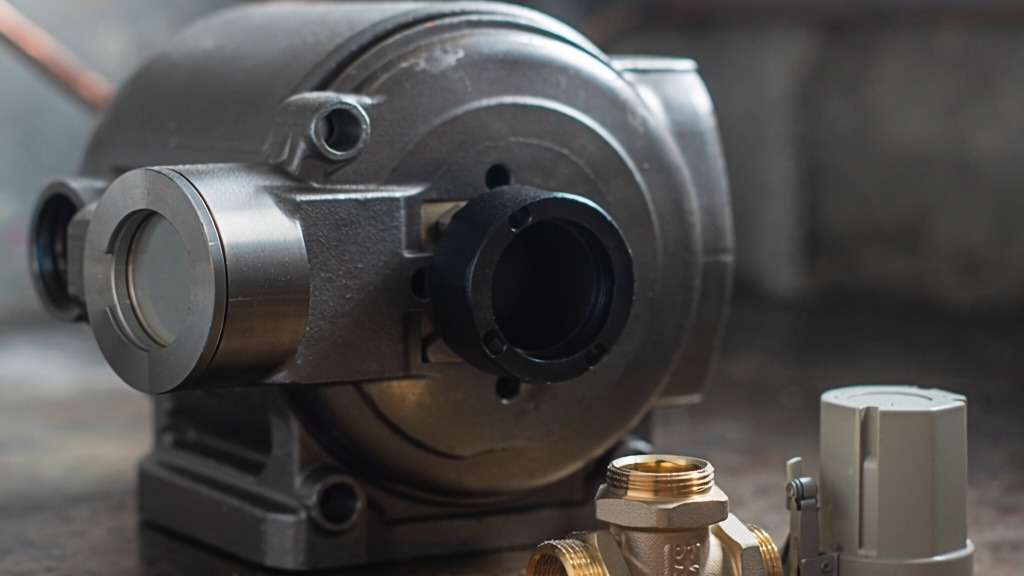
Heating systems fail in stages before they fail completely. A sticking valve, noisy pump, tired actuator or poor control signal can all give warning signs. A practical heating parts plan turns those signs into ordered work instead of an urgent shutdown.
We stock the brands and categories that sit behind heating reliability: pumps, controls, valves and the ancillary parts that keep a circuit moving. We help trade buyers identify those parts from a written schedule, not from a rushed visual match on a breakdown.
Look Beyond the Boiler When Planning Heating Parts
Many heating complaints are blamed on the boiler because it is the most visible piece of equipment. In reality, poor circulation, trapped air, failed controls, incorrect balancing or sludge can create symptoms that look like boiler trouble.
Heating parts planning should cover the whole circuit:
- Heat source
- Pumps and circulators
- Zone valves and actuators
- Thermostats and programmers
- Radiator valves and balancing valves
- Expansion and pressure control components
- Filters, vents and filling equipment
The boiler may still heat while the circuit cannot deliver. If the pump, valves or air vents are the weak point, replacing the heat source will not restore the rooms that stayed cold.
Use Symptoms to Guide the Likely Spare Demand
Different symptoms point towards different parts families. Planning becomes much more useful when the team records what was found, not just what was fitted.
For example:
Cold radiators at the end of a circuit may point towards balancing, pump performance or blockage.
Intermittent heating in one zone may point towards an actuator, valve body or control signal.
Pressure loss may point towards leaks, expansion vessel problems or relief valve discharge.
Short cycling may involve controls, flow issues or heat load mismatch.
This kind of record stops the same handful of heating parts being bought for every fault. Write the symptom, the circuit served, the part removed and the part fitted. That list becomes next season's stock check.
Prioritise Pumps, Controls and Valves by Consequence
A failed circulating pump can stop heat from circulating across a building. A failed actuator may affect one zone. A damaged radiator valve may affect one room. Consequence matters.
For pump-related planning, Grundfos pumps and Lowara pump products may be relevant depending on the installation. For control and valve components, Danfoss heating components, Honeywell controls and EPH Controls are worth checking to see if they match the system. None of those names is a duty. They are families to compare against the installed range, voltage, port pattern and control mode already on site.
The rule is simple. Hold or pre-identify the parts whose absence creates the longest and most disruptive outage.
Write the Plant-Room Facts Down Before You Order
A useful plant-room schedule is a one-page record, not a catalogue. For each pump, note the model if it is still readable, port-to-port length, connection size, head and flow if they are known, control mode, electrical supply and the clearance needed to lift the unit. For each zone valve, note the body pattern, actuator voltage and whether the valve is two-port or three-port. For controls, note the wiring centre, number of zones and whether hot water is separately timed.
If a nameplate is missing, still write the duty the circuit has to perform. Pipe size alone is not a specification. Head, flow, liquid temperature and how the circuit is controlled decide whether a replacement will run quietly in the efficient part of its curve.
When you send an availability enquiry, include that schedule. Send the old model if there is one, plus the application, the circuit served, the design flow and head if known, the control mode, the power supply, the connections, any access limit and whether a twin or standby arrangement is required. That is enough for us to compare current stock against the installed duty instead of guessing from a photograph of a rusty label.
Plan for Seasonal Pressure Before It Arrives
Heating demand rises quickly in autumn. So does pressure on suppliers, engineers and maintenance teams. A review in late summer gives time to check known weak points before the first cold spell.
A useful seasonal check includes:
- Pumps showing noise, heat stress or poor performance.
- Zone valves with slow movement or intermittent response.
- Controls with unclear schedules or unreliable switching.
- Expansion vessels with incorrect charge or waterlogging.
- Radiator valves that are seized, leaking or damaged.
Parts planning should follow this check, not replace it. Walk the plant room once with the schedule in hand. Mark what still matches the record, what has been swapped without a note, and what is already making the noise or heat that usually precedes a winter callout.
Do Not Ignore Water Quality Components
Heating parts fail faster in dirty systems. Sludge, magnetite and oxygen ingress can shorten the life of pumps, valves and heat exchangers.
A business that stocks pumps but ignores filters, vents and inhibitor planning is treating the symptom. Where repeat pump failures occur, the water condition needs attention before another replacement is fitted.
Good records should note whether the system was cleaned, dosed, filtered and recommissioned after repair. If those steps were skipped, do not treat the next pump as a like-for-like success. The water will take the new unit the same way it took the last one.
Match the Replacement Choice to the Installed Duty
The right heating part is not only the one with a familiar brand name. It must suit the duty it is being asked to perform. A replacement pump, for example, should be checked against pipe size, head requirement, flow demand, control mode and available space. A valve should be checked against connection type, bore, pressure rating, temperature rating and whether it is used for isolation, zoning, balancing or safety relief.
This is where trade records earn their keep. If a plant room uses a particular pump range, actuator voltage or valve body pattern, the details should be written down before the busy period. That allows you to compare like with like instead of relying on a quick visual match during a breakdown.
Keep Controls Compatibility Clear
Controls can look straightforward until wiring centres, voltage, receiver types and zoning arrangements are checked. A thermostat or programmer must match the application.
- Before ordering heating controls, confirm:
- Mains or low voltage switching
- Wired or wireless operation
- Number of zones
- Hot water control requirement
- Existing receiver or wiring centre details
- Load and compatibility limits
A rushed controls swap can create a fault that did not exist before. If the existing receiver or wiring centre cannot be identified, stop and photograph the terminals before you order. A programmer that looks similar on the box can still leave a zone dead if the switching voltage is wrong.
Use a Red, Amber and Green Heating Parts List
A simple status list keeps the plan usable.
Red items are critical components that can cause whole-system downtime or a safety concern: the circulating pump on a single-pump circuit, a failed relief valve, or the actuator that isolates a whole wing. Those parts should be identified against the schedule before the cold weather, with the duty notes attached so a replacement can be checked quickly.
Amber items are common failure parts that affect comfort or efficiency: a single-zone actuator, a seized radiator valve, a tired programmer. Keep them listed with the voltage and body pattern. They do not need a full plant-room rebuild, but they do need a named match.
Green items are useful but low-risk parts that can usually be sourced when needed: spare vents, filling loops and the smaller fittings that do not stop the building if they wait a day.
This format works well for facilities teams because it shows why one part is prioritised over another. Review the colours after each callout. If an amber part stopped a classroom or a ward, it is no longer amber.
Learn from Near Misses
Near misses are valuable. If an engineer had to collect a common actuator from another site to keep a building warm, that is a planning signal. List that part, its voltage and the valve body it sits on, before the next cold spell. Do not wait for the same borrow to happen twice.
That is the value of planning. It turns irritation into a controlled task.
FAQ
Which Heating Parts Fail Most Often?
Common candidates include circulating pumps, actuators, zone valves, thermostats, programmers, radiator valves, pressure-relief valves and expansion-related components. Actual demand depends on the system age, water quality and usage.
Should Heating Parts Be Replaced Before They Fail?
Only where inspection, risk and manufacturer guidance justify it. Preventive replacement can be sensible for high-risk components, but unnecessary replacement wastes money.
How Does Water Quality Affect Heating Parts?
Poor water quality can cause sticking valves, noisy pumps, blocked strainers and reduced heat transfer. Filters, cleaning and inhibitor control are important parts of reliability planning.
Can One Heating Control Fit Every System?
No. Controls must match wiring, zoning, load and system design. Always confirm compatibility before ordering or fitting.
Conclusion
Heating parts planning should take in the whole system, not just the boiler. Pumps, valves, controls, expansion equipment and water quality all influence reliability.
Businesses that record symptoms, plan before seasonal demand and prioritise by consequence are far less likely to be caught out by a missing part. Send us the completed schedule when you need current availability checked against that record.