

Hemp and Jointing Paste: Traditional Pipe Thread Sealing
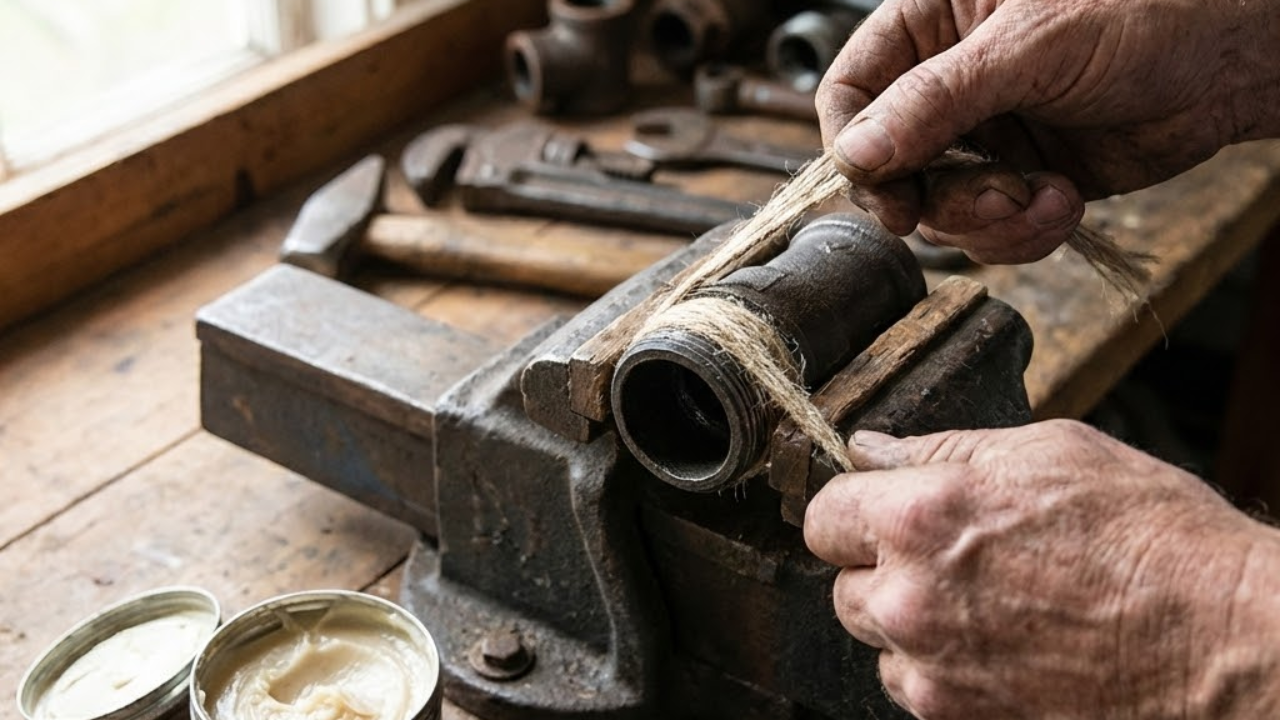
When you're sealing threaded iron pipework on a commercial heating system, you need a method that's proven, reliable, and won't let you down when the system hits operating temperature. Hemp and jointing paste has been the go-to solution for generations of heating engineers, and for good reason—it works.
This traditional sealing method isn't just about nostalgia. It's about creating a mechanical seal that can handle thermal expansion, vibration, and the punishing conditions inside pressurised heating systems. Whilst PTFE tape has its place on smaller domestic fittings, hemp with paste remains the professional standard for larger bore pipework, particularly on systems running at higher temperatures and pressures.
Heating and Plumbing World stocks the essential materials you need for proper thread sealing, from quality hemp fibre to specialist jointing compounds designed for different applications.
Why Hemp and Paste Still Matters
Walk onto any commercial boiler installation or district heating project, and you'll see experienced engineers reaching for hemp and paste when connecting cast iron radiators, large bore pipework, or any threaded joint that needs to last decades. There's a simple reason: it creates a compression seal that actually improves over time as the system heats and cools.
Unlike tape-based solutions that can degrade under sustained heat, hemp fibres embedded in jointing paste form a dense, resilient seal that moves with the pipe threads. When the system pressurises and the metal expands, the hemp compresses into every microscopic gap in the thread form. Get the application technique right, and you'll create a joint that won't weep, even on systems running at 80-90°C.
The method also gives you tactile feedback. You can feel when a joint is properly tightened—there's a distinct resistance as the hemp compresses. Contrast this with PTFE tape, where it's easy to overtighten and damage threads or undertighten and cause leaks.
Understanding the Components
The effectiveness of this sealing method comes down to two materials working together: the hemp fibre itself and the jointing compound that binds and lubricates it.
Hemp Fibre Characteristics
Quality hemp for plumbing applications is a natural fibre that's been processed to remove oils and impurities. It comes in loose hanks or pre-teased rolls, and the fibre length matters—you want strands long enough to wrap around the thread multiple times without breaking.
The fibre's structure is key. Hemp has a slightly rough texture that grips the thread valleys as you wind it on. When compressed, individual fibres interlock to create a dense mat that fills the spiral gaps between male and female threads. This isn't just stuffing material—it's creating a structured seal.
Natural hemp also has some elasticity, which allows the seal to accommodate minor movement without failing. On older systems where pipework might shift slightly as the building settles, this flexibility prevents joints from cracking or weeping.
Jointing Paste Types
The paste you choose depends on the application. Traditional boss white is a thick, non-setting compound based on china clay and oils. It never fully hardens, which makes joints easier to disassemble years later—critical for maintenance access on commercial systems.
For high-temperature applications, specialist pastes use different base compounds that remain stable above 100°C. These are essential for steam systems or pressurised hot water circuits where standard compounds would break down.
Some modern formulations include PTFE particles suspended in the paste, combining the mechanical seal of hemp with the chemical resistance of fluoropolymers. These variants suit systems handling treated water with corrosion inhibitors, where extra insurance against chemical attack proves valuable.
The paste serves three functions: it lubricates the threads during assembly (preventing galling on brass or bronze fittings), it fills microscopic voids the hemp can't reach, and it prevents the hemp from drying out over time.
Application Technique That Works
Here's where experience separates a joint that lasts from one that fails. The technique isn't complicated, but it requires attention to detail and a methodical approach.
Preparing the Threads
Start with clean, undamaged threads. Use a wire brush to remove any old hemp, paste residue, or corrosion from both male and female threads. Inspect the thread form carefully—if you can see damaged or stripped threads, don't try to seal them with hemp. You'll waste time and materials on a joint that will leak.
On new pipework, check for swarf or metal burrs inside the pipe bore. A quick pass with a reamer removes these, preventing them from contaminating the system later.
The Winding Process
Take a length of hemp roughly the diameter of the pipe you're working on. For 1-inch pipework, that's about pencil thickness; for 2-inch, it's more like your thumb. The exact amount comes with practice, but err on the side of slightly too much—you can always remove a strand or two.
Hold the male thread so you're looking at the end. You'll wind the hemp in the direction the fitting will tighten—clockwise when viewed from the end. This is critical. Wind it the wrong way, and the hemp bunches up or gets pushed off the threads as you tighten the joint.
Start two threads back from the end of the male thread. Lay the hemp into the thread valley at a slight angle, then begin wrapping it around the pipe, maintaining tension so it beds into the threads. Overlap each turn by about half the hemp's width, creating an even layer that covers the threads from that starting point to within one thread of the pipe shoulder.
The hemp should sit below the thread crests. If it's standing proud, you've used too much or haven't maintained enough tension whilst wrapping. When done correctly, you can still see the thread profile through the hemp layer.
Applying the Paste
Now work the jointing paste into the hemp using your fingers. Don't just smear it on top—really work it in so the paste penetrates through the hemp layer and fills the thread valleys. The hemp should look saturated, with paste visible throughout.
This step is what transforms loose fibres into a cohesive sealing material. The paste binds the hemp together and ensures there are no dry spots that could create leak paths.
Some engineers apply a thin layer of paste to the female threads as well, particularly on larger fittings. This helps the joint slide together smoothly and ensures complete coverage.
Assembly and Tightening
Offer up the female fitting and start threading it on by hand. You should feel smooth, even resistance—if it's binding or cross-threading, stop and check alignment. The hemp should compress as the fitting tightens, not bunch up or squeeze out excessively.
Hand-tighten until you feel firm resistance, then use a wrench for the final tightening. On heating pipework, you're typically looking at one to one-and-a-half turns past hand-tight, depending on pipe size. You want the fitting secure, but you're not trying to crush the threads.
A properly sealed joint will have a thin bead of paste squeezed out at the shoulder—that's your visual confirmation that the hemp has compressed fully and filled the thread space. Wipe away the excess paste with a rag.
When to Choose Hemp Over Alternatives
PTFE tape is faster to apply and perfectly adequate for small bore domestic pipework, particularly on chrome-plated fittings where you don't want paste residue visible. But it has limitations that make hemp the better choice in several scenarios.
Large Bore Pipework
On threads above 1 inch, hemp provides a more robust seal. The mechanical compression of the fibres creates a seal that can handle the higher forces and flow rates in large bore systems. Tape-sealed joints on 2-inch flow and return pipework have been known to weep during initial system pressurisation—the tape simply can't compress enough to fill the larger thread gaps completely.
High Temperature Applications
Standard PTFE tape begins to degrade above 260°C, but that's misleading—repeated thermal cycling at much lower temperatures can cause it to harden and lose its sealing properties. On heating systems that regularly reach 80-85°C, hemp with a quality jointing paste maintains its integrity indefinitely.
This becomes critical on systems with poor controls that occasionally spike above design temperature. The hemp seal accommodates these excursions without failing.
Cast Iron and Steel Fittings
The rough surface finish on cast iron threads benefits from the gap-filling properties of hemp and paste. PTFE tape can bridge small surface imperfections, but it doesn't fill them—hemp compresses into these voids, creating a more complete seal.
On older radiator tails and union connections, where thread tolerances might be less precise than modern fittings, hemp's ability to accommodate variation makes it more forgiving. Quality plumbing fittings from reputable manufacturers ensure better thread consistency, but hemp still provides superior sealing on cast components.
Vibration-Prone Installations
Pump connections, boiler flow and returns, and any pipework subject to vibration need a seal that can move without failing. The slight elasticity of hemp allows it to absorb these minor movements, whereas rigid tape can crack and create leak paths.
Think of it like the suspension on a vehicle—you need some give in the system to handle the bumps without transmitting all that force to rigid components.
Common Mistakes and How to Avoid Them
Even experienced engineers can get caught out if they rush the job or use poor technique. Here are the failures seen most often.
Winding Direction Errors
Wind hemp against the tightening direction, and it unravels as you assemble the joint. You'll feel excessive resistance, and when you back the fitting off to check, you'll find the hemp has bunched up or come off the threads entirely. Always wind clockwise when looking at the male thread end.
Insufficient Coverage
Leaving gaps in the hemp coverage—particularly near the pipe shoulder where the final thread engagement occurs—creates leak paths. The paste alone can't seal these areas under pressure. Ensure even, complete coverage from two threads back to one thread from the shoulder.
Over-Tightening
More isn't always better. Over-tightening can crush the hemp so completely that it loses its resilience, or worse, damage the threads themselves. On brass fittings particularly, excessive force can crack the fitting body. Tighten until you feel firm resistance and see paste squeeze-out, then stop.
Using Dried-Out Hemp
Hemp that's been sitting in a van for years loses its natural oils and becomes brittle. Fresh hemp has a slight sheen and flexibility—old hemp looks dull and breaks easily when you try to tease it out. Replace your stock annually if you're not using it regularly.
Wrong Paste for the Application
Using standard boss white on a steam system or high-temperature application will lead to seal failure as the paste breaks down. Match the paste specification to the system requirements—your supplier can advise on the right product for the job. Grundfos pump connections, for instance, may require specific paste formulations to maintain warranty compliance.
Practical Scenarios Where Hemp Excels
Picture this: you're connecting a new cast iron sectional radiator on a Victorian property's heating system upgrade. The radiator tails are 1¼-inch BSP, the threads have the slightly rough finish typical of cast components, and you know this system will be running at 75-80°C with occasional spikes higher when the old boiler overshoots.
This is hemp territory. You clean the threads thoroughly, wind on quality hemp with proper tension and direction, work in high-temperature paste until the fibres are saturated, and tighten the union to the radiator. The joint goes together smoothly, you see the telltale paste squeeze-out, and you know it's sealed properly. When the system fires up and pressurises, that joint won't give you a callback.
Contrast this with a scenario where someone used standard PTFE tape. The tape might seal initially, but after a few heating cycles, thermal expansion and the rough thread surface create microscopic gaps. You get the dreaded slow weep that only shows up when the system's hot—impossible to see during a cold pressure test.
Boiler Connections
Flow and return connections on commercial boilers see some of the harshest conditions in any heating system—high temperature, pressure cycling, and vibration from the burner and pump. Hemp and paste creates a seal that accommodates all these stresses.
Hemp on these connections, even when the boiler manufacturer's literature might suggest alternatives are acceptable, builds in resilience and reduces the likelihood of callbacks during the warranty period.
Radiator Valves and Unions
The connection between radiator tails and valves is another application where hemp's forgiving nature pays dividends. These joints need to seal reliably but also remain serviceable—you might need to remove a radiator for decorating or replace a failed valve years down the line.
Hemp with non-setting paste allows you to disassemble these joints without destroying the threads. The paste keeps the hemp from carbonising or bonding to the metal, so when you apply heat and unscrew the union, the threads come apart cleanly.
District Heating and Large Commercial Systems
On larger systems with 2-inch and above pipework, hemp becomes essential rather than optional. The thread engagement on these fittings is substantial, and you need a sealing method that can fill that volume effectively.
Danfoss isolation valves and other large bore components benefit from the robust seal hemp provides, particularly on systems that might not be commissioned immediately after installation. The paste prevents corrosion in the threads during the standing period.
Maintenance and Troubleshooting
Even properly made joints can develop issues over time, and knowing how to diagnose and rectify them is part of the professional skillset.
Identifying Hemp Seal Failures
A weeping joint will typically show staining or limescale deposits around the thread area. On heating systems, you might see rust staining on steel pipework or verdigris on copper or brass fittings. These visual cues tell you where to focus your attention.
Slow leaks are often temperature-dependent—they only appear when the system is hot and pressurised. If you're chasing an intermittent leak, check joints when the system is at operating temperature, not just during a cold pressure test.
Remaking Failed Joints
When you need to remake a joint, complete disassembly is essential. Don't try to add more hemp to a leaking joint—you'll just compound the problem. Unscrew the fitting completely, clean both male and female threads thoroughly, inspect for damage, and start fresh.
If the threads show signs of galling or damage, consider whether the fitting needs replacement. Trying to seal damaged threads, even with hemp, is false economy—you'll likely face another failure.
Preventive Considerations
On systems with aggressive water chemistry or where corrosion inhibitor hasn't been maintained, hemp seals can deteriorate faster than expected. The paste breaks down, and the hemp loses its integrity. This is one reason why proper system water treatment matters—it protects not just the metal components but the seals as well.
Regular system inspections should include checking visible joints for signs of weeping or staining. Catching a minor leak early prevents water damage and the more extensive repairs that come from ignoring small problems.
Comparing Modern Alternatives
Liquid thread sealants and pre-applied thread sealant tapes have gained ground in some applications, and they have their place. Liquid sealants are fast to apply and can seal minor thread imperfections, but they lack the gap-filling capability of hemp on larger threads or rough surfaces.
Pre-applied sealant—threads that come from the factory with a coating already applied—works well for mass production and assembly-line installation, but it's less common in the heating and plumbing sector where you're working with diverse components from multiple manufacturers.
The reality is that hemp and paste remains the most versatile, reliable method for the variety of situations you encounter on real projects. It works on everything from pristine new threads to slightly worn unions on older systems. It handles temperature extremes, accommodates vibration, and remains serviceable decades after installation.
For trade professionals who need one method they can rely on across different applications, hemp with appropriate jointing paste delivers consistent results.
Material Selection and Storage
Not all hemp is equal, and not all jointing pastes are suitable for every application. Knowing what to specify matters.
Hemp Quality Indicators
Quality plumbing hemp should be clean, free from excessive dust or short fibres, and have a consistent texture. Pre-teased hemp in dispensers can be convenient, but loose hemp in hanks gives you more control over the amount you use for each joint.
Store hemp in a dry environment. Moisture can cause the fibres to deteriorate and lose strength. A sealed container or bag keeps it in good condition between jobs.
Paste Selection Criteria
Match the paste to the system type. For standard heating systems up to 100°C, traditional boss white or similar non-setting compounds work well. For higher temperatures, specify pastes rated for those conditions—the manufacturer's technical data sheet will confirm the temperature range.
Some pastes are formulated for potable water applications and carry the relevant approvals. Don't use standard heating system paste on drinking water pipework—the additives may not be food-safe.
Honeywell controls and other control manufacturers often specify compatible sealants for their valve bodies and actuator connections—check the installation instructions to maintain warranty compliance.
Conclusion
Hemp and jointing paste represents proven technology that's stood the test of time because it works. Whilst newer sealing methods have their applications, the mechanical seal created by properly applied hemp remains the professional standard for threaded pipework in heating systems, particularly on larger bore connections and high-temperature applications.
The technique requires attention to detail—proper thread preparation, correct winding direction, adequate coverage, and appropriate paste selection all matter. But once mastered, it's a method you can rely on to create joints that seal reliably and remain serviceable throughout the system's lifespan.
For heating engineers working on commercial installations, district heating systems, or any project where reliability matters, hemp and paste should be in your toolkit. It's not about being old-fashioned—it's about using the right method for the job and having confidence that the joints you make today won't become callbacks tomorrow.
The materials are inexpensive, the technique is straightforward, and the results speak for themselves. When you're connecting circulators, cylinders, or any threaded component that needs to handle pressure and temperature, hemp with quality jointing paste gives you the robust, professional seal the job demands. Browse our extensive range of hemp, jointing paste, and professional sealing materials, or contact our technical team for guidance on selecting the right products for your specific application.
Master this traditional method, and you'll have a skill that serves you throughout your career, regardless of how materials and technologies evolve around it.