

Hospital and Healthcare Facility Heating Requirements
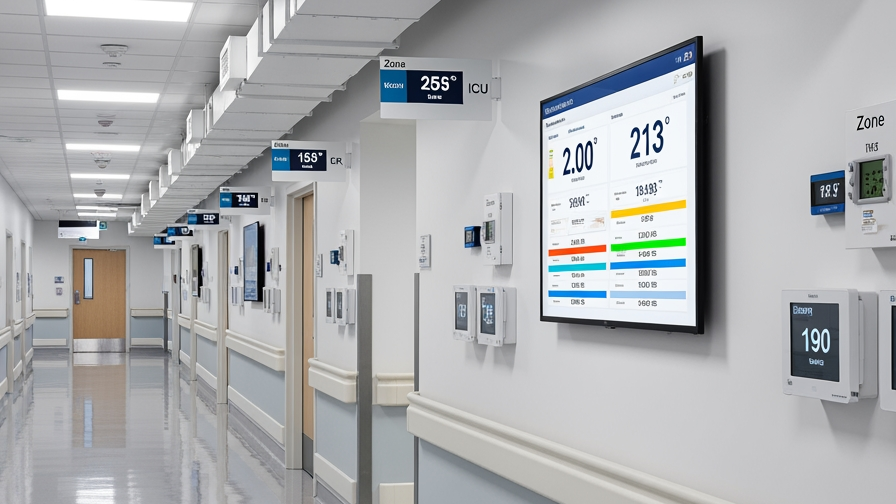
Healthcare facilities operate under heating demands that most commercial buildings never face. A surgical suite requires 20-24°C with precise humidity control. A neonatal unit needs 24-27°C to protect vulnerable infants. Drop the temperature in a recovery ward by just 2°C, and you measurably increase patient complications.
These aren't preferences; they're clinical requirements backed by infection control data and patient outcome studies. Hospital heating systems that serve these facilities must deliver consistent, zone-specific temperatures 24 hours a day, 365 days a year, with zero tolerance for failure.
Why Hospital Heating Systems Differ from Standard Commercial HVAC
Most commercial buildings accept temperature fluctuations of 3-4°C without consequence. Hospitals can't. Operating theatres maintain 18-21°C to reduce surgical site infections whilst keeping surgical teams comfortable during long procedures. Move 20 metres down the corridor to the premature baby unit, and you need 26°C minimum.
This creates three core challenges:
Zone precision: A typical 200-bed hospital requires 15-30 distinct heating zones, each with independent temperature control and monitoring. The system must maintain these zones simultaneously without cross-contamination of air supplies.
Redundancy requirements: When a heating system fails in an office building, staff wear jumpers. When it fails in a hospital, patients face genuine medical risk. Critical areas require backup heating systems that activate automatically within minutes of primary system failure.
Air quality integration: Hospital heating systems don't just warm air; they work within strict ventilation requirements that deliver 6-12 air changes per hour in patient rooms and up to 25 air changes per hour in operating theatres. The heating components must handle this constant air movement without creating cold spots or draughts.
Temperature Requirements by Clinical Area
Different hospital zones demand specific temperature ranges based on patient vulnerability and clinical procedures:
Operating theatres: 18-21°C during procedures, with capability to adjust based on surgical type. Cardiac surgery often requires cooler temperatures whilst paediatric surgery needs warmer conditions. The system must respond to adjustment requests within 15 minutes.
Neonatal intensive care: 24-27°C ambient temperature, with individual incubator controls adding another layer. The room heating system provides the baseline, preventing incubators from working against cold ambient air.
General wards: 20-22°C for adult patients, with individual room controls allowing ±2°C adjustment. Patient comfort matters, but the system must prevent adjustments that create energy waste or compromise adjacent zones.
Emergency departments: 21-23°C to accommodate both staff activity levels and patients who may arrive hypothermic from trauma or exposure.
Rehabilitation areas: 22-24°C to support patient mobility and therapy activities without causing overheating during physical exertion.
These requirements come from Australian Standards AS 1668.2 and healthcare-specific guidelines that treat temperature control as a clinical intervention, not just comfort.
Heating System Design for Healthcare Applications
Traditional forced-air heating systems dominate hospital design, but they require specific modifications for healthcare use:
Hydronic heating systems use hot water circulated through radiators or underfloor pipes. They provide even heat distribution without air movement, making them ideal for areas where airborne particle control matters. Modern hospitals often install hydronic heating components in recovery wards and long-term care units where patients spend extended periods.
Heat recovery ventilation captures warmth from exhaust air and transfers it to incoming fresh air. In hospitals that require massive air exchange rates, this technology cuts heating costs by 30-40% whilst maintaining temperature requirements. The heat exchangers need regular maintenance to prevent cross-contamination between air streams.
Radiant panel systems mounted in ceilings provide supplementary heating in areas where floor space is limited. They work well in corridors and waiting areas but can't serve as primary heating in clinical zones due to uneven heat distribution.
Boiler redundancy is non-negotiable. Most hospitals install N+1 boiler configurations; if the facility needs three boilers to meet peak demand, they install four. When one requires maintenance or fails, the others cover the load without temperature drops. Heating and Plumbing World stocks commercial-grade boilers from manufacturers like Andrews that meet healthcare facility specifications.
Critical Control Systems and Monitoring
Modern hospital heating relies on building management systems (BMS) that monitor and adjust temperatures across hundreds of zones simultaneously. These systems do more than maintain comfort; they create audit trails for compliance and flag problems before they affect patients.
Real-time monitoring tracks temperature in every zone with sensors that report readings every 60 seconds. When a reading drifts outside acceptable range, the BMS alerts maintenance staff via text message or pager, typically before occupants notice the change. Reliable control manufacturers like Honeywell and EPH Controls supply the sensors and automation equipment that healthcare facilities depend on.
Automated adjustments respond to external conditions. When outside temperature drops suddenly, the system increases heating output proactively rather than waiting for room temperatures to fall. This prevents the lag time that occurs with reactive systems.
Zone isolation allows maintenance staff to service heating components in one area without affecting others. A hospital can replace a heating system valve in the administrative wing whilst operating theatres maintain exact temperatures.
Historical data logging records temperature data for compliance audits and helps identify patterns. If a particular zone consistently runs cold at 3am, the data reveals whether the issue stems from programming, equipment capacity, or building envelope problems.
Maintenance Requirements for Hospital Heating Systems
Healthcare heating systems require more frequent and thorough maintenance than standard commercial systems. The consequences of failure justify the investment.
Quarterly inspections examine all accessible components; pumps, valves, heat exchangers, and control sensors. Technicians check for wear, corrosion, and calibration drift. They replace pump seals and gaskets before they fail, not after. High-efficiency circulator pumps from Grundfos provide the reliability and performance monitoring features that hospital applications demand.
Annual deep maintenance includes boiler servicing, combustion analysis, and pressure testing of the entire hydronic system. This work typically happens during low-demand periods but requires backup systems to remain operational.
Filter replacement occurs monthly in most healthcare HVAC systems. Clogged filters reduce airflow, forcing heating systems to work harder and creating temperature inconsistencies. The cost of filters is negligible compared to the energy waste from restricted airflow.
Calibration verification ensures temperature sensors report accurately. A sensor that drifts by 1°C can cause the BMS to underheat or overheat a zone whilst reporting compliant temperatures. Sensors are tested against calibrated references twice yearly.
Energy Efficiency Without Compromising Patient Care
Hospitals consume 2.5 times more energy per square metre than typical commercial buildings, with heating representing 30-40% of that total. Reducing energy use matters, but never at the expense of patient safety or comfort.
Variable speed pumps adjust flow rates based on actual demand rather than running at full capacity constantly. When fewer zones require heating, pumps slow down, cutting electrical consumption by 20-30% compared to fixed-speed designs.
Weather compensation adjusts system output based on outdoor temperature. The heating system runs less aggressively on mild days and ramps up during cold snaps, maintaining indoor temperatures with minimal energy waste.
Night setback limitations in hospitals differ from other buildings. You can't simply drop temperatures overnight; patient areas require consistent conditions 24/7. But administrative areas, storage rooms, and some staff zones can accept lower overnight temperatures, reducing overall heating load by 10-15%.
Insulation upgrades to building envelopes provide returns that justify capital investment. Adding insulation to a 1970s hospital wing can cut heating requirements by 25%, paying for itself through energy savings within 5-7 years.
Compliance and Regulatory Considerations
Healthcare facilities face regulatory oversight that extends to heating systems. State health departments conduct inspections that include temperature monitoring and system documentation. Healthcare heating regulations establish the baseline requirements that hospital heating systems must meet to maintain accreditation and patient safety standards.
Temperature logging must demonstrate continuous compliance. Most jurisdictions require hospitals to maintain temperature records for clinical areas, with data retention periods of 3-7 years. Gaps in the record trigger investigation even if no patient harm occurred.
Backup system testing happens quarterly in most facilities. Staff deliberately shut down primary heating to verify backup systems activate properly. These tests occur during mild weather when backup systems can maintain temperatures easily, proving they'll work when needed most.
Infection control protocols dictate how maintenance work occurs in clinical areas. Replacing a heating system component near patient areas requires isolation barriers, negative air pressure, and sometimes temporary patient relocation. The infection control team approves the work plan before maintenance begins.
Documentation requirements track every system modification, repair, and maintenance event. When a heating valve fails, the maintenance record must show what failed, why, what replaced it, and verification that the repair restored proper function.
Emerging Technologies in Healthcare Heating
New technologies address the unique demands of healthcare facilities whilst improving efficiency and reliability.
Condensing boilers extract additional heat from exhaust gases, achieving efficiency ratings above 95%. They cost more upfront than conventional boilers but deliver 15-20% energy savings that accumulate over 15-20 year service lives.
Magnetic filtration removes iron oxide particles from hydronic heating systems before they damage pumps and valves. These systems pay for themselves by extending component life and reducing maintenance frequency.
Predictive maintenance sensors monitor vibration, temperature, and pressure patterns to identify components approaching failure. Rather than waiting for a pump to seize, sensors detect bearing wear weeks in advance, allowing scheduled replacement during planned maintenance windows.
District heating connections in urban areas allow hospitals to receive heat from central plants rather than generating it onsite. This reduces capital costs, eliminates boiler room space requirements, and transfers maintenance responsibility to the district heating operator.
Conclusion
Hospital heating systems serve a clinical function that extends far beyond occupant comfort. They maintain the precise environmental conditions that reduce infection risk, support patient recovery, and enable complex medical procedures. The systems must deliver consistent performance year-round, with backup capacity that prevents any single component failure from affecting patient care.
Designing and maintaining these systems requires understanding both the engineering principles of heating technology and the clinical requirements of healthcare delivery. Temperature zones must be precisely controlled and continuously monitored. Equipment must be maintained proactively rather than reactively. And efficiency improvements must enhance performance without introducing risk.
The investment in robust hospital heating systems, both capital and ongoing maintenance, directly supports patient outcomes. When heating systems work invisibly in the background, clinical staff can focus entirely on patient care, confident that the environmental conditions support their work rather than complicating it. For technical specifications and equipment suitable for healthcare applications, contact us for expert guidance on meeting healthcare heating regulations.