

How AI-Driven Thermostats Learn Your Household Heating Habits
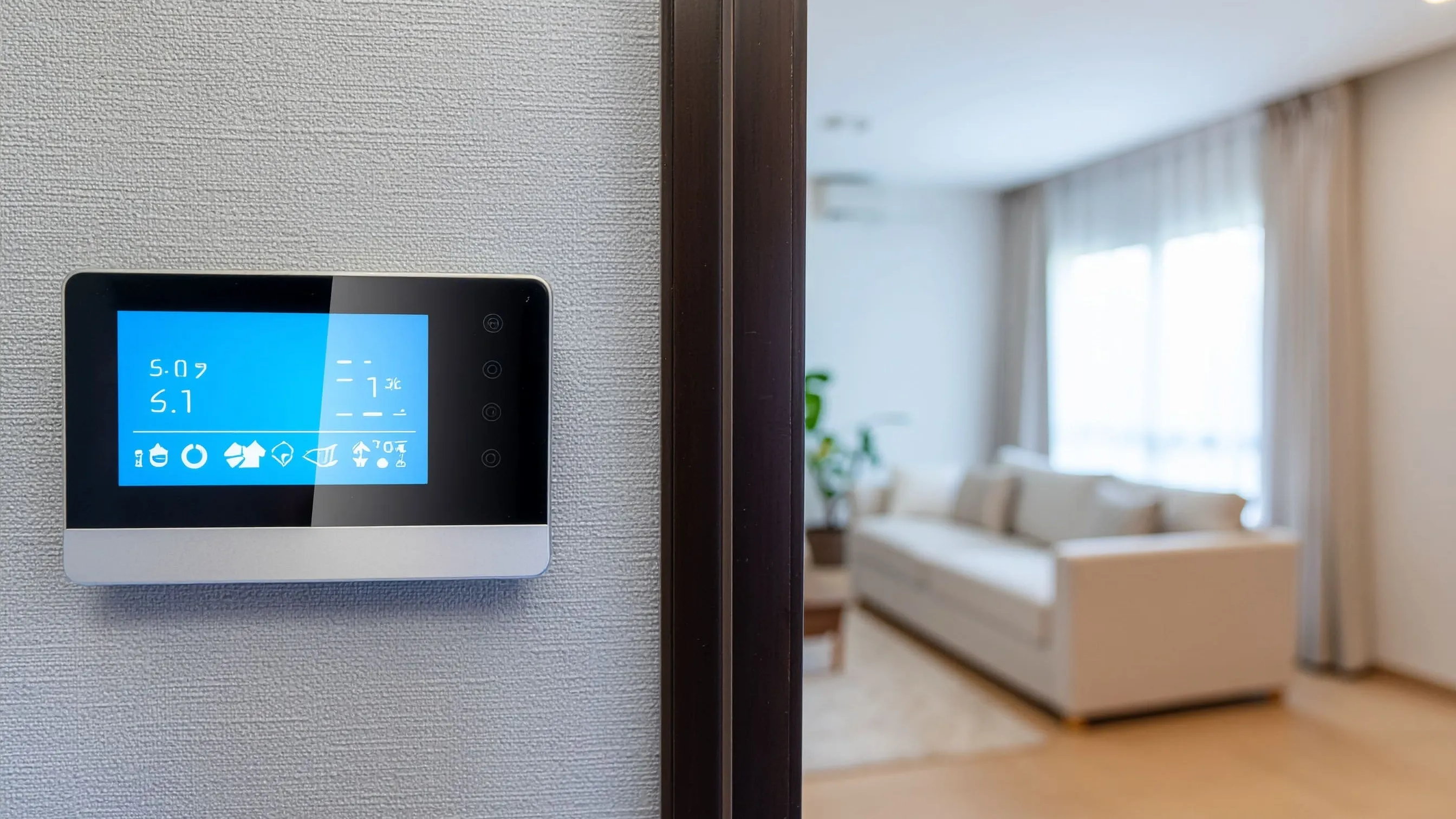
Basic heating controls have historically operated exactly like a simple light switch. When the room felt completely freezing, the unit simply clicked on, and when it felt boiling hot, it clicked off. Today, upgrading your property with ai-driven thermostats drastically changes this outdated, reactive approach. These highly intelligent devices do not just react to the current room climate; they actively predict exactly what will happen next.
By continuously analysing massive amounts of environmental data, modern setups completely eliminate wasted thermal energy. Instead of blindly guessing how long the boiler needs to run, you now have a highly precise, automated environmental control system. Maintaining this level of digital organisation ensures your initial hardware investment actually delivers the promised energy savings.
The Evolution of Temperature Regulation
Older mechanical thermostats relied on highly basic physical sensors to detect temperature drops. This clumsy technology always caused massive temperature swings, leaving the room far too hot before finally shutting down the gas supply. You constantly had to manually adjust the plastic dial just to maintain a vaguely comfortable environment. Modern ai-driven thermostats eliminate this frustrating cycle completely by processing live data continuously.
The team at Heating and Plumbing World supplies the premium digital hardware required to modernise these outdated physical setups. By upgrading the central brain of the property, you completely transform how the entire pipe network behaves. Highly accurate digital sensors detect temperature drops down to a fraction of a degree, allowing the system to react instantly. This proactive monitoring ensures the building remains perfectly comfortable without ever wasting expensive fuel.
Understanding Proportional Integral Derivative Logic
The true intelligence of a modern system lives entirely within its internal software logic. A standard setup simply waits for the temperature to drop and then fires the primary boiler at absolute maximum load. An intelligent digital thermostat uses a highly precise pid control algorithm instead to manage the demand smoothly.
Think of this predictive software exactly like driving a car towards a red light. You don't keep your foot planted on the accelerator until the very last second and then slam heavily on the brakes. You gently ease off the throttle to come to a perfectly smooth, controlled stop.
The pid control algorithm does exactly this with your boiler, smoothly reducing the heat output as the room naturally approaches the target temperature. This brilliant calculation actively prevents sudden temperature overshoots and vastly reduces the mechanical stress placed on internal boiler components.
Calculating the Building Envelope
Every single property retains heat differently based on its distinct physical construction. Heavy traditional stone walls hold heat for many hours, while modern timber frame extensions cool down incredibly fast. The digital system continuously runs a thermal mass calculation to understand these exact physical properties.
By closely monitoring how long the central heating radiators actually take to warm up the space, the unit perfectly learns the building's specific thermal footprint. To ensure this data collection is highly accurate, the system constantly evaluates these critical physical factors:
- The quality and thickness of the exterior cavity wall insulation.
- The physical size and orientation of the external glass windows.
- The amount of natural solar gain the room receives during the day.
This continuous thermal mass calculation ensures the boiler only fires for the exact minimum time required to maintain the desired comfort level. It is a highly organised approach to mapping the physical realities of the building.
Anticipating Your Daily Routine
Homeowners absolutely hate waking up to a freezing cold house in the middle of a harsh winter. Historically, you had to guess how early to set the mechanical timer to ensure the bathroom was warm by seven in the morning. Modern setups utilise brilliant optimal start technology to remove this frustrating guesswork entirely.
You simply tell the central room thermostat what exact time you want the house to be twenty degrees. The optimal start technology continuously checks the current indoor climate and pairs it with live outdoor weather compensation data.
It then mathematically calculates exactly when it needs to fire the boiler to hit that target temperature precisely on time. If it is a surprisingly mild autumn morning, it will delay the firing sequence, saving you a massive amount of unnecessary fuel.
Location-Based Efficiency Strategies
Fixed daily heating schedules are completely useless if the homeowner works erratic shifts or travels frequently. This is where geofencing temperature setback completely transforms modern energy management. The digital application securely tracks the physical location of the homeowner's smartphone via GPS.
On a recent job, a commuting nurse complained her heating was always completely out of sync with her rotating hospital shifts. I installed a modern system using geofencing temperature setback, which automatically dropped the heating the moment she drove away from the property.
When she crossed a five-mile radius on her way home, the radiator temperature control instantly triggered the boiler to begin the warm-up sequence. She never walked into a cold house again, and her monthly fuel bills dropped dramatically because she wasn't heating an empty building.
Managing Individual Room Profiles
True efficiency requires perfectly scaling this intelligence across every single room in the property. The central digital brain needs high quality local data to make the best possible routing decisions. Adding premium smart radiator valves gives the central unit a highly accurate, independent temperature reading for every individual space.
If the upstairs master bedroom is already perfectly warm, the ai-driven thermostats simply tell that specific local valve to close tightly. It then actively redirects the remaining thermal energy down to the colder living areas on the ground floor.
This highly targeted, exceptionally organised approach completely prevents the primary heat engine from overworking. You achieve total building comfort without constantly demanding maximum output from the main gas valve.
Integrating with Wider System Mechanics
Intelligent digital learning relies heavily on the physical plumbing actually doing its mechanical job correctly. If the physical pipework is completely unbalanced, the advanced digital logic will heavily struggle to calculate accurate heating times. Excellent heating controls can only compensate for poor mechanical plumbing up to a certain structural point.
The physical brass valves must open smoothly without seizing, and the central circulation pump must consistently deliver the correct flow rates. If the mechanical foundation is completely solid, the pid control algorithm can perfectly regulate the indoor climate without any frustrating error codes.
Always ensure your physical water quality is excellent so that magnetic sludge doesn't destroy the highly sensitive internal flow turbines.
Conclusion
Upgrading from a basic mechanical dial to a highly intelligent digital system is a massive leap forward for property management. The seamless integration of optimal start technology completely revolutionises daily comfort by eliminating cold mornings entirely. By continuously running a highly accurate thermal mass calculation, the system actively stops wasting expensive fuel on heating empty rooms.
The initial financial investment pays for itself incredibly fast through highly precise, targeted energy usage. If you encounter complex issues while configuring these advanced digital parameters, please contact our technical team for dedicated support. We possess the exact practical experience required to help you stabilise any challenging digital installation.