

How Smart Thermostats Save You Money on Heating
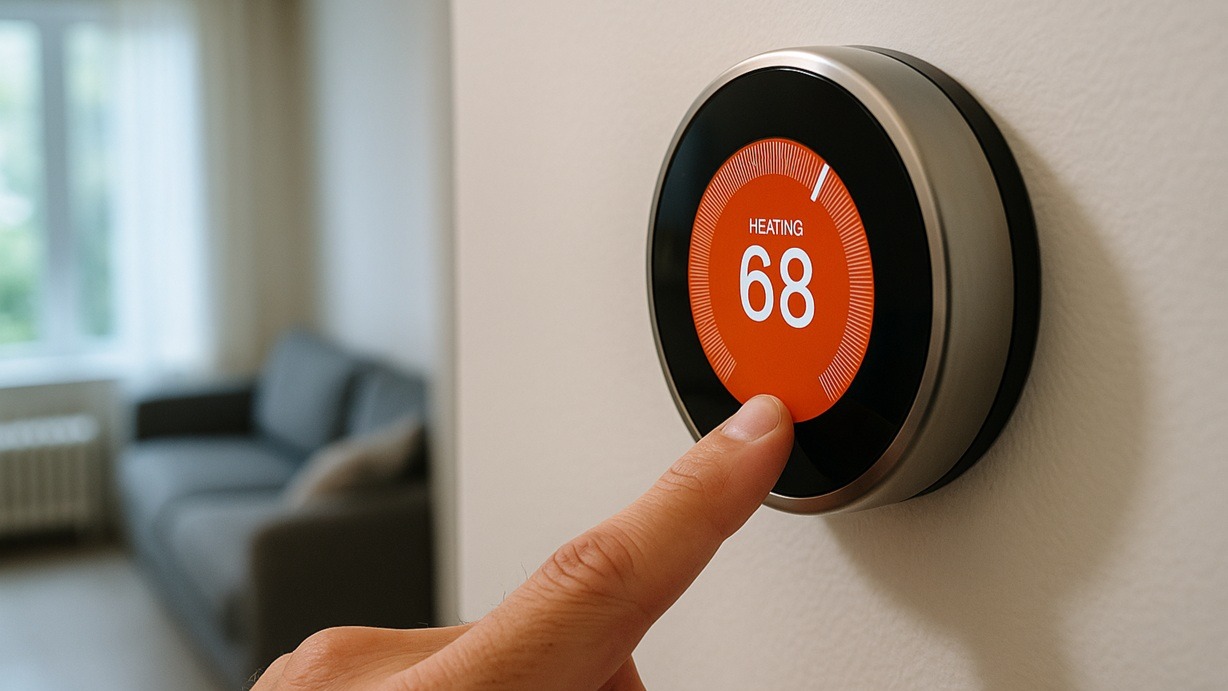
Tripping with a vague thermostat dial on a freezing morning or the sinking feeling when you realise you’ve been heating an empty house all day. Traditional heating controls are often the culprit behind high energy bills because they’re imprecise, inflexible, and frankly, inefficient without constant babysitting.
The good news is that controlling your heating can be simple, smart, and actually save you money. Smart thermostats aren't just fancy gadgets; they are genuinely clever bits of kit designed to overhaul how you heat your home. They provide warmth when you need it and cut back when you don’t. If you've wondered whether the investment truly leads to genuine smart thermostat savings, you're in the right place. These devices are a world away from a basic programmable heating thermostat.
Why Older Thermostats Waste Energy
Let's be honest about old thermostats. They're energy vampires. Their limitations are a direct cause of wasted fuel and higher bills.
That simple dial offers almost no accuracy. A setting of '3' doesn't mean 20°C; it just means the boiler runs until the room feels 'about right', which often leads to overheating and wasted energy. A basic programmable heating thermostat was a step up, but life doesn't stick to a rigid script. Unexpected trips out or working from home throws the schedule off, meaning you're either heating an empty space or constantly fiddling with the controls. This on-off cycling is less efficient than maintaining a steady, comfortable temperature. Every time you forget to turn it down, money is literally going up the chimney.
The Core Features of a Smart Thermostat
Unlike that old beige box on the wall, a smart thermostat connects to your home's Wi-Fi. This simple step unlocks a host of features that generate real smart thermostat savings.
- Remote Control: You can access and adjust your heating from anywhere with a smartphone app. Stuck in traffic? Push the heating back an hour. Coming home early? Get the house warmed up.
- Learning Capabilities: Some models actually learn your daily routines and temperature preferences, then build a heating schedule for you. Automatically.
- Geofencing: Your phone's location tells the thermostat when you've left the house and when you're on your way back, turning the heating down or on accordingly.
- Detailed Energy Reports: You can see exactly how much energy you're using and when, which helps you spot patterns and save even more.
- Smart Home Integration: You can control most with your voice using Amazon Alexa or Google Assistant.
Mechanism #1: Adaptive Scheduling
One of the cleverest features is the ability to learn and adapt to your lifestyle. Models from brands like Honeywell watch how you use the heating for the first week. They notice when you turn it up, when you go out, and build a schedule that fits your life, not the other way around.
This removes the guesswork and human error from the equation. Your heating is based on your actual patterns, not a schedule you programmed six months ago. The result is significant smart thermostat savings because you're only burning fuel when you actually need it.
Mechanism #2: Remote Control and Geofencing
This is where you get immediate, tangible control. The ability to manage your heating from a smartphone app is a game-changer for cutting waste. If an unexpected meeting keeps you out late, a quick tap on the app stops you from heating an empty house for hours.
Geofencing takes this a step further by putting it on autopilot. By linking to your phone, the system knows when the last person has left and turns the heating down to a frost-protection setting. As soon as it sees you're heading home, it fires up the boiler to get the house warm just in time for your arrival. It's a simple, effective way to stop paying for heat you don't need.
Mechanism #3: Zoned Heating Control
Why heat the entire house when you're only using the living room? Smart zoning fixes this classic waste of energy. It allows you to split your home into different areas that can be heated independently, usually with smart thermostatic radiator valves (TRVs).
You can set different schedules for individual rooms. Keep the lounge cosy in the evening, warm the bedrooms up just before bed, and leave the spare room on a low frost-protection setting. This granular control means you’re only sending heat where it's actually needed. Integrating smart TRVs from specialists like Danfoss is key here, but it assumes your core system, including radiators from brands like Myson, is in good shape.
Mechanism #4: Boiler Optimisation Features
This is the clever stuff that happens in the background to make your boiler run more efficiently, often in line with Boiler Plus regulations in the UK.
Optimum Start and Stop
Instead of just switching on at 6 pm, Optimum Start figures out how long your house takes to warm up and starts the boiler earlier, running it gently to hit your target temperature at the right time. Optimum Stop does the opposite. It knows how well your home retains heat and shuts the boiler off a bit early, letting the residual warmth do the work while saving fuel.
Load and Weather Compensation
These features tell the boiler how hard to work. Rather than firing at 100% and then switching off, load compensation allows the thermostat to modulate the boiler, running it at a lower, more efficient rate for longer. Weather compensation checks the local forecast; if it’s a mild day, it tells the boiler to use less energy. This fine-tuning saves fuel and reduces wear on key components like circulation pumps from manufacturers such as Grundfos.
A Real-World Scenario: Solving a Landlord's Problem
I was called out to consult for a landlord with a portfolio of rental properties who was frustrated with high tenant energy bills, leading to disputes. In one house, the tenants, a group of young professionals with erratic schedules, constantly overrode the basic programmable heating thermostat. They would either turn it up and forget about it, or turn it off completely and complain that the house was cold.
The solution was to install a smart thermostat with geofencing and accessible energy reports. The landlord could set a baseline schedule and maximum temperature, but the geofencing did the real work. It automatically turned the heating down when the last tenant left for work and fired it up when the first one was on their way home. The energy reports also ended the arguments, clearly showing when consumption was highest. The smart thermostat savings were immediate, and the landlord rolled them out across all their properties.
What Kind of Savings Can You Expect?
It's impossible to give one magic number, but independent studies and manufacturers often point to savings between 10% and 30% on heating bills when switching from basic controls. The Energy Saving Trust has also highlighted the potential for properly used smart controls to cut costs.
Your final savings will depend on how well-insulated your home is, the age of your boiler, and your family's routine. But the technology is proven to cut energy waste, making it a sound investment that pays for itself.
Installation and System Compatibility
A correct installation is vital. Before buying, you have to confirm the device works with your heating system, whether it’s a combi boiler, a system boiler with a hot water tank from Gledhill, or a heat pump. The full range of intelligent controls is available through Heating and Plumbing World. While a competent DIYer can often swap a simple thermostat, getting a professional in is always the safest bet for more complex systems. An engineer will ensure it's wired correctly and handle any adjustments to pipework using quality fittings.
The Smart Conclusion
Switching from an old thermostat to a smart one is one of the most practical upgrades you can make for your comfort and your wallet. These devices actively fight energy waste with intelligent scheduling, remote access, and boiler optimisation. The potential for real smart thermostat savings is huge, turning a dumb wall fixture into a smart partner in managing your home's energy.
If you have questions about choosing the right controls, please get in touch with our team.