

How to Avoid Common Mistakes in Bathroom Renovations
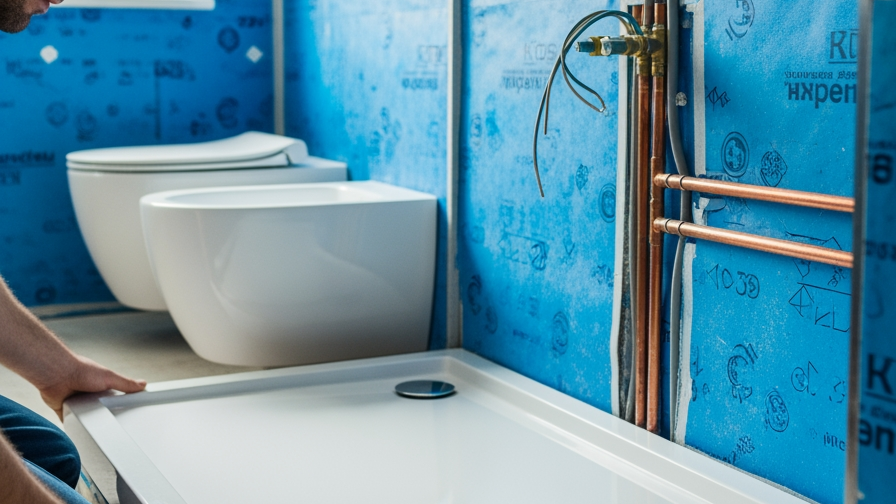
Bathroom renovations rank amongst the most challenging home improvement projects, with numerous opportunities for costly errors throughout the design, planning, and installation phases. Understanding common bathroom remodel errors before starting work helps homeowners avoid expensive corrections, project delays, and unsatisfactory outcomes that diminish both functionality and property value.
The complexity of bathroom projects stems from integrating multiple trades - plumbing, electrical, tiling, joinery - within tight spaces whilst meeting strict building regulations. Water damage risks, ventilation requirements, and specialist material specifications create additional layers of complexity compared to other room renovations. Even seemingly minor oversights during planning or installation can result in serious problems, including leaks, mould growth, or regulatory non-compliance requiring remedial work.
This comprehensive guide identifies the most frequent bathroom renovation pitfalls and provides practical strategies to avoid bathroom renovation errors throughout every project phase. From initial planning through final installation, understanding these common mistakes enables homeowners to achieve professional results while controlling costs and timelines effectively.
Planning and Design Errors
Inadequate Budget Planning
Underestimating renovation costs represents one of the most common bathroom remodel errors affecting projects nationwide. Homeowners frequently budget for visible elements like tiles and sanitaryware whilst overlooking hidden costs including upgraded plumbing, electrical rewiring, structural repairs, and professional labour. Setting realistic budgets requires a comprehensive cost assessment covering all materials, trades, and potential complications revealed during demolition.
Contingency funds prove essential for bathroom projects, given the high likelihood of discovering unexpected issues behind walls or under floors. Rotten floorboards, outdated pipework requiring replacement, or inadequate electrical supplies add unplanned expenses to initial budgets. Financial experts recommend allocating 15-20% contingency funds for bathroom renovations to accommodate unforeseen complications without derailing projects.
Material quality significantly impacts both initial costs and long-term satisfaction. Selecting budget fixtures and fittings may reduce upfront expenses but often leads to premature failures, water damage, and expensive replacements within a few years. Investing in quality components from reputable suppliers like Heating and Plumbing World ensures reliable performance and reduces lifetime costs through durability and proper warranties.
Poor Space Planning and Layout Decisions
Failing to optimise bathroom layouts according to building regulations and practical usage patterns creates functional problems lasting the property's lifetime. Minimum clearance requirements exist for toilets, basins, and shower enclosures - ignoring these standards results in cramped, uncomfortable spaces that feel smaller than necessary. Professional designers understand spatial requirements, ensuring comfortable movement whilst maximising storage and functionality.
Storage planning deserves careful attention during design phases rather than afterthought consideration once installation is complete. Inadequate storage forces toiletries, towels, and cleaning supplies into visible clutter, diminishing the renovation's aesthetic impact. Built-in storage solutions, including recessed cabinets, vanity units, and shower niches, provide organised spaces without sacrificing floor area in smaller bathrooms.
Traffic flow considerations affect daily bathroom usage comfort significantly. Door swing directions, towel rail positioning, and fixture placement should facilitate smooth movement patterns, preventing awkward reaches or collision risks. Visualising typical usage scenarios helps identify potential layout problems before committing to fixed installations.
Ventilation System Inadequacy
Inadequate ventilation constitutes a critical error leading to persistent moisture problems, mould growth, and structural damage requiring expensive remediation. Building regulations mandate mechanical ventilation in bathrooms without openable windows, with minimum extraction rates specified based on room volume. Undersized extractor fans fail to remove moisture effectively, creating conditions for mould proliferation and surface degradation.
Extractor fan positioning affects performance significantly - locating fans away from shower areas or opposite fresh air sources reduces extraction efficiency. Best practice positions fans centrally or directly above moisture sources, operating continuously during occupancy plus overrun periods, ensuring complete moisture removal. Quality fans with humidity sensors automate operation, preventing homeowner reliance on manual switching.
Duct installation quality impacts the ventilation system's effectiveness substantially. Flexible ducting with multiple bends restricts airflow, whilst inadequate duct insulation causes condensation formation within ductwork itself. Rigid ducting with smooth internal surfaces and minimal direction changes optimises airflow, with external venting preferred over internal recirculation systems wherever structurally feasible.
Plumbing and Heating Mistakes
Water Pressure and System Capacity Issues
Insufficient water pressure represents a common bathroom remodel error, causing poor shower performance and disappointing functionality despite significant investment. Existing pressure levels must be assessed before specifying fixtures - power showers and body jets require minimum pressure thresholds for satisfactory operation. Properties with low mains pressure may require pump installation to achieve desired flow rates.
Combination boilers supplying hot water face particular capacity constraints when multiple bathroom outlets operate simultaneously. Undersized boilers struggle to maintain temperature and flow when showers, taps, and washing machines demand hot water concurrently. Assessing total hot water demand against boiler capacity prevents performance disappointments, with system upgrades sometimes necessary for multi-bathroom properties.
Cold water storage capacity affects shower performance in properties using conventional heating systems with hot water cylinders. Adequate water tanks ensure a consistent supply during peak usage periods, preventing pressure drops mid-shower when other household members use water simultaneously.
Heating System Integration Problems
Undersized heating solutions leave bathrooms uncomfortably cold despite otherwise successful renovations. Radiator or heated towel rail sizing calculations must account for room volume, insulation levels, desired temperature, and heat loss through external walls and windows. Insufficient heating output creates draughty, unwelcoming spaces, discouraging bathroom usage during colder months.
Heating system integration with existing central heating requires professional assessment, ensuring adequate flow rates and return temperatures throughout extended pipework. Adding bathroom radiators to heating circuits affects system balanc,e potentially reducing performance in existing rooms. System components, including expansion vessels and pressure relief valves, must accommodate increased water volume from additional radiators.
Underfloor heating popularity continues growing for bathroom applications, providing comfortable, space-efficient warmth without wall-mounted radiators consuming valuable space. However, retrofitting underfloor heating into existing properties requires floor-level adjustments affecting door clearances, toilet heights, and transitions to adjacent rooms. Planning these level changes during design phases prevents awkward thresholds or compromised fixture installations.
Pipework Routing and Access Considerations
Poor pipework routing decisions create maintenance headaches and limit future modification flexibility. Concealing pipes within walls and floors without adequate access points complicates repairs when leaks or blockages occur. Strategic access panel positioning allows plumbers to reach isolation valves, flexible connectors, and potential failure points without destructive investigations or damaging finished surfaces.
Pipework materials significantly affect long-term reliability and compliance with current regulations. Copper pipework remains the professional standard for reliability and longevity, whilst push-fit plastic systems suit DIY installations but require careful installation, preventing joint failures. All pipework should incorporate isolation valves allowing individual fixture servicing without shutting down the entire household water supply.
Water hammer - banging noises when taps close rapidly - indicates inadequate pipework support or missing shock arrestors. This phenomenon causes premature fitting failures and disturbing noise pollution throughout properties. Proper pipe clipping intervals and shock arrestor installation, where required, prevent water hammer problems affecting bathroom and wider household comfort.
Material Selection Errors
Choosing Inappropriate Materials for Wet Environments
Selecting materials unsuitable for high-moisture environments represents a fundamental error undermining renovation longevity regardless of installation quality. Standard plasterboard absorbs moisture, causing degradation, mould growth, and surface failures - moisture-resistant or cement-based boarding provides essential water resistance for bathroom applications. Similarly, inappropriate paint formulations lacking anti-fungal properties encourage mould growth on ceilings and walls.
Flooring material selection demands careful consideration, balancing aesthetics, slip resistance, and water resistance. Laminate flooring, despite moisture-resistant marketing claims, frequently fails in bathrooms where standing water contact causes edge swelling and surface delamination. Porcelain or ceramic tiles, vinyl, or specialist waterproof laminate systems provide reliable bathroom flooring solutions, withstanding moisture exposure.
Wooden elements, including vanity units and door frames, require proper sealing and moisture-resistant treatments to prevent warping, rot, and finish degradation. Solid wood, whilst aesthetically appealing, demands regular maintenance and proper ventilation, preventing moisture absorption. Engineered alternatives with water-resistant coatings offer wood aesthetics with improved dimensional stability in humid bathroom environments.
Tile Selection and Installation Errors
Tile choices significantly impact both bathroom safety and aesthetic outcomes. Large-format tiles create contemporary appearances with minimal grout lines but challenge DIY installers and require perfectly flat substrates, preventing lippage between adjacent tiles. Slip-resistant tiles prove essential for shower floors and bath surrounds where water accumulation creates hazardous conditions - testing slip resistance ratings before purchase prevents dangerous installations.
Grout selection affects both appearance and maintenance requirements substantially. Standard cement grouts absorb moisture and stain easily, requiring regular cleaning and periodic resealing to maintain appearance. Epoxy grouts, whilst more expensive during installation, provide superior water resistance, stain resistance, and longevity, particularly for shower enclosures and high-use areas.
Tile pattern planning prevents awkward cuts and maintains visual balance across walls and floors. Starting layouts from focal points like shower enclosures or vanity units ensures symmetry where visible, relegating narrow cuts to less prominent locations. Proper tile spacing using appropriate spacers maintains consistent grout line widths critical for professional appearances.
Fixture and Fitting Quality Compromises
Budget fixture selections often prove false economies when premature failures necessitate replacement within a few years. Cheap taps suffer cartridge failures, causing drips, poor temperature control, and eventually complete failure requiring replacement. Quality fixtures from established manufacturers include warranties, spare parts availability, and proven reliability, justifying higher initial investments.
Shower valves represent critical components where quality significantly affects both performance and safety. Thermostatic mixing valves maintain consistent temperatures, preventing scalding risks, particularly important for households with children or elderly occupants. Bar mixer showers and basic manual valves lack these protections while offering lower purchase prices, but compromised user safety.
Sanitaryware quality affects both durability and cleaning maintenance requirements. Budget toilets and basins often feature rough glaze finishes, encouraging staining and bacterial accumulation, requiring aggressive cleaning. Premium sanitaryware incorporates smooth, non-porous glazes resisting staining and facilitating easy cleaning, maintaining hygiene with minimal effort.
Installation and Workmanship Issues
DIY Overreach and Professional Skill Requirements
Attempting complex bathroom installations without appropriate skills or qualifications ranks amongst the most costly common bathroom remodel errors. Plumbing and electrical work in bathrooms must comply with building regulations, with certain tasks legally requiring certified professionals. DIY plumbing mistakes cause water damage affecting rooms below, whilst electrical errors create potentially fatal shock risks in wet environments.
Gas Safe registered engineers must perform all gas appliance installations, including combination boilers supplying bathroom hot water. Similarly, qualified electricians should handle all bathroom electrical wor,k given strict zone requirements governing equipment positioning and specifications. Building Control notification often proves necessary for bathroom projects, requiring professional certifications demonstrating compliance with current regulations.
Tiling, whilst appearing straightforward, demands significant skill to achieve professional results, particularly for large-format tiles or intricate patterns. Poor substrate preparation, incorrect adhesive selection, and inadequate waterproofing beneath tiles create failures requiring complete removal and reinstallation. Professional tilers complete projects faster with superior outcomes, justifying their fees through time savings and quality assurance.
Waterproofing and Tanking Failures
Inadequate waterproofing constitutes the most serious installation error, causing extensive water damage to structural elements, adjacent rooms, and properties below in flats or maisonettes. Shower areas require comprehensive tanking system,s preventing water penetration through walls and floors regardless of tile installation quality. Waterproof membranes applied to prepared substrates before tiling provide essential moisture barriers protecting structural elements.
Shower tray installation demands meticulous attention, preventing water escape around edges or through waste connections. Flexible sealants between trays and walls must remain intact throughout the installation's lifetime, requiring periodic inspection and renewal to maintain water-tight integrity. Poorly installed shower trays cause ceiling damage to rooms below and expensive remedial work involving complete shower removal.
Bath sealing around edges prevents water from running down external bath panels into floor voids, where detection proves difficult until significant damage occurs. Silicone sealant application requires clean, dry surfaces and proper curing times before water exposure. Regular sealant inspection and renewal every few years prevents deterioration, allowing moisture penetration behind sanitaryware.
Regulatory and Compliance Mistakes
Building Regulations and Notification Requirements
Failing to notify Building Control before commencing bathroom renovations represents a serious compliance error affecting property sales and insurance validity. Building regulations govern multiple bathroom aspects, including ventilation rates, electrical installations, structural alterations, and drainage modifications. Local authority inspection ensures compliance with current standards protecting occupant safety and property values.
Specific notification requirements vary depending on work scope - installing new bathrooms or moving sanitaryware typically requires notification, whilst like-for-like replacements may fall under permitted development. Clarifying requirements with Building Control before starting prevents retrospective complications and potential enforcement action requiring remedial work to achieve compliance.
Completion certificates issued following successful inspections prove essential when selling properties. Buyers' solicitors routinely request building regulation certificates for recent renovations, with absent documentation raising concerns affecting sale completion or property valuations. Retrospective certification applications prove expensive and sometimes impossible if non-compliant work requires correction.
Electrical Safety Zone Compliance
Bathroom electrical installations face stringent safety requirements reflecting shock risks in wet environments. Equipment positioning must comply with zone classifications governing minimum distances from baths, showers, and basins. Zone 0 (inside baths/showers) prohibits all electrical equipment except specialist low-voltage items. Zones 1-2 permit specific equipment meeting appropriate IP (Ingress Protection) ratings, preventing moisture ingress.
Light fittings, extractor fans, and shaver sockets must achieve minimum IP ratings appropriate for their zone locations. IP44-rated equipment suitable for Zone 2 (areas within 60cm of water sources) protects against water splashes, whilst higher ratings provide greater protection for more exposed positions. Incorrect equipment specifications create serious safety hazards requiring immediate rectification.
All bathroom circuits require RCD (Residual Current Device) protection, disconnecting power within milliseconds if earth faults occur. This safety feature proves potentially lifesaving in bathrooms where water contact dramatically increases electrocution risks. Only qualified electricians should perform bathroom electrical wor,k ensuring compliance with current wiring regulations and zone requirements.
Timeline and Project Management Errors
Unrealistic Scheduling and Trade Coordination
Underestimating project timelines to avoid bathroom renovation errors relating to scheduling ranks amongst the most frustrating planning failures. Bathroom renovations typically require 2-3 weeks for complete refurbishment, including structural work, though simple cosmetic updates can be completed faster. Attempting to compress realistic timelines creates pressure, leading to rushed work, errors, and unsatisfactory outcomes requiring subsequent correction.
Trade coordination significantly affects project efficiency and timeline adherence. Plumbers, electricians, tilers, plasterers, and joiners must work in logical sequences with appropriate gaps allowing installations to cure or set before subsequent trades commence. Poor coordination results in trades waiting for prerequisites to be completed, extended timelines, and increased costs from multiple site visits.
Material delivery scheduling requires careful planning, ensuring availability when needed without premature delivery, causing storage problems or site clutter. Lead times for special-order tiles, sanitaryware, or bespoke vanity units extend to several weeks - ordering these items early prevents installation delays, whilst standard components can be sourced closer to requirement dates.
Contractor Selection and Management
Selecting contractors based solely onthe lowest quotations frequently results in substandard workmanship, project delays, and disputes requiring expensive remediation. Reputable contractors provide detailed quotations specifying materials, labour, timelines, and payment schedules with appropriate insurance and qualification documentation. Reference checking with previous clients reveals reliability, communication quality, and workmanship standards.
Written contracts protect both homeowners and contractors by clearly defining scope, specifications, payment terms, and completion timelines. Verbal agreements lack enforceability, creating dispute resolution difficulties when problems arise. Comprehensive contracts include provisions for variations, payment schedules tied to completion milestones, and procedures for addressing unsatisfactory work.
Maintaining clear communication throughout renovations prevents misunderstandings that affect outcomes. Regular progress meetings allow homeowners to raise concerns early when corrections prove simpler and less expensive than retrospective modifications. Contractors appreciate clear decision-making and timely responses to queries, preventing delays, whilst homeowners benefit from transparency regarding progress and any emerging complications.
Conclusion
Successfully avoiding common bathroom renovation pitfalls requires comprehensive planning, realistic budgeting, appropriate material selection, and qualified professional engagement for specialist tasks. Understanding typical mistakes enables homeowners to implement prevention strategies throughout design, planning, and installation phases, achieving professional results within controlled budgets and timelines.
The most critical strategies include adequate contingency budgeting, accommodating unexpected complications, proper ventilation system specification, preventing moisture damage, realistic assessment of DIY capabilities versus professional requirements, and strict compliance with building regulations, protecting safety and property values. Quality material selection and appropriate fixture specifications ensure long-term reliability, justifying initial investments through reduced maintenance costs and enhanced durability.
Professional guidance from experienced suppliers and qualified tradespeople proves invaluable throughout bathroom renovation projects. Expert advice regarding system capacities, material suitability, and regulatory compliance prevents costly errors whilst ensuring installations meet current standards for safety, efficiency, and longevity.
For expert guidance on bathroom heating and plumbing components, quality fixtures, and professional advice for renovation projects, contact us to discuss specific requirements and access comprehensive product ranges supporting successful bathroom transformations.