

How to Choose Low-Flow Aerators for Commercial Kitchen Taps
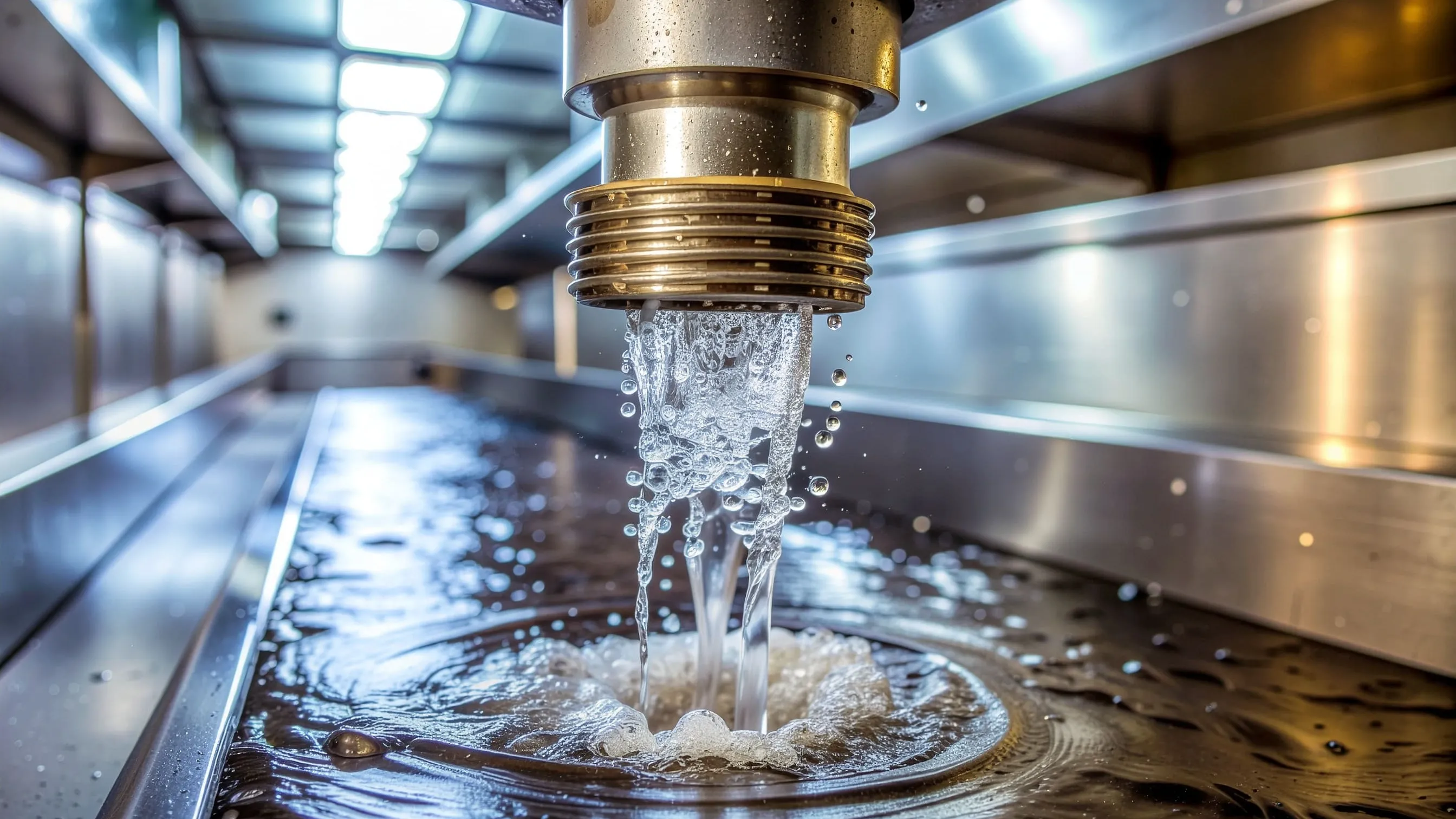
Commercial kitchens chew through water at an absolutely alarming rate. Upgrading your existing fixtures with low-flow tap aerators is the quickest way to cut utility costs on a site. You don't need to tear out the existing plumbing infrastructure to see an immediate financial return. Reliable restrictor valves and robust hardware make an enormous difference to your daily operational overheads.
Staff need robust water pressure for food prep, continuous rinsing, and heavy washdown tasks. However, standard commercial kitchen taps often waste up to fifteen litres of costly hot water every single minute. That's a massive drain on your boiler system and your operational budget. By retrofitting the correct restrictive devices, you can slash that consumption by more than half without sacrificing washing power.
Understanding Flow Dynamics in Busy Kitchens
Think of an aerator like the adjustable nozzle on a heavy-duty garden hose. Without the nozzle attached, water just pours out in a heavy, uncontrolled splash that lacks any real cleaning force. With the nozzle attached, the flow is compressed and directed. It gives you significantly more washing power while actually using much less water volume.
This targeted compression changes how water behaves as it hits plates and utensils. When you install low-flow tap aerators, the water droplets accelerate through the internal mesh screen. This creates a forceful spray that strips food grease away rapidly. It speeds up the dishwashing process while simultaneously lowering the load on your hot water system.
The Role of a Laminar Flow Restrictor
You've got to understand the distinct difference between standard aeration and solid stream restriction. Basic aerators mix surrounding air into the water stream to bulk it out and make it feel softer. However, busy catering environments often require a laminar flow restrictor instead. This specific device restricts the overall volume but produces a crystal-clear, non-splashing stream of water.
In a hygiene-critical environment, preventing splashes is a top priority. If a chef rinses raw chicken under an aerated spray, the splashing can aerosolise bacteria across the prep station. A laminar flow restrictor prevents this dangerous cross-contamination by keeping the water stream entirely contained. It's the absolute best choice for clinical handwash basins and raw food preparation sinks.
Measuring Your Aerator Thread Size
Measuring your existing fixtures correctly is your very first practical step. Identifying the exact aerator thread size prevents frustrating leaks and damaged spouts during the installation process. You first need to determine if your spout has threads on the inside or the outside. If the threads are on the outside, you need a brass housing component with female internal threads.
Most commercial fixtures use standard metric measurements, typically M22 for female or M24 for male connections. You can easily measure the diameter of the spout with a set of digital callipers to find the right match. When upgrading the wider sink area, using reliable push fit connectors on the supply lines makes routine maintenance much easier. Never force a threaded fitting if it feels tight, as you'll strip the brass.
Material Quality and Durability
Kitchen environments are absolutely brutal on everyday plumbing hardware. Using a heavy-duty brass housing component is the only acceptable standard for true commercial longevity. The casing needs to withstand constant knocks from heavy pots, thermal shock, and aggressive chemical cleaners. Heating and Plumbing World supplies robust brass fittings that handle industrial dishwashing temperatures without warping or fracturing.
On a massive restaurant refit in London, a contractor tried saving a few pounds by fitting cheap plastic aerators on the pre-rinse sinks. Within two weeks, the boiling water cracked the casings open. Scalding water sprayed across the busy prep stations during a Friday dinner rush. We had to shut down the service lines and replace every single unit with solid brass.
Managing Backpressure and System Shock
While restrictive outlets reduce water volume, they do not reduce the static pressure waiting inside your pipework. When a busy kitchen porter slams a fast-acting ceramic disc tap shut, that sudden halt creates a destructive kinetic shockwave. This water hammer travels back through the system and heavily strains your pipe joints. It's a common issue when combining high-pressure mains with restrictive outlets.
To mitigate this risk, you must ensure your system has proper pressure relief mechanisms in place. Having a correctly sized expansion vessel fitting on your hot water network is absolutely critical. It acts as a shock absorber, taking the brunt of the pressure spike when commercial kitchen taps are closed quickly. This protects your expensive commercial hardware from blowing their internal seals.
Calculating Water Flow Capacity
A poorly chosen restrictor will completely ruin staff efficiency and cause massive frustration. You've got to carefully calculate the exact water flow capacity required for each specific sink station. A dedicated handwash basin needs far less flow than a heavy-duty pot-washing sink. You can comfortably restrict a hand basin down to three litres per minute.
However, a pre-rinse spray arm needs at least six to eight litres per minute to effectively clear heavy grease. If your hot water tank struggles to keep up during peak service, heavily restricting the hand basins is a smart move. It actively preserves your valuable hot water supply for the primary dishwashing equipment.
Integrating with Wider Plumbing Networks
Modernising a commercial wash space requires looking closely at the entire plumbing network. Sometimes, restricting flow at the taps means older, oversized boilers might short-cycle. Sourcing the right danfoss heating components ensures your heating plant operates efficiently alongside these newly reduced flow rates. Everything in a commercial plant room is highly connected.
If you're undertaking a complete kitchen strip-out, evaluate your main supply routes. Replacing old, scaled-up copper lines with modern plastic pipe systems helps maintain consistent water quality straight to the tap. Always verify that every single component you install carries full WRAS approval. This is a strict legal requirement for any commercial fitting connected to the UK mains water supply.
Conclusion
Fitting low-flow tap aerators is a highly logical and highly profitable upgrade for any commercial property. It immediately lowers your energy bills, conserves vital water resources, and maintains operational efficiency during peak service times. You just need to ensure you measure the aerator thread size correctly and insist on heavy-duty construction. Taking shortcuts with cheap plastic components will only lead to costly emergency callouts.
Always evaluate your system pressure before adding heavy restrictions to older commercial kitchen taps. If you run into technical issues with your installation, don't try to guess the solution. Reach out and get expert advice to ensure your setup remains fully compliant and highly efficient.