

How to Clean and Maintain Gas Fires
Complete Guide to Home Heating Fires
Gas fires are a popular choice for many UK homes, offering both efficient heating and a cosy ambience with the flicker of a real flame. Regular cleaning and maintenance are essential to keep your gas fire operating safely and at peak performance. This guide will walk you through everything you need, from why upkeep is essential to step-by-step cleaning procedures, maintenance tips, and safety precautions. Whether you’re a first-time gas fire owner or looking to refresh your routine, these practical insights will help you maintain gas fires in top condition and enjoy reliable, long-lasting warmth in your home.
Why Cleaning and Maintenance Matter
A well-maintained gas fire provides consistent heating and minimises risks such as gas leaks, carbon monoxide buildup, and inefficient combustion. Regular cleaning helps remove dust, soot, and debris that can affect performance, while routine care ensures that all components, from burners to gas valves, function correctly. Establishing a regular maintenance routine is key if you want to maintain gas fires effectively.
Key Benefits of Regular Upkeep
- Safety First:
Keeping your unit in top condition reduces the chances of dangerous blockages and potential gas leaks. A clean fire also ensures proper ventilation, which helps safely expel any harmful emissions. - Efficient Heating:
Cleaning gas fires regularly creates optimal combustion conditions, leading to better heat output and lower energy bills. - Longevity:
Routine maintenance prevents premature wear and tear on your gas fire’s components, extending its lifespan and protecting your investment. - Aesthetic Appeal:
A well-kept gas fire performs better and continues to look attractive, serving as a warm focal point in your living space.
Tools and Materials You’ll Need
Before you begin, gather the necessary tools and materials for an efficient cleaning. Here’s a quick checklist:
- Soft, lint-free cloths or microfiber towels
- Vacuum cleaner with a brush attachment
- Soft brushes (a chimney brush if needed)
- Mild cleaning detergent (avoid harsh chemicals)
- Screwdrivers (for accessing specific components)
- Protective gloves and eyewear
- A bucket of warm water
- Compressed air (optional for tight spaces)
These items will help you clean gas fires effectively and ensure you don’t miss any crucial steps.
Step-by-Step Cleaning Process
1. Preparation and Safety First
Before you start, ensure your gas fire is completely switched off. If your model has a pilot light, extinguish it and disconnect the unit from the power source to avoid any risk of electrical shock or accidental ignition during cleaning.
- Ventilate the Area:
Open windows or doors near the gas fire to allow fresh air to circulate, especially if you’re using cleaning solutions or if there’s any residual gas odour. - Wear Protective Gear:
Gloves and eyewear will protect your hands and eyes from dust and cleaning agents.
2. Cleaning the External Surfaces
Begin with the exterior of your gas fire:
- Dust and Wipe Down:
Use a soft cloth to remove loose dust and debris from the casing and control panels. A vacuum with a brush attachment can help remove dust from crevices and around the flame guards. - Clean the Glass Doors:
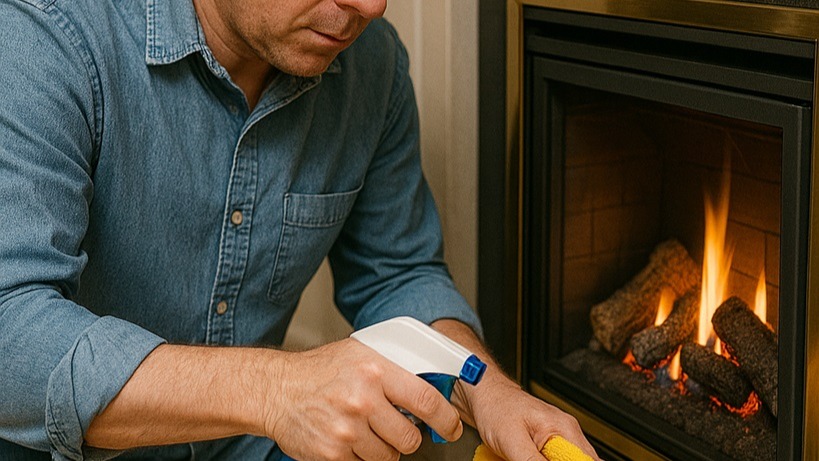
Clean your gas fire with glass doors with a mild detergent mixed with warm water. Avoid abrasive cleaners that could scratch the surface. This step helps keep the unit looking sharp while maintaining gas fires in pristine condition. - Polish the Finishes:
For metal or decorative finishes, use a gentle polish to restore shine. Follow the manufacturer’s instructions to avoid damaging any surfaces.
3. Internal Cleaning: Burner and Flue
The internal components of your gas fire need special attention for optimal performance.
- Inspect the Burners:
Remove any accessible panels (consult your user manual if necessary) to access the burners. Gently remove any accumulated dust or soot using a soft brush or compressed air. This careful cleaning helps to maintain gas fires efficiently without disturbing delicate components. - Clean the Flue and Chimney (if applicable):
Check that the chimney is free from blockages for gas fires connected to a flue. Use a chimney brush or contact a professional sweep if there is a significant buildup. A clear flue ensures combustion gases are safely vented out of your home. - Wipe Down Internal Surfaces:
Carefully clean the internal surfaces around the burners and heat exchangers using a damp cloth. Allow these parts to dry completely before reassembling the unit.
4. Checking and Testing Components
After cleaning, inspect your gas fire’s components to ensure everything is in good working order.
- Examine Gas Connections:
Look for any wear, corrosion, or damage on the gas lines and valves. If you spot any issues, consult a professional for repairs rather than attempting to fix them yourself. - Test the Controls:
Once the unit is reassembled, turn on your gas fire and observe the flame. It should be steady and predominantly blue. Any deviation might indicate that further cleaning or professional servicing is required. - Safety Devices:
Ensure that all safety features, such as pressure relief valves and carbon monoxide detectors, function properly. These devices are critical for safe operation.
Establishing a Maintenance Schedule
Regular cleaning and routine upkeep should become part of your home heating routine to maintain gas fires effectively. Here are some guidelines to help you keep your unit in optimal condition:
- Monthly Check-ups:
Inspect the exterior and control panels for dust build-up or signs of damage. Wipe down surfaces as needed. - Quarterly Cleaning:
Perform a more thorough cleaning of the glass, burners, and accessible internal components to keep your gas fire running efficiently. - Annual Professional Servicing:
Even if you handle regular cleaning yourself, having a qualified technician service your gas fire at least once a year is essential. This service should include checking the gas lines, fuel system, and safety devices to ensure everything functions properly.
Troubleshooting Common Issues
Even with regular cleaning, you may encounter some common problems. Here are a few troubleshooting tips:
- Inconsistent Flame:
A flickering or yellow flame might be due to residual dust in the burners or gas pressure issues. If cleaning gas fires doesn’t resolve the problem, consider professional servicing. - No Heat Output:
If your gas fire isn’t producing heat, check the thermostat settings and ensure the unit is correctly connected to the gas supply. Faulty components may require professional replacement. - Unusual Odours:
A gas fire should not produce strong odours. If you notice a smell of gas or burning, turn off the unit immediately and seek professional advice.
Tips to Prolong the Life of Your Gas Fire
- Regular Cleaning:
Keeping your unit free of dust and debris ensures efficient performance and helps you maintain gas fires over the long term. - Timely Repairs:
Address any issues promptly to prevent minor problems from becoming major, costly repairs. - Use Quality Components:
When replacing parts, choose high-quality components. For example, check out our range of fires spares to ensure that your gas fire continues to perform safely and efficiently. - Stay Informed:
Keep up-to-date with manufacturer recommendations and local regulations regarding gas fire maintenance. This proactive approach will help you maintain gas fires safely and efficiently.
Real-Life Experiences and Expert Advice
I recently spoke with a homeowner who has been using a gas fire for over a decade. They mentioned that regular cleaning not only improved the performance of their unit but also significantly reduced their heating bills. By following a structured maintenance schedule, they could avoid unexpected breakdowns and extend the life of their gas fire considerably. This experience underscores the importance of maintaining gas fires properly, ensuring a reliable and safe heating solution.
Expert Recommendations and Internal Links
At Heating and Plumbing World, we’re passionate about providing quality products and advice to keep your home comfortable and energy efficient. Here are some recommendations to explore further:
- Worcester Bosch Boiler Spares: Ensure your boiler is always performing at its best by checking out our range of Worcester Bosch Boiler Spares.
- Oil Boiler Spares: For those with oil heating systems, our selection of Thermecon Oil Boiler Spares offers reliability and quality.
- Photo Cells for Oil Heating: Discover efficient solutions with our photo cells designed for oil heating systems.
- Worcester Bosch Condensate Pump: Enhance performance with our Worcester Bosch Condensate Pump.
- Baxi Boiler Spares: Complement your system with our offerings for Baxi Boiler Spares.
- Oil Boilers by Firebird: Consider our Firebird Oil Boilers for an upgrade.
- Fire Valves and More: Check out our range of fire valves to ensure safety.
- Brassware and Fittings: Our selection of pressure relief valves provides peace of mind.
- Crystal Fireplaces: For alternative heating options, explore our Crystal fireplace spares.
- Burners for Oil Heating: Upgrade components with our burners.
- Water Tanks: Consider our Kingspan Ferham Tanks for efficient water storage.
- Greenstar Junior Spares: For Worcester Bosch systems, our Greenstar Junior spares are highly recommended.
- Expansion Vessels: Enhance reliability with our range of expansion vessels.
- Cannon and Crystal Brands: Browse our selections from leading brands like Cannon and Crystal for quality assurance.
- Radiant Fire Spares: Finally, for those with radiant heating systems, check out our radiant fire spares.
Final Thoughts
Cleaning and maintaining your gas fire is not just about keeping it looking good; it’s about ensuring that it operates safely and efficiently throughout its lifespan. By following the steps outlined in this guide and establishing a regular maintenance schedule, you can enjoy your gas fire's warm, inviting glow without worry. This will help you maintain gas fires in excellent condition for years.
For further advice on home heating solutions and to browse quality products, visit our Heating and Plumbing World homepage. Whether you’re new to gas fires or looking to enhance your current maintenance routine, these practical tips will help you keep your unit in top condition and ensure years of cosy, efficient home heating.