

How to Clear a Blocked Shower Drain Without Chemicals
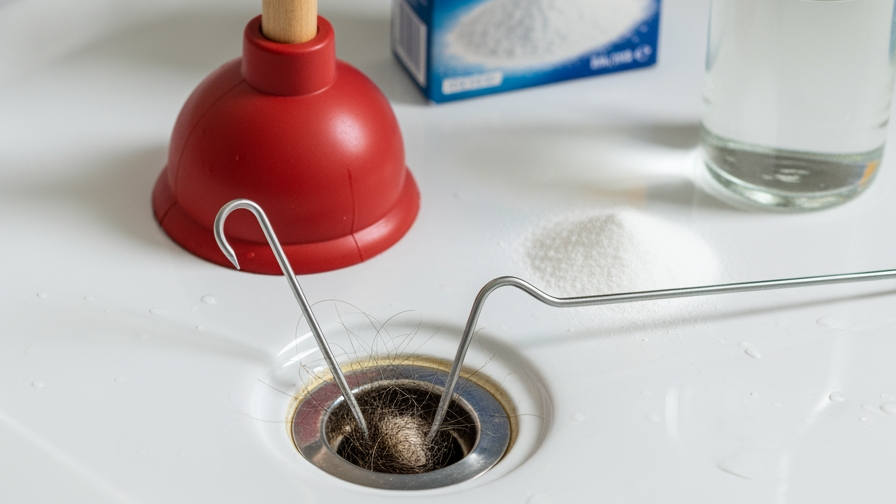
Blocked shower drains rank among the most frustrating household plumbing problems, causing standing water, unpleasant odours, and potential water damage if left unaddressed. Whilst chemical drain cleaners promise quick fixes, these harsh products damage pipes, harm the environment, and create health hazards through toxic fumes. Non-chemical drain unclogging methods offer safer, equally effective alternatives that protect plumbing systems and family wellbeing.
Hair, soap residue, and mineral deposits gradually accumulate within drainage pipes, restricting water flow until complete blockages occur. Understanding how to clear blocked shower drain issues using mechanical and natural methods prevents expensive emergency callouts and extends the lifespan of the drainage system. This comprehensive guide explores proven techniques that tackle blockages without resorting to corrosive chemicals.
Understanding Shower Drain Blockages
Common Causes of Blockages
Hair represents the primary culprit in shower drain blockages, combining with soap residue to create dense, fibrous clumps that trap additional debris. A single shower releases 50-100 loose hairs that travel down drains, accumulating around pipe bends and trap mechanisms. Longer hair creates particularly stubborn blockages, interweaving to form nearly impenetrable barriers.
Soap scum forms when fatty acids in traditional bar soaps react with minerals in hard water, creating sticky deposits that coat pipe interiors. Modern liquid soaps reduce this problem but still contribute residue that gradually narrows drainage passages. Shampoo, conditioner, and body wash products add additional organic materials that bind with hair and mineral deposits.
Hard water deposits mineral scale within pipes over time, particularly in areas with high calcium and magnesium concentrations. These deposits roughen pipe surfaces, creating ideal attachment points for hair and soap residue. Combined blockages prove more resistant to clearing than single-material obstructions, often requiring multiple treatment approaches.
Signs Your Shower Drain Needs Attention
Slow drainage provides the earliest warning sign, with water taking several minutes to clear rather than draining immediately. Standing water accumulating around the feet during showers indicates significant flow restriction. Ignoring these symptoms allows blockages to worsen, potentially causing overflow and water damage.
Unpleasant odours emanating from drains signal organic material decomposition within pipes. Bacterial growth on trapped hair and soap creates distinctive musty or sewage-like smells that intensify when hot water activates volatile compounds. Gurgling sounds during drainage indicate air pockets forming as water struggles past partial blockages.
Manual Methods to Clear Blocked Drains
The Boiling Water Technique
Boiling water dissolves soap residue and melts fatty deposits, often clearing minor blockages without additional intervention. This simple method works best for fresh blockages before materials harden or compact. Kettle-boiled water poured directly down drains in 2-3 litre quantities flushes loosened debris through drainage systems.
Safety precautions prevent damage and injury. Never pour boiling water into toilet bowls or onto porcelain surfaces where thermal shock causes cracking. PVC drainage pipes tolerate brief boiling water exposure, though repeated treatments risk softening joints. Allow 10-15 minutes between pours for pipes to cool, preventing cumulative heat damage.
Plunger Method
Cup plungers designed for flat surfaces provide better seals on shower drain covers than flange plungers intended for toilets. Remove drain covers and strainers to access drain openings directly. Fill the shower tray with 5-8cm of water, creating hydraulic pressure that enhances plunging effectiveness.
Position the plunger cup directly over the drain opening, ensuring complete coverage. Press down firmly to expel air, then pull up sharply without breaking the seal. Repeat this push-pull action vigorously 15-20 times. The suction action often dislodges hair clumps and debris, allowing water to flush materials away. This non-chemical drain unclogging approach requires no special tools beyond a basic plunger.
Wire Coat Hanger Hook
Straightened wire coat hangers create effective retrieval tools for shallow blockages visible near drain openings. Bend one end into a small hook using pliers, keeping the hook small enough to navigate drain covers whilst catching trapped hair. Feed the wire slowly down the drain, rotating to catch debris.
Gentle upward pulling extracts hair clumps without pushing blockages deeper. Expect unpleasant appearances - extracted material typically consists of matted hair covered in grey soap residue. Dispose of removed debris in bins rather than flushing down toilets where it may cause additional blockages. Multiple insertions at different angles often prove necessary to fully clear blocked shower drain passages.
Advanced Non-Chemical Solutions
Wet and Dry Vacuum Extraction
Powerful wet-dry vacuum cleaners create sufficient suction to extract blockages that resist manual methods. Set vacuums to liquid mode and create the tightest seal possible over drain openings. Remove drain covers for direct access, using old towels to seal gaps around the vacuum hose.
Maximum suction occurs with full power settings, though noise levels prove considerable. Hold the vacuum seal firmly for 2-3 minutes, allowing sustained suction to work on stubborn blockages. This method excels at removing soft blockages like hair and organic debris but proves less effective against mineral deposits or foreign objects wedged in pipe bends.
Natural Cleaning Agents
Baking soda and vinegar create a chemical reaction producing carbon dioxide foam that scrubs pipe interiors whilst loosening deposits. Pour 100-150g baking soda down drains, followed immediately by 200-250ml white vinegar. Cover drain openings to contain the reaction within pipes. After 30 minutes, flush with hot water to clear loosened materials.
Salt combined with hot water provides abrasive cleaning action against soap scum and organic deposits. Mix 100g coarse salt with boiling water, allowing the solution to work for several hours or overnight. The salt's crystalline structure scours pipe surfaces whilst hot water dissolves fatty deposits. Biological enzyme cleaners digest organic materials, including hair proteins, though requiring 8-12 hours to work effectively.
Drain Snake or Auger Tools
Manual drain snakes extend 3-7 metres into drainage systems, far beyond coat-hanger reach. Feed the flexible cable down drains, rotating the handle to navigate bends. When resistance indicates blockage contact, continued rotation either breaks up obstructions or catches debris on the snake's end attachment.
Powered drum augers provide superior clearing force for stubborn blockages, though requiring careful operation to avoid pipe damage. Heating and Plumbing World supplies professional-grade drainage tools alongside replacement components for heating and plumbing systems. These specialised tools reach blockages in main drainage lines beyond individual fixture traps.
Preventative Maintenance Strategies
Installing Drain Guards and Strainers
Mesh drain guards trap hair and large debris before entering drainage systems, dramatically reducing blockage frequency. Stainless steel mesh strainers offer durability and easy cleaning, whilst silicone options provide flexibility that simplifies installation and removal. Position guards to catch materials without significantly restricting water flow.
Weekly cleaning removes accumulated hair and debris before materials wash into pipes. Simply lift guards, wipe away collected materials, and rinse before replacement. This simple habit prevents most blockages, extending intervals between deep cleaning treatments. Guests unfamiliar with drain guards benefit from visible reminders to clean strainers after showering.
Regular Maintenance Routines
Weekly hot water flushing maintains clear drains by preventing gradual buildup. After final showers, pour 1-2 litres of boiling water down drains to dissolve soap residue and flush minor accumulations. Monthly treatments with baking soda and vinegar provide deeper cleaning, addressing deposits forming between weekly flushes.
Removing visible hair from drain covers immediately after showering prevents materials from washing deeper into systems. This two-second habit proves far easier than clearing established blockages. Educating household members about proper hair disposal significantly reduces maintenance requirements, particularly in homes with long-haired occupants.
Hard Water Management
Hard water areas experience faster mineral deposit accumulation, requiring more frequent descaling treatments. Kettle limescale indicates hard water conditions affecting plumbing systems. Fitting expansion vessels to sealed heating systems prevents pressure-related issues, whilst pressure relief valves protect against excessive system pressures caused by scale accumulation.
Water softener installation addresses hard water at the source, preventing mineral deposits throughout plumbing systems. These systems exchange calcium and magnesium ions for sodium, eliminating the chemical reactions that create soap scum. Properties with water softeners require approximately 75% less drain maintenance than those supplied by untreated hard water.
When to Seek Professional Help
Warning Signs of Serious Problems
Multiple blocked drains occurring simultaneously indicate main drainage line problems beyond individual fixture issues. Tree root intrusion, collapsed pipes, or main sewer blockages require professional diagnosis and clearance equipment. Attempting DIY solutions for systemic problems wastes time and risks worsening damage.
Recurring blockages despite thorough clearing treatments suggest underlying structural issues. Incorrectly installed pipes lacking adequate fall, damaged trap mechanisms, or venting problems require professional assessment. Water backing up through multiple fixtures when operating specific outlets indicates cross-connection problems demanding immediate professional attention.
Understanding Your Drainage System
Shower trap access points allow direct blockage removal without invasive procedures. Modern traps feature removable covers enabling manual cleaning of accumulated debris. Understanding trap locations and removal procedures enables homeowners to perform basic maintenance without professional assistance.
Main drainage connections beyond individual traps fall within professional domains, requiring specialised equipment and expertise. CCTV drainage surveys identify problems invisible to manual inspection, whilst high-pressure water jetting clears obstructions resistant to mechanical methods. Gas Safe-registered engineers handle any heating system components affected by water damage from severe blockages.
Conclusion
Learning how to clear blocked shower drain problems using non-chemical methods protects plumbing systems, reduces environmental impact, and provides cost-effective solutions to common household issues. The techniques outlined - from simple boiling water treatments to advanced drain snake applications - address blockages at various severity levels without resorting to harsh chemicals.
Regular preventative maintenance prevents most blockages from developing, whilst prompt attention to early warning signs stops minor issues from becoming major problems. Natural cleaning agents and mechanical methods prove equally effective as chemical alternatives, whilst eliminating toxic fume risks and pipe damage concerns. Non-chemical drain unclogging approaches demonstrate that effective plumbing maintenance requires knowledge and appropriate tools rather than hazardous substances.
For persistent drainage problems, professional assessment, or quality plumbing components, contact us for expert guidance tailored to specific requirements.