

How to Conduct a Home Energy Audit for Heating Efficiency
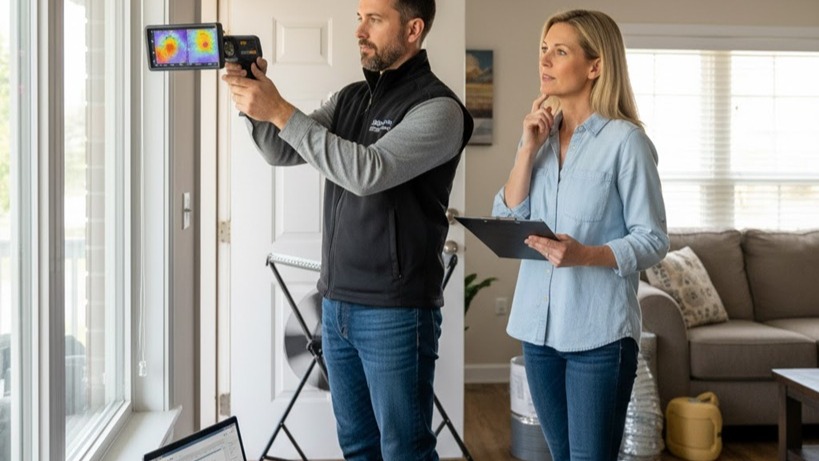
A home energy audit, sometimes called a heating efficiency audit, is your secret weapon against sky-high energy bills and chilly corners. By taking a systematic walk around your property, you'll spot gaps where heat escapes, identify outdated components, and uncover doable improvements that deliver big savings. Many homeowners discover that uninsulated pipes under the stairs or in lofts significantly impact heating costs, and adding simple foam lagging can cut heating expenses almost overnight. Let's explore how to perform a thorough heating efficiency audit, step by step, with tips on tools, techniques and the best products from Heating and Plumbing World to transform your home into a warm, efficient haven.
Why You Should Carry Out a Home Energy Audit
Every household leaks warmth somewhere, be it a sash window, a loft hatch or an ageing boiler. A heating efficiency audit brings these issues into the light.
Reveal Hidden Heat Loss
From unfilled cavity walls to draughty door thresholds, hidden gaps can account for a startling chunk of your heat loss. Pinpointing these areas lets you seal them before they drain more cash from your wallet.
Cut Your Energy Bills
With energy prices on the rise, even small gains in efficiency count. A well-planned home energy audit usually pays for itself within a single heating season through the savings it unveils.
Enjoy Consistent Comfort
No more shivering in one room while roasting in another. A balanced heating system maintains even temperatures throughout your living spaces, so you can set it and forget it.
Enhance Your Property's Appeal
If you're planning to sell or rent out, documented energy improvements (such as an EPC rating boost) make your home more attractive to buyers and tenants alike.
Getting Ready: Gathering Data and Tools
Preparation makes all the difference between a half-hearted glance and a truly insightful heating efficiency audit.
Collect Your Energy Bills
Gather at least twelve months' worth of gas and electricity statements. Look for unusual spikes, perhaps last February's cold snap, or steady high usage that hints at underlying waste.
Assemble Essential Kit
- Torch or headlamp: For dark lofts and under-floor spaces.
- Thermometer or thermal imaging camera: Hire a camera if you want precise hot-and-cold mapping.
- Draught-detector spray or incense stick: Smoke trails instantly reveal airflow paths.
- Notepad or tablet: Log your findings room by room.
Plan Your Route
Begin in the coldest rooms or those with the highest energy use. Tackle the building fabric (insulation, walls, roof) first, then assess the heating system itself and its controls.
Step-By-Step Guide to Your DIY Energy Audit
Follow these stages to carry out a thorough home energy audit in your own home.
Inspecting Insulation in Roof and Walls
Loft Insulation Depth
A well-insulated loft will have at least 270 mm of mineral wool or equivalent. If yours looks thin, consider topping up with high-performance Polypipe insulation rolls to prevent heat escaping through the roof.
Filling Cavity Walls
Many homes built after the 1920s have unfilled cavity walls. You can retrofit insulation via a specialist installer - check for local schemes that may offer grants or reduced rates.
Cracks and Gaps
Small cracks in brickwork or render may seem innocuous, but over winter they become cold bridges. Seal them with a flexible filler, or use purpose-made draught-proofing compound.
Spotting Draughts Around Doors and Windows
Window Gaps
Hold an incense stick close to frame edges. Where the smoke wavers, fit brush-style or silicone draught excluders - Andrews draught-proofing brushes are discreet yet effective.
Door Thresholds
Under-door draughts can be banished with a simple brush or rubber seal. A range of door seals and thresholds suit every frame.
Floorboards and Skirting
Older houses often leak air at skirting boards. Apply low-profile sealant strips or latex sealant to close gaps without disturbing your decor.
Assessing Your Boiler and Pipework
Checking Boiler Pressure
A healthy combi or system boiler should read around 1-1.5 bar when cold. If it's lower, top it up via the filling loop. Quality replacement hoses and valves ensure reliable operation.
Looking for Corrosion and Leaks
Rusty pipe joints or drops of water under your boiler signal inefficiency, and potential safety concerns. If you spot corrosion, book a service to arrange a Gas Safe engineer. Ensure pressure relief valves are functioning correctly to prevent dangerous pressure build-up.
Considering a Boiler Upgrade
If your boiler is over a decade old, replacing it with a new condensing model can boost efficiency to around 90 per cent. Browse the latest water heaters and system boilers for A-rated options. For those upgrading older systems, boiler spares ensure compatibility during installations.
Evaluating Heating Controls
Upgrading to a Smart Thermostat
Traditional dial or mechanical timers heat on fixed schedules. A smart controller learns your habits, pre-heats rooms just in time and cuts off when you're out. Explore the range of Honeywell smart thermostats for Wi-Fi-enabled control from your phone.
Zoning Your Heating
By splitting your system into zones - say, downstairs and upstairs - you only heat the spaces you're using. Altecnic zone valves let you install multi-zone systems without major pipework changes.
Fitting Thermostatic Radiator Valves
Installing TRVs on each radiator gives you room-by-room temperature control. Myson TRVs blend neatly with modern radiators and help keep bedrooms cooler than the living room if that's your preference.
Checking Circulation Pumps and Pipe Insulation
Pump Efficiency
Older fixed-speed pumps can waste electricity. Variable-speed models only run as hard as needed, saving power and cutting noise. Grundfos and Lowara pumps suit any system size.
Bleeding Radiators
Trapped air prevents radiators from heating evenly. A quick bleed ensures they run at full capacity, making your boiler cycle less often.
Lagging Exposed Pipes
Any pipework in the loft or under the floor should be insulated to prevent heat loss. Foam lagging from Stuart-Turner range is easy to fit and cost-effective.
Harnessing Technology for a Deeper Audit
If you want to elevate your heating efficiency audit from good to great, specialised equipment can help.
Thermal Imaging Surveys
High-resolution cameras pick up heat leaks invisible to the naked eye. Professional surveyors map out thermal images so you can see exactly where improvements deliver the biggest gains.
Smart Home Monitoring
Devices that record temperature and humidity over time allow you to spot trends. Integrated with Honeywell or Danfoss controls, they alert you to unusual drops in performance - ideal for busy households.
Bringing in the Experts
Some tasks deserve professional attention to guarantee safety and thoroughness.
Gas Safety Checks and Servicing
A registered Gas Safe engineer inspects burners, flues and controls. Booking a qualified engineer keeps your system both efficient and compliant. For Worcester Bosch systems, genuine Worcester Bosch boiler spares maintain optimal performance during servicing.
Energy Performance Certificates (EPCs)
An EPC is mandatory if you're selling or renting out. Accredited assessors produce a report detailing your home's rating and recommended improvements.
Turning Findings into Genuine Savings
Once your home energy audit highlights weak spots, it's time to take action.
Draught-Proofing and Sealing
Small gaps can have an outsized impact. Fit brush-style seals around windows and doors, fill cracks with silicone sealant, and install floor-level sweep strips. Andrews and Fittings ranges cover everything from self-adhesive strips to purpose-made brush channels.
Insulation Upgrades
Loft and Cavity: Topping up existing insulation or retrofitting cavity wall fill delivers immediate warmth retention.
External Wall Insulation: More disruptive but incredibly effective, render-on-insulation systems cut heat loss through solid walls.
Boiler Replacement and Servicing
Switch to an A-rated condensing boiler and service it annually. Keep genuine parts on hand to ensure long-term reliability.
Smart Controls and Zoning
Programmes from Honeywell or Danfoss cut down on wasted runtime. Combined with Altecnic zone valves, you'll heat rooms only when they need it.
Upgrading Circulation Pumps
Invest in a variable-speed pump, such as those from Grundfos or Lowara, and watch both your power bills and noise levels fall.
Considering Renewable Options
Air-Source Heat Pumps: Can deliver up to three units of heat for every unit of electricity used.
Solar Thermal Panels: Pre-heat your hot water and reduce boiler runtime - check out the Kingspan solar range for compatible kits. Combine with quality water tanks for efficient thermal storage. Pair these systems with quality expansion vessels to maintain proper system pressure.
Tracking Your Progress and Next Steps
An audit isn't a one-and-done exercise. Keep an eye on your results to make sure improvements stick.
Record Meter Readings
Log your gas and electricity readings weekly for three months after upgrades. Compare to pre-audit figures to gauge savings.
Use Smart Monitoring Apps
Many modern controls include apps that chart usage. They'll alert you to unexpected spikes, so you can nip leaks or faults in the bud.
Plan a Follow-Up Audit
Six to twelve months down the line, repeat your home energy audit. You'll catch new issues early and continue squeezing the most from your heating system.
Taking the Next Step Towards Energy Efficiency
Conducting a home energy audit, or heating efficiency audit, might feel like a weekend project, but the rewards last for years. From sealing draughts and boosting insulation to fitting smart controls and efficient pumps, each step cuts bills and elevates comfort. Ready to get hands-on? Explore the complete range of parts and expert services - whether you need boilers, Honeywell thermostats or Grundfos pumps, everything's covered. For personalised advice on implementing your audit findings, contact us today. Here's to a warmer, greener home and lower bills all year round!