

How to Detect a Hidden Water Leak in Walls or Floors
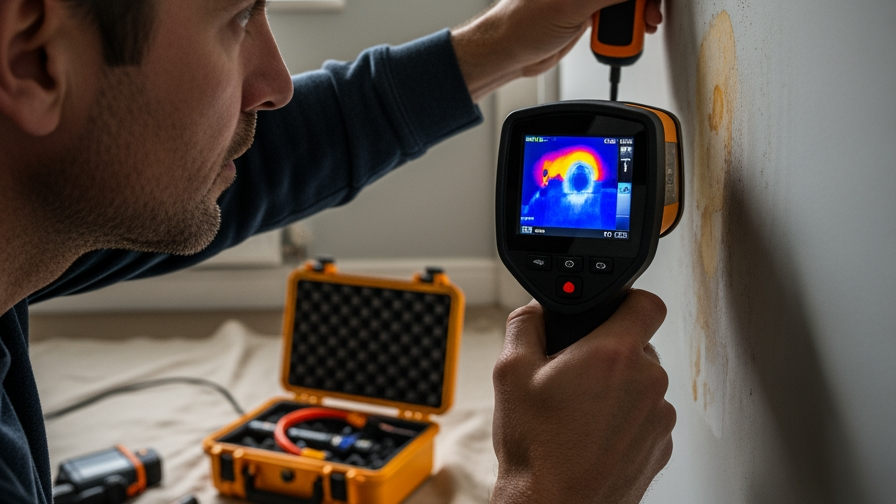
Hidden water leaks within walls and floors represent some of the most destructive plumbing problems homeowners face, causing thousands of pounds in damage whilst remaining undetected for weeks or months. Unlike obvious burst pipes flooding properties immediately, concealed leaks drip slowly behind plasterboard, beneath floorboards, or within concrete slabs, saturating building materials and creating perfect conditions for structural damage, rot, and mould growth. Early hidden water leak detection prevents escalating repair costs and protects property value through prompt intervention.
Many homeowners only discover concealed leaks after extensive damage manifests - warped floors, crumbling plaster, or alarming water bills. By then, weeks of continuous water ingress have compromised structural integrity and created health hazards from mould spores. Understanding early warning signs enables homeowners to investigate suspicious symptoms before minor leaks become major disasters requiring extensive remedial work costing tens of thousands rather than hundreds of pounds.
This comprehensive guide examines proven methods for detecting hidden water leaks using both basic techniques and professional water leak detection tools. From simple water meter tests to advanced thermal imaging, homeowners gain practical knowledge enabling confident investigation of suspected leaks whilst understanding when professional expertise becomes necessary.
Understanding Hidden Water Leaks
How Water Leaks Remain Concealed
Modern properties contain extensive pipework hidden within walls, floors, and ceiling voids, transporting fresh water to taps and removing waste to drainage systems. Supply pipes typically run within wall cavities behind plasterboard or chased into solid walls beneath plaster, whilst heating pipes snake through floor voids and ceiling spaces. This concealed infrastructure proves essential for aesthetics and space efficiency, but makes leak detection challenging when failures occur.
Small leaks release water gradually into surrounding building materials that absorb moisture like sponges. Plasterboard, timber joists, and insulation materials soak up water for days or weeks before visible staining appears on wall or ceiling surfaces. Concrete floor slabs hide leaks particularly effectively, as water disperses through the slab before eventually emerging at edges or through expansion joints, metres from the actual leak location, making source identification extremely difficult.
The time lag between leak commencement and visible evidence varies dramatically based on leak size, pipe location, and building materials involved. Pinhole leaks in copper pipes might drip for months before moisture levels saturate surrounding materials sufficiently to create surface staining. Conversely, failed compression fittings behind bath panels can release substantial water that remains hidden beneath sealed baths until overflow saturates through to rooms below.
Common Causes of Hidden Leaks
Copper pipe corrosion represents a frequent cause of concealed leaks in properties with aggressive water chemistry or aged installations. Pitting corrosion creates pinhole leaks that weep water gradually, whilst dezincification in brass fittings causes material degradation and eventual failure. Properties over 30 years old with original pipework face elevated risks, as metal fatigue and decades of water flow take their toll on pipe integrity.
Failed compression fittings and soldered joints cause many hidden leaks, particularly where pipes experience movement from thermal expansion, building settlement, or vibration. Poorly made joints during original installation or subsequent modifications fail prematurely, often shortly after new work disturbs existing pipework. Push-fit plastic pipe systems generally prove more reliable but occasionally suffer seal degradation or improper assembly, leading to slow leaks.
Freeze-thaw damage affects pipes in unheated areas like loft spaces, garages, or external walls during winter cold snaps. Ice expansion cracks pipe walls, creating splits that leak once temperatures rise and ice melts. These leaks often appear weeks after freezing events, making cause-and-effect connections difficult. Underfloor heating systems occasionally develop leaks where pipes are damaged during floor installation or suffer degradation from poor-quality materials, experiencing thermal cycling.
Early Warning Signs of Hidden Leaks
Visible Indicators
Damp patches on walls, ceilings, or floors provide the most obvious evidence of hidden leaks, appearing as darker areas or water staining that gradually expand over time. Fresh damp patches feel cold and slightly soft to touch, whilst older water damage creates brittle, crumbling plaster or blistered paint. Position and pattern of damp patches offer clues to leak locations - staining below bath panels suggests bath waste or trap issues, whilst ceiling staining adjacent to bathrooms indicates upstairs leak penetration through floor structures.
Peeling wallpaper and bubbling paint signal moisture penetrating wall surfaces from behind, as water migrates through plaster, reaching decorative finishes. Mould growth accompanies persistent dampness, creating black spotting or fuzzy growth pattern,s particularly in corners and along skirting boards where air circulation remains poor. Musty odours indicate established mould colonies even where visual evidence remains limited, warranting thorough investigation with proper water leak detection tools.
Warped or lifting flooring suggests moisture ingress from beneath, with laminate boards swelling and buckling, engineered wood developing gaps, and vinyl lifting at seams. Carpet dampness proves harder to detect initially but eventually produces musty smells and visible staining in severe cases. Spongy floorboards when walked upon indicate timber rot from prolonged water exposure, representing advanced damage requiring urgent attention beyond simple leak repair.
Measurable Changes
Unexplained increases in water bills often provide the first indication of hidden leaks, as continuous water loss accumulates into noticeable consumption rises over monthly billing periods. Compare recent bills against previous years' equivalent periods, accounting for seasonal variations - summer garden watering naturally increases consumption compared to winter. Sudden unexplained increases of 20-50% or more warrant immediate investigation through water meter testing and visual inspection.
Water meter monitoring offers definitive proof of ongoing leaks when properties sit empty with all taps closed. Note the meter reading, ensure absolutely no water use occurs for two hours, including automatic appliances like dishwashers or washing machines, then check whether the meter has advanced. Any movement indicates water flowing somewhere within the property - either through leaks or from appliance faults like toilet cisterns running continuously.
Reduced water pressure throughout properties sometimes indicates major supply pipe leaks, losing pressure before reaching taps and appliances. Pressure reductions affect cold taps supplied directly from mains more noticeably than hot taps fed from storage cylinders. Unusual sounds of running water when all taps remain closed suggest active leaks, with particularly noticeable sounds at night when ambient noise levels drop and water flow becomes audible within walls or floors.
Water Leak Detection Tools and Methods
Basic DIY Detection Methods
Water meter monitoring provides the most reliable DIY method for confirming the existence of a leak without specialist equipment. Turn off all taps, appliances, and central heating, then monitor the meter for 30 minutes to two hours. Meters featuring red triangles or dials should remain completely stationary if no leaks exist. Any movement confirms water flowing somewhere, narrowing the investigation focus to concealed pipework rather than obvious sources. This simple test requires no equipment beyond patience and accurate meter reading.
Visual inspection systematically examines all accessible plumbing for dampness, corrosion, or staining. Check beneath sinks, behind toilets, around baths and showers, and in airing cupboards where pipes concentrate. Inspect floor voids accessible through hatches, and examine loft spaces where cold water storage tanks and pipework reside. Look for water trails, rust staining, or limescale deposits indicating historical or current leaks. Run hands along visible pipes, feeling for dampness not obvious to visual inspection alone.
Listening carefully for water sounds identifies approximate leak locations without equipment. In quiet conditions, particularly at night, place an ear against walls, floors, or ceiling surfaces listening for hissing, dripping, or rushing water sounds. Leaks produce distinctive sounds varying with leak size and pipe pressure - high-pressure supply pipe leaks create audible hissing, whilst waste pipe leaks often produce intermittent dripping sounds. Systematic listening across multiple locations triangulates leak positions before invasive investigation begins.
Professional Detection Equipment
Acoustic leak detectors amplify water sounds, enabling precise location identification through walls and floors. Professional-grade detectors feature sensitive microphones and ground sensors that detect vibrations from pressurised water escaping through pinhole leaks or failed joints. Technicians systematically scan suspected areas, with audio signals intensifying as sensors approach leak locations. This technology proves particularly effective for supply pipe leaks under pressure but less successful for waste pipes flowing only intermittently.
Thermal imaging cameras visualise temperature differences, indicating moisture presence within building structures. Damp areas appear cooler than surrounding dry materials, creating distinctive patterns on thermal images. Evaporating water produces additional temperature differences detectable by sensitive cameras. Professional leak detection specialists use calibrated thermal cameras to map moisture distribution, identifying leak sources and secondary damage extent. This non-invasive technology prevents unnecessary exploratory demolition whilst providing a comprehensive moisture assessment.
Tracer gas detection involves injecting safe gas mixtures into isolated pipe sections, then using sensitive detectors to locate where gas escapes through leak points. Hydrogen-nitrogen gas mixes prove lighter than air, rising through building materials to surfaces where detectors identify precise leak locations. This method suits complex installations where acoustic or thermal techniques prove inconclusive, providing unambiguous results even for tiny leaks releasing minimal water volumes. Professional certification ensures safe gas handling and accurate interpretation.
Step-by-Step Detection Process
Initial Assessment
Begin investigations by isolating whether leaks affect supply pipes, heating circuits, or waste systems. Supply pipe leaks continue 24 hours a day when properties remain occupied, whilst heating system leaks only manifest when boilers operate. Waste pipe leaks occur only when water drains through specific fixtures. Turn off heating systems and observe whether damp patches worsen - continued deterioration indicates supply pipe issues, whilst static dampness suggests heating pipework involvement.
Check all visible plumbing thoroughly before investigating concealed pipes, as obvious sources like dripping taps, toilet cistern overflows, or leaking flexible hoses account for many perceived hidden leaks. Beneath-sink cupboards, around toilet cisterns, and behind bath panels reward careful inspection, with many "hidden" leaks proving accessible once panels are removed or cupboards emptied. Document all findings photographically, noting dates and conditions for insurance purposes if damage proves extensive.
Perform the water meter test described earlier to confirm ongoing leaks rather than historical dampness from resolved issues. Properties with combi boilers can isolate cold supply from heating systems by closing relevant valves, determining whether leaks affect supply pipework or heating circuits specifically. This diagnostic information guides subsequent investigation focus and helps professionals narrow detection efforts when called.
Using Moisture Meters
Moisture meters measure water content in building materials, providing objective data about dampness extent and severity. Pin-type meters insert probes into surfaces, reading electrical resistance between pins - wet materials conduct electricity better than dry materials, with readings indicating percentage moisture content. Scan walls systematically in grid patterns, marking readings on paper or photographing meter displays alongside measurement locations for comprehensive moisture mapping.
Take baseline readings in a known-dry area, establishing reference values for comparison against suspected damp locations. Different building materials exhibit varying moisture readings when dry - plaster, timber, and brick all produce different baseline values requiring understanding for accurate interpretation. Readings exceeding baselines by 20-30% or more indicate probable moisture ingress, warranting further investigation with more sophisticated water leak detection tools if leak sources remain unclear.
Focus moisture meter investigations around visible damp patches, expanding outward to determine moisture extent and progression direction. Moisture often migrates significant distances from leak sources following timber studwork, travelling along floor joists, or wicking upward through capillary action in masonry. Mapping moisture distribution helps identify whether dampness originates from isolated leaks or multiple sources requiring comprehensive repairs beyond simple pipe patching.
Location-Specific Detection Strategies
Wall Cavity Leaks
Supply pipe leaks within wall cavities typically affect kitchens, bathrooms, and utility rooms where concentrated plumbing runs between storeys or from external supply entries. Acoustic detection proves particularly effective for pressurised supply pipes, as continuous leak sounds enable location triangulation. Check water meter behaviour - persistent meter movement suggests supply pipe involvement, whilst stationary meters during investigation periods indicate heating or waste issues instead.
Bathroom wall leaks behind tiles present particular challenges, as waterproof tanking and tile adhesive trap moisture behind impermeable surfaces, preventing outward evaporation. Moisture accumulates for extended periods before saturating sufficiently to penetrate grouting or tile adhesive, manifesting as staining on opposite room walls or ceiling damage in rooms below. Thermal imaging identifies moisture patterns beneath tiles without destructive investigation, though eventual tile removal proves necessary for access to leaking pipework.
Boxing and enclosed pipe runs in older properties hide pipework behind wooden casings or plasterboard enclosures. Moisture meters detect dampness in boxing materials, whilst acoustic listening identifies leak sounds within enclosed spaces. Remove boxing carefully, preserving materials for reinstatement after repairs, as original boxing often proves challenging to match in properties where materials and methods have changed since original installation.
Under-Floor Leaks
Concrete floor slab leaks represent the most challenging hidden water leak detection scenarios, as pipework embedded within or beneath concrete slabs remains completely inaccessible for visual inspection. Thermal imaging sometimes identifies leak locations through temperature differences in floor surfaces, whilst tracer gas injection into suspected pipes pinpoints leak positions with high accuracy. Moisture appearing at slab edges, expansion joints, or through floor coverings indicates significant leakage requiring urgent investigation.
Suspended timber floor leaks prove more accessible once the floorboards lift, revealing pipe runs between joists. Check accessible floor voids through service hatches first, using torches to examine visible pipework and surrounding timbers for dampness or water staining. Lifting floorboards strategically following pipe routes identified from known valve positions and radiator locations enables systematic inspection without extensive floor removal. Modern pressure relief valves and fittings should show no signs of seepage when properly maintained.
Underfloor heating system leaks require pressure testing to isolate which circuit among multiple floor zones contains the failure. Specialist leak detection companies inject air or nitrogen into individual circuits, monitoring pressure decay over time - leaking circuits lose pressure rapidly compared to sound pipework. Thermal imaging during system operation sometimes reveals cooler zones where water escapes, reducing heating efficiency, though this technique requires skill in interpreting complex thermal patterns.
Ceiling and Upper Floor Leaks
Bathroom and en-suite leaks frequently cause ceiling damage in rooms below, with bath and shower wastes, toilet flush pipes, and supply connections all representing potential failure points. Systematically test each fixture - fill baths, checking overflow operation and waste seals, run showers observing tray sealing, flush toilets examining cistern connections and pan connectors. Many ceiling leaks originate from failed silicone sealant around baths and shower trays rather than actual pipe failures, making resealing a sensible first intervention.
Central heating pipe leaks within ceiling voids or upper floor structures prove problematic, as heating systems operate intermittently, making leak detection timing-dependent. Leaks manifest only when heating runs, with symptoms disappearing when systems shut down, confusing investigation efforts. Monitor ceiling dampness patterns relative to boiler operation cycles, establishing whether a correlation exists between heating operation and dampness progression. Professional thermal imaging during heating operation cycles visualises pipe routes and identifies temperature anomalies, indicating leak locations.
Differentiate between plumbing leaks and roof water ingress carefully, as both produce ceiling dampness requiring completely different remedies. Roof leaks worsen during rainfall and follow predictable paths from roof defects downward, whilst plumbing leaks continue regardless of weather conditions. Roof valleys, flashings around chimneys, and cracked roof tiles commonly cause water ingress, mistaken for plumbing problems, wasting time investigating sound pipework whilst roof defects continue causing damage.
When to Call Professional Leak Detection Services
Limitations of DIY Detection
Complex pipe routing within properties defeats DIY detection efforts when multiple potential leak sources exist and symptoms remain ambiguous. Older properties particularly challenge investigation, as decades of modifications create convoluted pipe runs with unknown routes and concealed junctions. Professional leak detection specialists possess experience interpreting subtle clues and systematic investigation methodologies, preventing random exploratory damage to decorative finishes and building structures.
Multiple potential leak sources require professional triage, determining investigation priorities and cost-effective detection strategies. Properties showing generalised dampness across multiple locations might experience several simultaneous leaks, rising damp issues unrelated to plumbing, or condensation problems requiring ventilation improvements rather than leak repairs. Professionals assess overall moisture patterns, differentiating between plumbing failures and alternative moisture sources, avoiding expensive, unnecessary pipe repairs.
Minimal visible evidence despite confirmed leaks (proven via water meter testing) demands specialist water leak detection tools beyond typical homeowner access. Thermal imaging cameras, acoustic detectors, and tracer gas equipment cost thousands of pounds, making professional services more economical than equipment purchase for single-use scenarios. Specialist training ensures accurate interpretation of detection equipment outputs, avoiding false conclusions from DIY misapplication.
What Professionals Offer
Professional leak detection services provide comprehensive non-invasive investigation using multiple complementary technologies. Initial consultations establish symptoms, review water meter behaviour, and develop investigation strategies targeting the most probable leak locations first. Thermal imaging surveys map moisture distribution throughout properties, whilst acoustic detection pinpoints pressurised supply pipe leaks with precision measured in centimetres rather than metres, minimising repair access requirements.
Detailed written reports document investigation findings, moisture readings, leak locations, and repair recommendations essential for insurance claims on contents and building damage. Photographic evidence and thermal images provide objective records supporting insurance submissions, particularly important when extensive remedial work becomes necessary. Reports often include repair cost estimates and suggested contractors, streamlining homeowner decision-making under stressful circumstances.
Professional services typically guarantee leak location accuracy within specified tolerances, returning for additional investigation if initial findings prove inconclusive or repairs fail to resolve moisture issues. This guarantee provides reassurance that paying professional fees achieves definitive results rather than expensive guesswork. Many services maintain relationships with specialist repair contractors, coordinating seamless handover from detection to repair, minimising homeowner stress during disruptive remedial work.
Preventing Water Damage While Investigating
Immediate Actions
Turn off the water supply at the stopcock if the leak severity threatens immediate damage to electrical systems, structural elements, or valuable possessions. Most properties feature stopcocks beneath kitchen sinks or in utility areas controlling the cold water supply to the entire property. Combination boilers require gas and electricity isolation if leaks affect boiler pipework directly, preventing potential gas escape or electrical hazards. Emergency plumbers provide 24-hour assistance when leak situations exceed the homeowner's capabilities for safe management.
Contain visible water using towels, buckets, or temporary barriers, preventing spread to undamaged areas or adjacent rooms. Move furniture, electronics, and valuables away from affected zones, elevating items on plastic sheeting where floor-level water threatens damage. Switch off electrical circuits serving affected areas at consumer units, as a combination of water and electricity creates lethal electrocution risks. Never assume wiring remains safe because switches aren't active - live cables within walls and ceilings conduct electricity dangerously when wet.
Document all damage photographically before remedial work commences, capturing wide-angle shots showing overall context alongside detailed close-ups of specific damage areas. Note dates, times, and circumstances in written records accompanying photographs, as insurance claims require comprehensive evidence supporting damage extent and causation. Maintain copies of all water bills, meter readings, and correspondence with utility companies or leak detection specialists, as complete documentation expedites claims processing.
Avoiding Further Damage
Resist drilling exploratory holes through walls or floors without compelling evidence indicating specific leak locations, as misguided investigations create unnecessary damage requiring expensive repair, whilst potentially hitting concealed cables or pipes, causing additional failures. Professional moisture mapping and detection services cost less than rectifying damage from overzealous DIY exploratory demolition, making specialist consultation cost-effective when leak locations remain uncertain despite initial investigation.
Protect floor coverings during investigation and repair work using dust sheets, cardboard, or plastic sheeting, preventing additional damage to unaffected areas. Carpets, particularly vulnerable to water damage, benefit from professional drying services if saturated, as home drying efforts often prove inadequate, preventing mould growth and permanent odour problems. Vinyl, laminate, and engineered wood floors typically require replacement after water damage, though prompt drying sometimes salvages materials if exposure remains brief.
Maintain ventilation in affected areas by opening windows and using dehumidifiers, preventing mould colonisation during investigation and repair periods. Mould grows rapidly in damp conditions, establishing within 24-48 hours of water exposure. Professional drying companies provide industrial dehumidifiers and air movers, creating optimal drying conditions, though homeowners' smaller dehumidifiers provide valuable interim moisture reduction whilst arranging professional services or repairs.
Repair Considerations After Detection
Access and Repair Planning
Minimally invasive repair techniques suit straightforward leak locations where pipework remains accessible with modest decoration disturbance. Simple compression fitting failures often require only pipe cutting and replacement fitting installation, with decorative damage limited to small plaster patches. Push-fit plastic pipe repairs prove particularly straightforward, though copper pipe repairs demand soldering skills and appropriate safety precautions for managing blowtorches near timber structures.
Extensive wall or floor removal becomes necessary when leaks occur deep within structures or multiple access points prove essential to achieve complete repairs. Boxing removal, multiple floorboard lifting, or significant plaster hacking creates substantial mess and decoration damage requiring coordination between plumbers undertaking repairs and decorators reinstating finishes. Plan access strategies carefull,y balancing repair efficiency against decoration damage, as minimal initial access sometimes proves false economy when inadequate visibility prevents thorough repair assessment.
Coordinate plumbers undertaking leak repairs with builders handling structural repairs and decorators reinstating finishes, as sequential work reduces overall disruption compared to fragmented scheduling. Professional contractors accustomed to working together achieve better results than homeowners cobbling together separate trades unfamiliar with coordinating efforts. Request fixed-price quotations covering complete leak investigation, repair, and decoration reinstatement, preventing open-ended costs spiralling beyond initial estimates.
Preventing Future Leaks
Consider pipe material upgrades during repair work, addressing not just immediate failures but also preventing subsequent leaks in deteriorating pipework. Properties with original copper installations approaching 40-50 years old might justify complete repipes using modern plastic pipe systems offering 50+ year service lives without corrosion concerns. Whilst more expensive than isolated repairs, comprehensive replacement eliminates ongoing leak risks and provides decades of trouble-free service.
Improved installation practices prevent premature failures in new pipework, with proper pipe support preventing stress concentrations, adequate expansion provisions accommodating thermal movement, and quality fittings ensuring reliable connections. Professional plumbers following current regulations and best practices deliver installations vastly superior to DIY efforts or cowboy contractors cutting corners. Verify Gas Safe registration and request references for significant pipework installations, ensuring work meets professional standards.
Regular maintenance inspections identify developing issues before failures occur, particularly important for properties with aged installations approaching typical service life limits. Annual heating system services check for weeping joints, corroded connections, or expansion vessel failures, preventing pressurisation problems, causing leaks. Professional plumbers spot warning signs like limescale deposits, corrosion staining, or damp insulation, indicating incipient failures, allowing proactive replacement before emergency repairs become necessary.
Conclusion
Effective hidden water leak detection protects properties from devastating damage whilst enabling prompt repairs, minimising costs and disruption. Understanding early warning signs - unexplained water bill increases, mysterious dampness, unusual sounds - triggers a timely investigation, preventing minor leaks from escalating into major disasters. Simple DIY techniques like water meter monitoring and moisture meter testing identify leak existence and approximate locations, though professional services prove invaluable for definitive leak location when symptoms remain ambiguous or damage proves extensive.
Modern water leak detection tools deliver impressive accuracy, pinpointing leaks within centimetres using thermal imaging, acoustic sensing, and tracer gas technologies, enabling targeted repairs with minimal collateral damage. Professional leak detection specialists combine sophisticated equipment with experience interpreting subtle evidence, systematically investigating properties whilst avoiding destructive exploratory damage from misguided DIY efforts. Their comprehensive reports support insurance claims and facilitate coordinated repairs addressing both leaks and consequential damage efficiently.
Prompt action upon discovering potential leaks prevents escalating water damage threatening structural integrity, creating health hazards from mould growth, and accumulating repair costs exponentially with delay. Whether using basic DIY techniques for initial investigation or engaging professional services immediately, proactive hidden water leak detection represents an essential homeowner responsibility, protecting property value and family health. Heating and Plumbing World understands the urgency surrounding leak situations and provides expert guidance, ensuring swift, effective resolution.
For professional assistance in detecting and repairing hidden water leaks, contact us to arrange comprehensive leak detection services using advanced technology and experienced specialists, minimising damage and disruption.