

How to Document Heating System Upgrades for Resale
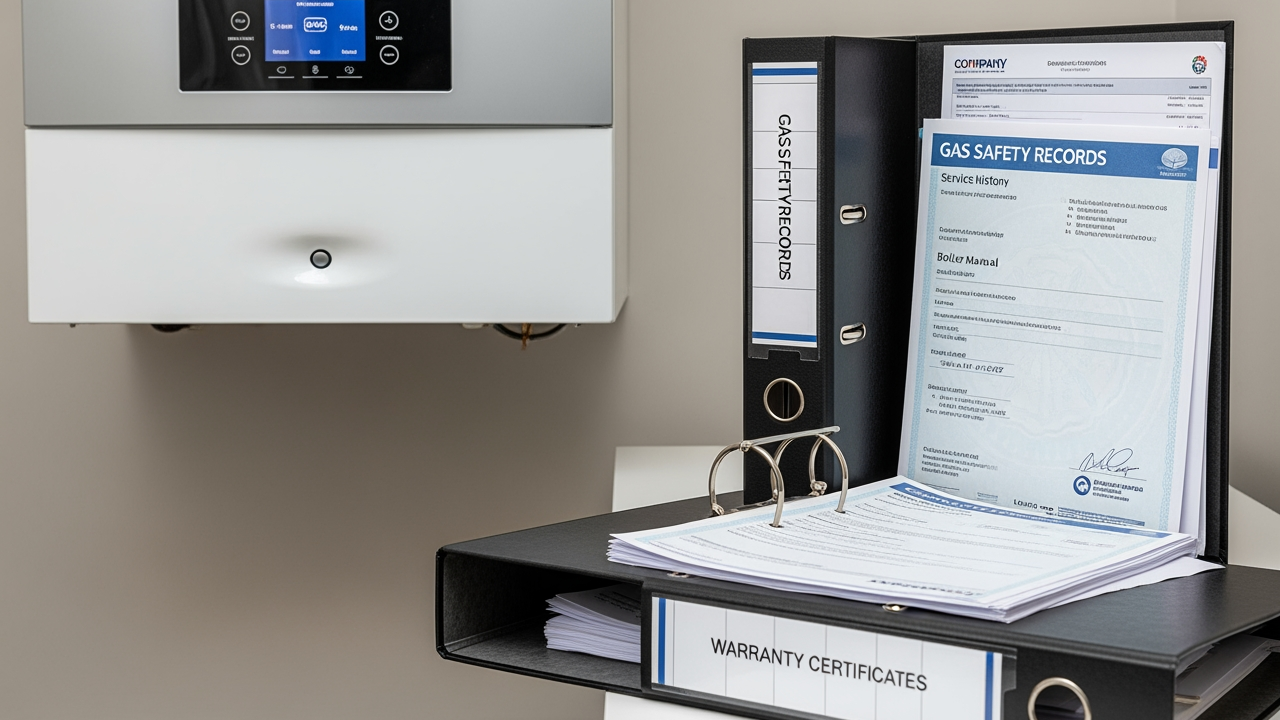
Property buyers increasingly scrutinise heating systems before committing to purchases. Comprehensive heating system documentation demonstrates responsible ownership, proves compliance with regulations, and significantly strengthens your property's market position. Proper records can add thousands to your home's value whilst protecting against last-minute sale complications.
Why Heating System Documentation Matters for Property Sales
Estate agents report that properties with complete heating records sell faster and achieve higher prices than comparable homes lacking documentation. Buyers' solicitors routinely request proof of gas safety compliance, boiler servicing history, and installation certificates. Missing paperwork creates delays, renegotiation opportunities for buyers, and potential deal collapses.
Modern mortgage lenders require evidence that heating systems meet current regulations. Without proper certification, valuers may downgrade property assessments or recommend retention clauses where completion funds are withheld until remedial work proves compliant. This situation damages negotiations and causes significant stress during already complex transactions.
Insurance companies increasingly request heating system records when processing claims. Policies may exclude coverage for damage caused by poorly maintained or non-compliant installations. Comprehensive documentation protects against these exclusions and demonstrates due diligence.
Essential Documents Every Homeowner Should Maintain
Gas Safety Certificates
Gas Safe registered engineers issue certificates after inspecting gas appliances and installations. These documents confirm that appliances operate safely, ventilation meets requirements, and no dangerous situations exist. Landlords must obtain annual certificates by law, but homeowners benefit equally from maintaining these records.
Certificates detail every gas appliance checked, list any defects identified, and specify remedial work required. They include the engineer's Gas Safe registration number, inspection date, and next recommended check date. Keep every certificate issued - buyers want evidence of consistent maintenance patterns rather than isolated recent inspections.
Installation Certificates and Building Regulations Compliance
Major heating work requires Building Regulations approval. When installing new boilers, replacing heating systems, or making significant alterations, installers must provide either a Building Regulations Compliance Certificate or a FENSA/Competent Person Scheme certificate demonstrating work meets legal standards.
These certificates prove that the installation was notified to local authorities and inspected where required. Without them, buyers' solicitors will raise enquiries that delay completion. In severe cases, local authorities may require retrospective applications, inspections, and potentially expensive remedial work to achieve compliance.
Boiler Service Records and Maintenance History
Annual servicing extends boiler lifespan, maintains efficiency, and prevents breakdowns. Service records should detail work performed, parts replaced, and the engineer's observations about system condition. When you document heating upgrades through regular servicing, you create compelling evidence of responsible ownership.
Keep invoices showing when boiler spares were replaced, what components were fitted, and who performed the work. This information helps buyers understand the heating system's condition and remaining lifespan. It also assists future engineers in diagnosing problems and identifying suitable replacement parts.
For specific brands, maintain separate folders for documentation. Properties with Worcester Bosch systems benefit from keeping comprehensive records of any Worcester Bosch boiler spares installations, as these demonstrate genuine parts were used and manufacturers' specifications followed.
Warranty and Guarantee Documentation
Boiler manufacturers typically provide warranties ranging from two to twelve years, depending on model and registration timing. These warranties often transfer to new owners if properly registered and serviced according to the manufacturer's requirements. Include all warranty paperwork in your documentation package, along with proof that servicing intervals were maintained.
Extended warranties purchased separately should be documented with policy details, coverage terms, and renewal dates. If transferable to new owners, highlight this feature in property marketing materials.
Energy Performance Certificates and Efficiency Improvements
Energy Performance Certificates (EPCs) rate properties from A to G based on energy efficiency. Recent heating system upgrades often improve EPC ratings, which can increase property values and appeal to environmentally conscious buyers. Keep certificates showing rating improvements after heating system modifications.
Document any efficiency measures implemented alongside heating upgrades, such as improved controls, weather compensation systems, or smart thermostats. These additions demonstrate forward-thinking ownership and can influence buyer decisions.
Receipts, Invoices, and Payment Records
Financial records prove work was completed by legitimate businesses, show amounts invested in property improvements, and provide contact information for companies that performed work. Organised receipts create professional impressions and answer buyer questions about system history.
Include invoices for significant component replacements like expansion vessels, pressure relief valves, pumps, or controls. These documents demonstrate proactive maintenance rather than reactive emergency repairs.
Creating a Comprehensive Heating System Document File
Organising Physical Documents
Establish a dedicated folder specifically for heating system documentation. Use dividers to separate categories: gas safety certificates, service records, installation documents, warranties, and receipts. Arrange documents chronologically within each section for easy reference.
Consider using plastic sleeves to protect important certificates from damage. Original documents hold more weight than copies during property transactions, so preservation matters. Store the folder in a safe, dry location but keep it accessible for regular updates.
Digital Backup Systems
Photograph or scan all documents and maintain digital copies in cloud storage services. This backup protects against loss, fire, or damage whilst allowing easy sharing with estate agents, solicitors, and potential buyers. Organise digital files using clear naming conventions that include dates and document types.
Create a master spreadsheet listing all heating system work performed, dates, costs, and document locations. This index provides quick reference and demonstrates meticulous record-keeping. Update it whenever new work is completed.
Photographic Evidence of Upgrades
Take before and after photographs of heating system upgrades. Images of new boilers, replaced radiators, or upgraded controls provide visual proof of improvements. Date-stamp photographs when possible or include recognisable dated materials in shots.
Photograph model plates, serial numbers, and installation dates on new equipment. These details help buyers verify specifications and remaining warranty periods. Include images of any property improvements made to accommodate heating upgrades, such as relocated boilers, new cupboards, or improved ventilation.
What to Document for Different Upgrade Types
Boiler Replacements
Document the old boiler's make, model, and age alongside the new installation details. Include the reason for replacement (failure, efficiency upgrade, or capacity increase) and any related work performed, such as new pipework, water tanks, or system modifications.
Record the new boiler's efficiency rating, warranty terms, and expected lifespan. Note any improvements to heating controls, thermostat locations, or zoning capabilities that accompanied the installation.
System Conversions and Fuel Changes
Converting from oil to gas, changing from conventional to combi systems, or switching fuel types representsa significant investment. Document the rationale, costs involved, and benefits achieved. Include details about old equipment removal, new installations, and any structural modifications required.
For properties with Firebird oil boilers being replaced or upgraded, maintain records showing proper decommissioning and new system commissioning. Oil tank removal or replacement requires specific documentation and potential soil testing certificates.
Heating Controls and Smart Technology
Modern heating controls significantly improve efficiency and comfort. When upgrading thermostats, installing smart controls, or adding zone valves, document the improvements and any energy savings achieved. Include user manuals and warranty information for smart devices.
Demonstrate how upgraded controls integrate with the heating system and provide enhanced functionality. This information appeals to tech-savvy buyers and justifies premium pricing.
Radiator Replacements and System Upgrades
Replacing radiators, adding underfloor heating, or upgrading system components warrants documentation. Record the number of radiators replaced, their specifications, and any system modifications required. Document system power flushing performed to prepare for new radiators.
Include calculations showing improved heat output and comfort levels achieved. Professional heating engineers often provide these assessments as part of installation work.
Presenting Documentation During Property Sales
Preparing for Viewings
Compile a professional presentation folder containing key documents for potential buyers to review. Include recent gas safety certificates, the latest service record, installation certificates, and warranty details. Don't overwhelm viewers with every receipt - save comprehensive documentation for serious buyers and their solicitors.
Prepare a one-page summary highlighting major upgrades, dates performed, costs invested, and benefits achieved. This overview helps buyers quickly assess the heating system's condition and maintenance history.
Information for Estate Agents
Provide estate agents with heating system upgrade details to include in property particulars. Highlight recent improvements, efficiency ratings, and remaining warranties. Professional marketing materials mentioning comprehensive heating system documentation attract quality buyers.
Supply agents with digital copies of key documents they can forward to interested parties. This proactive approach demonstrates transparency and builds buyer confidence.
Responding to Solicitor Enquiries
Buyers' solicitors send standard enquiries requesting heating system information. Anticipate these questions by preparing a detailed response pack including all certificates, service records, and compliance documentation. Quick, comprehensive responses keep transactions moving and prevent buyer nervousness.
Address common concerns proactively: confirm all work was performed by qualified professionals, provide Gas Safe registration numbers, and include contact details for companies that performed major installations.
Valuation Impact
Professional valuers consider heating system condition and documentation when assessing properties. Well-maintained systems with complete records support higher valuations. Highlight documentation during valuation appointments and explain significant upgrades that may not be immediately visible.
Demonstrate return on investment from heating improvements through reduced energy bills, increased comfort, and enhanced property desirability. Some valuers increase assessments for properties with exemplary maintenance records and transferable warranties.
Common Documentation Mistakes to Avoid
Losing Original Certificates
Copies lack the authority of originals during legal transactions. Always request duplicate certificates from Gas Safe engineers if originals are lost, though this may incur fees. Prevention through careful storage and digital backup proves far simpler than retrospective reconstruction.
Incomplete Service Records
Sporadic servicing raises buyer concerns about hidden problems and poor maintenance. Maintain annual service schedules and keep every record. If gaps exist, address them by having current inspections performed and documenting the reasons for any interruptions.
Using Unregistered Engineers
Work by non-Gas Safe-registered individuals creates serious documentation problems. Buyers' solicitors reject uncertified work, potentially requiring expensive reinspection or replacement by qualified engineers. Always verify credentials before allowing gas work and retain copies of registration cards.
Failing to Update Records
Documentation loses value without regular updates. Establish systems for adding new records immediately after service visits or upgrade work. Annual calendar reminders help maintain consistency.
Missing Building Regulations Paperwork
Uncertified heating work causes major conveyancing problems. If building regulations approval was required but not obtained, contact the local authority building control to explore regularisation options before listing your property. This process takes time and costs money, so address it early.
Maximising Property Value Through Documentation
Comprehensive heating system documentation differentiates your property in competitive markets. Buyers pay premiums for homes demonstrating responsible ownership and lacking potential compliance issues. The investment in proper record-keeping returns multiples during sale negotiations.
Properties with complete documentation sell faster because solicitors process transactions smoothly without delays for missing paperwork or compliance concerns. Reduced time on market minimises carrying costs and stress.
Transferable warranties and proven maintenance histories allow buyers to budget accurately for future heating costs. This certainty influences offer levels and reduces negotiation friction over heating system condition.
Professional Support for Documentation
Heating and Plumbing World understands that proper documentation protects property values and simplifies transactions. When upgrading heating systems, ensure installers provide comprehensive paperwork, including all necessary certificates, compliance documentation, and warranty registrations.
If preparing to sell and discovering documentation gaps, consider professional heating system inspections to obtain current safety certificates and condition reports. These documents provide buyers with confidence whilst identifying any issues requiring attention before marketing.
For guidance on document heating upgrades effectively or to discuss heating system improvements that enhance property value, contact us to speak with experienced heating professionals who understand documentation requirements and buyer expectations.