

How to Insulate Behind Radiators for Better Efficiency
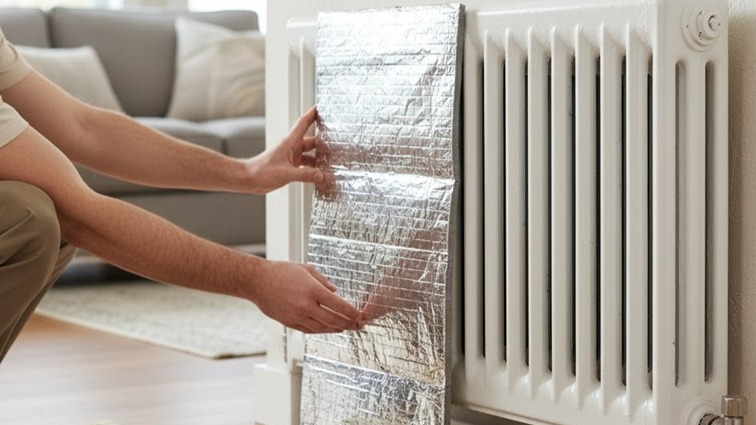
Keeping your home snug without watching heating bills skyrocket often feels like juggling kettles of boiling water. But there's a little-known trick that pays dividends: insulate behind radiators. By tackling this simple task, homeowners can improve radiator efficiency, enjoy faster room warm-ups and shave pounds off energy spend. Whether a seasoned tradesperson, a new business owner fitting out rental properties, or a keen DIYer, this guide walks through every detail, from picking the right materials to handy maintenance tips.
Understanding Heat Loss and Radiator Performance
Why Radiator Backs Get Chilly
Picture a radiator hard at work; it pumps out warmth, yet much of that heat heads straight into the wall behind it. That cold wall is literally sucking heat out of the room. Reflecting that warmth back into the living space helps the system work smarter, not harder.
The Science of Reflecting Heat
Heat travels from hot to cold. By introducing a reflective layer, often aluminium-faced foil or a rigid board, warmth bounces off the wall and back into the room. This simple barrier can boost overall heat output by up to 20%, meaning boilers run less and heat more efficiently. Quality boiler spares ensure the heating system maintains peak performance alongside insulation upgrades.
Selecting the Ideal Insulation for Behind Radiators
Reflective Foil Versus Rigid Boards
Reflective radiator foil: Thin, flexible and easy to cut, it's excellent for retrofits where removing the radiator isn't desirable.
Rigid insulation boards: Slightly thicker (25-50 mm), these offer superb thermal resistance and hold their shape neatly behind radiators that have been taken down.
Picking the Right Thickness
For a stone or solid brick wall, aim for 50 mm rigid boards. On stud walls or lighter partitions, 25 mm will usually do. Specialists at Heating and Plumbing World are happy to advise on the best fit for specific wall types.
Where to Source Materials
- Kingspan or similar PIR boards for reliable thermal performance
- Double-sided adhesive tape or spray adhesive for secure fixing
- Reflective foil for pipework and radiator backing in one go
Preparing Your Space for Insulation
Clearing the Area and Prioritising Safety
- Switch off the heating system and let radiators cool fully
- Move furniture, curtains or ornaments at least half a metre away from radiator walls
- Lay down dust sheets to catch debris, and wear gloves and goggles - nobody wants scratched walls or rogue splinters
Deciding to Remove Radiators or Install In-Situ
In-situ fitting: Ideal for those short on time or lacking a helper to lift heavy radiators. Works well with foil and thin boards.
Radiator removal: Best for thicker boards and a fresh coat of paint behind the radiator. Professional removal and refitting services are available if needed.
A Detailed How-To: Insulating Behind Radiators
Measuring and Marking Accurately
- Measure radiator height and width
- Add 50 mm to each dimension to ensure full coverage
- Mark boards or foil with a pencil, using a spirit level for pinpoint straight lines
Cutting and Fitting the Insulation
- Use a sharp utility knife or insulation saw on a flat surface
- Test-fit each piece before applying adhesive to avoid wasted cuts
- If working behind fixed radiators, cut foil into strips slightly longer than the height and cover the wall in overlapping rows
Applying Adhesive Without the Mess
For boards: spray a light, even coat on the board's back.
For foil: attach strips of double-sided tape around the perimeter and a few in the centre.
Press from top to bottom, smoothing air pockets as you go.
Refitting Your Radiator and Bleeding
- Rehang the radiator on its brackets, making sure it sits level
- Hand-tighten valve nuts, then give them a quarter-turn with a spanner - no need to overdo it
- Open valves, switch on the heating, then bleed each radiator to remove trapped air
Boosting Efficiency with Heating System Upgrades
Installing Thermostatic Radiator Valves (TRVs)
Swapping old valves for TRVs from brands like Honeywell or Danfoss lets homeowners dial in the exact temperature for every room. Combine this with insulation behind radiators, and bills drop genuinely lower.
Upgrading Your Circulation Pump
An ageing pump can hog electricity. Upgrading to an energy-efficient model, such as those from Grundfos, improves flow and cuts running costs, complementing the gains made by insulating behind radiators.
Adding Smart Controls and Thermostats
A programmable or smart thermostat learns routines, ensuring heating's only on when needed. Pair this with radiator insulation and TRVs, and homes rarely get heated when empty.
Maintenance and Checking for Long-Term Savings
Annual Insulation Inspections
Each autumn, peel back a corner of foil or board to check for damp. A damp patch means heat will escape; replace any compromised insulation promptly to keep things tight.
Troubleshooting Common Problems
Foil peeling: Reapply more tape or switch to spray adhesive next time.
Cold spots on radiator: Bleed again, and check boiler pressure - too low and radiators won't heat fully. Maintaining the correct pressure with properly sized expansion vessels prevents system issues.
Mould growth: Ensure adequate ventilation; sometimes, a simple extractor fan in the room solves the issue.
Beyond Radiator Insulation: Holistic Heating Savings
Pipework Insulation
Insulating pipes in lofts, garages and underfloor spaces means hot water reaches radiators without losing heat en route. Proper lagging kits prevent unnecessary heat loss throughout the system.
Regular Boiler Servicing
A well-tuned boiler burns fuel more cleanly. Genuine Worcester Bosch boiler spares ensure reliable performance during annual servicing. Schedule check-ups to keep systems humming efficiently.
Powerflushing and System Balancing
Sludge in the system won't just dull radiator output; it also makes pumps work harder. A professional powerflush clears deposits, and balancing ensures each radiator shares heat equally. Quality pressure relief valves maintain safe operating pressures throughout.
Real-Life Savings: Case Studies
The Victorian Terrace
One homeowner insulated behind radiators using 50 mm rigid boards. Paired with TRVs and a new Grundfos pump, their three-bed terrace dropped its winter gas bill by 18%. The difference was immediate - no more chilly living rooms after work.
A Modern New Build
A modern development opted for reflective foil behind radiators and smart thermostats in every room. With pipes fully lagged, the project far exceeded Part L building regulations and boasted running costs 25% below similar homes in the area.
Actions to Take Today
- Order insulation - choose boards for maximum warmth or foil for a quick fix
- Plan a weekend to insulate behind radiators, or book a professional installer
- Upgrade one radiator with a new TRV from Danfoss or Honeywell and feel instant control over comfort
- Schedule a boiler service and consider a pump replacement to build on insulation gains
Transform Your Heating System
By taking steps to insulate behind radiators and layering in smart upgrades, households can improve radiator efficiency, shrink carbon footprints and feel all the comfort without the cost. Ready to start saving? Contact us today for expert advice on radiator insulation, heating system upgrades and energy-efficient solutions. Here's to toastier rooms and happier wallets.