

How to Prevent Legionella in Domestic Hot Water
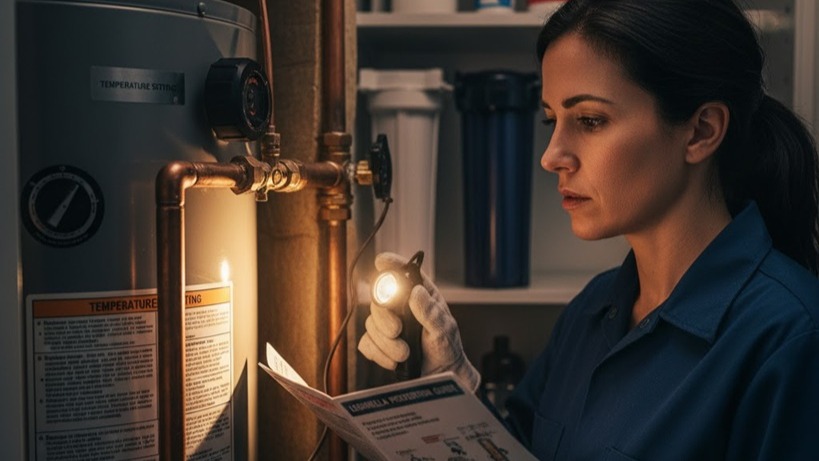
Few threats to health lurk unseen in everyday comforts like the hot-water supply. Legionella bacteria can colonise domestic systems, turning a soothing evening shower into a serious health hazard. Embracing proven Legionella prevention water systems strategies and regular hot water system disinfection safeguards families or tenants whilst maintaining total peace of mind. This comprehensive guide covers everything from risk factors and system design to practical maintenance tips and professional services.
Understanding the Risks of Legionella in Domestic Hot Water
A heating engineer once recounted a service call to a care home where several elderly residents had fallen ill with pneumonia-like symptoms. The investigation revealed poorly maintained hot-water cylinders harbouring Legionella colonies, with temperatures barely reaching 48°C, well within the bacteria's ideal growth range. That outbreak, which hospitalised three residents, could've been prevented with basic temperature management and routine disinfection. The lesson? Prevention is far easier than a cure.
What Legionella Is and Why It Matters
Legionella pneumophila is a naturally occurring bacterium found in freshwater environments. In domestic heating systems, it multiplies when water temperatures sit between 20°C and 45°C, especially in stagnant zones. When inhaled via fine droplets from showers or taps, the bacteria cause Legionnaires' disease, a potentially fatal form of pneumonia.
Think of Legionella like mould in a damp bathroom. Given the right conditions, warmth, moisture and stagnation, it flourishes. Deny those conditions, and it can't establish a foothold.
Who Is Most at Risk?
Certain groups face elevated danger from Legionella exposure:
- Older adults, particularly those over 50
- Smokers or those with chronic lung conditions
- Individuals with weakened immune systems
- Occupants of poorly managed properties, such as rental flats or care homes
Treating the hot-water circuit as a potential risk zone protects everyone under the roof, particularly vulnerable residents who lack the immune response to fight off infection.
Key Principles of Legionella Prevention in Water Systems
Effective prevention hinges on discouraging bacterial growth through system design and routine management.
Maintaining Appropriate Water Temperatures
Temperature control forms the foundation of Legionella prevention in water systems:
- Store at 60°C or above in the cylinder to kill bacteria
- Deliver at 50°C or above at the outlet
- Keep cold supplies below 20°C to inhibit growth
Regularly check cylinder thermostats. Brands like Gledhill and Andrews supply reliable stats rated for domestic use. A thermostat drifting by just 5°C can shift the entire system into the danger zone.
Preventing Stagnation and Deadlegs
Avoid unused outlets by closing or reconfiguring branches that see no flow. Promote circulation with a small circulating pump, such as a Grundfos unit sized to the system.
Deadlegs, lengths of pipe where water sits for days, are Legionella's favourite hangouts. Trim or blank off redundant runs. A 2-metre deadleg can harbour millions of bacteria whilst the rest of the system remains clean.
Thoughtful Material Choices and System Layout
Use copper or stainless steel pipework rather than plastic, which encourages biofilm formation. Minimise sharp bends and long runs by following a ring-main or two-pipe system.
Biofilm provides shelter for bacteria, protecting them from temperature extremes and disinfection chemicals. Smooth, non-porous materials like copper resist biofilm development significantly better than textured plastics.
Essential Strategies for Hot Water System Disinfection
When prevention isn't enough, periodic disinfection, both thermal and chemical, provides vital backup.
Thermal Disinfection ("Heat Shock")
Raising the cylinder temperature to 70°C for at least one hour kills off bacteria throughout the system:
- Boost the thermostat to 70°C, ensuring the entire cylinder reaches the target
- Open all hot outlets to heat the pipework thoroughly
- Restore normal settings after completion
Schedule thermal disinfection every six months, especially in high-risk properties. This simple procedure eliminates bacteria that've established themselves despite proper temperature management. But what happens if outlets haven't been used for weeks? Stagnant water in those branches needs flushing before thermal disinfection reaches them.
Chemical Disinfection
For systems where heat alone can't eradicate biofilm, chemical biocides, chlorine dioxide or peracetic acid can be injected using dosing pumps from Stuart Turner:
- Approved biocides contact all wetted surfaces
- After dwell time, the system is flushed and neutralised
- Chemical treatment proves especially useful in complex loopwork or inaccessible sections
Chemical hot water system disinfection requires specialist training and safety equipment. Handle biocides incorrectly, and they'll damage seals, corrode fittings or leave harmful residues.
Regular Flushing and Maintenance
Weekly or fortnightly flushing of little-used outlets prevents stagnation. Run each tap for 2–3 minutes until the temperature stabilises.
Descale and powerflush every 3–5 years to remove scale and biofilm using equipment from Halstead Spares. Scale deposits shelter bacteria from heat and chemicals, undermining even rigorous disinfection protocols.
Monitoring and Testing Domestic Hot Water Systems
A vigilant testing regimen catches emerging issues before they escalate.
Routine Sampling and Laboratory Testing
Conduct quarterly water samples tested for Legionella counts by accredited laboratories. Temperature checks at outlets confirm delivery above 50°C. Record results in a logbook for compliance and trend analysis.
Rising colony counts signal system degradation, perhaps thermostat drift, developing biofilm or new deadlegs. Catching these trends early prevents full-blown outbreaks.
Temperature Logging and Control Checks
Fit temperature sensors to cylinder outlets and return legs, logging via simple data loggers or smart controls. Review logs monthly; drops below 50°C signal the need for adjustment or maintenance.
Digital monitoring solutions alert property managers to issues in real time, enabling proactive intervention before bacteria multiply to dangerous levels.
Design and Installation Best Practices for Legionella Prevention
Preventative measures start before the first pipe is laid.
Cylinder Selection and Insulation
Choose unvented cylinders with stainless steel or enamel-lined interiors. These resist corrosion and biofilm formation better than basic mild steel.
Insulate cylinders and pipework to minimise heat loss and maintain microbicidal temperatures. Polypipe insulation jackets and sleeves ensure minimal temperature drop, keeping water hot enough to suppress bacterial growth throughout distribution.
Pipework Layout and Minimising Deadlegs
Opt for two-pipe systems delivering hot and cold directly to outlets, rather than single-feed ring mains prone to stagnation. Keep runs under 3 metres where possible, and label branches clearly to aid flush routines.
Complex layouts with multiple deadlegs require detailed flush schedules and may benefit from circulation pumps maintaining constant flow through vulnerable sections.
Incorporating Mixing Valves and Their Maintenance
Whilst thermostatic mixing valves (TMVs) deliver safe outlet temperatures, they must be serviced regularly:
- Fit TMVs at the point of use, but thermostat the cylinder at 60°C+
- Replace or clean cartridges from Danfoss or Honeywell every 6–12 months
This dual approach balances Legionella prevention in water systems with user comfort; bacteria die in the cylinder, whilst scalding is prevented at the tap.
Cleaning and Servicing: Keeping Systems Safe
Well-maintained systems run for years without issue.
Scheduled Maintenance Regimes
Implement monthly temperature checks at sentinel outlets, biannual thermal disinfection and annual chemical treatment where needed. Landlords and care home operators must document these activities to demonstrate compliance with health and safety regulations.
Bespoke maintenance schedules account for system complexity, usage patterns and risk assessments. High-risk properties, care homes, hospitals, and hotels require more frequent intervention than standard domestic dwellings.
Powerflushing and Scale Removal
Scale provides an ideal shelter for bacteria. A powerflush circulates descale chemicals at high velocity, removing sludge and scale from cylinders, heat exchangers and pipework.
Top-end powerflushing units from Halstead Spares deliver thorough cleaning without damaging components. Chemical powerflush agents break down scale deposits whilst inhibitors protect against future corrosion.
Role of Expansion Vessels and Pumps
Correctly sized expansion vessels from Andrews and pumps from Grundfos or Stuart Turner maintain pressure and circulation, preventing stagnant pockets where Legionella thrives.
Undersized pumps fail to circulate water through distant branches. Oversized pumps create excessive velocity, causing erosion and premature seal failure. Proper sizing balances flow requirements with component longevity.
Products and Services from Heating and Plumbing World
Heating and Plumbing World offers a full suite of Legionella prevention solutions:
Legionella Prevention Water Systems Products
- Thermostats and stat-controlled cylinders: Gledhill and Andrews ranges
- Mixing valves and TMVs: Honeywell, Danfoss and Altecnic options
- Circulation pumps: Grundfos and Stuart Turner models for continuous flow
Professional Hot Water System Disinfection Services
Thermal disinfection and chemical dosing handled by certified engineers ensures proper execution without safety risks. Powerflush and scale removal packages are tailored to system size, from compact flats to multi-storey commercial buildings.
Technical Support and Training
On-site training for caretakers or maintenance staff covers risk assessment, temperature monitoring and emergency response. Remote consultancy on system design, compliance and risk assessments helps property managers meet their legal obligations. Reach out to us for specialist advice.
Case Study: Family Home Refurbishment
Initial Challenges and Risk Assessment
A Victorian terrace in Bristol had an ageing cylinder, long dead legs and no temperature monitoring. Occasional tepid taps and a small Legionella scare prompted the homeowner to commission a full system assessment.
The survey revealed temperatures averaging 48°C at outlets, well within the danger zone, and three dead legs exceeding 5 metres where water sat stagnant for days.
Implemented Interventions for Legionella Prevention in Water Systems
The refurbishment included:
- Replacing the cylinder with a stainless-steel unvented model from Gledhill, set to 60°C
- Re-laying pipework into a two-pipe system, eliminating deadlegs
- Insulating all runs with Polypipe sleeves
- Installing a Grundfos Magna3 pump to maintain circulation
- Fitting TMVs at bathroom outlets, serviced quarterly
Results and Homeowner Feedback
Post-refurbishment, temperatures held above 55°C at every outlet. Annual Legionella tests returned zero counts. The family enjoyed consistent hot showers without scalding risks. The homeowner's feedback: "I sleep easier knowing the system cares for itself."
Take Action: Safeguard Hot Water Systems Today
Legionella prevention needn't be worrying. Maintaining safe temperatures, avoiding stagnation, scheduling hot water system disinfection and engaging professional support keep taps reliably hot and households healthy.
For expert surveys on Legionella prevention in water systems, reach out via the contact us for a no-obligation assessment. Schedule hot water system disinfection, thermal or chemical cleaning, to eliminate existing bacterial colonies. Explore training and technical guides to arm maintenance teams with practical know-how.
With thoughtful design, routine maintenance and the right expertise, potential hazards transform into models of safe, efficient water delivery. Here's to hot taps you can trust, every day.