
 -
- How to Reduce Heating Bills Without Replacing Your Boiler
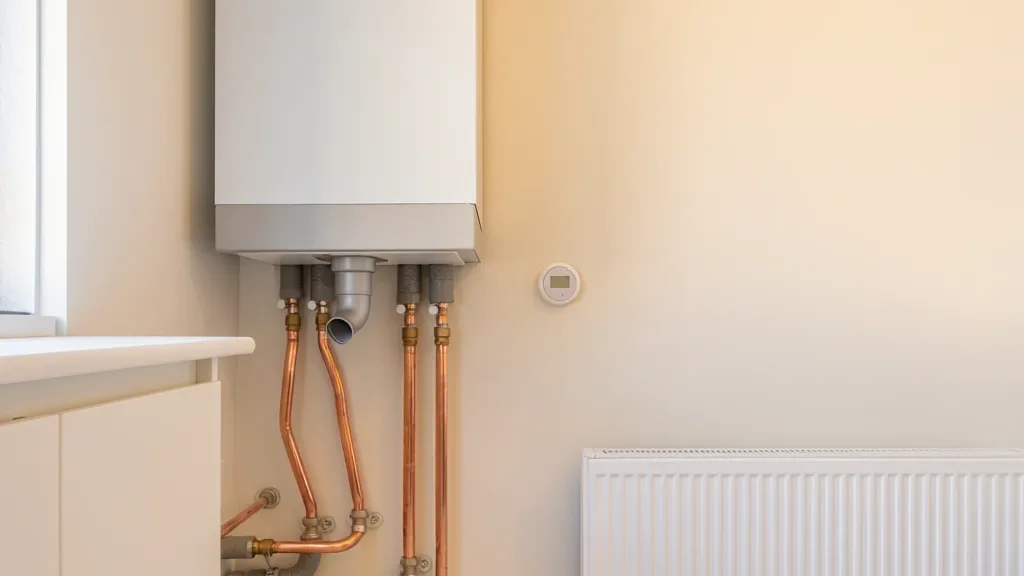
Replacing a boiler is not always the first step to consider when heating bills are higher than expected. Before committing to a new system, it can be worth assessing how the existing heating system is operating, how the controls are being used, and whether heat is being lost unnecessarily.
A heating system can become less effective for many reasons. Poor system balance, outdated controls, inadequate insulation, incorrect settings, pressure problems and general maintenance issues can all affect how efficiently a system operates. For homeowners looking to reduce heating bills, the right improvement will depend on the property, the heating system, its condition and how the household uses it.
The following checks can help identify areas that may be worth investigating before replacing a boiler.
Check Whether The Heating System Is Properly Balanced
An unbalanced heating system can result in some radiators heating faster than others, while certain rooms may remain cooler than expected. This can affect comfort and may cause the heating system to operate differently from how it was designed.
Radiator balancing involves adjusting the flow of heating water through the system. A radiator lockshield valve is one of the components that may be adjusted when balancing a heating system, but the correct approach depends on the system design, radiator arrangement, valves, boiler controls and other components.
Rather than following a fixed balancing procedure or temperature target from a general guide, homeowners should ask a competent heating engineer to assess whether the system is balanced and adjust the flow where appropriate for the specific system design. If a replacement is required, a suitable10mm angled CH lockshield radiator valve should be selected based on the existing system and connection requirements.
Understanding the condition and operation of each radiator lockshield valve can form part of a professional assessment, particularly where some radiators consistently remain cold or take considerably longer to heat than others.
Review The Heating Controls
Heating controls determine when the system operates and how much heat is delivered. Older timers and basic thermostats may provide less control than modern systems, particularly where different rooms have different heating requirements.
Review how the existing controls are being used and whether the heating schedule reflects the household's actual routine. Rooms that are rarely occupied may not need the same heating settings as frequently used living spaces, subject to the requirements of the property and heating system.
Programmable thermostats can provide greater scheduling flexibility, whilesmart heating controls can offer additional features such as remote access and automated scheduling. The most suitable option will depend on the boiler, heating system and existing controls.
Where the boiler and controls are compatible, modulation or weather- or load-compensation controls may improve operation. OpenTherm can support communication between compatible boilers and controls, but it does not automatically mean that a control system provides weather compensation. A qualified installer should confirm compatibility and appropriate settings.
Look For Opportunities To Improve Pipe Insulation
Heat can be lost from heating pipework that passes through unheated areas such as lofts, garages or other spaces where heat is not required.
Homeowners can inspect accessible pipework for obvious areas where insulation appears to be missing or damaged. Particular attention may be worthwhile where pipes pass through unheated parts of a property.
The correct insulation product and specification depend on the pipework, location and applicable requirements. Rather than relying on a generic thickness recommendation, check the relevant guidance and product specifications or ask a qualified professional for advice.
Hot-water cylinders should also be assessed for adequate insulation. Older cylinders may have less effective insulation than modern systems, so this can be another area worth discussing during an energy-efficiency review.
Review Hot-Water Settings Carefully
Hot-water settings should not be changed based solely on generic advice from an online article.
Storage temperatures, boiler flow temperatures and other settings depend on the type of heating and hot-water system installed. Stored hot water also needs to be managed in accordance with applicable safety requirements, including measures intended to control the risk of Legionella.
For systems with stored hot water, current HSE guidance on hot and cold water systems provides information on appropriate hot-water temperatures and Legionella control. The correct setup and control strategy still depend on the type and design of the system.
Before changing hot-water or boiler settings, homeowners should check the boiler and cylinder manufacturer's instructions and seek professional advice where necessary.
This is particularly important for systems with stored hot water, unvented cylinders or controls that require specific operating temperatures.
Consider Whether The Circulation Pump Needs Assessment
The circulation pump moves heated water around the system. If a pump is old, incorrectly selected or not operating appropriately for the system, it may affect heating performance and electrical consumption.
Modern high-efficiency pumps can adjust their operation according to system demand, but replacing a pump should not be treated as a universal energy-saving solution.
Circulation pumps need to be selected according to the heating system, flow requirements and application. Compatibility and electrical requirements should also be considered before replacement.
Installation should be handled by an appropriately qualified professional.
If the heating system is noisy, certain radiators are not heating properly, or the system has undergone changes in the past, it may be worth asking a heating engineer whether the circulation pump and hydraulic operation should be assessed.
Bleed Radiators When Appropriate
Air trapped inside a radiator can prevent it from heating evenly and may result in a cold area, particularly towards the top of the radiator.
If a radiator is cold at the top while warmer lower down, trapped air may be one possible explanation. Homeowners can refer to the boiler and radiator manufacturer's guidance for information about whether and how the radiator should be bled.
After any maintenance involving a sealed heating system, pressure may need to be checked in accordance with the manufacturer's instructions. Do not repeatedly top up a system without investigating the reason for ongoing pressure loss.
Persistent pressure problems can indicate an underlying fault and should be assessed by a qualified heating engineer.
Investigate Repeated Pressure Loss
A sealed heating system operates within a specified pressure range. If pressure repeatedly falls, simply adding more water may only address the symptom rather than the underlying problem.
Possible causes can include leaks, component faults or problems within the expansion arrangement. An expansion vessel helps manage the changes in pressure that occur as water heats and expands within a closed system.
Determining the cause of pressure problems requires an appropriate assessment of the individual system.
If a boiler repeatedly loses pressure or water is discharged through a pressure relief route, arrange for a qualified heating engineer to investigate the problem.
Do not remove the boiler casing or attempt to work on internal boiler components. Internal boiler work can involve safety-critical components and should be carried out by an appropriately qualified professional.
Review Boiler Flow Temperature With A Professional
Boiler flow temperature can affect how a heating system operates, particularly where a condensing boiler is installed. However, there is no single flow-temperature setting that is appropriate for every property.
The correct setting depends on factors such as the boiler, radiators, heating controls, system design, hot-water arrangements and the heat demand of the property.
Instead of applying a generic temperature recommendation, homeowners should check the boiler manufacturer's guidance and ask a qualified heating engineer whether the current settings are appropriate.
A professional can assess whether the heating system is capable of meeting the property's heat demand at an appropriate operating temperature while maintaining safe and reliable operation.
Arrange Regular Boiler Servicing
Regular servicing is an important part of maintaining a heating system. A service can help identify faults, maintenance requirements and other issues that could affect safe operation and performance.
Homeowners should follow the boiler manufacturer's servicing recommendations and use an appropriately qualified engineer for gas-boiler servicing. For information about gas safety and finding an appropriately registered gas engineer, consult the Gas Safe Register.
A service may also provide an opportunity to discuss recurring problems, unusual noises, heating inconsistencies, pressure loss or changes in energy use with the engineer.
If the system is older or has experienced recurring issues, ask the engineer whether additional maintenance or system cleaning is appropriate. Powerflushing or chemical cleaning should not be recommended as a routine solution without first establishing whether the system actually requires it.
Check Whether The Existing System Needs Professional Assessment
Before replacing a boiler, consider whether the problem has been properly diagnosed.
A professional heating-system assessment can consider several factors, including:
● Whether the radiators and heating circuit are appropriately balanced
● Whether the existing controls are suitable for the household's heating requirements
● Whether accessible pipework has adequate insulation
● Whether the circulation pump is suitable and operating correctly
● Whether the boiler flow temperature and controls are appropriately configured
● Whether repeated pressure loss indicates an underlying fault
● Whether system cleaning or other maintenance is actually necessary
● Whether the existing boiler remains suitable for the property's heating demand
Taking this approach can help homeowners identify practical opportunities to reduce heating bills without automatically assuming that a boiler replacement is required.
When Boiler Replacement May Be Appropriate
Improving an existing heating system does not mean that boiler replacement is never necessary.
A replacement may need to be considered when a boiler is unsafe, beyond economical repair, unsuitable for the property or approaching the end of its useful service life. A qualified heating professional can assess the condition and suitability of the existing system before recommending the appropriate course of action.
Where replacement is being considered, the assessment should also take account of the wider heating system rather than focusing on the boiler alone. Controls, radiators, pipework, hot-water arrangements and system requirements can all influence the suitability of a replacement.
Conclusion
Reducing heating costs does not automatically require replacing the boiler. In many cases, it is worth first assessing how the existing heating system is maintained, controlled and operated.
Start with the basics: review the heating controls, look for accessible insulation opportunities, follow the boiler manufacturer's maintenance guidance and pay attention to recurring problems such as uneven radiator temperatures, unusual system noise or repeated pressure loss. These checks may help households reduce heating bills while determining whether further professional improvements are appropriate.
For system balancing, flow-temperature adjustments, pump selection, pressure problems, hot-water safety, boiler work or system cleaning, seek advice from a qualified heating professional rather than relying on generic DIY instructions.
The right approach depends on the property, the heating system, its condition and household use. A proper assessment can help determine whether maintenance or targeted improvements are appropriate before committing to a complete boiler replacement.
If professional advice is needed on compatible heating components or the options available for a particular system, contact us for guidance.