

How to Stay Compliant When Renovating Heating Systems
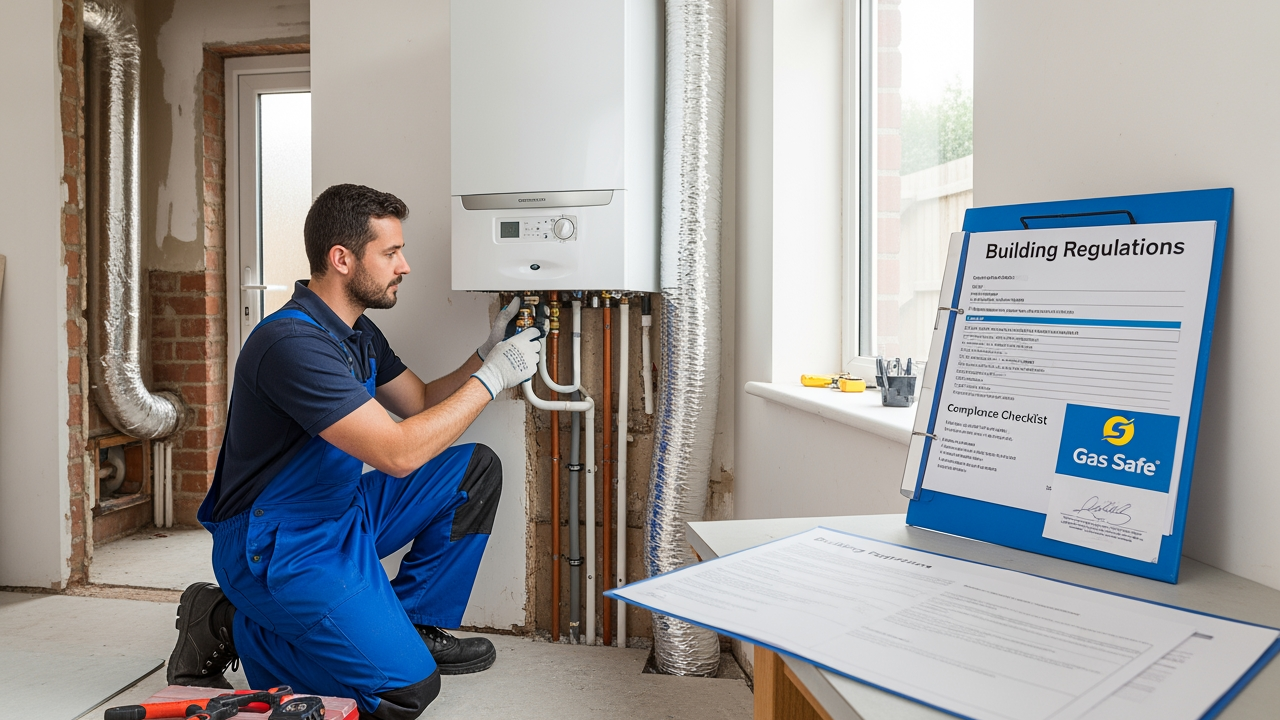
Renovating a heating system involves more than selecting the right boiler or upgrading radiators. Homeowners and contractors must navigate a complex framework of legal requirements, safety standards, and technical specifications to ensure heating system compliance throughout the renovation process. Failure to meet these standards can result in dangerous installations, invalidated warranties, costly penalties, and even legal action.
Understanding the heating regulations is essential for anyone undertaking heating work in the UK. From Gas Safe registration requirements to Building Regulations approval, every aspect of a heating renovation must align with current legislation. Heating and Plumbing World supplies compliant components and replacement parts that meet UK safety standards, helping installers and homeowners maintain regulatory compliance throughout their projects.
This comprehensive guide explains the legal framework governing heating renovations, identifies common compliance pitfalls, and provides practical strategies for maintaining heating system compliance from initial planning through final inspection.
Understanding the Legal Framework for Heating Renovations
The UK's heating regulations exist to protect occupants from carbon monoxide poisoning, gas explosions, fire hazards, and inefficient systems that waste energy. Multiple regulatory bodies oversee different aspects of heating work, creating a layered compliance structure that applies to all heating system modifications.
Gas Safety (Installation and Use) Regulations 1998
These regulations form the foundation of heating system compliance for any work involving gas appliances. Only Gas Safe-registered engineers can legally work on gas heating systems, boilers, or pipework. This includes installing new boilers, replacing gas valves, modifying gas supply lines, or servicing existing gas appliances.
The Gas Safe Register replaced CORGI in 2009 as the official registration body for gas engineers in the UK. Every Gas Safe registered engineer carries a unique licence number and photo ID card that homeowners should verify before allowing any gas work to proceed. Engineers must operate within their specific competence areas - a technician qualified for domestic boilers may not be authorised for commercial systems or specific fuel types.
Violating these regulations carries serious consequences. Unregistered gas work is a criminal offence punishable by fines up to £5,000, imprisonment up to six months, or both. Insurance companies typically refuse claims for damage caused by non-compliant installations, leaving property owners financially exposed.
Building Regulations Part L (Conservation of Fuel and Power)
Part L governs the energy efficiency standards for heating installations and renovations. When replacing a boiler or installing a new heating system, the work must meet minimum efficiency requirements specified in the current Building Regulations. Modern condensing boilers typically achieve 90% or higher efficiency ratings, significantly outperforming older non-condensing models.
Part L also mandates proper system controls, including programmable thermostats, thermostatic radiator valves (TRVs), and zone controls for larger properties. These requirements ensure heating systems operate efficiently, reducing energy consumption and carbon emissions whilst maintaining comfortable temperatures.
Building Regulations Part J (Combustion Appliances and Fuel Storage Systems)
Part J covers the safe installation of combustion appliances, including gas and oil boilers. These regulations specify requirements for ventilation, flue positioning, combustion air supply, and clearance distances from combustible materials. Proper ventilation prevents dangerous carbon monoxide accumulation, whilst correct flue installation ensures combustion gases vent safely outdoors.
Part J also addresses fuel storage for oil heating systems, specifying tank placement, bunding requirements, and fire protection measures. Oil tank installations must comply with specific distance requirements from buildings, boundaries, and water sources to prevent environmental contamination.
Essential Compliance Steps Before Starting Renovation Work
Achieving heating system compliance begins before any physical work commences. Proper planning, documentation, and professional consultation prevent costly mistakes and ensure renovations meet all applicable regulations.
Engage a Gas Safe Registered Engineer Early
Select a Gas Safe registered engineer during the planning phase, not after purchasing equipment or beginning demolition. Experienced engineers assess existing systems, identify compliance requirements, recommend appropriate equipment, and design installations that meet current regulations. They can also advise on whether proposed changes trigger Building Control notification requirements.
Verify the engineer's Gas Safe registration at the official register website or by calling the Gas Safe Register helpline. Check that their competencies match your specific project requirements - not all Gas Safe engineers work with oil boilers, unvented hot water systems, or commercial installations.
Notify Building Control When Required
Certain heating renovations require Building Regulations approval before work begins. Notifiable work includes installing or replacing fixed building services like heating systems, hot water systems, and mechanical ventilation. Homeowners have two notification options:
Building Notice: Submit plans to the local authority Building Control department, who inspect the work at key stages and issue a completion certificate when satisfied the installation meets regulations. This route typically costs £300-£500, depending on the local authority and project scope.
Competent Person Scheme: Hire an installer registered with an approved Competent Person Scheme (such as Gas Safe Register for gas work). These installers self-certify their work and issue a Building Regulations Compliance Certificate directly to the homeowner, who must retain this document for future property sales. This route eliminates separate Building Control fees and notification processes.
Assess Existing System Compatibility
Modern heating components must integrate properly with existing infrastructure. An experienced engineer evaluates pipework condition, electrical supply adequacy, water pressure, and system design before recommending upgrades. Mismatched components can cause system failures, void warranties, and create compliance issues.
For example, installing a high-output combi boiler on undersized pipework restricts flow rates and reduces system performance. Adding a powerful system pump to old, corroded pipework may cause leaks. Replacing a conventional boiler with a combi requires removing the cold water storage tank and hot water cylinder, which affects bathroom water pressure and may necessitate shower upgrades.
Key Compliance Requirements During Installation
Maintaining and renovating heating regulations throughout the installation phase requires attention to technical specifications, safety standards, and documentation practices. Each installation stage must meet defined requirements to ensure overall system compliance.
Correct Component Selection and Specification
All heating components must carry appropriate safety certifications for UK use. Boilers require CE marking and compliance with the Boiler Efficiency Directive. Gas valves, controls, and safety devices must meet British Standards and European Norms (BS EN standards). Using non-certified components voids insurance coverage and violates safety regulations.
Quality boiler spares from reputable manufacturers ensure replacement parts meet the same standards as original equipment. Genuine manufacturer parts typically include compliance documentation and warranty coverage that aftermarket alternatives lack.
Proper Flue Installation and Termination
Flue systems must comply with manufacturer specifications and Building Regulations Part J requirements. Horizontal flues require a minimum 300mm clearance below openable windows, whilst vertical flues need specific distances from roof edges and ventilation openings. Flue terminals must not discharge into courtyards, covered walkways, or areas where combustion gases could accumulate.
Condensing boilers produce acidic condensate that requires proper drainage to an internal waste pipe, soak-away, or dedicated external drain. Never discharge condensate onto the ground surface or into rainwater systems, as the acidic content damages plants and corrodes metalwork.
Adequate System Controls and Safety Devices
Modern heating installations require multiple control layers for safety, efficiency, and user convenience. Mandatory controls include:
Boiler Interlock: Prevents the boiler from firing when no heat demand exists, improving efficiency and component longevity. Achieved through proper wiring of the room thermostat, programmer, and zone valves.
Room Thermostat: Provides temperature control for the main living areas, typically placed in the hallway or living room away from heat sources and draughts.
Programmer or Time Switch: Enables users to schedule heating operation times, reducing energy waste during unoccupied periods.
Thermostatic Radiator Valves (TRVs): Allow individual room temperature control, preventing overheating in bedrooms and reducing energy consumption.
Pressure Relief Valves: Essential safety devices that prevent dangerous pressure accumulation in sealed heating systems. Quality pressure relief valves must be correctly sized and installed according to the manufacturer's specifications.
Expansion Vessels: Accommodate water expansion in sealed systems, maintaining safe operating pressures. Properly sized expansion vessels prevent frequent pressure relief valve discharge and protect system components from pressure fluctuations.
Electrical Work Compliance
Heating system electrical work must comply with BS 7671 (IEE Wiring Regulations). This includes proper cable sizing, circuit protection, earthing arrangements, and safe connection methods. Many heating engineers hold electrical qualifications, but complex electrical work may require a separate qualified electrician.
All electrical connections to the boiler require appropriate fused spurs, typically rated at 3 amps for domestic boilers. Controls must be wired according to manufacturer diagrams using the correct cable types - typically three-core and earth for motorised valves, two-core and earth for thermostats.
Water Treatment and System Cleanliness
New boilers installed on existing systems require thorough system cleaning before commissioning. Accumulated sludge, rust, and debris from old pipework damage modern boiler heat exchangers, which feature narrow waterways that block easily. Regulations require engineers to clean heating systems and add corrosion inhibitor before connecting new boilers.
Power flushing removes debris by circulating cleaning chemicals through the system at high velocity. Chemical cleaning uses descaling agents and dispersants to dissolve deposits. After cleaning, engineers add an inhibitor to prevent future corrosion and maintain heating system compliance with the manufacturer's warranty conditions.
Compliance Requirements for Specific Heating System Types
Different heating technologies face unique regulatory requirements that installers must address to maintain heating system compliance throughout the renovation.
Gas Boiler Installations
Gas boiler work represents the most heavily regulated heating category due to carbon monoxide and explosion risks. Beyond Gas Safe registration requirements, gas installations must meet specific technical standards:
- Gas supply pipework must be correctly sized for the boiler's maximum gas rate, verified by pressure drop testing
- Emergency control valves must be accessible and clearly labelled
- Ventilation must meet manufacturer requirements and Building Regulations minimums
- Flue systems require proper support, weatherproofing, and termination positions
- Commissioning must include gas rate verification, combustion analysis, and safety device testing
Oil Boiler Systems
Oil heating faces distinct regulations covering fuel storage, supply pipework, and burner installation. Oil Control Equipment (OCE) regulations specify requirements for fire valves, tank overfill prevention, and supply line installation. Oil storage tanks require bunding if they hold more than 2,500 litres or are located where spillage could reach water courses.
Fire valves provide crucial safety protection by automatically shutting off the oil supply if a fire is detected. Quality fire valves must be installed in accessible locations between the tank and boiler, allowing easy manual operation during emergencies.
Unvented Hot Water Systems
Unvented cylinders store hot water under mains pressure, delivering superior flow rates compared to traditional vented systems. However, their high pressure creates serious safety risks if incorrectly installed. Only G3-qualified engineers can legally install unvented hot water systems in the UK.
G3 qualification covers pressure relief valve selection, expansion vessel sizing, temperature control, and safety device testing. Unvented systems require annual servicing to maintain safety device functionality and system compliance.
Heat Pump Installations
Heat pumps represent emerging technology subject to evolving regulations. Air source heat pumps generally fall under Permitted Development rights for domestic installations, but ground source heat pumps may require planning permission due to ground disturbance.
Heat pumps require careful electrical design due to their significant power consumption. Most installations need upgraded consumer units, separate circuits, and sometimes a three-phase power supply for larger systems. Refrigerant handling requires F-Gas certification, adding another layer of professional qualification requirements.
Documentation and Certification Requirements
Proper documentation proves heating system compliance and provides essential information for future maintenance, property sales, and insurance claims. Missing documentation can devalue property, void warranties, and create legal complications.
Gas Safe Completion Certificates
Gas Safe registered engineers must issue a Certificate of Compliance (Building Regulations) or Installation Certificate for all gas work. These documents confirm the installation meets current regulations and include technical details about the work performed. Homeowners should retain these certificates permanently as proof of compliant installation.
The certificate includes:
- Engineer's Gas Safe registration number and photo
- Work description and equipment details
- Confirmation that work meets Building Regulations requirements
- Date of completion and the engineer's signature
Manufacturer Commissioning Records
Boiler manufacturers require completed commissioning documentation to validate warranties. These records prove the installer properly commissioned the equipment, set operating parameters correctly, and tested safety devices. Without proper commissioning records, manufacturers may reject warranty claims for equipment failures.
Building Control Completion Certificates
When Building Control involvement is required, they issue a completion certificate confirming the work meets Building Regulations. This document is essential for property sales, as solicitors request proof of compliance for all notifiable work. Missing certificates can delay property transactions or reduce sale values whilst retrospective approval is sought.
Benchmark Logbooks
Benchmark logbooks provide a service history for the heating system, recording installation details, commissioning results, and subsequent service visits. Engineers should complete the logbook at installation and update it during annual services. These records help diagnose problems, track component replacements, and demonstrate proper system maintenance.
Common Compliance Pitfalls and How to Avoid Them
Understanding frequent compliance failures helps homeowners and installers avoid costly mistakes that compromise safety and legal compliance.
Using Unregistered Installers
Hiring unregistered installers to save money creates serious risks. Beyond legal penalties and insurance voids, unregistered work often features dangerous shortcuts, substandard materials, and incorrect installation methods. Combustion analysis equipment, gas leak detection tools, and pressure testing equipment cost thousands of pounds - investments that unregistered operators rarely make.
Inadequate Ventilation
Insufficient ventilation causes carbon monoxide accumulation, creating deadly hazards. Ventilation requirements vary based on boiler type, location, and room size. Room-sealed boilers draw combustion air directly from outdoors through a balanced flue, eliminating indoor ventilation requirements. Open-flue boilers require permanent ventilation openings sized according to the appliance's input rating.
Blocking existing ventilation during renovations creates dangerous situations. Never seal air bricks, block flue openings, or obstruct ventilation grilles serving boiler rooms or appliance compartments.
Incorrect Flue Extensions or Modifications
DIY flue modifications violate regulations and create carbon monoxide risks. Flue systems are engineered assemblies where every component affects performance. Adding unauthorised extensions, using incorrect pipe diameters, or installing unsupported horizontal runs causes flue failures and dangerous gas spillage.
Skipping System Cleaning
Installing new boilers on dirty systems causes premature failures and voids warranties. Manufacturers explicitly state that warranties require proper system cleaning and inhibitor dosing. The short-term cost savings of skipping power flushing result in expensive boiler repairs or replacements within months.
Neglecting Annual Servicing
Many homeowners install compliant systems but fail to maintain them properly. Gas Safe regulations require annual servicing of gas appliances to verify continued safe operation. Service visits detect deteriorating components, verify safety device functionality, and clean burners to maintain efficient combustion. Neglecting servicing leads to dangerous carbon monoxide production, reduced efficiency, and premature component failures.
Post-Installation Compliance and Ongoing Responsibilities
Achieving heating system compliance doesn't end when installation completes. Homeowners face ongoing responsibilities to maintain system safety and legal compliance.
Register Warranties and Guarantees
Register boiler warranties immediately after installation to activate coverage. Most manufacturers provide 5-10 year warranties on domestic boilers, but these only apply if the warranty is registered within a specified period (typically 30 days) and annual servicing is maintained.
Extended warranties often require using manufacturer-approved engineers and genuine spare parts. Installing quality Worcester Bosch boiler spares during repairs maintains warranty compliance whilst ensuring optimal equipment performance.
Schedule Annual Servicing
Book annual boiler servicing with a Gas Safe registered engineer to maintain safety, efficiency, and warranty validity. Service visits typically cost £80-£120 but prevent expensive breakdowns and extend equipment lifespan. Engineers clean burners, test safety devices, analyse combustion performance, and identify developing problems before they cause failures.
Maintain Records for Property Sales
Retain all heating system documentation in a safe location. Property solicitors request compliance certificates, warranty documents, and service records during conveyancing. Missing documentation raises questions about system safety and compliance, potentially delaying sales or reducing property values.
Monitor System Performance
Homeowners should watch for signs indicating compliance issues or developing problems:
- Yellow or orange flames instead of blue indicate incomplete combustion
- Frequent pressure loss suggests leaks or expansion vessel failures
- Unusual noises indicate circulation problems or boiler component issues
- Increased energy consumption without usage changes suggests efficiency decline
- Pilot light frequently extinguishing indicates ventilation or safety device problems
Report these symptoms promptly to a Gas Safe registered engineer. Early intervention prevents minor issues from escalating into dangerous situations or expensive repairs.
Conclusion
Maintaining heating system compliance throughout renovation projects protects occupants, preserves property values, and ensures legal conformity. From initial planning through long-term maintenance, every stage requires attention to regulations, safety standards, and technical requirements.
Working with qualified Gas Safe registered engineers, selecting certified components, following proper installation procedures, and maintaining thorough documentation creates compliant heating systems that deliver safe, efficient performance for years. The investment in professional installation and quality parts pays dividends through reliable operation, lower energy costs, and peace of mind about system safety.
For expert guidance on heating renovations and access to compliant heating components, contact us to discuss your project requirements. Professional support ensures your heating renovation meets all regulatory requirements whilst delivering the performance and efficiency your property deserves.