

How to Stop Your Shower from Going Hot and Cold
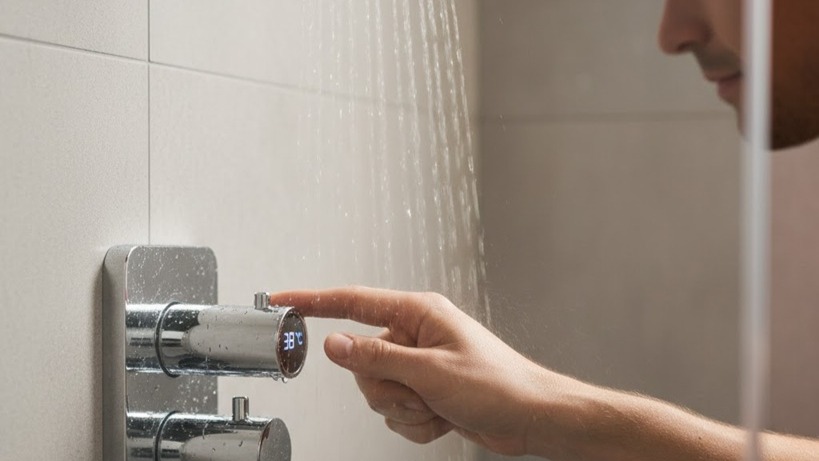
There's nothing worse than standing under the shower, relaxed and enjoying the warmth, only to be hit by a sudden blast of scalding water, or worse, an icy shock. Shower temperature fluctuations are one of the most common complaints in domestic plumbing, but they're also one of the most fixable. Understanding why your shower swings between hot and cold is the first step to getting consistent, comfortable water temperature every time.
Most temperature swings stem from pressure imbalances, faulty thermostatic cartridges, or poor system design. Whether you're dealing with an older gravity-fed system or a modern combi boiler setup, the root cause is usually straightforward once you know where to look. Let's break down the most common culprits and how to stabilise shower temperature for good.
Understanding Shower Temperature Fluctuations
Shower temperature fluctuations occur when the balance between the hot and cold water supply changes suddenly. Think of your shower mixer like a set of scales; when one side gets heavier (more pressure), the other side lifts, and your temperature shifts.
This happens most often when someone flushes a toilet, turns on a kitchen tap, or runs a washing machine. The cold water supply drops momentarily, leaving you with a surge of hot water. In older systems with poor flow rates, the opposite can happen: hot water pressure drops, and you're left shivering.
Combi boiler systems are particularly prone to this. They heat water on demand, so when multiple outlets draw water simultaneously, the boiler struggles to maintain a consistent output temperature. Gravity-fed systems with separate hot and cold tanks can also suffer if the cold mains pressure is significantly higher than the hot water pressure from the cylinder.
Check Your Thermostatic Mixer Valve
The thermostatic mixer valve (TMV) is your first line of defence against wild temperature swings. It automatically adjusts the mix of hot and cold water to maintain your set temperature, even when supply pressures fluctuate.
Signs Your TMV Is Failing
A faulty TMV cartridge is one of the most common causes of unstable shower temperature. If your shower worked fine for years and suddenly started acting up, the cartridge has likely worn out.
Look for these warning signs:
- The temperature changes dramatically when other taps are used
- The shower takes ages to reach the right temperature
- You can't get the water as hot as you used to
- The control feels stiff or gritty when you turn it
Replacing a thermostatic cartridge is a straightforward job for most heating engineers. Turn off the water supply, remove the shower trim and handle, extract the old cartridge, and slot in a new one. Brands like Honeywell manufacture reliable replacement cartridges for most major shower manufacturers.
Balance Your Water Pressures
Unbalanced water pressures are the root cause of most temperature fluctuations. When your cold mains pressure is significantly higher than your hot water pressure, any change in demand sends your shower temperature all over the place.
Test Your Pressures
Grab a bucket and a stopwatch. Run your cold tap for 10 seconds and measure how much water you collect. Do the same with your hot tap. If there's a big difference, say, 10 litres from the cold and only 5 litres from the hot, you've found your problem.
Ideally, both supplies should deliver similar flow rates. In a mains-fed system, both hot and cold should come from the mains at similar pressures. In a gravity-fed system, both should come from tanks at similar heights.
Install a Pressure-Balancing Valve
A pressure-balancing valve (or pressure-equalising valve) sits between your hot and cold supplies and automatically adjusts flow to keep pressures matched. It's like having a referee in your plumbing system, ensuring neither side gets an unfair advantage.
These valves are particularly effective in older homes where you can't easily modify the pipework or tank positions. They compensate for pressure differences mechanically, so you don't need pumps or electrical controls.
Upgrade to a Thermostatic Shower Valve
If you're still using a manual mixer shower, you're fighting a losing battle. Manual mixers have no built-in protection against pressure or temperature changes; you're entirely at the mercy of your plumbing system.
Thermostatic shower valves contain a wax-filled element or bimetallic coil that expands and contracts with temperature changes. When the water gets too hot, the element expands and restricts hot water flow while opening the cold supply. When it cools, the opposite happens.
Modern thermostatic valves often include:
- Maximum temperature stops (usually 38°C for safety)
- Automatic shut-off if cold supply fails
- Built-in non-return valves
- Pressure-balancing mechanisms
Brands available through Heating and Plumbing World offer valves with advanced ceramic disc technology that provide smooth, reliable temperature control for years. The upfront cost is higher than that of a manual mixer, but the improvement in shower quality is immediate and permanent.
Check Your Combi Boiler Settings
Combi boilers are convenient, no tanks, no cylinders, instant hot water, but they're sensitive to flow rate and temperature demands. If your shower temperature fluctuates with a combi, the boiler's likely struggling to modulate correctly.
Adjust the Pre-Heat Function
Many modern combis have a pre-heat or "comfort mode" that keeps a small amount of water hot in the heat exchanger. This reduces the lag when you first turn on a tap, but it can cause an initial surge of very hot water.
If your shower starts scalding hot, then settles down, try disabling pre-heat. You'll wait a few extra seconds for hot water, but the temperature will be more consistent from the start.
Increase the Flow Temperature
Combi boilers modulate their burner to match demand. If your shower flow rate is low, the boiler might be cycling on and off or struggling to maintain a stable flame. Increasing the flow temperature setting forces the boiler to run more consistently.
Try raising the heating flow temperature by 5-10°C. This won't make your shower hotter (the TMV controls that), but it will give the boiler a clearer target to hit, reducing cycling and temperature swings.
Here's a real-world example: an installer once dealt with a customer whose shower would go cold every few minutes. The combi was modulating down too aggressively, almost switching off because the flow rate was so low. Bumping the flow temperature from 60°C to 70°C solved it, the boiler ran steadily, and the TMV kept the shower at a comfortable 40°C.
Consider a Booster Pump
If your combi can't deliver enough flow rate to your shower, a pump might be necessary. Combis typically provide around 10-12 litres per minute, but if your shower is a long pipe run away from the boiler, friction losses reduce this significantly.
Brands like Grundfos offer compact single-impeller pumps designed specifically for combi boiler systems. These sit on the hot supply to your shower and give you the flow rate you need without overworking the boiler.
However, don't just bolt on a pump without checking compatibility. Some combi manufacturers void warranties if you pump the hot outlet. Always check the boiler manual first.
Install an Accumulator or Expansion Vessel
An accumulator acts like a shock absorber for your plumbing system. It's a small pressure vessel that stores a cushion of water under pressure. When demand suddenly increases, someone flushes a toilet, and the accumulator releases stored water to stabilise pressure.
This is particularly effective in older homes with undersized mains supply pipes. The accumulator smooths out the peaks and troughs in pressure, so your shower doesn't feel every tap opening elsewhere in the house.
Accumulators are typically 12-24 litres and are installed on the cold mains after the stopcock. They require minimal maintenance, just check the air pressure annually. You'll find quality options from Altecnic Ltd, known for reliable pressurisation components.
Isolate Your Shower Supply
If you've exhausted other options, consider dedicating a separate cold feed directly from the mains to your shower. This way, when someone uses another tap, your shower supply remains unaffected.
Run a 22mm or 28mm pipe from a tee close to your stopcock, straight to your shower's cold supply. Fit an isolating valve so you can service the shower without shutting off the whole house. This approach works best in new builds or major renovations where you can route pipework without ripping out walls.
For the hot supply, you can do something similar, take a dedicated feed from the cylinder or combi outlet. This eliminates shared pipework that causes pressure drops when other outlets draw water.
Upgrade Your Cold Water Tank and Hot Water Cylinder
In gravity-fed systems, the height difference between your cold tank and shower determines your pressure. If your cold tank is in the loft but only a metre above your shower, you're working with barely 0.1 bar, hardly enough for a decent shower.
Raising your cold tank higher increases static pressure. Every metre of height adds roughly 0.1 bar. Moving a tank from 1 metre to 2 metres above your shower doubles your pressure.
If raising the tank isn't feasible, fit a shower pump. Stuart Turner manufactures twin-impeller pumps that boost both hot and cold supplies equally, maintaining temperature balance while dramatically improving flow rate.
Alternatively, consider switching to an unvented hot water cylinder supplied directly from the mains. This gives you mains pressure hot water, matching your cold supply perfectly. Brands like Gledhill and Kingspan offer high-quality unvented cylinders with built-in safety controls.
Regular Maintenance and Descaling
Scale build-up inside your shower valve, pipes, or boiler heat exchanger restricts flow and insulates thermostatic elements, causing them to react slowly or inaccurately.
In hard water areas, limescale is your enemy. It clogs shower heads, narrows pipe bores, and coats thermostatic cartridges. A shower that once worked perfectly can become temperamental within a couple of years if you don't descale regularly.
Descale Your Shower Valve
Remove your shower head and soak it in white vinegar overnight. For the valve itself, you'll need to isolate the supplies, remove the cartridge, and soak it in a descaling solution. Some thermostatic cartridges aren't designed to be cleaned. If yours is heavily scaled, replacement is often more reliable than cleaning.
Service Your Boiler Annually
A poorly maintained boiler won't modulate smoothly. Dirty burners, scaled heat exchangers, and failing sensors all contribute to inconsistent output temperature. Annual servicing by a Gas Safe registered engineer keeps your boiler running efficiently and your shower temperature stable.
During the service, mention the temperature fluctuations. The engineer can check the modulation range, verify temperature sensors are accurate, and ensure the heat exchanger isn't scaled up.
Why Quick Fixes Don't Always Work
You might be tempted to simply turn down your boiler temperature or adjust your shower mixer. These are band-aids, not solutions. If the underlying pressure imbalance or faulty component remains, you'll still get fluctuations; they'll just happen at a lower average temperature.
Think of it like this: if your car pulls to the left, turning the steering wheel to the right doesn't fix the problem. You need to address the alignment or tyre pressure. The same principle applies here: identify the root cause, then fix it properly.
When to Call a Professional
Some shower issues are straightforward DIY fixes, such as replacing a cartridge, adjusting a boiler setting, or cleaning a shower head. Others require a qualified plumber or heating engineer.
Call a professional if:
- You're uncomfortable working with pressurised plumbing systems
- You need to modify the pipework or install new valves
- Your combi boiler needs internal adjustments
- You're considering a shower pump or an unvented cylinder
Always use qualified tradespeople for gas work or unvented cylinder installations. These require specific certifications for safety and legal compliance. If you need assistance or product recommendations, you can contact us for expert guidance.
Final Thoughts
Shower temperature fluctuations aren't something you should tolerate. They're fixable, often with relatively simple adjustments or component replacements. Whether it's a worn thermostatic cartridge, unbalanced pressures, or a struggling combi boiler, identifying the cause is half the battle.
Start with the simplest checks, test your thermostatic valve, balance your pressures, and verify your boiler settings. If those don't solve it, consider upgrades like accumulators, dedicated supply pipes, or a proper thermostatic shower valve. Whatever the fix, you'll enjoy consistent, comfortable showers without the dreaded hot-cold-hot dance.