

How to Transition from Gas Engineer to Heat Pump Installer in 2026
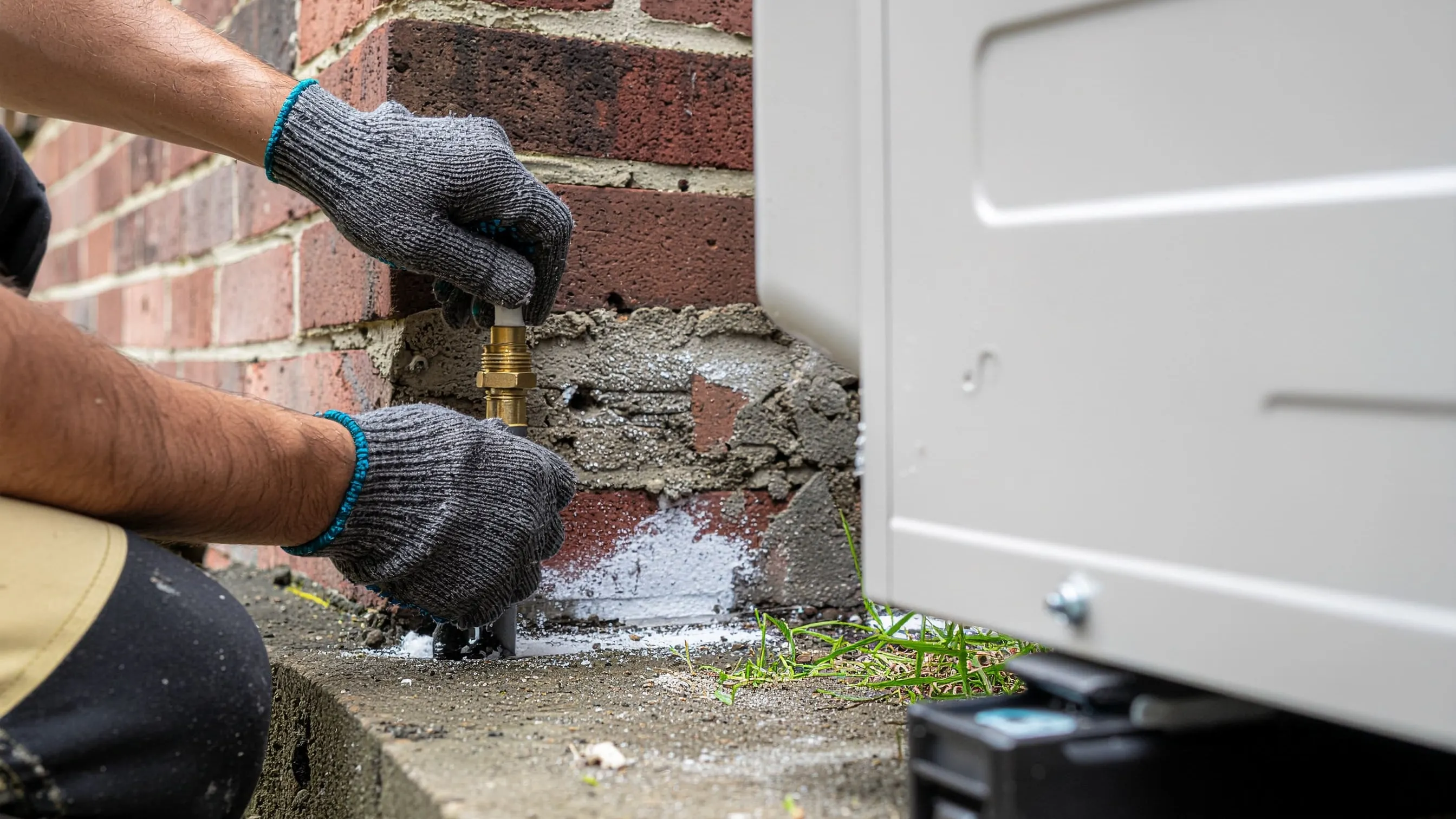
The heating industry is standing at a massive turning point. From June 2026, the Future Homes Standard will fundamentally change how we specify and fit heating systems. Making a successful heat pump installer transition is no longer just an option for ambitious engineers. It is a strict necessity for anyone who wants to keep working on new-build properties over the next decade.
The Reality of the 2026 Regulations
The new government standards require all new homes to produce significantly less carbon emissions. This target makes traditional gas and oil boilers essentially unusable for new construction projects. Developers are already shifting their blueprints entirely toward electric heating solutions. Securing your materials from Heating and Plumbing World ensures you have the exact components needed to meet these strict new building codes.
If you only install gas boilers, a massive portion of the market will soon be closed off to you. Starting your heat pump installer transition early gives you a huge advantage. You will be fully prepared and experienced while your competitors are still trying to figure out the basics. The demand for qualified low-carbon engineers is already heavily outweighing the supply.
Understanding the Skills Gap
Gas boilers produce intense heat very quickly, masking poor system design with sheer power. Heat pumps operate on a completely different principle. Mastering low-temperature heating design is the absolute biggest hurdle you will face. You have to forget the old habit of simply throwing a thirty-kilowatt boiler on a wall and hoping for the best.
Think of a gas boiler like a sprinter and a heat pump like a marathon runner. The boiler burns fast and hot to reach the finish line quickly. The heat pump maintains a slow, steady, and highly efficient pace all day long. Modern heating pumps require exact flow rates to maintain this delicate steady-state efficiency.
To maintain that steady marathon pace, you will often need to incorporate buffer vessels or low loss headers into your schematics. These specific components ensure the system always has enough minimum water volume to complete its essential defrost cycles without freezing the internal pipes. If the flow rate drops or the system resistance is too high, the efficiency plummets immediately. You must understand hydraulic balancing at a much deeper level than standard gas work requires.
Getting the Right Qualifications
You cannot simply buy a renewable heating unit from a merchant and fit it to a wall. Proper air source heat pump training is absolutely mandatory for understanding the complex hydraulics and electrical requirements. You need to look at specific industry-recognised qualifications, such as the Level 3 Award in the Installation and Maintenance of Air Source Heat Pumps. Updating your knowledge on Part L energy efficiency and Water Regulations is also vital, as these govern exactly how the system integrates with the property.
If you plan to work on split systems where you handle the refrigerant lines directly, you must hold specific credentials. You have to understand the strict f-gas certification requirements to comply with environmental laws. Fluorinated greenhouse gases are heavily regulated, and mishandling them carries severe financial penalties.
Even if you stick strictly to self-contained packaged units, comprehensive air source heat pump training protects your reputation. Without this knowledge, you will inevitably install systems that cost your customers a fortune to run. Understanding the legal f-gas certification requirements also helps you advise customers on the correct maintenance schedules and legal obligations.
Navigating MCS and Customer Funding
Technical skills are only half the battle. To truly succeed in this new market, you must understand the Microgeneration Certification Scheme, widely known as MCS. This is the nationally recognised quality assurance standard for low-carbon technologies.
Customers rely heavily on government grants, like the Boiler Upgrade Scheme, to afford these renewable installations. Here is the catch: if your business isn't MCS certified, your customers absolutely cannot claim that government funding. They will simply take their business and hire an installer who is certified. Getting your paperwork, consumer protection policies, and quality management systems up to MCS standards is just as important as perfecting your pipework.
Mastering New Design Principles
Proper sizing is the most critical part of any renewable installation. Applying a solid low-temperature heating design means specifying much larger emitters to disperse the cooler water effectively. A standard panel radiator that works perfectly at seventy degrees will barely warm a room at forty-five degrees.
On a recent residential project, an experienced gas engineer tried using standard boiler sizing rules for a new renewable system. The unit constantly short-cycled, and the house never reached nineteen degrees during winter. A complete, highly expensive redesign of all the pipework and emitters was required to fix the mistake.
You must calculate the exact radiator heat output needed for every single room before you lift a tool. Oversizing the emitters is entirely necessary to keep the flow temperatures down and the efficiency high.
Adding smart radiator valves ensures each specific zone operates at its maximum potential. These intelligent devices stop unoccupied rooms from drawing unnecessary heat away from the main living areas.
Adapting Your Installation Practices
Fitting the external unit requires skills that gas engineers rarely use. A standard monobloc system installation is usually the most common starting point for transitioning tradesmen. Because the entire sealed unit sits outside the property, you must drill large core holes for the primary flow and return pipes.
Because the water circuit runs directly outdoors, a monobloc system installation requires exceptional external insulation. You must use high-grade lagging and anti-freeze valves to prevent catastrophic damage during a power cut in freezing weather. Your pipework routing must be incredibly neat and highly protected.
You will also likely use different piping materials to manage these complex outdoor-to-indoor runs. Quality plastic pipe systems offer the flexibility needed to navigate tight external corners safely. They also reduce the number of joints, minimising the risk of hidden leaks inside the property fabric.
Finally, your installation practice must include a completely different customer handover. You have to actively teach homeowners to stop treating their thermostat like an old boiler switch and trust the continuous, low-level heat.
Updating Hot Water Storage
The days of instantaneous hot water from a combination boiler are over for new builds. Heat pumps warm water gradually, so the storage capacity must be generous enough to meet the household's peak morning demand. You must become highly proficient in specifying and fitting an unvented cylinder system.
You cannot just use an old standard cylinder for a renewable system. Heat pumps require cylinders with specially designed, highly conductive internal coils. These coils have a much larger surface area to transfer the lower-temperature heat effectively.
Upgrading Your System Controls
Basic click-on, click-off thermostats are completely obsolete in this new landscape. Modern low-carbon systems rely heavily on continuous weather compensation technology to run efficiently. Implementing advanced heating system control is absolutely mandatory for achieving the promised performance ratings.
Weather compensation constantly monitors the outdoor temperature and adjusts the indoor flow temperature automatically. If it is mild outside, the system lowers the water temperature to save energy. This prevents the unit from repeatedly turning on and off, which causes severe wear on the compressor.
Conclusion
The future of the heating trade is undeniably electric, and the deadline is approaching fast. Completing your heat pump installer transition secures your business income for decades to come. The learning curve is steep, but the financial rewards for highly skilled engineers are exceptional.
From understanding the strict f-gas certification requirements to mastering complex low-temperature heating design, you must commit to learning. Investing your time in proper air source heat pump training and perfecting your monobloc system installation skills will pay off massively. If you need technical guidance on sourcing the right components for your next project, get expert advice from our dedicated support team today.