

How to Use a Radiator Key Properly
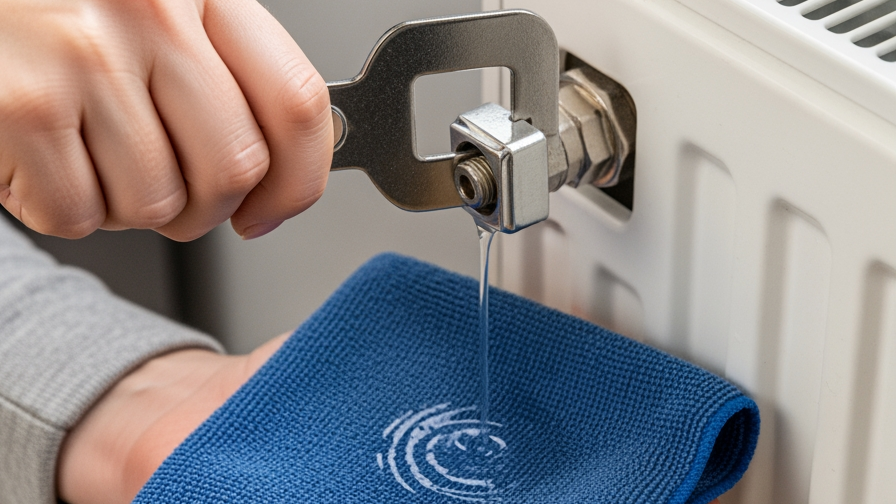
Cold radiators and uneven heating plague countless British homes each winter, yet the solution often lies in a simple £1 tool. Learning proper radiator key use transforms a frustrating heating problem into a five-minute maintenance task that saves energy and improves home comfort.
What Is a Radiator Key and Why Do You Need One
A radiator key is a small, cross-shaped tool designed to open the bleed valve on panel radiators. This specialised key allows homeowners to release trapped air that accumulates inside radiators over time, creating cold spots and reducing heating efficiency. Heating and Plumbing World stocks quality radiator keys suitable for most standard UK radiator systems.
Understanding Radiator Keys
Standard radiator keys feature a square-shaped end that fits the bleed valve screw, though some modern radiators use slotted screws requiring a flathead screwdriver instead. The tool's simple design has remained largely unchanged for decades because it works reliably across different radiator models and manufacturers.
Most radiator keys measure approximately 60-70mm in length, making them easy to store in kitchen drawers or toolboxes. Some keys incorporate handles for better grip, while basic models consist purely of the metal shaft and valve-fitting end. Quality matters less with radiator keys than with many tools - even inexpensive versions perform adequately, provided they fit the valve properly.
Signs Your Radiator Needs Bleeding
Several symptoms indicate trapped air requires attention through radiator key use. Cold spots appearing at the top of radiators whilst the bottom remains warm represent the classic sign. Air naturally rises and collects at the highest point, preventing hot water circulation in that section.
Unusual gurgling, bubbling, or trickling sounds from radiators during heating cycles suggest air pockets moving through the system. These noises often accompany reduced heating performance and indicate that bleeding would restore normal operation.
Uneven heating between different radiators in the same property frequently results from airlocks. Rooms furthest from the boiler typically suffer first as trapped air accumulates through the circulation route. Some radiators might heat perfectly whilst others barely become lukewarm, pointing to air blockages rather than boiler problems.
Rising energy bills without explanation sometimes trace back to radiator inefficiency. When air prevents proper circulation, boilers work harder and longer to achieve target temperatures, consuming more gas or oil unnecessarily.
Step-by-Step Radiator Vent Key Guide
Bleeding radiators requires systematic preparation and careful execution. Following this radiator vent key guide ensures safe, effective results without damaging heating system components.
Preparation Before Bleeding Radiators
Switch off the central heating system completely and allow radiators to cool for at least one hour. Working with hot radiators risks scalding injuries when water spurts from the bleed valve. Cold radiators also make the process more comfortable and reduce pressure that could cause excessive water spray.
Gather necessary materials, including the radiator key, a cloth or small container to catch water, and towels to protect the flooring. Some heating engineers recommend having a kitchen roll available to wipe valve areas clean before and after bleeding.
Locate all radiators requiring attention and identify the bleed valve on each. Most radiators position the bleed valve at the top corner, either the left or right side, depending on installation. The valve resembles a small square or slotted screw head set into the radiator body.
The Bleeding Process
Insert the radiator key firmly onto the bleed valve, ensuring complete engagement with the square socket. A loose fit risks stripping the valve head or slipping during operation.
Turn the key slowly anticlockwise - usually just half a turn suffices to open the valve. Excessive turning proves unnecessary and increases the risk of removing the valve entirely, causing flooding.
Listen for the characteristic hissing sound as trapped air escapes. This sound confirms proper radiator key use and indicates the bleeding process is working correctly. Hold the cloth or container beneath the valve to catch any water droplets.
Continue holding the valve open until the hissing stops and a steady trickle of water appears. Water emergence signals all trapped air has escaped and the radiator has filled completely with heating system water.
Close the valve immediately by turning the key clockwise until finger-tight. Avoid over-tightening as this can damage the valve seat and cause future leaks. The valve should feel snug but not require excessive force.
Move to the next radiator and repeat the process. Work systematically through the property, typically starting with ground floor radiators furthest from the boiler and progressing upwards and back towards the heating system.
Post-Bleeding Checks
After completing all radiators, check the boiler pressure gauge. Bleeding radiators reduces system pressure as water escapes alongside the air. Most combi boilers operate optimally between 1.0 and 1.5 bar when cold.
Repressurise the system if pressure has dropped below the recommended range. Consult the boiler manual for specific instructions, as different models use varying methods. Most modern boilers feature a filling loop - a flexible hose with valves that temporarily connects the mains water supply to the heating circuit.
Switch the central heating back on and allow radiators to warm up fully. Check each radiator for even heat distribution from top to bottom. Any remaining cold spots might indicate additional bleeding is necessary or suggest other issues requiring professional attention.
Inspect around bleed valves for water leaks once radiators reach operating temperature. Small drips sometimes develop if valve seats have deteriorated or if the valve wasn't fully closed. Address minor leaks promptly to prevent water damage and system pressure loss.
Common Mistakes to Avoid
Errors That Reduce Effectiveness
Attempting radiator key use whilst the heating system remains on ranks among the most common errors. Hot water under pressure can spray forcefully when the valve opens, causing scalding injuries and making accurate bleeding difficult. The hissing of escaping air becomes harder to hear over flowing hot water.
Over-tightening the bleed valve when closing damages the brass valve seat, creating permanent leaks that worsen over time. Many homeowners mistakenly believe tighter means better sealing, but finger-tight proves sufficient for proper closure with these valves.
Ignoring boiler pressure after bleeding multiple radiators leads to heating system malfunctions. Low pressure prevents boilers from firing correctly or causes them to shut down with error codes. Always check and adjust pressure following radiator maintenance.
Bleeding radiators randomly, rather than following a logical sequence, can trap air in unbleed radiators. Starting furthest from the boiler and working back allows air to escape systematically rather than pushing it around the system.
Safety Considerations
Scalding represents the primary risk during radiator bleeding. Even after an hour of cooling, radiators and trapped water retain significant heat. Always test radiator temperature with the back of the hand before beginning work, and position hands and body away from the valve opening direction.
Pressure release, though minimal during proper bleeding, still carries risk. Water can spray unexpectedly if excessive pressure has built up, particularly in sealed systems. Hold cloths ready and open valves slowly to control any spray.
Excessive force when inserting or turning the radiator key can strip valve heads or snap off valve bodies. These components use brass or similar soft metals that damage easily. If a valve refuses to turn with moderate pressure, apply penetrating oil and wait rather than forcing it.
When to Bleed Your Radiators
Seasonal Maintenance Schedule
Bleeding radiators before the winter heating season begins prevents emergency cold-radiator situations during freezing weather. Late September or early October provides ideal timing, allowing identification and resolution of any complications before relying on heating daily.
After summer dormancy, heating systems often accumulate air as water contracts and expands with temperature changes. System pressure variations during warm months, when heating runs infrequently, can draw air into circuits through microscopic gaps in joints and valves.
Following boiler servicing or any work on the heating system, radiator bleeding becomes essential. Engineers often drain water partially or disturb circulation during maintenance, introducing air into the system. Most heating professionals bleed radiators as part of service completion, but checking afterwards proves wise.
Frequency Guidelines
Most homes require annual radiator bleeding to maintain optimal heating performance. This frequency suits systems operating normally without persistent air accumulation issues. Mark calendar reminders for autumn bleeding to establish routine maintenance habits.
Older heating systems often need bleeding more frequently - potentially two or three times yearly. Ageing components develop small leaks that allow air ingress, and corrosion within radiators can generate gases that collect at high points. Systems over 15 years old warrant closer monitoring.
Any heating system work, from boiler spares replacement to pipework modifications, necessitates radiator bleeding afterwards. Even minor repairs can introduce air bubbles that affect circulation and heating efficiency.
Troubleshooting Radiator Issues
Problems Beyond Air Locks
Persistent cold spots remaining after thorough bleeding using a proper radiator key suggest internal sludge buildup. Magnetite - a black, magnetic sludge formed from corroding steel radiators and pipes - settles at radiator bottoms and restricts water flow. This problem requires powerful flushing by qualified heating engineers rather than simple bleeding.
Radiator valve failures present different symptoms from airlocks. A cold radiator with a radiator that won't warm up at all, or one that doesn't respond to thermostatic radiator valve adjustments, indicates valve problems. The valve body may have seized, or internal components could have failed.
Boiler circulation problems affect multiple radiators simultaneously. If every radiator shows similar symptoms despite bleeding, the pump might be failing or set incorrectly. Circulation issues also arise from closed zone valves or blocked primary pipework.
When to Call Professionals
Complex heating system issues exceed DIY capabilities and require Gas Safe-registered engineers. Problems involving boilers, gas supplies, or sealed system modifications fall under legal requirements for professional intervention. Attempting these repairs without proper certification risks serious safety hazards and invalidates insurance.
Boiler pressure complications that persist after following standard repressurization procedures indicate potential expansion vessel failures or pressure relief valve problems. These components require diagnostic testing and often replacement by qualified technicians.
Radiator valve replacements, whilst not always requiring Gas Safe certification for the radiator end, benefit from professional installation. Thermostatic radiator valves (TRVs) particularly need correct orientation and calibration to function optimally.
Full system power flushing removes accumulated sludge and debris that bleeding cannot address. This process uses specialised equipment to circulate cleaning chemicals and flush out contamination. Many heating engineers recommend powerflushing when installing new boilers or when radiators show significant internal corrosion.
Quality expansion vessels maintain correct system pressure and prevent frequent pressure drops. Faulty expansion vessels cause repeated bleeding requirements as pressure fluctuates and draws air into the system. Professional diagnosis identifies whether expansion vessel replacement would resolve persistent issues.
Maintaining Your Radiator Key and System
Radiator Key Care
Store radiator keys in consistent, accessible locations where they remain available during heating emergencies. Kitchen utility drawers, boiler cupboards, or toolboxes work well. Some homeowners attach keys to keyrings or hooks near the heating programmer for instant access.
Replacement becomes necessary if keys become damaged or lost. Bent key ends won't engage valve squares properly, risking valve damage. Keeping spare radiator keys prevents situations where bleeding becomes impossible when needed most. Hardware stores, plumbers' merchants, and heating suppliers stock replacements inexpensively.
Consider purchasing a radiator key with a built-in handle if manual dexterity presents challenges. These modified designs provide better grip and leverage whilst maintaining standard square-end fitment. Some keys incorporate telescopic handles for reaching awkward valve positions.
Overall System Maintenance
Annual boiler servicing by Gas Safe-registered engineers maintains heating efficiency and identifies developing problems before they cause breakdowns. Services typically include combustion checks, flue testing, safety device verification, and component cleaning. Engineers often inspect radiators during services and can advise on bleeding requirements.
Regular radiator inspection prevents small issues from escalating into expensive repairs. Check radiators periodically for leaks around valve glands and pipe connections. Damp patches on walls near radiators or carpets often indicate slow leaks requiring immediate attention.
Long-term efficiency measures include installing magnetic system filters to capture magnetite before it circulates through radiators. These filters require annual cleaning but significantly reduce sludge accumulation and extend radiator lifespan.
Thermostatic radiator valves optimise individual room temperatures and reduce energy consumption. Installing TRVs on all radiators except one in the same zone as the room thermostat provides flexible control and comfort.
Chemical inhibitors added to heating system water prevent internal corrosion and subsequent air generation. These chemicals neutralise acidity and create protective films on metal surfaces. Inhibitor levels should be checked and topped up during annual services.
For properties using oil-fired heating systems, components like oil burners and photocells require regular inspection alongside radiator maintenance. Oil heating introduces different maintenance considerations, but radiator bleeding techniques remain identical.
Conclusion
Mastering radiator key use empowers homeowners to maintain heating system efficiency without professional assistance for this fundamental task. The simple process of bleeding radiators prevents cold spots, reduces energy waste, and ensures comfortable temperatures throughout the winter months. Regular bleeding as part of annual maintenance, combined with correct technique and appropriate safety precautions, keeps heating systems operating optimally.
However, persistent problems or complex system issues warrant expert intervention. Don't hesitate to contact us at Heating and Plumbing World for professional advice on heating system maintenance, component replacements, or when radiator problems exceed straightforward bleeding solutions. Our Gas Safe registered engineers provide comprehensive diagnostics and repairs to ensure reliable home heating all year round.