
 -
- Indirect Cylinder Coil Types: Single Vs Twin Coil Benefits
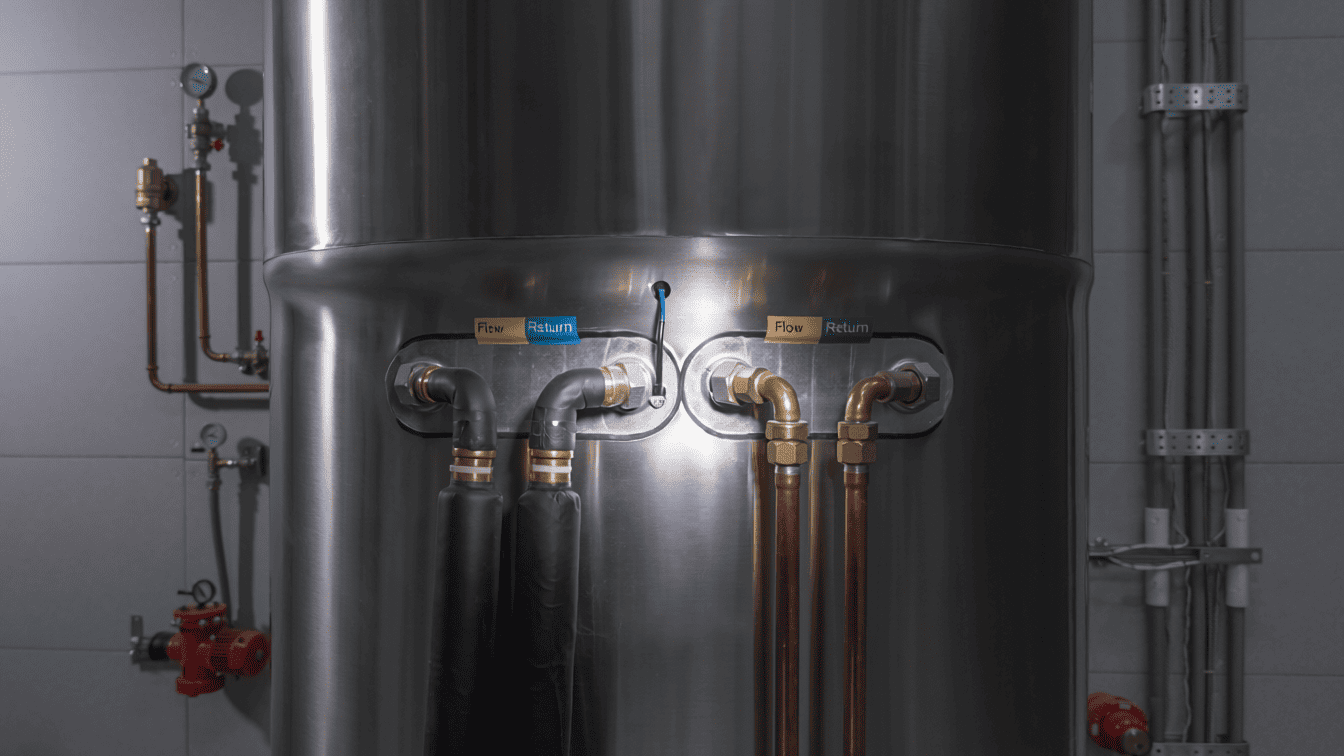
Choosing between a single-coil and twin-coil indirect cylinder is never just a casual tick-box exercise. It is a critical decision that heavily affects system efficiency, annual fuel costs, and exactly how quickly your client gets hot water. Get it wrong, and you are looking at frustratingly long heat-up times, severely wasted energy, or an expensive cylinder that physically cannot work with the renewable system they just invested heavily in.
An indirect cylinder uses an internal coil to transfer heat from a boiler directly to the stored water, safely keeping the primary heating circuit separate from the domestic hot water you drink and bathe in. Think of an indirect cylinder exactly like a sealed cooking pot placed inside a larger pan of boiling water. The heat transfers brilliantly through the metal wall, but the two liquids never actually mix.
The physical difference between single and twin coil configurations comes down to flexibility, recovery speed, and long-term future-proofing. Understanding which configuration perfectly suits your project requires matching the hardware to the system design, the client's energy goals, and the building's overall heating demand. Deciding between a single vs twin coil cylinder dictates how the entire property will manage its energy for the next twenty years.
How Single-Coil Cylinders Work
A standard single-coil indirect cylinder acts as the absolute workhorse of most traditional domestic heating systems. It contains exactly one heat exchanger coil, usually positioned tightly in the lower third of the tall cylinder, which continuously circulates hot water from the primary boiler. As the boiler vigorously heats the primary circuit, that intense heat transfers through the metal wall into the stored domestic hot water surrounding it.
When sourcing components through a trusted supplier like Heating and Plumbing World, you will find that a typical single-coil unit paired with a gas boiler running at 75°C can easily reheat 150 litres in around twenty minutes, entirely depending on the coil design and incoming mains temperature.
These units are mechanically simple, highly reliable, and very cost-effective. They are absolutely ideal for properties with one central heat source and zero plans to integrate renewables. However, the limitation is stark. If your client wants to add solar panels later, you are completely stuck. The unit simply cannot accommodate a second heat source without a total replacement.
Twin-Coil Cylinders: Two Heat Sources, One Tank
Twin-coil cylinders brilliantly feature two entirely separate heat exchanger coils stacked vertically within the exact same pressure vessel. The lower coil typically connects to a renewable heat source like solar thermal collectors or a ground-source heat pump. The upper coil connects directly to the primary heat source, which is usually a conventional gas or oil boiler.
This internal arrangement is not random. Solar thermal and heat pumps operate at significantly lower flow temperatures around 35-55°C, so positioning that specific coil lower in the tank means it can effectively preheat the incoming cold water before the boiler finishes the job.
If you are specifying a premium hot water storage cylinder, selecting a twin-coil configuration means the renewable source does the heavy lifting when environmental conditions allow, beautifully handing off to the boiler for the final thermal push. Evaluating a single vs twin coil cylinder here heavily favours the twin setup for slashing long-term gas consumption.
Comparing Heat-Up Times And Efficiency
Heat-up time matters intensely because it affects system cycling, overall fuel use, and total client satisfaction. A poorly specified cylinder that takes far too long to reheat during peak morning demand will inevitably leave someone waiting freezing cold for a shower.
Single-coil units rely entirely on the boiler's raw output and the heat exchanger coil transfer rate. A well-sized coil inside a standard 180-litre tank can deliver a full reheat incredibly fast with a modern condensing boiler. That is highly efficient and totally predictable, but it remains only as efficient as the fossil fuel boiler itself.
On a recent barn conversion, a client complained their new solar setup wasn't saving them any money. I inspected the plant room and discovered the original installer hadn't wired the system correctly. The boiler fired constantly, completely dominating the upper coil and preventing the solar array from contributing anything. The client paid thousands for a twin-coil system but received standard single-coil performance due to lazy commissioning.
System Design And Control Considerations
Installing a twin setup is never just about plumbing in two random sets of flow and return pipes. The intelligent control strategy strictly determines whether the system works as intended or becomes an incredibly expensive disappointment.
Most setups use a dedicated differential controller specifically for the renewable source. This compares the temperature at the solar collector with the temperature in the extreme lower part of the cylinder. When the source is hotter by a set margin, the pump runs and aggressively transfers heat. When that temperature differential drops, the pump safely stops.
Some advanced properties utilise a dedicated thermal storage tank equipped with smart controls that actively modulate the boiler output based on precise solar availability, locking out the conventional heating whenever the sun is shining brightly.
When To Specify A Single-Coil Cylinder
Single-coil setups make perfect sense in straightforward heating systems where raw simplicity, tight budgets, and proven reliability remain the absolute highest priorities.
They are the right choice when the property has exactly one heat source and no space for solar panels. For the vast majority of standard retrofit projects in homes with normal heating demands, sticking with a single coil avoids the unnecessary expense of adding a complex differential controller that will never actually be used.
Furthermore, these units are substantially easier to commission. There is far less pipework to run, fewer intelligent central heating components to carefully configure, and significantly less that can mechanically go wrong over the next fifteen years.
When To Specify A Twin-Coil Cylinder
You must specify a twin-coil layout when the system urgently needs flexibility, strong future-proofing, or immediate integration with low-temperature renewable heat sources.
When your client actively wants to drastically reduce their running costs and is willing to invest the heavier upfront capital for long-term savings, selecting between a single vs twin coil cylinder always points to the dual configuration. It ensures the property is completely ready if they decide to add a biomass boiler or advanced heat pump in five years' time.
When managing these complex dual inputs, fitting reliable smart radiator valves across the property helps ensure the central heating circuit doesn't steal valuable thermal energy while the cylinder is desperately trying to satisfy a heavy domestic hot water demand.
Coil Material And Heat Transfer Performance
The raw material and physical design of the internal coil directly affect the heat transfer efficiency, the overall durability, and the total reheat time. Most modern indirect cylinders use either traditional copper or premium stainless steel coils.
Copper remains the ultimate industry standard because it possesses absolutely excellent thermal conductivity, transferring intense heat incredibly quickly. However, stainless steel coils offer vastly superior corrosion resistance in heavily aggressive hard water areas.
High-performance tanks frequently use extended-surface and heavily corrugated designs to violently increase the total surface area contacting the stored water. Implementing these corrugated designs inside a heating system control network ensures maximum thermal transfer. In twin-coil setups, the lower coil often features these massive corrugated designs because it desperately needs to extract every possible watt of heat from the lower-temperature renewable sources.
Installation And Pipework Differences
Installing a standard single-coil cylinder is an incredibly straightforward process for any competent engineer. You simply need primary flow and return connections to the boiler, a cold feed, a hot outlet, and the mandatory safety valves. The internal heat exchanger coil sits ready to work, and total installation time typically takes under four hours.
Twin-coil units immediately add heavy mechanical complexity. You are now actively running two entirely separate heating circuits, each with its own dedicated flow, return, and circulating pump.
This added pipework demands highly careful routing to prevent frustrating airlocks. Providing a clear expansion vessel diagram for the secondary solar circuit ensures your sealed pipework safely accommodates the immense thermal expansion generated by stagnant solar fluid on a boiling hot summer afternoon.
Maintenance And Longevity
Both configurations are remarkably low-maintenance if commissioned correctly, but there are definitely severe operational threats to consider. Heavy scale buildup remains the main enemy in hard water areas. Limescale deposits aggressively coat the coil surface, reducing heat transfer efficiency and extending reheat times painfully.
Installing a premium scale inhibitor physically protects the coil and maintains maximum performance. Without a reliable scale inhibitor, a brand-new cylinder can lose thirty percent of its efficiency in under three years. Fitting an inline scale inhibitor on the cold mains feed is an incredibly cheap insurance policy against premature failure.
Twin-coil cylinders feature twice the pipework and internal connections, so there is a marginally higher risk of leaks over time. However, that relies entirely on your installation quality rather than a flaw in the cylinder itself.
Cost Comparison And Payback
A high-quality single-coil unit typically costs between £300 and £600 depending heavily on capacity and brand prestige. Standard installation adds another £300 in labour, bringing the total to roughly £900.
A twin-coil cylinder immediately jumps to £500-£900 for the bare unit itself, with complex installation easily running up to £700 due to the additional controls and extensive copper pipework. The stark price difference must be fully justified by the promised fuel savings.
If a well-designed solar thermal array heavily contributes to the annual load, the payback for choosing a single vs twin coil cylinder usually sits around three to four years. Run the numbers honestly for your client, and only specify the expensive dual option if the system design genuinely supports it.
Conclusion
Choosing between these two specific configurations is fundamentally about matching the exact hardware to the intended system design. Single-coil units are remarkably simple, highly cost-effective, and totally reliable for standard homes with exactly one heat source. Twin-coil units offer phenomenal flexibility, massive efficiency gains, and total future-proofing when aggressively integrating solar thermal arrays or modern heat pumps.
The key to a successful installation is highly honest system design. Do not specify a twin-coil cylinder just because it sounds slightly more advanced on the quotation. Specify it strictly because the system will genuinely benefit from the dual heat sources.
Choose entirely based on the rigid project requirements and the client's long-term energy goals. Get it right, and you will confidently deliver a system that performs beautifully, saves money, and permanently avoids frustrating callbacks. If you require expert guidance on correctly specifying any complex components for your upcoming projects, please reach out to our experts today.