

Installing a New Gas Fire: What You Need to Know
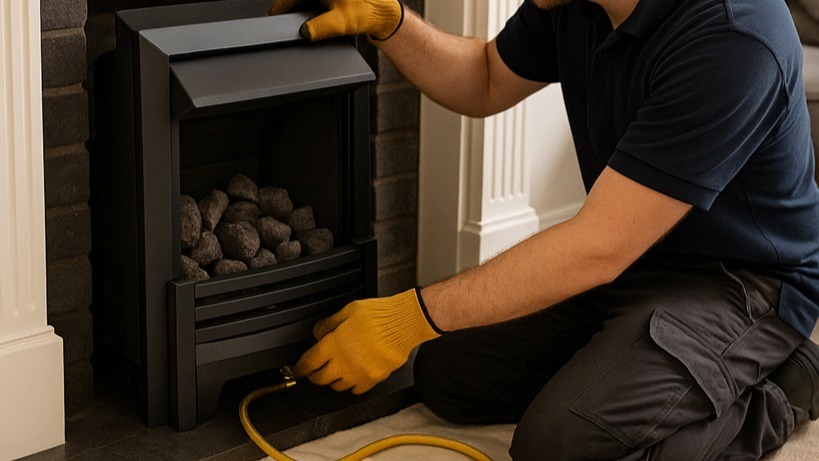
Complete Guide to Home Heating Fires
Upgrading to a new gas fire can transform your home by adding a stylish focal point to your living space and delivering efficient, cost-effective heating. Whether you’re looking to enhance the ambience of your living room or update your entire home heating system, understanding the installation process, safety requirements, and maintenance essentials is key. This guide walks you through everything you need to know before embarking on a gas fire installation, ensuring you’re well-equipped to make an informed decision for your home.
Planning Your Gas Fire Installation
Before you start, careful planning is essential. A new gas fire is an investment in both comfort and long-term energy savings, so it’s important to consider several factors:
Assessing Your Space
- Location:
Determine where the gas fire will be installed. Consider areas with good ventilation and enough space for proper installation and maintenance. A living room, lounge area, or even a commercial space can benefit from the warmth and style of a gas fire. - Design Integration:
Choose a design that complements your interior décor. Whether you prefer a modern, minimalist unit or a traditional, ornate style, there’s a gas fire to suit every taste. For inspiration, browse our range of fires spares for ideas and accessories that enhance the overall look.
Understanding Your Heating Needs
- Heat Output:
Gas fires are renowned for their ability to heat large areas quickly. Consider the size of the room and the level of heat required. A higher BTU (British Thermal Unit) rating might be necessary for larger spaces or areas with high ceilings. - Supplementary Heating:
A gas fire can serve as the primary heating source or as a supplementary option to reduce reliance on your central heating system. In some cases, pairing a gas fire with other systems, like oil heating burners, can create a more efficient overall setup.
Budget and Installation Costs
- Initial Investment:
Installing a new gas fire typically involves a higher upfront cost compared to electric alternatives. However, the long-term savings on fuel and increased efficiency can offset this initial expenditure. - Installation Fees:
The complexity of the installation, such as the need for new gas lines or additional ventilation, can affect the overall cost. It’s wise to get quotes from certified installers and factor in potential extra expenses.
Safety Considerations
Safety is paramount when installing a gas fire. Ensuring proper installation and adherence to safety standards will protect your home and those within it.
Professional Installation
- Certified Installers:
Always hire a qualified and certified installer for gas fire installation. This not only guarantees adherence to local building codes but also ensures that the gas connections, flue, and ventilation systems are correctly fitted. A professional service can save you from costly mistakes and potential hazards. - Regulatory Compliance:
Ensure that your new gas fire complies with all current safety regulations and standards. Regularly check for any updates in UK building regulations related to gas appliances.
Ventilation and Flu Requirements
- Proper Ventilation:
Adequate ventilation is crucial for the safe operation of a gas fire. The flue or chimney system must be properly designed and maintained to prevent the buildup of harmful gases like carbon monoxide. - Flue System Maintenance:
Regular inspection and cleaning of the flue ensure that it remains free of blockages and operates efficiently. This maintenance is a key part of overall home heating safety.
Gas Leak Prevention
- Regular Checks:
Schedule periodic inspections to ensure all gas connections are secure and leak-free. Faulty connections can lead to serious safety issues. For quality components, consider checking out pressure relief valves crucial for a safe installation. - Carbon Monoxide Detectors:
Install carbon monoxide detectors near your gas fire installation to alert you of any potential leaks or emissions. This is a simple yet effective way to protect your home and family.
The Installation Process: Step-by-Step
Once you’ve planned and ensured safety measures, understanding the installation process can help demystify what to expect.
1. Site Preparation
- Assessing the Installation Area:
Clear the chosen area and ensure it’s free from obstructions. Prepare for any structural modifications that might be required for mounting or integrating the gas fire into your design. - Gas Supply Verification:
Confirm that there is an existing gas supply nearby. If not, you may need to have new gas lines installed. This step is critical and must be performed by licensed professionals.
2. Fitting the Gas Fire
- Mounting and Placement:
Depending on your chosen design, the gas fire can be wall-mounted, built into a fireplace recess, or even freestanding. Professional installers will ensure that it is securely fitted and positioned for optimal heat distribution. - Connecting the Gas Line:
The gas line is carefully connected and tested to ensure there are no leaks. This stage involves both the installation of necessary valves and safety devices. For example, components like Baxi boiler spares might be used in related heating systems to ensure a harmonious integration. - Ventilation Setup:
The flue system is installed or checked to ensure it meets all safety and performance standards. Proper ventilation not only improves efficiency but is essential for safe operation.
3. Testing and Certification
- Operational Testing:
Once installed, the gas fire undergoes thorough testing to ensure it operates correctly. The installer will check for proper heat output, flame consistency, and overall performance. - Certification:
A final certification from the installer or a local regulatory authority confirms that your gas fire meets all safety standards. This documentation is important for both insurance and future servicing purposes.
Choosing the Right Gas Fire for Your Home
Not all gas fires are created equal. When selecting your new gas fire, consider these factors:
Efficiency and Performance
- Heat Output:
Evaluate the BTU rating relative to your room size. Higher output models are suitable for larger spaces, while smaller rooms may benefit from a more compact unit. - Energy Efficiency:
Look for models that offer high energy efficiency. Modern gas fires are designed to minimise wastage and maximise heat distribution, often featuring smart controls and energy-saving modes.
Design and Aesthetics
- Style:
The design of your gas fire should match your interior décor. Whether you’re drawn to contemporary designs or prefer a classic look, there’s a gas fire available to complement your home. - Additional Features:
Consider additional features such as remote control, adjustable flame settings, and integration with home automation systems. These enhancements can provide both convenience and improved control over your heating.
Cost Considerations
- Initial Cost vs. Long-Term Savings:
Although gas fire installations can have higher upfront costs, the long-term savings on energy bills often justify the investment. Compare models not just on price but on efficiency ratings and maintenance requirements.
Maintenance and Longevity
A well-installed gas fire can last for many years with proper care. Here are some tips to ensure your investment continues to provide efficient, safe heating:
Regular Servicing
- Annual Checks:
Schedule an annual service with a certified technician to inspect the gas fire, flue system, and gas connections. This proactive approach can catch potential issues early. - Component Replacement:
Over time, parts such as gas valves or burners may need replacing. For quality replacements, explore offerings on our fires spares page.
Troubleshooting Common Issues
- Inconsistent Heat Output:
If your gas fire isn’t heating as effectively as it once did, it might be time for a service. Dust, minor blockages, or worn-out components can all contribute to a decrease in performance. - Safety Concerns:
Regular inspections for gas leaks or malfunctioning safety devices are crucial. Remember, safety always comes first when it comes to home heating fires.
Real-Life Installation Insights
I recently spoke with a homeowner who had just installed a new gas fire in their family room. The complexity of the process initially daunted them, but after consulting with a certified installer, they found that the installation was straightforward and the benefits immediately noticeable. The gas fire provided a cosy atmosphere, and the efficient heat output lowered their overall energy bills. Their experience underscores the importance of professional installation and regular servicing in ensuring that your new gas fire remains a reliable home heating source.
Final Thoughts
Installing a new gas fire can transform your home, combining style, efficiency, and warmth in one attractive package. By planning carefully, prioritising safety, and working with certified professionals, you can enjoy a hassle-free installation that delivers long-term benefits.
For more information on home heating solutions or to browse a range of quality products, visit our Heating and Plumbing World homepage. Whether upgrading your current system or exploring new options, our expert guidance and trusted products are here to help you create a comfortable, energy-efficient home.