

Installing Greywater Recycling Systems for Domestic Toilet Flushing
Efficiency in modern plumbing extends far beyond simply fixing leaks. It's about optimising every resource within a building to eliminate waste. Integrating greywater recycling systems into a property is the ultimate way to reuse resources. You're taking water that has already served one purpose and giving it a highly practical second job.
According to the Energy Saving Trust, toilets account for around 22 percent of typical household water usage. Flushing perfectly clean drinking water down the drain is incredibly inefficient. By restructuring how a home handles waste, you can dramatically cut down utility bills. You capture lightly used water from showers and baths, clean it thoroughly, and redirect it for domestic toilet flushing.
The Logic of Household Water Management
Think of a greywater system like a car's alternator. Just as an alternator captures mechanical energy to recharge the battery, this system captures used water to power other plumbing fixtures. It prevents valuable resources from being mixed with heavy waste and lost forever. When you structure plumbing this way, you take control of consumption patterns.
The primary goal is dedicated domestic toilet flushing, as this requires zero potable water. You don't need drinking-quality water to clear a toilet bowl. Routing reclaimed shower water to cisterns immediately slashes main supply usage. Every pipe and valve has a specific, designated route to keep the networks completely separate.
Planning Your Physical Space
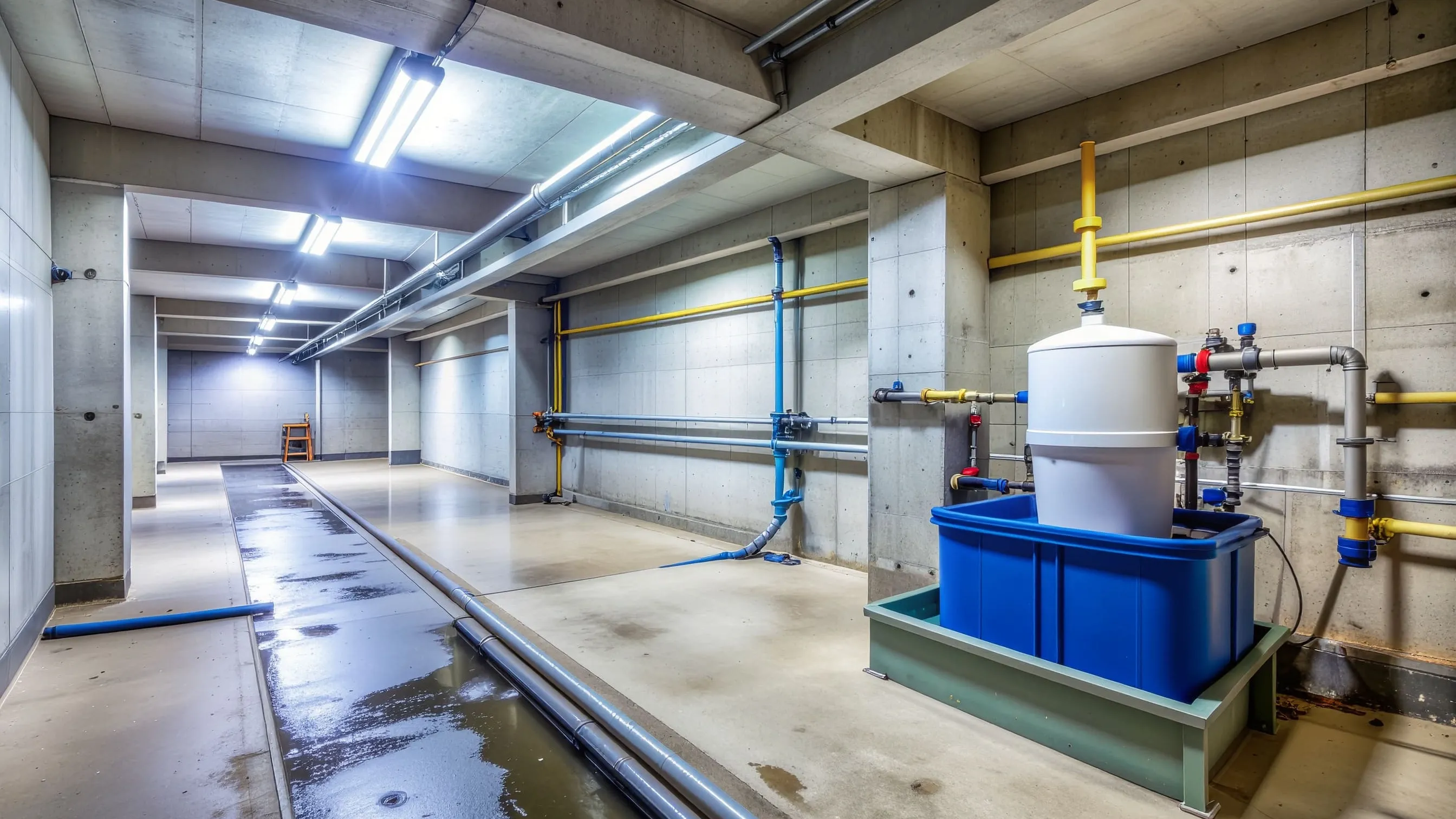
Before buying equipment, conduct a thorough audit of the available space. A full setup for greywater recycling systems requires a dedicated area for the main holding tanks. Placing these units in a basement, garage, or dedicated utility room is always recommended. The floor must be able to support the significant weight of a full water tank.
On a recent commercial project, an installer tried to squeeze a wastewater treatment unit into a tiny unvented airing cupboard. Within weeks, the lack of ventilation caused overheating, and the system was completely inaccessible for servicing. We had to relocate the entire setup to the basement. It was an expensive lesson about leaving clear access paths for routine maintenance.
Essential Hardware and Sourcing
Building a reliable setup requires high-quality components designed to work together seamlessly. The system is only as strong as its weakest link, making careful procurement essential. You need a collection tank, a robust filtration unit, and a network of dedicated pipes. Heating and Plumbing World provides an excellent range of compliant equipment for sustainable installations.
The heart of the setup is the wastewater treatment unit, which actively processes the incoming flow. You'll also need durable plastic pipe systems to create the new dual network throughout the property. Finally, a high-quality domestic water pump is required to push the treated water from the storage tank up to the toilet cisterns.
The Treatment Journey Explained
Once water drains from a shower, it enters a highly organised cleaning sequence. The first step is mechanical filtration, where a fine mesh screen catches visible debris. After this initial clearing, water moves into the main chamber for a complex biological filtration process. Naturally occurring bacteria break down dissolved organic materials left over from soaps.
To keep this biological filtration process healthy, the system regularly pumps oxygen into the water. This aeration prevents stagnation and stops unpleasant odours from developing. Following the biological stage, high-end systems use a UV light or chemical doser for final disinfection. This guarantees the water sitting in the cisterns remains perfectly clear and safe.
Routing Pipework and Making Connections
Installing the new pipework requires methodical planning and strict adherence to UK Water Supply Regulations. You must separate the new greywater lines from standard drinking supplies to avoid cross-contamination. The law mandates that all greywater pipes must be clearly labelled or colour-coded. Keeping the systems visually distinct prevents future tradespeople from making dangerous connection errors.
When connecting these intricate networks, you want materials that offer speed and security. Utilising modern push fit plumbing fittings makes the assembly process incredibly straightforward. These lock securely into place without the need for complex soldering. Sourcing the correct heating plumbing supplies and valves saves countless trips to the merchant.
System Resilience and Contingencies
Even the most robust setups face disruptions, so building in redundancies is vital. What happens if guests visit and the toilets are flushed more often than the showers are used? To prevent the tank from running dry, every compliant installation must feature an automated mains water backup. This float valve detects when reclaimed water runs low and temporarily tops up the tank via a secure air gap to prevent backflow.
The mains water backup acts like a safety net, ensuring daily routines are never interrupted. Conversely, if excessive showers overfill the system, an integrated overflow pipe safely diverts excess water to the main sewer. The water pump system regulates itself perfectly, balancing supply and demand automatically. It provides peace of mind while quietly saving money.
Long Term Maintenance Routines
Maintaining greywater recycling systems is straightforward if treated like any regular mechanical inspection. Creating a physical maintenance log and keeping it near the main tank is highly recommended. Every few months, pull out the primary mechanical filter and rinse it thoroughly. Good maintenance is simply about staying ahead of debris accumulation.
Visually inspect the pumps and pipe joints twice a year for any signs of weeping. If the water in the toilet bowl appears cloudy, it indicates the filtration media needs attention. High-quality setups trigger an alarm on the control panel if a component requires servicing. For complex electrical checks, bring in a certified professional annually.
Conclusion
Upgrading a property with these sustainable systems applies strict logic to resource consumption. It slashes water waste, lowers utility bills, and improves overall household efficiency. While the initial setup requires careful spatial planning and dedicated pipework, the long-term benefits are undeniable. By capturing shower runoff, you take a massive step toward genuine sustainability.
Proper sizing and compliance are crucial for a safe, legal installation. Don't attempt the final connections blindly without consulting the manufacturer guidelines. Reach out and contact our technical team to discuss specific property requirements. They can help select the exact components needed to build a flawless, highly efficient network.