

Kerosene vs Gas Oil: Fuel Types for Domestic Heating
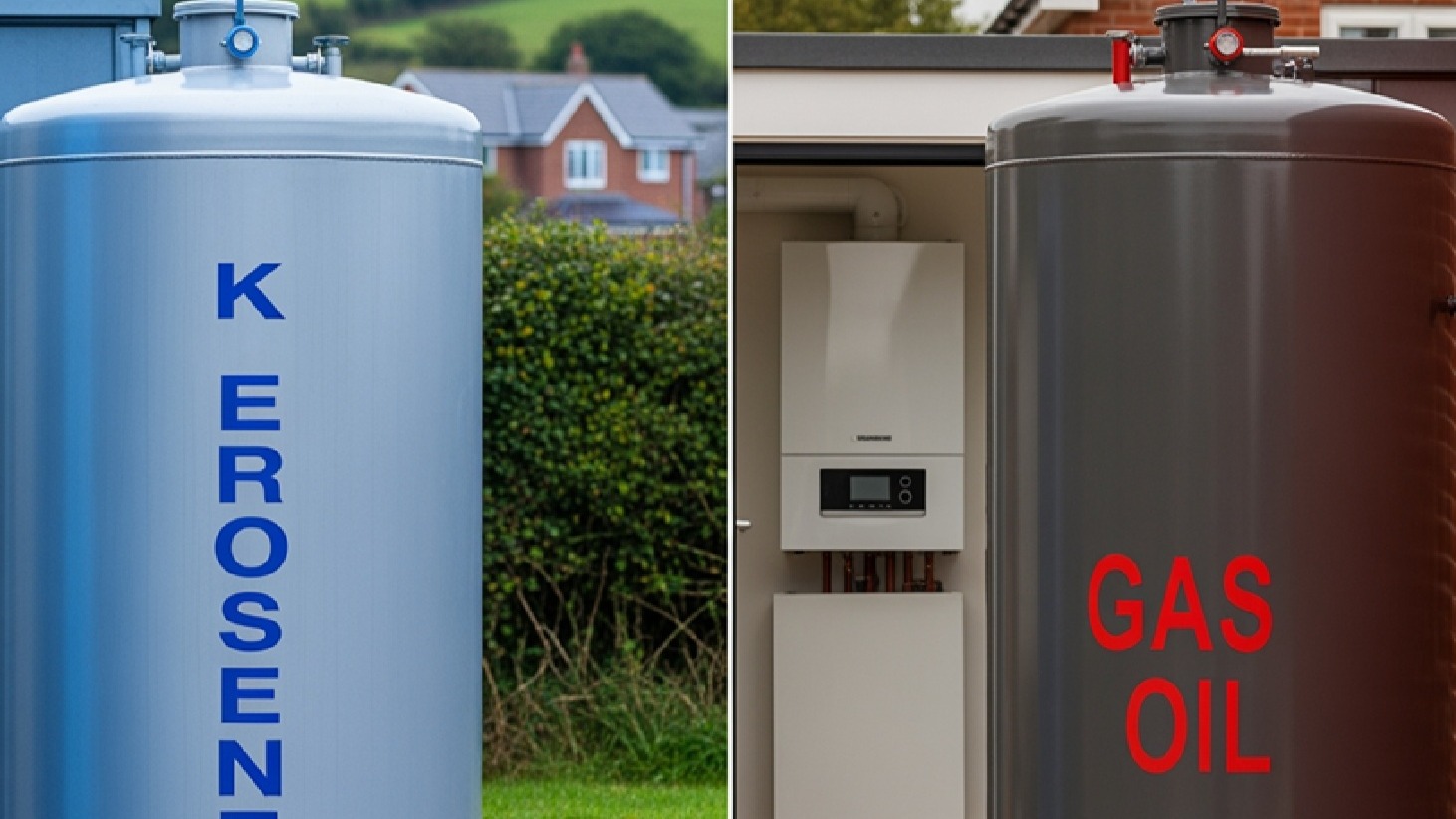
Choosing between kerosene and gas oil for your heating system isn't just about picking a fuel type; it's about understanding what actually works best for your home, your boiler, and your budget. Both fuels power millions of UK homes, particularly in rural areas without mains gas connections, yet confusion about their differences remains surprisingly common.
These two fuels serve different purposes, come with distinct regulatory requirements, and affect your heating system in measurably different ways. Countless homeowners make fuel choices based on price alone, only to face costly repairs or compliance issues down the line. Understanding exactly what separates these fuels helps you select which one suits your specific heating needs.
What Actually Distinguishes These Two Fuels
Kerosene and gas oil both originate from crude oil refinement, but they're processed differently and contain distinct chemical compositions. Kerosene (also called 28-second heating oil or paraffin) is a lighter, more refined product that burns cleaner and produces less residue. Gas oil (commonly known as 35-second oil or red diesel) is heavier, less refined, and contains more sulphur.
The "28-second" and "35-second" names refer to viscosity measurements, how long the fuel takes to flow through a standardised testing device. This viscosity difference directly impacts how the fuel atomises in your burner, which affects combustion efficiency and the type of equipment you'll need.
Gas oil contains a red dye marker and chemical tracers added by law. This identifies it as a rebated fuel (meaning it carries lower duty rates) that's restricted to specific uses. Using red diesel in applications outside permitted categories carries serious penalties; HMRC actively tests fuel samples and prosecutes misuse.
Chemical Composition Differences
The sulphur content differs significantly too. Kerosene typically contains less than 0.001% sulphur, whilst gas oil can contain up to 0.1%, that's a hundred-fold difference. Higher sulphur levels create more acidic combustion byproducts, which accelerate corrosion in heating systems not designed for it.
Permitted Uses and Regulatory Requirements
Kerosene faces no usage restrictions in the UK. You can legally burn it in any domestic heating system, commercial premises, or approved appliance without special permissions. This makes it the default choice for most home heating applications.
Gas oil operates under strict regulations. You can legally use it for:
- Agricultural vehicles and machinery
- Non-road mobile machinery (construction equipment, generators)
- Heating in homes and businesses
- Certain marine craft
The heating exemption is crucial; gas oil remains perfectly legal for domestic and commercial heating systems. However, you cannot use it in road vehicles (except licensed agricultural vehicles on limited road journeys). The penalty for putting red diesel in a standard road vehicle includes fuel duty recovery, fines up to £1,000, and potential criminal prosecution.
HMRC officers have the authority to dip fuel tanks without notice. They use a simple chemical test that detects the red dye even if someone attempts to remove it through filtering. The chemical markers remain detectable long after the visible dye disappears.
Performance Characteristics in Heating Systems
When comparing kerosene vs gas oil performance, kerosene burns hotter and cleaner. The lighter molecular structure means better atomisation in burners, which creates more complete combustion. You'll see less soot buildup, reduced maintenance requirements, and typically longer intervals between boiler services.
The cleaner burn translates to measurably better efficiency. Kerosene-fired boilers typically achieve 85-90% efficiency when properly maintained, whilst gas oil systems often run at 80-85%. That 5% difference might sound small, but across a heating season, it adds up to noticeable fuel consumption differences.
Gas oil's higher viscosity means it flows more slowly, particularly in cold weather. Below 5°C, gas oil can start to gel or "wax," which blocks fuel lines and filters. Many systems using gas oil require heated fuel lines or additives during the winter months. Kerosene remains fluid down to approximately -40°C, eliminating cold-weather flow problems.
Condensate and Corrosion Concerns
The sulphur content in gas oil creates acidic condensation when combustion gases cool. Modern condensing boilers deliberately cool exhaust gases to extract maximum heat, which means this acidic condensate forms by design. Boilers specifically rated for gas oil use materials resistant to this acidity, but running gas oil through a kerosene-only rated condensing boiler accelerates corrosion dramatically.
Boiler Compatibility and Equipment Considerations
Not all boilers accept both fuels interchangeably. Your boiler's rating plate or manual specifies approved fuel types; this isn't a suggestion, it's an engineering requirement that affects warranty coverage and safety certification.
Kerosene-only boilers use components designed for lighter fuel. The burner nozzle size, fuel pump pressure settings, and combustion chamber design all assume kerosene's specific characteristics. Running gas oil through these systems causes incomplete combustion, excessive soot, and potential damage to heat exchangers.
Dual-fuel boilers (rated for both kerosene and gas oil) incorporate design modifications to handle either fuel safely. These typically include:
- Adjustable fuel pump pressure settings
- Corrosion-resistant heat exchanger materials
- Burner nozzles sized for the heavier fuel
- Enhanced filtration systems
Converting from one fuel to another requires more than just switching suppliers. A qualified heating engineer must inspect the system, verify component compatibility, adjust burner settings, and potentially replace filters, nozzles, or other components. Brands like Andrews offer boilers designed for various fuel types, but a professional assessment remains essential.
The fuel tank itself needs consideration, too. Kerosene and gas oil can share the same tank type (typically steel or plastic bunded tanks for domestic installations), but you cannot mix the fuels. If switching fuel types, the tank requires complete draining and cleaning before introducing the new fuel.
Cost Comparison and Economic Factors
Price differences between kerosene and gas oil fluctuate with crude oil markets, refining costs, and tax policies. Historically, gas oil has often been cheaper per litre due to lower duty rates and less refining required. The price gap typically ranges from 5-15 pence per litre, though this varies regionally and seasonally.
However, direct price comparison misses crucial factors. Kerosene's higher efficiency means you need less fuel to generate the same heat output. If kerosene costs 10% more per litre but delivers 5% better efficiency, the actual cost difference shrinks to roughly 5%.
Maintenance costs favour kerosene significantly. The cleaner burn means annual servicing typically costs less (engineers spend less time cleaning soot and replacing fouled components). Boiler lifespan tends to extend when running on kerosene, delaying expensive replacement costs.
Delivery and Bulk Buying Strategies
Delivery minimums affect economics, too. Most fuel suppliers set minimum delivery quantities (often 500-900 litres). Kerosene's wider availability means more supplier competition and potentially better negotiating leverage. Gas oil suppliers are fewer, particularly for domestic heating use, which can limit your options.
Bulk buying during the summer months typically offers the best prices for either fuel. Homeowners can save 15-20% by filling tanks in July rather than waiting until October when demand spikes. This strategy works regardless of fuel choice but requires adequate storage capacity.
Storage and Safety Considerations
Both fuels require proper storage in approved tanks meeting current regulations. For domestic installations, this typically means:
- Bunded tanks (double-walled) for capacities over 2,500 litres or tanks within 10 metres of waterways
- Installation on firm, level bases with proper support
- Appropriate separation distances from buildings and boundaries
- Secondary containment for leak prevention
- Regular inspection for damage or corrosion
Kerosene's lower viscosity makes it slightly more prone to leaking through small gaps or damaged seals, so tank maintenance matters particularly for kerosene installations. Gas oil's heavier nature provides some margin here, but proper tank maintenance remains essential for either fuel.
Fire safety characteristics differ minimally between the two. Both have similar flash points and require standard precautions around naked flames and smoking. Storage regulations treat them identically from a fire risk perspective.
The main safety distinction relates to contamination. Water contamination affects gas oil more severely because its higher viscosity traps water droplets, creating bacterial growth and sludge. Kerosene sheds water more readily, though proper tank maintenance prevents water ingress regardless of fuel type. Quality plumbing components ensure leak-free connections.
Making the Kerosene vs Gas Oil Decision
Your existing equipment heavily influences the decision. If you already have a boiler rated exclusively for one fuel type, switching requires either boiler replacement or significant modifications. For properties with functioning single-fuel systems, the economic case for switching usually fails unless you're already planning a boiler upgrade.
New installations or system replacements offer a genuine choice. Most heating engineers recommend kerosene for new domestic installations unless specific circumstances favour gas oil. The cleaner combustion, better cold-weather performance, and regulatory simplicity make kerosene the safer default choice.
Agricultural properties present unique situations. If you're already managing red diesel for tractors and farm machinery, adding gas oil heating creates operational simplicity: one fuel supplier, one tank, one set of regulations to manage. This convenience can outweigh kerosene's technical advantages.
Location and Access Factors
Geographic location matters too. In remote areas with limited fuel delivery options, you might find gas oil suppliers scarce or delivery costs prohibitive. Checking local supplier availability before committing to a particular fuel type prevents future headaches.
Consider your heating system's age. If your boiler is approaching 15 years old (typical replacement age), investing in modifications to switch fuel types rarely makes economic sense. You're better off continuing with the current fuel until replacement becomes necessary, then specifying your preferred fuel type for the new system.
Practical Considerations for Rural Properties
Rural properties often face unique challenges that affect fuel choice. Delivery access matters; some rural locations have weight restrictions on access roads or narrow lanes that limit tanker size. Smaller tankers typically cost more per litre delivered, so factor this into your calculations.
Storage capacity becomes crucial when deliveries are expensive or difficult to schedule. Properties with larger tanks (2,500+ litres) can take advantage of bulk pricing and reduce delivery frequency. Both fuels store well for extended periods (12+ months) if tanks are properly maintained and water contamination is prevented.
Backup heating options provide peace of mind in rural settings where fuel delivery delays can occur during severe weather. Many rural properties maintain wood-burning stoves or electric heaters as supplementary heat sources. This backup capability matters equally regardless of whether you choose kerosene or gas oil.
Quality heating components make a measurable difference in rural properties where service calls are expensive and inconvenient. Reliable pumps from manufacturers like Grundfos and properly specified controls from EPH Controls reduce breakdown frequency and extend system life.
System Maintenance and Longevity
Annual servicing remains essential regardless of fuel choice, but the service requirements differ. Kerosene systems typically need:
- Annual burner inspection and adjustment
- Filter replacement (usually annually)
- Flue inspection and cleaning (often every 2-3 years)
- Heat exchanger inspection
Gas oil systems require more frequent attention:
- Annual burner cleaning and adjustment (more intensive than kerosene)
- More frequent filter changes (sometimes twice annually)
- Annual flue cleaning due to higher soot production
- More thorough heat exchanger cleaning
These maintenance differences add up over time. A kerosene boiler service typically costs £80-120, whilst gas oil service often runs £100-150 due to additional cleaning requirements. Over a 15-year boiler lifespan, that's a noticeable difference.
Component lifespan extends with kerosene. Burner nozzles, electrodes, and pumps all last longer when handling cleaner fuel. Heat exchangers resist corrosion better with low-sulphur fuel. Well-maintained kerosene boilers operate reliably for 20+ years, whilst gas oil systems more commonly need replacement around 15 years.
Water quality in your heating system matters too. Regular treatment with inhibitors protects against internal corrosion regardless of fuel type. Quality system protection products prevent sludge buildup and extend system life.
Future-Proofing Your Heating Investment
The heating landscape is changing rapidly. Government policies increasingly favour renewable heating technologies, with grants available for heat pump installations and biomass systems. Oil heating faces an uncertain long-term future as decarbonisation targets tighten.
However, immediate replacement of functioning oil heating systems rarely makes economic sense. The payback period for heat pump conversions often exceeds 15-20 years at current energy prices, particularly in older properties with higher heat loss.
If you're installing or replacing oil heating now, kerosene offers better future flexibility. Should you eventually convert to a heat pump or other technology, kerosene boilers typically have better resale value. The equipment also integrates more easily into hybrid systems where oil heating supplements renewable technologies during peak demand periods.
Consider modern condensing boilers regardless of fuel choice. These extract significantly more heat from combustion gases, delivering efficiency improvements of 10-15% over older non-condensing models. Brands like Morco offer efficient condensing options designed for various fuel types.
Smart heating controls from manufacturers like Honeywell maximise efficiency regardless of fuel type. Programmable thermostats, zone controls, and weather compensation all reduce fuel consumption measurably. These upgrades pay for themselves within 2-3 years through reduced fuel use. Danfoss controls provide similar efficiency benefits.
Understanding the Full Cost Picture
Total heating costs extend beyond fuel prices. When comparing kerosene vs gas oil, factor in:
Fuel efficiency: Kerosene's 5% efficiency advantage means 1,000 litres of kerosene delivers roughly the same heat as 1,050 litres of gas oil.
Maintenance costs: Annual servicing costs roughly £20-30 more for gas oil systems, totalling £300-450 over a typical boiler lifespan.
Component replacement: Gas oil's higher soot production shortens component life. Budget an extra £200-400 over 15 years for additional nozzles, filters, and cleaning.
Boiler lifespan: Kerosene systems averaging 18-20 years versus 14-16 years for gas oil means potentially delaying a £3,000-5,000 boiler replacement by several years.
Cold weather additives: Gas oil often requires winter additives (£10-20 per treatment) to prevent waxing in cold weather, adding £150-300 over a boiler's life.
When you total these factors, kerosene typically costs 5-8% less over the system's lifetime, even when gas oil is cheaper per litre. The cleaner burn and reduced maintenance create savings that compound over the years of operation.
Selecting the Right Fuel for Your System
The kerosene versus gas oil decision ultimately depends on your specific circumstances, but for most domestic heating applications, kerosene emerges as the better choice. Its cleaner combustion, better cold-weather performance, lower maintenance requirements, and freedom from regulatory restrictions outweigh the slightly higher per-litre cost in most scenarios.
Gas oil remains viable for properties with existing dual-fuel systems in good condition, particularly agricultural properties already managing red diesel for other purposes. However, for new installations or system replacements, kerosene's advantages become compelling.
Whatever fuel you choose, proper system design, quality components, and regular maintenance matter more than the fuel type alone. A well-maintained gas oil system outperforms a neglected kerosene system every time. Work with qualified heating engineers who understand your specific equipment and follow manufacturer specifications precisely.
The heating industry continues evolving toward lower-carbon solutions, but oil heating will remain relevant for rural properties for years to come. Making an informed choice between kerosene and gas oil ensures your heating system operates efficiently, reliably, and cost-effectively until alternative technologies become practical for your specific situation. Focus on total lifetime costs rather than just fuel prices, prioritise proper maintenance, and specify quality components from the start; these decisions affect your comfort and costs far more than the fuel choice alone.
For quality heating components suitable for both kerosene and gas oil systems, Heating and Plumbing World stocks a comprehensive range from trusted manufacturers. Need advice on fuel compatibility or system specifications? Get in touch with heating specialists who understand both fuel types and can recommend solutions that match your requirements.