

Kingspan Range Tribune HE: Temperature And Pressure Relief Valve Replacement
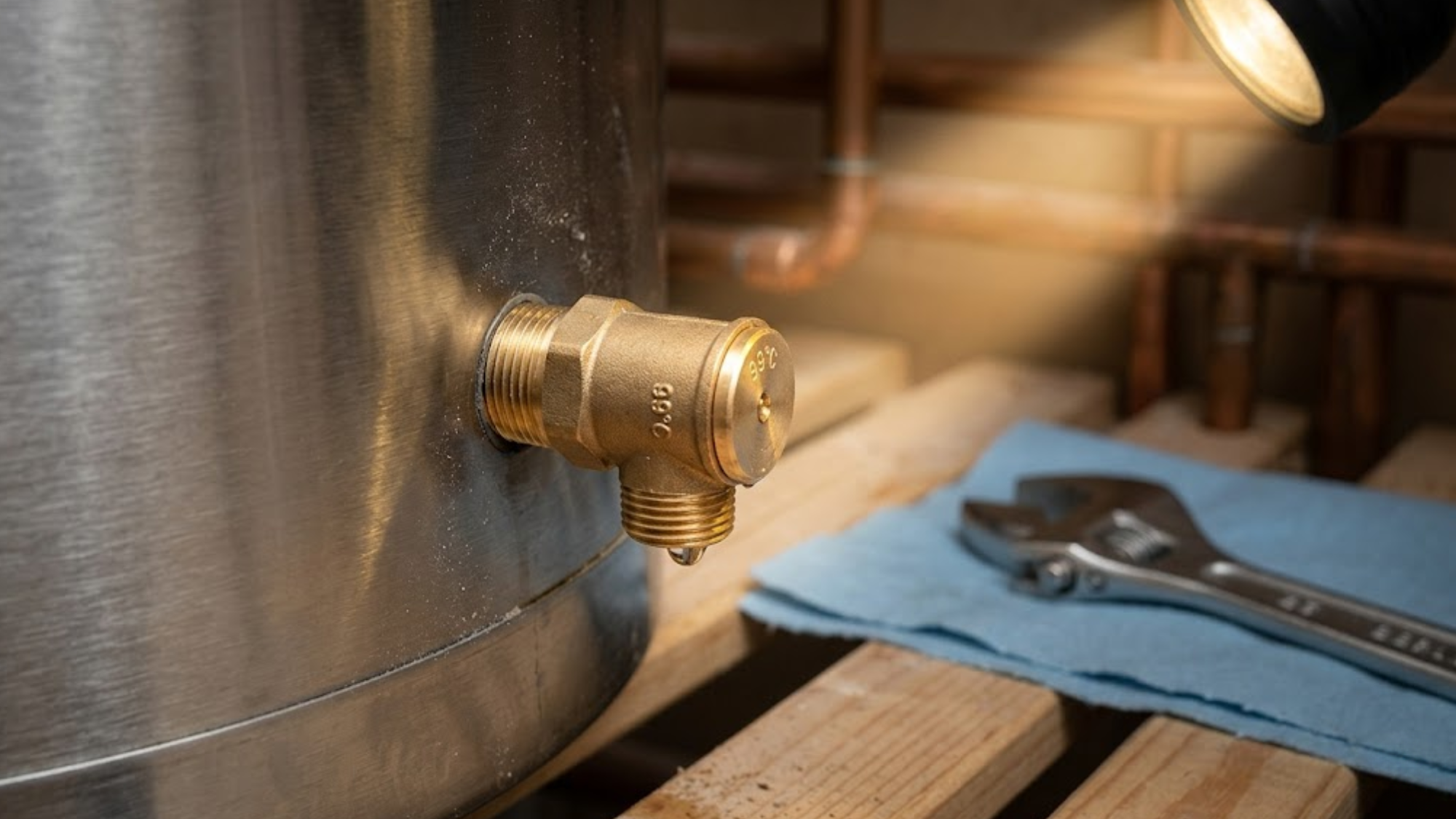
The temperature and pressure relief valve (TPR valve) on your Kingspan Range Tribune HE serves one critical function: preventing dangerous pressure buildup that could damage your system or create safety hazards. When this valve fails or starts leaking, a kingspan range tribune he temperature and pressure relief valve replacement becomes urgent to maintain the integrity of your unvented system.
Think of the TPR valve like the safety whistle on a traditional pressure cooker. If the internal pressure becomes too great for the vessel to handle, the valve opens to release energy before a catastrophic failure occurs. In a heating system, it is your last line of defence against a dangerous pressure event.
Why TPR Valves Fail on Tribune HE Units
The Tribune HE operates at higher temperatures and pressures than standard boilers, which accelerates wear on safety components. Professionals at Heating and Plumbing World frequently see these failures in units where high-temperature cycling reduces typical service life from 8-10 years down to 5-7 years.
One primary failure mode is mineral buildup. Hard water deposits prevent the valve from sealing properly, causing continuous dripping. Another common issue is spring fatigue. The internal spring weakens over time, dropping the activation pressure below the safe threshold. Additionally, galvanic corrosion between dissimilar metals can create pinhole leaks or weaken the valve body. This galvanic corrosion between dissimilar metals often happens faster in systems with mixed metal components and inadequate corrosion inhibitors.
Tools and Parts Required for the Job
Before starting a kingspan range tribune he temperature and pressure relief valve replacement, verify you have the correct valve. The Tribune HE requires a TPR valve rated for 150 kPi (21.8 psi) with a temperature rating of 99°C. Using an incorrect valve creates liability issues and voids warranties.
Sourcing high-quality plumbing fittings and supplies is essential for a lasting repair. You will need an adjustable wrench (300mm minimum), yellow gas-rated PTFE tape, a pressure gauge, and a bucket for residual water. We recommend Caleffi or Watts valves, as they consistently perform well under the thermal stress these units generate.
Pre-Replacement System Preparation
Shut down the boiler using the main power switch. The system needs to cool to below 40°C before you start work. If your heating controls are integrated with a smart system, ensure the heat demand is completely disabled. Close the cold water inlet valve to the boiler by turning it clockwise until it stops.
Attach a garden hose to the drain valve at the bottom of the boiler and run it to a drain. Open the drain valve to depressurise the system. Open a hot water tap at the highest point in the building to break the vacuum and allow complete drainage. Check your pressure gauge: it should read zero. If it shows residual pressure, the drain valve may be clogged or you haven't fully opened it.
Removing the Old TPR Valve Safely
The TPR valve threads into a brass fitting on the side or top of the Tribune HE. Even after draining, some water typically remains in the passages. Grip the valve body with your adjustable wrench and turn counter-clockwise. These valves are often torqued to 40-50 Nm during initial installation.
There is a critical point here: you must hold the brass fitting with a second wrench while turning the valve. If you do not back up the fitting, you risk cracking the heat exchanger casting, which converts a simple repair into a disastrous expense. On a recent commercial project, an apprentice applied force without a backup wrench and cracked the heat exchanger casting instantly. It turned a £60 repair into a complete unit replacement costing over £1,200. Once the valve starts moving, it should unthread smoothly.
Installing the New TPR Valve Correctly
Clean the threads in the brass fitting using a wire brush to remove old mineral deposits. Wrap the threads of your new valve with PTFE tape, using 4-5 wraps with 50% overlap. Thread the new valve in by hand until it seats firmly. You should get at least 3-4 full turns before it becomes difficult.
Tighten the valve using your wrench. Ensure the discharge outlet points downward or toward the designated discharge location. If you are also installing a new expansion vessel to resolve pressure spikes, verify the pre-charge matches the incoming mains pressure. Applying 30-40 Nm of torque is usually sufficient to seat the valve body solidly.
System Refill and Performance Testing
Close the drain valve and slowly open the cold water inlet. Let water flow through the high tap until it runs steady without air bubbles. Watch the pressure gauge: it should stabilise between 100-150 kPi (14.5-21.8 psi). If pressure exceeds this, you may need a pressure-reducing valve on the inlet to protect your system components.
Without a functional pressure-reducing valve on the inlet, your safety valves will suffer from premature discharge. Review the local regulations regarding plastic pipe systems for discharge lines. Most codes require CPVC or copper for TPR discharge because standard PVC can fail under the thermal shock of 99°C water. As the system reaches operating temperature, the valve should remain completely dry.
Common Installation Mistakes to Avoid
Over-torquing is a major risk. Excessive force can crack the heat exchanger casting or distort the valve body. Also, ensure the temperature sensing probe extends into the hottest part of the system for accurate readings. Installing the valve at the wrong angle prevents the probe from sensing the actual core temperature.
Furthermore, if your system has a backflow preventer or check valve on the cold water inlet, you must have an expansion tank. Without one, thermal expansion has nowhere to go except through the TPR valve, causing premature failure. Ensuring the integrity of the radiator heating system prevents unnecessary load on the unvented cylinder. Systems that lack a backflow preventer or check valve often suffer from constant weeping.
Maintenance to Extend Valve Life
You should test the TPR valve every six months by lifting the test lever. This prevents mineral buildup on the valve seat. Annual boiler servicing is essential to catch pump problems and weeping valves before they escalate. A qualified technician can verify the valve opens at the correct pressure using specialized equipment.
If you have hard water, consider installing a scale inhibitor on the cold water supply. Maintaining proper cold pressure between 100-120 kPi prevents unnecessary stress on the valve. Keeping your system well-maintained reduces the overall workload on your safety devices and prevents expensive emergency callouts.
Conclusion
Conducting a kingspan range tribune he temperature and pressure relief valve replacement protects your investment and ensures safe operation. The job requires attention to detail, specifically regarding torque and thread sealing. A functioning TPR valve is the last line of defence against dangerous pressure, making it one of the most important components in your home. If you are not confident in the process, speak to our team for expert technical guidance.