

Landlord Responsibilities for Heating and Plumbing
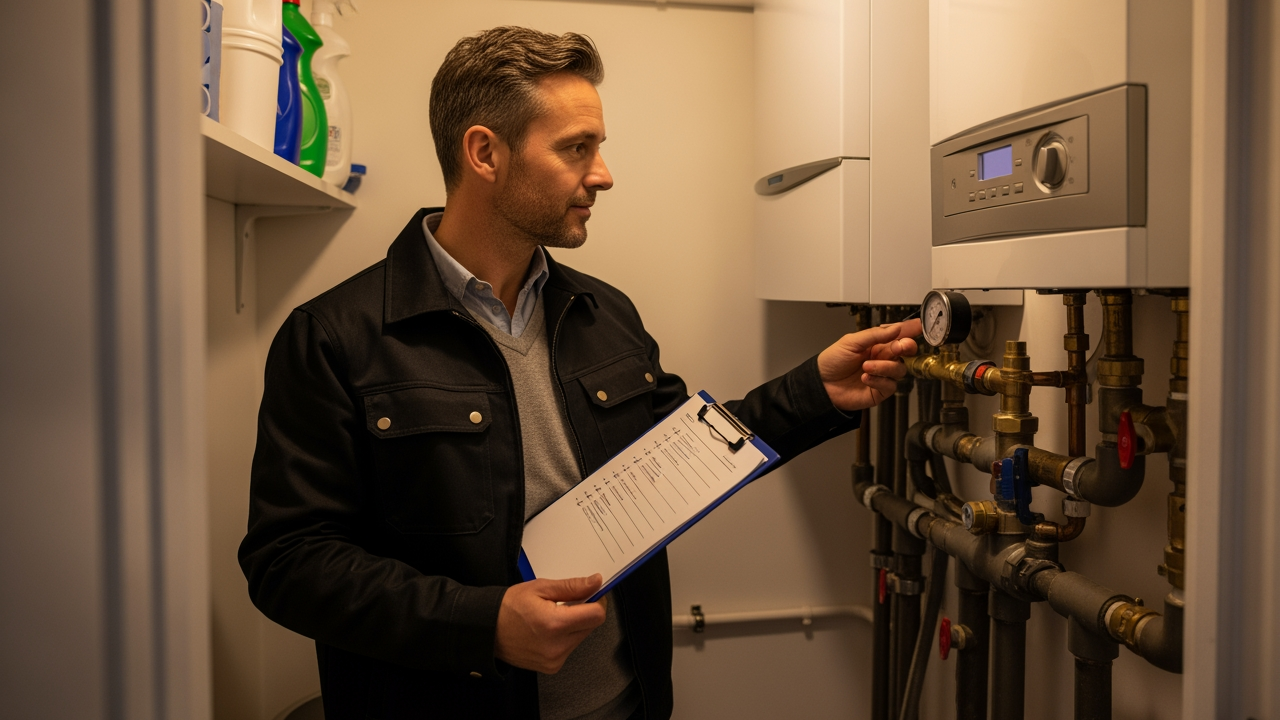
Landlords in the UK face extensive legal obligations regarding heating and plumbing systems in rental properties. These responsibilities protect tenant welfare, ensure habitable living conditions, and maintain compliance with housing regulations. Understanding landlord responsibilities prevents legal disputes, reduces void periods, and protects property investments from deterioration caused by neglected maintenance.
This comprehensive guide examines statutory requirements, maintenance duties, emergency response protocols, and best practices for managing heating and plumbing systems in rental properties across England, Wales, Scotland, and Northern Ireland.
Legal Framework Governing Rental Property Heating and Plumbing
Multiple pieces of legislation establish landlord responsibilities for heating and plumbing systems. The Landlord and Tenant Act 1985 forms the foundation, requiring landlords to maintain installations for supplying water, gas, electricity, sanitation, and space heating. These obligations cannot be contracted away - tenancy agreements cannot transfer maintenance responsibilities to tenants for core systems.
The Housing Health and Safety Rating System (HHSRS) assesses potential risks in rental properties, including heating failures and plumbing defects. Local authorities use HHSRS to identify Category 1 and Category 2 hazards. Properties lacking adequate heating or suffering from persistent plumbing problems may fail inspections, resulting in enforcement notices requiring immediate remediation.
The Homes (Fitness for Human Habitation) Act 2018 strengthened tenant protections by allowing legal action against landlords who fail to maintain properties in habitable condition. Heating systems must provide adequate warmth throughout properties, while plumbing installations must deliver clean water and properly dispose of wastewater. Tenants can pursue compensation through the courts when landlords neglect these fundamental requirements.
Gas Safety (Installation and Use) Regulations 1998 mandate annual gas safety inspections by Gas Safe-registered engineers. Landlords must provide current gas safety certificates to tenants within 28 days of inspection or before new tenancies commence. Failure to comply carries criminal penalties, including unlimited fines and imprisonment for serious breaches.
The Electrical Equipment (Safety) Regulations 2016 require electrical installations, including heating controls and immersion heaters, to meet safety standards. Properties in England require electrical installation inspections every five years, with certificates provided to tenants.
Mandatory Heating System Maintenance Requirements
Landlords must ensure heating systems function reliably throughout tenancies. This obligation extends beyond simply providing heating equipment - systems must heat properties to reasonable temperatures suitable for human habitation.
Annual Boiler Servicing and Safety Checks
Gas boilers require annual servicing by Gas Safe-registered engineers. These inspections verify safe operation, identify worn components, and maintain manufacturer warranties. Servicing records demonstrate compliance with landlord responsibilities and provide evidence of proper rental property maintenance during disputes.
Service visits typically include combustion analysis, flue testing, pressure checks, and safety device verification. Engineers replace deteriorated seals, clean heat exchangers, and adjust burner settings for optimal efficiency. Landlords should schedule servicing during void periods or at tenancy renewals to minimise disruption.
Oil-fired boilers require annual servicing by OFTEC-registered technicians. These heating systems demand specialist knowledge regarding combustion chambers, burner nozzles, and fuel delivery systems. Regular maintenance prevents breakdowns during the winter months when heating demands peak.
Emergency Heating Repairs and Response Times
Complete heating system failures constitute emergencies requiring urgent attention, particularly during the winter months. Landlords must respond promptly when tenants report total heating loss, typically within 24 hours in cold weather. Reasonable response times vary based on circumstances - heating failures in January with vulnerable occupants demand immediate action, while minor issues during summer allow longer response periods.
Emergency repairs might include replacing failed boiler components, restoring power to heating controls, or providing temporary electric heaters whilst permanent repairs are arranged. Worcester Bosch boiler spares and Baxi spares enable rapid repairs to popular boiler models, reducing tenant inconvenience.
Landlords should maintain relationships with reliable heating engineers offering emergency callouts. Having established contractors ensures a rapid response when urgent repairs arise, protecting both tenant welfare and landlord reputations.
Upgrading Inefficient or Obsolete Systems
The Minimum Energy Efficiency Standards (MEES) require rental properties to achieve Energy Performance Certificate (EPC) ratings of E or above. Properties falling below this threshold cannot be let unless exemptions apply. Landlords with F or G-rated properties must invest in efficiency improvements, often including boiler replacements or heating system upgrades.
Modern condensing boilers achieve 90-95% efficiency compared to 60-70% for older non-condensing models. Replacing boilers over 15 years old improves energy performance, reduces tenant fuel costs, and enhances property marketability. While expensive, new boilers prevent frequent breakdowns and maintain compliance with evolving efficiency regulations.
Properties using older storage heaters or back boilers may require complete heating system replacements. These obsolete technologies consume excessive electricity or fail to meet modern safety standards. Proactive upgrades prevent enforcement action and attract quality tenants willing to pay premium rents for energy-efficient homes.
Plumbing System Maintenance Obligations
Landlord responsibilities extend to all plumbing installations, including water supply pipes, drainage systems, sanitary fittings, and water heating appliances. Functional plumbing is essential for basic hygiene and property habitability.
Water Supply and Pipework Maintenance
Landlords must ensure a continuous cold water supply to properties. This includes maintaining rising mains, stop valves, and distribution pipework. Leaking pipes require prompt repair to prevent water damage, mould growth, and structural deterioration.
Cold water storage tanks in lofts need periodic inspection and maintenance. Water tanks deteriorate over time, developing leaks or contamination that affects water quality. Insulating tanks and pipes prevents freezing during winter, avoiding burst pipe emergencies that cause extensive property damage.
Hot water systems must deliver water at safe temperatures - typically 60°C at cylinders to prevent Legionella bacteria growth, with thermostatic mixing valves limiting tap temperatures to 50°C maximum to prevent scalding. Landlords should verify temperature settings during inspections and arrange adjustments when necessary.
Properties using expansion vessels in sealed heating systems require periodic pressure checks. Failed expansion vessels cause pressure loss, preventing heating systems from operating correctly. Regular inspection identifies problems before complete system failures occur.
Drainage and Waste Water Systems
Blocked drains, overflowing gutters, and defective waste pipes create unsanitary conditions that breach landlord responsibilities. Properties must dispose of wastewater effectively without causing health hazards or property damage.
External drainage systems, including gullies, inspection chambers, and main drains, require periodic clearing. Tree root infiltration, collapsed pipes, or accumulated debris cause blockages that back up into properties. Professional drain surveys using CCTV cameras identify problems in underground pipework, allowing targeted repairs rather than expensive excavations.
Internal waste pipes serving sinks, baths, and toilets must maintain proper falls and venting. Incorrectly installed pipework creates slow drainage, gurgling sounds, and foul odours. These defects require correction to meet building regulations and maintain habitable conditions.
Rainwater goods, including gutters and downpipes, need annual cleaning and inspection. Overflowing gutters saturate walls, causing penetrating damp and internal decoration damage. Landlords should schedule gutter clearance before winter to prevent ice damage and overflow during heavy rainfall.
Sanitary Fittings and Bathroom Facilities
Working toilets, washbasins, baths, and showers are essential amenities landlords must provide and maintain. Cracked toilet pans, leaking taps, and faulty shower valves require replacement when repairs prove impractical.
Pressure relief valves on unvented hot water cylinders require annual inspection by competent persons. These safety devices prevent dangerous pressure buildup, protecting both occupants and property. Failed relief valves must be replaced immediately using approved components.
Properties must provide adequate bathroom and toilet facilities based on occupancy levels. Houses in Multiple Occupation (HMOs) face stricter requirements regarding bathroom-to-occupant ratios. Landlords letting HMO properties should verify compliance with local licensing conditions specifying minimum facility standards.
Emergency Repair Responsibilities and Timeframes
Distinguishing between emergencies and routine maintenance helps landlords prioritise responses appropriately. True emergencies threaten health, safety, or cause progressive property damage requiring immediate intervention.
Genuine Emergency Scenarios
Complete heating failure during winter, especially with vulnerable occupants, constitutes a clear emergency. Landlords must respond within 24 hours, arranging temporary heating if permanent repairs take longer. Similarly, total loss of hot water in properties without alternative water heating methods demands urgent attention.
Burst pipes flooding properties require immediate response regardless of time or day. Water ingress causes rapid damage to electrics, floor coverings, and furnishings. Landlords should provide emergency contact numbers and authorise plumbers to attend without prior approval during genuine emergencies.
Completely blocked toilets in properties with single facilities represent sanitation emergencies. However, partially blocked drains or slow-draining sinks allow longer response times, provided alternative facilities remain available.
Gas leaks demand immediate evacuation and National Grid Gas Emergency Service contact (0800 111 999). Landlords should never attempt DIY gas repairs - only Gas Safe engineers may work on gas installations. Properties must remain empty until engineers declare them safe for reoccupation.
Routine Maintenance vs Emergency Repairs
Not all heating and plumbing issues constitute emergencies. Dripping taps, minor leaks into containers, radiators needing bleeding, or intermittent hot water problems are routine matters allowing several days for repair arrangements.
Setting clear expectations in tenancy agreements helps tenants understand what qualifies as emergencies versus routine maintenance. Written policies reduce unnecessary callout fees for non-urgent issues whilst ensuring genuine emergencies receive appropriate priority.
Landlords might specify that heating failures between May and September don't require emergency response unless properties house vulnerable individuals. Similarly, hot water loss in properties with electric showers or kettles for washing might not warrant immediate emergency attendance.
Preventative Maintenance Strategies for Rental Properties
Proactive rental property maintenance reduces emergency repairs, extends equipment lifespan, and maintains tenant satisfaction. Structured maintenance programmes identify problems before they cause failures.
Annual Inspection Protocols
Comprehensive annual inspections allow landlords to assess property conditions systematically. These visits should examine heating systems, plumbing installations, and water storage tanks alongside general property maintenance.
Inspection checklists ensure consistent evaluation across multiple properties. Key items include boiler operation, radiator performance, visible pipe leaks, tap functionality, toilet cistern operation, and drainage efficiency. Documented inspections provide evidence of the responsible landlord's responsibilities when disputes arise.
Engaging professional property inspectors or qualified maintenance technicians provides expert assessments that identify subtle problems landlords might miss. These professionals recognise deteriorating components before complete failure, allowing planned replacements during void periods rather than emergency repairs mid-tenancy.
Seasonal Maintenance Planning
Winter preparation prevents cold-weather damage and heating emergencies. Autumn inspections should verify heating system function, insulate exposed pipework, check frost protection on external taps, and clear gutters before winter rainfall increases.
Properties left empty during winter require special attention. Heating should maintain minimum temperatures (typically 12-15°C) to prevent freezing. Alternatively, draining water systems and heating circuits protects against freeze damage but requires proper procedures to avoid airlocks upon refilling.
Summer provides opportunities for major heating system work without leaving tenants without heating. Boiler replacements, radiator additions, or complete system upgrades suit summer scheduling. Similarly, bathroom renovations during warm weather minimise tenant inconvenience from temporary water supply interruptions.
Tenant Responsibilities and Communication
Clear communication regarding respective maintenance responsibilities prevents misunderstandings. Whilst landlords must maintain heating and plumbing installations, tenants should report problems promptly and avoid causing damage through misuse.
Tenancy agreements should specify tenant obligations, including:
- Reporting heating or plumbing problems within reasonable timeframes
- Allowing access for annual servicing and emergency repairs
- Using heating systems appropriately without modification
- Avoiding drain blockages through proper waste disposal
- Preventing frost damage by maintaining minimum heating levels
- Notifying landlords immediately when leaks or heating failures occur
Educating tenants about basic system operation reduces misuse. Simple instructions covering boiler controls, temperature settings, pressure checking, and radiator bleeding prevent many common issues. Laminated instruction cards near boilers help tenants resolve minor problems independently.
Record Keeping and Documentation Requirements
Maintaining comprehensive records demonstrates compliance with landlord responsibilities and protects against spurious claims. Essential documentation includes gas safety certificates, electrical installation reports, servicing records, repair invoices, and tenant correspondence regarding maintenance issues.
Statutory Certification
Gas safety certificates must be retained for at least two years, though longer retention proves prudent. These documents demonstrate that annual inspections occurred and that identified defects received remediation. During property sales, comprehensive servicing records enhance buyer confidence and may increase property values.
Electrical Installation Condition Reports (EICRs) verify electrical system safety every five years. Reports detail any defects requiring immediate remedy or ongoing observation. Landlords must address C1 (danger present) and C2 (potentially dangerous) issues before continuing lettings.
Energy Performance Certificates, valid for ten years, provide evidence of MEES compliance. Properties with historic EPCs predating efficiency upgrades should commission updated assessments to reflect improvements and enable higher rents.
Repair and Maintenance Logs
Detailed records of all heating and plumbing repairs create maintenance histories for properties. These logs help identify recurring problems requiring permanent solutions rather than repeated temporary fixes. Patterns of frequent boiler breakdowns suggest replacement becomes more economical than continued repairs.
Photographic evidence before and after repairs proves work completion and quality. Time-stamped images protect landlords from allegations that maintenance was delayed or performed inadequately. Modern property management software enables digital record keeping with attached photos and documents.
Correspondence regarding maintenance requests should be retained, including tenant emails, text messages, and telephone notes. These records establish timelines demonstrating prompt responses to problems. In legal disputes, comprehensive communication records often prove decisive evidence.
Houses in Multiple Occupation: Enhanced Requirements
HMO landlords face stricter requirements reflecting higher occupancy densities and shared facility usage. Local authority licensing conditions often mandate enhanced maintenance standards beyond standard residential lettings.
Additional Safety Inspections
Many HMO licences require six-monthly gas safety inspections rather than annual checks. More frequent servicing reduces breakdown risks in properties where heating failures affect multiple households simultaneously.
Shared bathroom facilities require robust maintenance schedules, ensuring constant availability. HMOs should include contingency arrangements, such as additional toilets or access to backup facilities, should primary systems require extended repairs.
Facility Provision Standards
HMO licensing often specifies minimum ratios for bathrooms and kitchens relative to occupant numbers. Properties exceeding permitted occupancy levels without adequate facilities breach licensing conditions, risking licence revocation and prohibition orders preventing lettings.
Heating provisions must suit property sizes and occupancy levels. Shared houses with numerous bedrooms require heating systems capable of maintaining comfortable temperatures throughout. Undersized boilers struggling to meet demand constitute maintenance failures requiring system upgrades.
Managing Tenant Expectations and Disputes
Clear communication and reasonable expectations prevent many maintenance disputes. Landlords should establish practical standards whilst recognising that legitimate tenant concerns require appropriate responses.
Reasonable Temperature Expectations
Properties must achieve temperatures suitable for normal domestic purposes. The World Health Organisation recommends minimum 18°C in occupied living areas, though legal definitions of adequate heating remain somewhat subjective.
Tenants expecting 22-24°C throughout properties during extreme cold weather may have unrealistic expectations, particularly in older properties with limited insulation. However, landlords cannot dismiss reasonable heating complaints by claiming properties are "old" without demonstrating that heating systems function properly within property limitations.
Balancing Cost and Responsibility
Landlords must fund repairs to heating and plumbing installations regardless of cost, provided problems result from normal wear and tear rather than tenant damage. Expensive boiler replacements, leak repairs requiring decoration, or complete system renewals remain landlord responsibilities even when financially burdensome.
However, tenant-caused damage allows cost recovery. Blocked toilets from inappropriate waste disposal, frozen pipes from inadequate heating during tenant absences, or damage from DIY plumbing attempts justify charge-backs to tenants. Clear evidence and reasonable deductions protect deposits from spurious tenant challenges.
Working with Qualified Professionals
Engaging competent contractors ensures repairs meet legal standards whilst protecting landlords from liability for substandard work. Heating and Plumbing World supplies professional-grade components that qualified engineers use to maintain rental property heating systems to manufacturer specifications.
Contractor Selection Criteria
Gas engineers must hold a valid Gas Safe registration covering the work types undertaken. Landlords should verify registration status before engaging contractors and retain copies of registration certificates with maintenance records.
Plumbers and heating engineers should carry appropriate insurance protecting landlords from claims arising from defective work. Public liability insurance covering property damage and professional indemnity insurance addressing negligence claims provide essential protections.
Established contractors with permanent premises and good reputations prove more reliable than transient traders. Local authority trading standards departments and online reviews help identify reputable professionals whilst highlighting problematic operators.
Negotiating Service Contracts
Landlords with multiple properties benefit from annual service contracts providing priority responses and discounted callout rates. Regular maintenance contracts ensure timely servicing whilst reducing the administrative burden of arranging individual appointments.
Clear pricing structures prevent disputes over charges. Fixed price servicing, transparent hourly rates, and itemised parts costs enable landlords to budget accurately. Emergency callout charges should be established upfront, avoiding inflated fees during urgent repairs.
Protecting Property Investments Through Maintenance
Neglecting heating and plumbing maintenance causes accelerated property deterioration that exceeds the repair costs avoided by deferred maintenance. Water damage from ignored leaks destroys floor structures, encourages rot, and requires extensive remediation.
Long-Term Cost Benefits
Properties maintained to high standards command premium rents and attract quality tenants who treat homes respectfully. Tenants accept slightly higher rents when assured that maintenance requests receive prompt professional attention.
Well-maintained properties suffer fewer void periods. Tenants renew tenancies when landlords demonstrate commitment to property upkeep, reducing costly marketing and void periods between lettings. Long-term tenancies stabilise rental income whilst reducing management workload.
Property values reflect maintenance standards. Purchasers pay premiums for rental investments with comprehensive service records, modern, efficient heating systems, and updated plumbing installations. Deferred maintenance reduces capital values by more thanthe repair costs saved.
Future-Proofing Rental Property Heating Systems
Evolving regulations increasingly focus on environmental impact and energy efficiency. Forward-thinking landlords prepare for tightening standards by upgrading properties proactively rather than reacting to regulatory changes.
The government has signalled intentions to increase MEES requirements, potentially mandating EPC C ratings by 2028. Properties currently rated D or E may require significant heating system improvements to achieve compliance. Planning upgrades now avoids rushed, expensive work approaching deadlines.
Heat pump technology and hydrogen-ready boilers represent emerging solutions aligned with net-zero targets. Whilst current regulations don't mandate these technologies, properties with conventional gas boilers may face retrofit requirements within 10-15 years. Considering future requirements during current upgrade decisions avoids premature obsolescence.
Conclusion: Balancing Legal Compliance and Practical Management
Landlord responsibilities for heating and plumbing encompass extensive legal obligations that protect tenant welfare whilst maintaining habitable living conditions. Successful rental property maintenance requires understanding statutory requirements, implementing preventative maintenance strategies, and responding appropriately to tenant concerns.
Proactive landlords viewing maintenance as investment protection rather than grudging expense build sustainable rental businesses with satisfied tenants, minimal disputes, and preserved capital values. Regular servicing, prompt repairs, comprehensive record keeping, and professional contractor relationships form the foundation of responsible property management.
Properties with well-maintained heating and plumbing systems attract reliable tenants, generate consistent returns, and appreciate in value over time. Conversely, neglected maintenance leads to accelerated deterioration, tenant disputes, regulatory enforcement, and diminished investment returns.
For professional guidance on maintaining rental property heating systems and sourcing quality replacement components, contact us to discuss solutions that keep properties compliant, tenants comfortable, and investments protected.