

Legal Requirements for Boiler Installations in Rental Properties
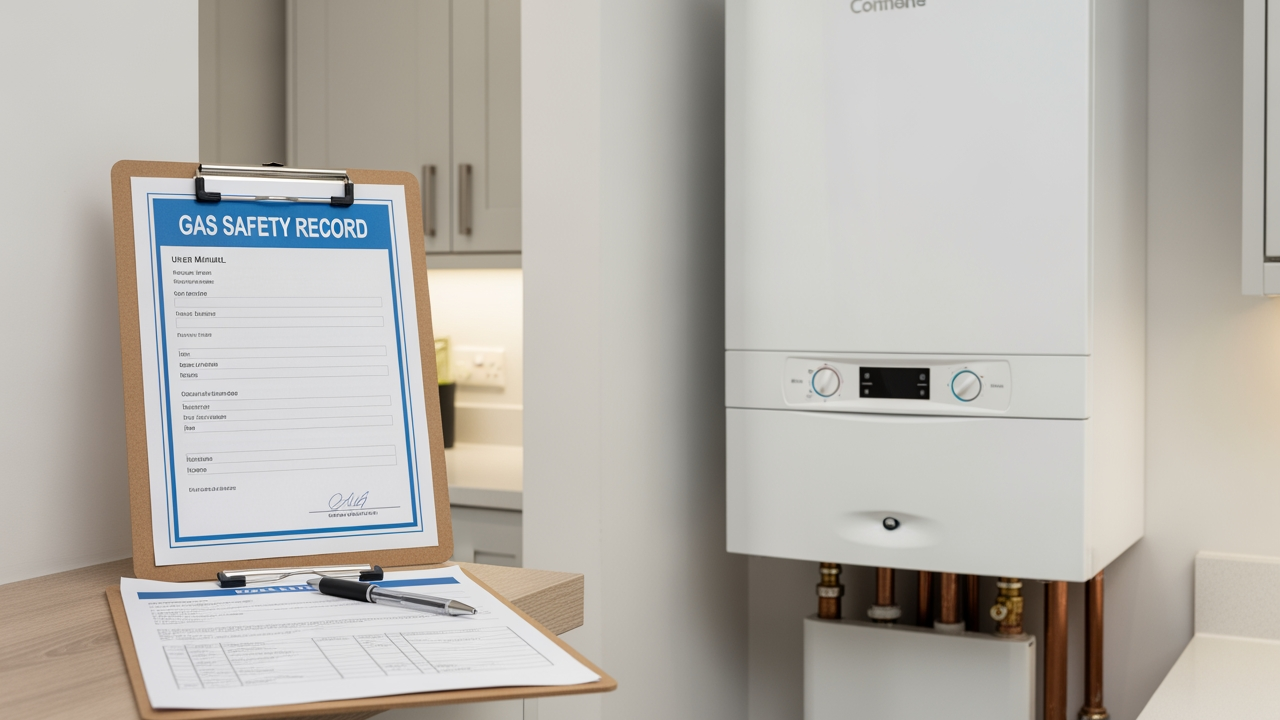
Landlords face significant legal obligations when installing and maintaining heating systems in rental properties. Understanding these requirements protects tenants, ensures compliance with UK law, and avoids substantial penalties. This comprehensive guide covers everything property owners need to know about rental property boiler installations, safety standards, and ongoing maintenance responsibilities.
Understanding the Gas Safety (Installation and Use) Regulations 1998
The Gas Safety (Installation and Use) Regulations 1998 form the cornerstone of rental boiler safety regulations in the UK. These regulations mandate that all gas appliances, including boilers, must be installed and maintained by Gas Safe-registered engineers. Landlords cannot cut corners or use unqualified installers, regardless of cost savings.
Under these regulations, every new boiler installation in rental properties requires certification upon completion. The Gas Safe registered engineer must provide a Building Regulations Compliance Certificate, confirming the installation meets current standards. This certificate proves the work complies with Part L (Conservation of Fuel and Power) and Part J (Combustion Appliances and Fuel Storage Systems) of the Building Regulations.
Failure to use qualified engineers carries serious consequences. Landlords face unlimited fines and up to six months' imprisonment for breaches. Insurance policies may become void if unqualified installations cause damage or injury. At Heating and Plumbing World, we emphasise the importance of professional installation from the outset.
Annual Gas Safety Checks - A Legal Requirement
Landlords must arrange annual gas safety checks for all gas appliances within rental properties. This legal requirement applies to boilers, gas fires, and any other gas-powered equipment. The inspection must occur within 12 months of the previous check, with records maintained for at least two years.
During the annual inspection, Gas Safe engineers examine:
The boiler's combustion efficiency and safety controls require thorough testing. Engineers check for gas leaks, inspect flue systems, and verify adequate ventilation. They examine safety devices, including pressure relief valves and thermostats, ensuring they function correctly. Any boiler spares requiring replacement must meet manufacturer specifications and current safety standards.
The engineer must provide a Gas Safety Record (CP12 certificate) within 28 days of the inspection. Landlords must give copies to existing tenants within 28 days and to new tenants before they move in. Keeping meticulous records demonstrates compliance if disputes arise.
Rental Property Boiler Standards - Minimum Efficiency Requirements
Since April 2018, rental property boiler standards include minimum energy efficiency requirements under the Minimum Energy Efficiency Standards (MEES). Properties must achieve an Energy Performance Certificate (EPC) rating of at least E before being let to new or existing tenants.
Boilers significantly impact EPC ratings. Installing modern condensing boilers typically improves ratings by one or two bands. Properties with boilers rated below 86% efficiency may struggle to meet minimum standards. Landlords cannot let properties failing to meet these requirements, with penalties reaching £4,000 per property.
When replacing boilers, landlords must install models meeting current Building Regulations. Condensing boilers with efficiency ratings above 90% now represent the standard. These installations require proper condensate drainage and flue configurations complying with manufacturer specifications.
Installation Requirements for Different Boiler Types
Different boiler types carry specific installation requirements under rental boiler safety regulations. Combi boilers, system boilers, and regular boilers each demand particular considerations for rental properties.
Combi boilers provide heating and hot water without separate tanks, making them popular in smaller rental properties. Installation requires adequate gas supply, appropriate water pressure, and correctly sized flues. Engineers must position expansion vessels correctly and ensure pressure relief systems function properly. Quality Worcester Bosch spares maintain these systems effectively.
System boilers require sealed system components, including expansion vessels and pressure gauges. Installation must include safety valves protecting against excessive pressure. The sealed system prevents water loss and improves efficiency, but requires professional setup and regular monitoring.
Regular boilers with separate hot water cylinders need additional safety features. Cold water storage tanks require overflow prevention and insulation. Hot water cylinders must incorporate temperature and pressure relief valves. These installations take more space but suit properties with high hot water demand.
Flue Installation and Ventilation Standards
Flue installation represents a critical aspect of boiler installations in rental properties. Incorrect flue positioning creates carbon monoxide risks, making compliance essential for tenant safety.
Flues must terminate in positions preventing exhaust gases from entering buildings. Minimum distances from windows, doors, and air bricks apply based on flue type and boiler output. Horizontal flues need specific clearances, whilst vertical flues require adequate height above roof level.
Room ventilation requirements depend on boiler type and location. Room-sealed boilers take combustion air directly from outside, requiring no additional ventilation. Open-flued boilers demand permanent ventilation proportional to boiler heat input. Rooms below 5 cubic metres require special considerations or alternative boiler locations.
Landlords must ensure flue terminals remain unobstructed. Regular inspections check for debris, bird nests, or structural damage. Flue guards may protect terminals in vulnerable positions whilst maintaining required clearances.
Carbon Monoxide Detection - A Legal Necessity
The Smoke and Carbon Monoxide Alarm (England) Regulations 2015 require carbon monoxide alarms in rooms containing solid fuel burning combustion appliances. Whilst not legally mandated for gas boilers, installing carbon monoxide detectors throughout rental properties represents best practice and may soon become mandatory.
Carbon monoxide detectors should be positioned in rooms containing boilers and in sleeping areas. They must meet British Standard EN 50291 and carry British or European approval marks. Battery-operated alarms require annual testing, whilst mains-powered units with battery backup offer enhanced reliability.
Landlords must test carbon monoxide alarms before each new tenancy begins. Tenants should receive instructions on testing procedures and what to do if alarms activate. Regular replacement every five to seven years ensures continued effectiveness.
Documentation and Certification Requirements
Comprehensive documentation proves compliance with rental property boiler standards. Landlords must maintain several key documents for each property.
The Gas Safety Record (CP12) lists all gas appliances, inspection findings, and any remedial work required. Engineers must provide this annually, with landlords keeping copies for two years. Electronic records offer secure storage and easy access during inspections.
Building Regulations Compliance Certificates confirm new boiler installations meet current standards. These certificates prove that the installation was notified to Building Control and inspected appropriately. Properties sold or let should include these certificates in documentation packs.
Boiler manufacturer warranties require professional installation by qualified engineers. Registration proves the installation date and maintains warranty validity. Many modern boilers include extended warranties when registered promptly.
Service records demonstrate regular maintenance beyond legal minimums. These records show proactive care, helping justify rent levels and reducing tenant disputes. Annual servicing by qualified engineers maintains efficiency and prevents breakdowns.
Landlord Responsibilities Beyond Installation
Rental boiler safety regulations extend beyond initial installation. Landlords must maintain heating systems throughout tenancies, responding promptly to reported faults.
Repair obligations under the Landlord and Tenant Act 1985 cover heating system failures. Landlords must repair boilers within reasonable timeframes, typically 24 hours for complete heating loss during winter. Emergency repairs may require temporary heaters whilst permanent solutions are arranged.
Parts replacement must use quality components meeting manufacturer specifications. Using genuine Baxi spares or equivalent quality parts maintains system reliability and safety. Inferior components may void warranties and create safety risks.
Pressure system maintenance includes checking expansion vessels and pressure relief valves regularly. These components prevent dangerous pressure build-up, requiring periodic testing and replacement when degraded.
Tenant Rights and Responsibilities
Tenants possess specific rights regarding heating systems and boiler safety. Understanding these rights helps landlords meet obligations whilst educating tenants about their responsibilities.
Tenants can request Gas Safety Records at any time. Landlords must provide copies within 28 days without charge. This transparency demonstrates compliance and builds trust.
Tenants should report heating faults immediately. Whilst not legally responsible for repairs, prompt reporting prevents minor issues from becoming major problems. Tenants must allow access for annual gas safety checks and emergency repairs.
Tenants cannot modify heating systems or attempt DIY boiler repairs. Any changes require landlord permission and qualified engineer involvement. Unauthorised modifications may breach tenancy agreements and create safety risks.
Penalties for Non-Compliance
Non-compliance with boiler installation and safety regulations carries severe penalties. Understanding these consequences emphasises the importance of meeting all requirements.
Gas Safety regulation breaches can result in prosecution. Courts may impose unlimited fines and imprisonment for up to six months. Corporate landlords face corporate manslaughter charges if negligence causes death.
Minimum Energy Efficiency Standards violations incur financial penalties. Local authorities can fine landlords up to £4,000 per property for continued non-compliance. Properties cannot be let legally until they meet minimum standards.
Housing Health and Safety Rating System (HHSRS) assessments consider heating provision. Properties with inadequate or dangerous heating systems may receive improvement or prohibition notices. These notices prevent letting until defects are remedied.
Insurance implications affect landlords failing to maintain systems properly. Insurers may refuse claims arising from unregistered gas work or a lack of annual safety checks. This financial exposure far exceeds the cost of proper maintenance.
Planning New Boiler Installations
When planning boiler installations in rental properties, several factors require careful consideration. Proper planning ensures compliance, optimises efficiency, and minimises future maintenance costs.
Property surveys identify the most suitable boiler type and size. Heat loss calculations determine required output, preventing oversized or undersized installations. Oversized boilers cycle frequently, reducing efficiency and component life. Undersized boilers struggle to heat properties adequately, causing tenant dissatisfaction.
Location selection affects installation costs and ongoing maintenance. Boilers positioned in easily accessible locations simplify servicing and emergency repairs. Loft installations may save space but complicate access and freeze protection requirements.
Budget considerations should include installation costs, ongoing maintenance, and potential repairs. Quality installations cost more initially but reduce long-term expenses. Investing in reputable manufacturers with good spare parts availability prevents costly replacements.
Best Practices for Rental Property Boiler Management
Implementing best practices exceeds minimum legal requirements, protecting investments and improving tenant satisfaction. These approaches reduce long-term costs whilst enhancing safety.
Annual servicing before each winter identifies potential problems early. Engineers clean components, test safety systems, and replace worn parts proactively. This preventive approach reduces emergency callouts and extends boiler life.
Upgrading older systems improves efficiency and reduces breakdown risks. Boilers over 15 years old lack modern safety features and operate less efficiently. Replacement before complete failure allows planned installations rather than emergency replacements.
Written maintenance schedules document all work completed. These records prove diligent property management, supporting legal compliance and insurance claims. Digital systems enable easy record sharing with tenants, estate agents, and authorities.
Tenant education reduces avoidable callouts and improves system longevity. Providing simple guides explaining pressure checks, thermostat operation, and fault recognition empowers tenants. Clear emergency contact procedures ensure a quick response when genuine problems occur.
Conclusion
Meeting legal requirements for boiler installations in rental properties protects tenants, landlords, and investments. The Gas Safety regulations, annual inspection requirements, and energy efficiency standards create comprehensive frameworks ensuring safe, efficient heating systems.
Landlords must use Gas Safe-registered engineers for all installation and maintenance work. Annual safety checks, proper documentation, and prompt repairs fulfil legal obligations whilst demonstrating professional property management. Understanding tenant rights and responsibilities creates cooperative relationships benefiting all parties.
Investing in quality installations, regular maintenance, and proactive upgrades reduces long-term costs and legal risks. Professional approaches to rental property boiler standards exceed minimum requirements, creating safer, more comfortable homes. For expert guidance on heating system installations and maintenance, contact us to discuss your rental property requirements.