

Legionella Risk in Summer: Water Temperature Management
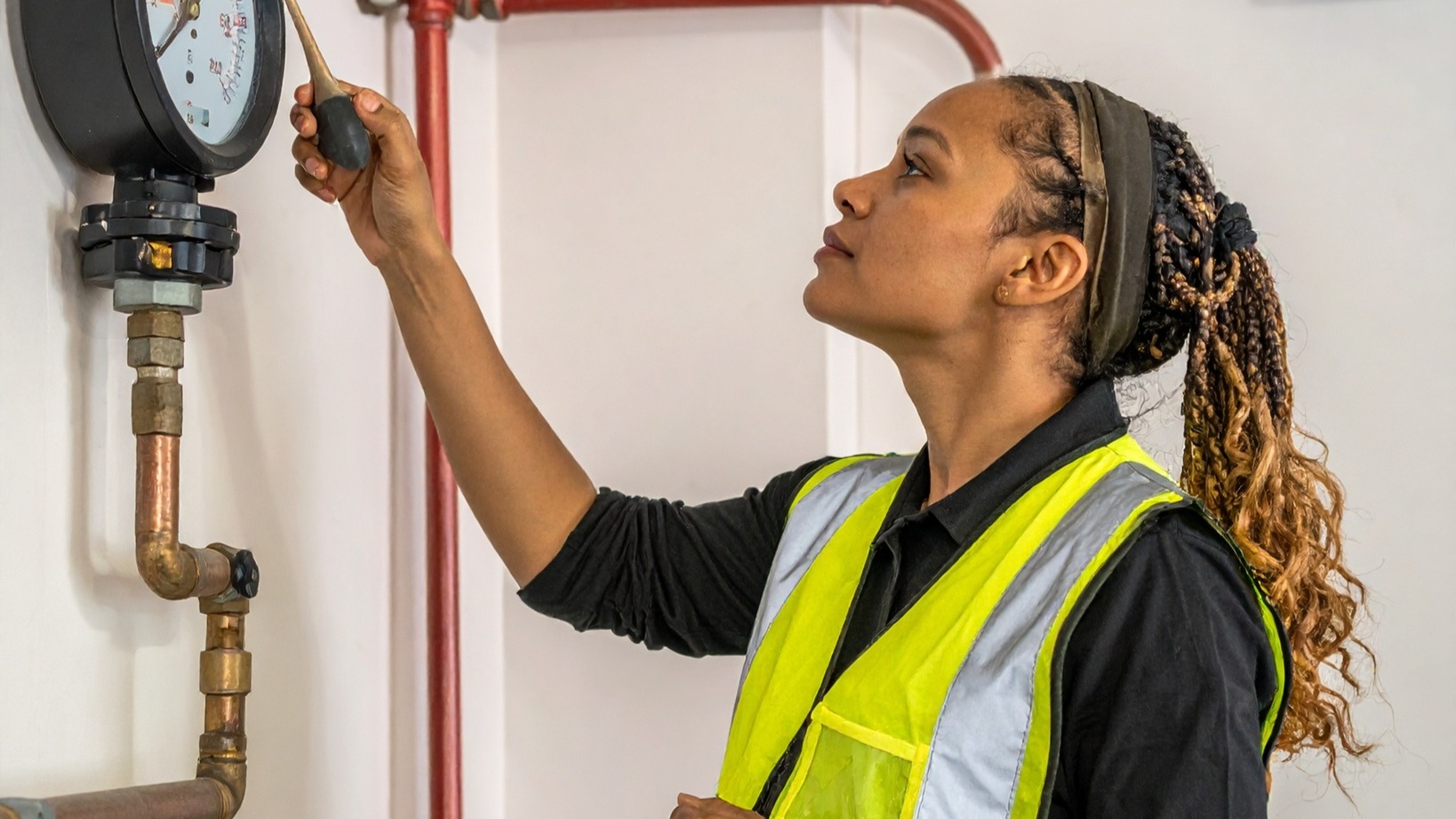
Legionella bacteria multiply fastest between 20°C and 45°C, making summer the highest-risk season for waterborne outbreaks. When water systems sit unused during holidays or warm weather, the temperature differential in hot water systems is reduced, and conditions become ideal for bacterial growth.
Commercial buildings returning from summer shutdowns often show water temperatures that have drifted into the danger zone. A hotel in Queensland recorded hot water temperatures dropping from 60°C to 48°C during a three-week closure, creating perfect conditions for legionella colonisation throughout 120 rooms.
Why Summer Creates Perfect Conditions for Legionella
Water temperature management becomes critical when ambient temperatures rise. Cold water systems can warm to 25°C in exposed pipework, while hot water systems struggle to maintain safe temperatures when demand drops.
Three factors converge in summer:
Reduced water flow: Holiday periods and reduced occupancy mean water sits stagnant in pipes. Dead legs and rarely-used outlets become bacterial reservoirs.
Higher ambient temperatures: Cold water entering buildings arrives warmer. In Perth, mains water temperatures can reach 28°C in January compared to 18°C in July. This 10-degree increase puts cold water systems squarely in the growth range.
System cycling patterns: Hot water systems cycle less frequently when demand drops. Calorifiers and storage tanks spend more time at intermediate temperatures rather than maintaining consistent heat.
A Brisbane office complex assessed showed cold water temperatures reaching 32°C in roof-level pipework during summer, compared to 22°C in winter. The building had experienced no legionella issues during cooler months, but summer conditions required immediate intervention.
Temperature Thresholds That Matter
Legionella bacteria become dormant below 20°C and die above 60°C. Between these points, the growth rate varies dramatically:
- 20-25°C: Slow multiplication, low risk with good water turnover
- 25-35°C: Moderate growth rate, risk increases with stagnation
- 35-45°C: Rapid multiplication, high risk within days
- Above 50°C: Growth slows, bacteria begin to die
- Above 60°C: Bacteria die within minutes
The critical failure point seen most often: hot water storage sitting at 48-55°C. This feels hot to users, so operators assume the system is safe. Legionella survives and multiplies at these temperatures, though.
Australian Standard AS/NZS 3666.2 requires hot water to be stored at a minimum of 60°C and delivered at 50°C after one minute of flow. Cold water must stay below 20°C. Summer conditions push both limits.
How Hot Water Systems Fail in Summer
Modern water heating systems face specific challenges when ambient temperatures rise and demand patterns change.
Calorifier Stratification
When draw-off reduces, hot water storage tanks develop temperature layers. The top might read 65°C whilst the bottom sits at 42°C. Standard monitoring only measures the outlet temperature, missing the growth zone at the tank bottom.
Tempering Valve Drift
Thermostatic mixing valves installed for scald prevention can fail or drift out of calibration. Outlet temperatures have been measured varying by 8°C from the valve's set point, creating both scald risk and legionella risk simultaneously.
Heat Pump Efficiency Curves
Heat pump water heaters become more efficient in summer, but some models struggle to reach 60°C when ambient temperatures exceed 35°C. The system appears to be working, it's heating water, but falls short of the temperature needed for legionella control.
Solar Thermal Systems
Solar hot water can exceed safe temperatures during peak summer, triggering tempering valves to mix in cold water. During overnight and cloudy periods, storage temperatures can drop into the risk zone. Without auxiliary heating that maintains 60°C consistently, these systems create risk windows.
A childcare centre in Adelaide used solar hot water with an electric boost. Summer sunshine meant the boost element was rarely activated. Storage temperatures measured 58°C at 4 pm but dropped to 46°C by 7 am. The system had operated this way for three years before routine testing detected Legionella.
Cold Water System Vulnerabilities
Cold water systems face different but equally serious challenges. Buried or insulated pipes provide some protection, but exposed sections heat rapidly.
Roof-Level Tanks and Pipework
Header tanks in roof spaces can reach 40°C in summer. Even with insulation, tank temperatures of 35°C in Sydney and 38°C in Darwin during January have been measured.
Dead Legs and Rarely-Used Outlets
Guest bathrooms, emergency showers, and seasonal facilities sit unused. Water temperature in these sections matches ambient conditions, often 25-30°C in summer.
Long Pipe Runs
Distance from the water main to the outlet allows heat transfer. A 50-metre run of 25mm copper pipe can add 4°C to water temperature on a 38°C day. Quality copper pipe fittings help maintain system integrity, but proper insulation remains essential.
Inadequate Insulation
Pipes installed to the minimum code requirements still transfer heat. A 6°C temperature rise has been measured in nominally insulated cold water pipes running through a 45°C plant room.
The most dangerous scenario: a rarely-used outlet supplied by a long pipe run in a warm area. An emergency shower in a warehouse, used quarterly for testing, delivered water at 34°C in February. The shower head provided ideal conditions for aerosol formation, exactly how Legionella infects people.
Monitoring and Testing Protocols
Temperature monitoring must account for summer conditions. Monthly checks, sufficient in winter, may miss rapid changes during hot weather.
Critical monitoring points:
- Hot water storage: top, middle, and bottom of the tank
- Calorifier return temperature (not just flow)
- Hot water at the furthest outlet after one minute of flow
- Cold water at the entry point and the furthest outlet
- Cold water storage tanks, if present
Weekly monitoring during summer provides early warning. Daily checks for high-risk facilities like hospitals and aged care during heatwaves are recommended.
Temperature logging devices show patterns that spot checks miss. A facility might pass a 10 am inspection but drift into the danger zone overnight. Continuous monitoring revealed that 23% of sites assessed had temperature excursions occurring outside business hours.
Water testing schedules should intensify in summer. Quarterly testing may be adequate for low-risk sites in cool months, but monthly testing during November to March catches problems before they become outbreaks.
Dipslide tests provide rapid on-site results for total viable bacteria count. Elevated counts indicate system problems even before specific Legionella testing. A reading above 1000 CFU/ml in a properly maintained system signals immediate investigation.
Practical Control Measures
Temperature management requires both system design and operational discipline. Retrofitting existing systems costs less than dealing with an outbreak.
Hot Water System Modifications
Install circulation pumps to prevent stratification in storage tanks. Continuous or timed circulation ensures the entire tank volume reaches 60°C, not just the top section. Grundfos circulation pumps offer reliable solutions for maintaining consistent water temperature throughout storage systems.
Add mixing valves at the point of use rather than at the heater. This allows storage and distribution at 60°C, with tempering only at outlets where scald risk exists. The entire system stays above legionella growth temperatures.
Upgrade controls to maintain temperature during low-demand periods. Simple timers can trigger heating cycles even when normal demand wouldn't. This prevents overnight cooling in summer when the boost element might not activate. Honeywell heating controls provide programmable options for maintaining safe temperatures during variable demand periods.
Cold Water System Improvements
Insulate all exposed pipework to R1.0 minimum. Focus on roof spaces, plant rooms, and external walls. The cost of insulation is minimal compared to the risk.
Eliminate dead legs where possible. Cap unused outlets or install automatic flushing systems that run weekly. A simple timer-controlled solenoid valve can flush dead legs without manual intervention.
Relocate or insulate cold water storage tanks. Tanks in roof spaces should be relocated or heavily insulated with reflective covers. An 8°C temperature reduction has been achieved by adding 50mm insulation and a reflective wrap to exposed tanks.
Install temperature monitoring on cold water systems. Most facilities monitor hot water religiously but ignore cold water until problems emerge. A simple thermometer at the storage tank and the furthest outlet provides critical data.
Summer Shutdown Procedures
Extended closures during the summer holidays create the highest legionella risk in the summer period. A building sitting unused for two weeks in January provides ideal conditions for legionella colonisation.
Pre-Shutdown Protocol
Raise the hot water temperature to 70°C and maintain it for one hour. This pasteurises the entire system before shutdown. Flush all outlets during this period to heat dead legs.
Drain or continuously circulate cold water systems. Small facilities can drain exposed sections. Larger buildings should maintain circulation even during closure.
Consider chlorination for extended shutdowns beyond two weeks. Dosing to 2-5 mg/L free chlorine provides protection, but requires proper neutralisation before reoccupation.
Reopening Protocol
Flush all outlets for five minutes before normal use. Start with cold water, then hot water, running to drain rather than into storage.
Test legionella water temperature at multiple points. Verify that hot water reaches 60°C and cold water stays below 20°C throughout the system.
Sample and test for Legionella before full occupancy if the building was closed for more than four weeks. Results take 10-14 days, so plan accordingly.
A university in Melbourne implemented these protocols across 40 buildings. Pre-shutdown pasteurisation and post-reopening flushing reduced legionella detection from 18% of buildings to 3% over three summer periods.
Risk Assessment and Documentation
Every facility needs a summer-specific legionella risk assessment. The risk profile changes dramatically between winter and summer.
Document temperature ranges throughout the year. Identify which parts of the system enter the danger zone seasonally. This mapping guides where to focus control measures.
High-risk combinations to flag:
- Cold water storage in roof spaces with summer temperatures exceeding 25°C
- Hot water systems that cycle infrequently during low-demand periods
- Dead legs longer than 10 metres supplying outlets used less than weekly
- Heat pump or solar systems without guaranteed 60°C storage
- Buildings with occupancy patterns that change seasonally
Risk assessment should drive monitoring frequency. High-risk sites need weekly temperature checks and monthly water testing during summer. Lower-risk sites might maintain quarterly testing but add temperature monitoring.
Regulatory Requirements and Liability
Australian states apply varying standards, but all reference AS/NZS 3666.2 as the baseline for water system maintenance. Duty of care requires building operators to identify and control legionella risks.
Summer conditions don't excuse temperature failures. Courts have found building operators liable when systems drift out of specification during predictable seasonal changes.
A 2019 Queensland case awarded damages after a legionella infection was traced to a hotel's hot water system that dropped to 52°C during summer. The operator argued that the system met temperature requirements "most of the time," but failed to demonstrate adequate monitoring or corrective action when temperatures dropped.
Documentation proves due diligence. Temperature logs, testing records, and maintenance schedules demonstrate that you identified risks and implemented controls. Without documentation, you're exposed even if you took appropriate action.
Taking Action Before Next Summer
Summer transforms water systems from low-risk to high-risk through the simple physics of temperature. Hot water systems struggle to maintain 60°C during low-demand periods, whilst cold water systems warm into the growth zone in exposed pipework and storage tanks.
The solution isn't complex: monitor temperatures weekly during summer, maintain hot water storage above 60°C throughout the entire tank volume, keep cold water below 20°C through insulation and circulation, and flush systems before and after extended closures.
Facilities that treat summer as a distinct risk period, with intensified monitoring, adjusted heating schedules, and proper shutdown protocols, consistently maintain safe water temperatures. Those who apply the same year-round approach discover problems only after bacteria have colonised their systems.
Temperature management costs less than treating a legionella case and infinitely less than defending against liability claims. The monitoring equipment, insulation materials, and control upgrades needed for summer protection typically cost less than £5,000 for a medium-sized facility, a fraction of the potential cost of an outbreak.
Start by measuring current temperatures throughout your system during the hottest part of summer. Suppose any reading falls between 20°C and 50°C. In that case, you'll need to implement proper controls before next summer arrives for guidance on suitable system components and temperature monitoring equipment. Heating and Plumbing World stocks the professional-grade products required for effective legionella control. For specific technical enquiries about your system requirements, get in touch with experienced advisors who understand commercial water system specifications.