

Legionella Testing Schedules for Commercial Properties
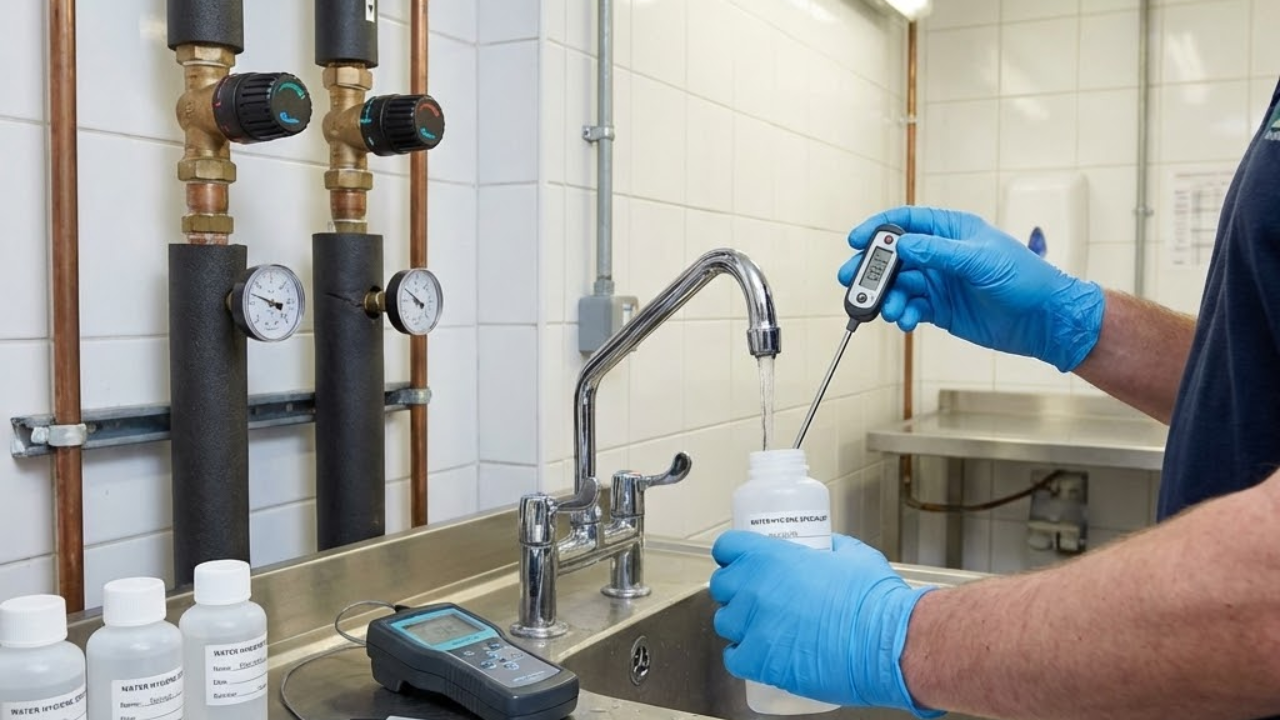
Legionella bacteria don't respect business hours. They multiply silently in water systems, creating health risks that can shut down operations, trigger legal action, and damage reputations beyond repair. For facilities managers and building owners, understanding testing schedules isn't just about compliance. It's about protecting occupants and avoiding the catastrophic costs of an outbreak.
The Health and Safety Executive reports that approximately 300-400 cases of Legionnaires' disease occur annually in England and Wales, with a mortality rate of around 10%. Commercial properties, particularly those with complex water systems like hotels, hospitals, and office buildings, face the highest risk. Yet many property managers still treat Legionella testing as a box-ticking exercise rather than a critical safety protocol.
Testing schedules must align with risk levels, system complexity, and regulatory requirements, not arbitrary calendar dates.
Understanding Legionella Risk in Commercial Water Systems
Legionella pneumophila thrives in water temperatures between 20-45°C. It colonises biofilm, scale, rust, and organic matter in pipework, tanks, and cooling systems. When contaminated water becomes aerosolised through showers, taps, cooling towers, or fountains, people inhale the bacteria. Heating and Plumbing World supplies testing equipment and water treatment products helping commercial properties maintain safe systems.
Think of Legionella bacteria like invisible squatters in your water system. Just as squatters move into vacant properties and establish themselves when no one's watching, Legionella colonises stagnant water and biofilm in neglected pipework. Once established, they're difficult to evict without decisive action.
Commercial properties face elevated risk because their water systems typically include:
- Large storage tanks that can stratify and create warm zones
- Complex distribution networks with dead legs and infrequently used outlets
- Cooling towers that generate aerosols continuously
- Hot and cold water systems serving multiple occupants
- Decorative water features that aerosolise water in public spaces
On a recent hotel project, we discovered Legionella in their spa pool system after a guest fell ill. The investigation revealed that their testing schedule hadn't accounted for the spa's heavy summer use, which altered water temperatures and increased organic loading. They'd been testing quarterly, adequate for their main building systems but insufficient for high-risk amenities. That oversight cost them three weeks of closure and substantial legal fees.
The risk isn't static. Occupancy changes, system modifications, seasonal temperature variations, and maintenance work all affect Legionella growth potential. Testing schedules must adapt to these variables rather than follow rigid intervals.
Regulatory Framework and Legal Requirements
The Control of Substances Hazardous to Health (COSHH) Regulations and the Health and Safety at Work Act place clear duties on property owners and managers. The Approved Code of Practice L8 provides specific guidance on controlling Legionella bacteria in water systems through HSE L8 compliance.
Under these regulations, duty holders must:
- Identify and assess sources of risk
- Prepare a scheme to prevent or control risk
- Implement and manage control measures
- Keep records of precautions taken
- Appoint a competent person to oversee the programme
Testing forms part of the monitoring regime that demonstrates control measures work effectively. But HSE L8 compliance doesn't prescribe fixed testing frequencies. It requires risk-based approaches. That's where many commercial properties go wrong. They adopt generic schedules without considering their specific circumstances.
A competent person must conduct risk assessments and determine appropriate testing frequencies. For complex systems, this typically means someone with recognised qualifications in water hygiene management, not just the maintenance supervisor who also handles the boilers.
Grundfos pumps and circulation equipment help maintain system temperatures that inhibit bacterial growth, but mechanical controls alone aren't sufficient. Regular verification through testing confirms that control measures function as intended.
Baseline Testing Frequencies for Different Property Types
Risk assessment determines testing frequency, but industry guidance provides starting points for different property categories.
High-Risk Properties
Hospitals, care homes, and properties with vulnerable occupants require the most rigorous schedules:
- Monthly microbiological sampling of hot and cold water systems
- Weekly temperature monitoring at sentinel outlet sampling locations
- Quarterly cooling tower testing (or more frequently during operation)
- Immediate testing after any system disruption or maintenance
Healthcare facilities often test more frequently because immunocompromised patients face severe consequences from exposure. Some hospital trusts test critical areas weekly and maintain continuous monitoring of system temperatures.
Medium-Risk Properties
Hotels, leisure centres, office buildings, and schools typically follow:
- Quarterly microbiological sampling of water systems
- Monthly temperature checks at representative outlets
- Monthly cooling tower testing during operational periods
- Annual comprehensive system review and sampling programme
A leisure centre we advised increased their testing frequency during summer when pool usage tripled. Their risk assessment identified that increased bather load and higher ambient temperatures created conditions requiring monthly rather than quarterly microbiological sampling.
Lower-Risk Properties
Small commercial premises with simple systems might use:
- Six-monthly microbiological testing where risk assessment supports it
- Monthly temperature monitoring of hot and cold water
- Annual system review and risk reassessment
Even lower-risk properties can't ignore testing entirely. A small office block with only 15 occupants still needs verification that their water systems remain safe, particularly if they have storage tanks or infrequently used outlets.
Factors That Require Increased Testing Frequency
Standard schedules provide baselines, but specific circumstances demand more frequent testing.
System Changes and Modifications
Any alteration to water systems resets the testing clock:
- New installations require commissioning tests and follow-up sampling
- Pipework modifications that create dead legs or change flow patterns
- Equipment replacements that alter system temperatures or water residence time
- Changes in usage patterns that affect water turnover
We encountered a case where an office refurbishment created several dead legs in the plumbing. The property manager continued their quarterly testing schedule without recognising that the modified system required interim testing. Legionella was detected six months later, three months after it likely established itself.
Seasonal Variations
Temperature fluctuations affect risk levels throughout the year:
- Summer months when cold water temperatures rise above 20°C
- Periods of low occupancy when water stagnates in systems
- Heating system shutdowns that allow hot water systems to cool
- Extended building closures such as school holidays
Schools face particular challenges. Their systems sit dormant for weeks during holidays, creating ideal conditions for bacterial growth. Many schools now test immediately before term starts and flush systems thoroughly during closure periods.
Operational Incidents
Certain events trigger immediate testing requirements:
- System contamination from backflow or cross-connection
- Temperature control failures that allow water to enter the risk range
- Suspected or confirmed cases of Legionnaires' disease
- Biofilm accumulation or visible system deterioration
A hotel cooling tower failed its weekly temperature check when the control system malfunctioned overnight. Their protocol required immediate shutdown and testing before restart. The test confirmed Legionella colonisation that would have spread had they simply repaired the controls and resumed operation.
What Legionella Testing Actually Involves
Understanding testing procedures helps property managers recognise what they're paying for and why proper sampling matters.
Sample Collection Points
Strategic sampling captures representative system conditions:
- Sentinel outlet sampling at outlets furthest from water heaters or storage tanks
- High-risk areas including showers, spray taps, and cooling towers
- Storage tanks sampled at multiple depths to detect stratification
- Return circuits in hot water systems to verify circulation
- Rarely used outlets that may harbour stagnant water
Sampling isn't random. The competent person identifies specific locations based on system design, usage patterns, and risk assessment findings. These locations remain consistent across testing cycles to enable trend analysis.
Temperature Monitoring
Temperature checks form the frontline defence against Legionella using temperature monitoring protocols:
- Hot water storage should reach 60°C throughout the vessel
- Hot water distribution should deliver 50°C at outlets within one minute
- Cold water systems must remain below 20°C
- Return temperatures should not drop below 50°C in circulating systems
Danfoss thermostatic controls help maintain these critical temperatures, but regular verification ensures they function correctly. Temperature logs identify trends that indicate developing problems before bacterial counts rise.
Microbiological Analysis
Laboratory testing quantifies Legionella presence:
- Total viable counts indicate general bacterial loading
- Legionella species identification confirms the specific bacteria present
- Colony-forming units (CFU) per litre measure contamination levels
- Serotyping identifies strains in outbreak investigations
Results guide response actions. Detection below 100 CFU/L in hot water systems generally indicates satisfactory control. Counts between 100-1000 CFU/L require review of control measures and increased monitoring. Levels exceeding 1000 CFU/L demand immediate action including system disinfection.
Interpreting Results and Response Protocols
Test results mean nothing without appropriate action. Response protocols should be established before testing begins, not invented when results arrive.
Action Levels and Responses
Clear thresholds trigger defined responses:
<100 CFU/L: System under control. Continue routine monitoring and maintenance.
100-1000 CFU/L: Review risk assessment and control measures. Increase monitoring frequency. Investigate potential system deficiencies. Consider additional disinfection.
>1000 CFU/L: Implement immediate control measures. Consider system shutdown if risk to vulnerable persons exists. Conduct thorough system disinfection. Increase testing frequency until consecutive satisfactory results achieved.
Legionella pneumophila detected: Treat as high risk regardless of count. Implement immediate remedial action. Notify relevant authorities if linked to illness.
A care home we advised detected 800 CFU/L in their hot water system. Rather than panic, they followed their pre-established protocol: increased water heater temperature, flushed all outlets, intensified monitoring to weekly intervals, and conducted a thermal disinfection. Follow-up testing showed clearance within three weeks.
Documentation Requirements
Comprehensive records demonstrate compliance and inform future decisions:
- Test certificates from UKAS-accredited laboratories
- Temperature logs with readings, dates, and person responsible
- Remedial actions taken in response to adverse results
- System modifications that affect Legionella risk
- Training records for personnel involved in control measures
These records aren't bureaucracy. They're evidence that duty holders took reasonable precautions. In legal proceedings following an outbreak, documentation proves the difference between regulatory compliance and criminal negligence.
Creating an Effective Testing Schedule
Generic schedules fail because every property presents unique risks. Effective schedules emerge from thorough risk assessment and system understanding.
Risk Assessment Methodology
Start by mapping the entire water system:
- Identify all water sources, storage, and distribution networks
- Locate high-risk equipment including cooling towers, showers, and spa pools
- Determine water temperatures throughout the system
- Assess potential for stagnation and biofilm formation
- Consider occupant vulnerability and exposure routes
This assessment reveals which areas require intensive monitoring and which present lower risk. A hotel might test their spa and shower facilities monthly whilst sampling guest room taps quarterly.
Tailoring Frequencies to Specific Risks
Match testing intensity to risk levels:
- Critical risk areas: Monthly or more frequent testing
- Significant risk areas: Quarterly testing
- Moderate risk areas: Six-monthly testing
- Lower risk areas: Annual testing with continuous temperature monitoring
The schedule should specify exact sampling points, testing parameters, responsible persons, and response protocols. It's not enough to say "test quarterly". The schedule must identify which outlets get tested and what actions follow different results.
Integration with Maintenance Programmes
Legionella testing shouldn't exist in isolation from broader maintenance:
- Coordinate sampling with system cleaning and descaling
- Schedule tests after equipment servicing or modifications
- Align monitoring with seasonal system changes
- Link temperature checks to routine maintenance visits
Honeywell building management systems can automate temperature monitoring and alert managers to deviations, but these systems complement rather than replace physical testing. Automated monitoring identifies problems; laboratory testing confirms their nature and extent.
Common Testing Schedule Mistakes
Experience reveals patterns of failure that property managers should avoid.
Treating All Systems Identically
A 50-room hotel has different requirements than a 500-room resort. Yet many property management companies apply identical testing schedules across their entire portfolio. This approach either wastes resources on low-risk properties or inadequately protects high-risk ones.
Ignoring Seasonal Risk Changes
A schedule designed for winter conditions may prove inadequate during summer when cold water temperatures rise and system demand patterns shift. Effective schedules adapt to seasonal variations rather than following rigid annual patterns.
Sampling Convenient Rather Than Representative Locations
Testing the maintenance room tap because it's accessible tells you nothing about conditions in the executive suite on the top floor. Sample locations must represent system extremities and high-risk areas, even when access proves inconvenient.
Failing to Follow Up Adverse Results
Detecting Legionella then continuing routine testing without remedial action defeats the entire purpose. Results must trigger appropriate responses, not just file entries.
Neglecting Temperature Monitoring
Microbiological testing provides snapshots; temperature monitoring offers continuous verification. Properties that test quarterly but never check temperatures between samples miss the warning signs of developing problems.
Cost Considerations and Practical Implementation
Testing programmes require investment, but the costs pale against outbreak consequences.
Typical Testing Costs
Laboratory analysis typically ranges from £30-60 per sample depending on parameters tested. A medium-sized commercial property might spend £500-2000 annually on routine testing. Comprehensive risk assessments by specialist consultants cost £500-3000 depending on system complexity.
These figures represent insurance against catastrophic losses. A single Legionnaires' disease case can trigger legal costs exceeding £100,000, compensation claims, and operational disruption worth far more.
Selecting Testing Laboratories
Choose UKAS-accredited laboratories with ISO 17025 certification for water testing. Accreditation ensures standardised methods and reliable results. Turnaround times typically range from 10-14 days, though expedited services exist for urgent situations.
In-House vs Outsourced Testing
Large property portfolios might justify in-house capability for temperature monitoring and sample collection, but laboratory analysis requires specialist facilities. Most organisations outsource microbiological testing whilst managing temperature monitoring internally.
Gledhill cylinders and hot water systems designed with Legionella control in mind reduce testing burden by minimising risk at source, but they don't eliminate testing requirements entirely.
Conclusion
Legionella testing schedules protect lives and livelihoods when designed around genuine risk assessment rather than arbitrary intervals. Commercial properties face diverse challenges, from complex hospital water systems to simple office plumbing, that demand tailored approaches to monitoring and verification.
The most effective schedules balance regulatory compliance, practical feasibility, and genuine risk reduction. They adapt to seasonal changes, system modifications, and operational incidents rather than blindly following annual calendars. They integrate temperature monitoring protocols with microbiological sampling to provide both continuous oversight and periodic verification.
Property managers who treat testing as a meaningful safety control rather than bureaucratic obligation create systems that actually prevent bacterial colonisation. They understand that spending £1500 annually on comprehensive testing costs far less than defending against a single outbreak case.
Start with thorough risk assessment conducted by competent persons. Identify critical control points and high-risk areas. Establish baseline testing frequencies appropriate to risk levels. Document everything. Review and adapt schedules as circumstances change. When results indicate problems, respond decisively rather than hoping issues resolve themselves.
The water systems in your commercial property either support safe operation or harbour invisible threats. Regular testing according to properly designed schedules tells you which situation exists. That knowledge makes the difference between confident facility management and catastrophic liability.
For guidance on water treatment equipment and testing supplies suitable for your commercial property, contact us to discuss your specific requirements and risk profile.