

Low-Flow Fixtures and Their Impact on Energy Bills
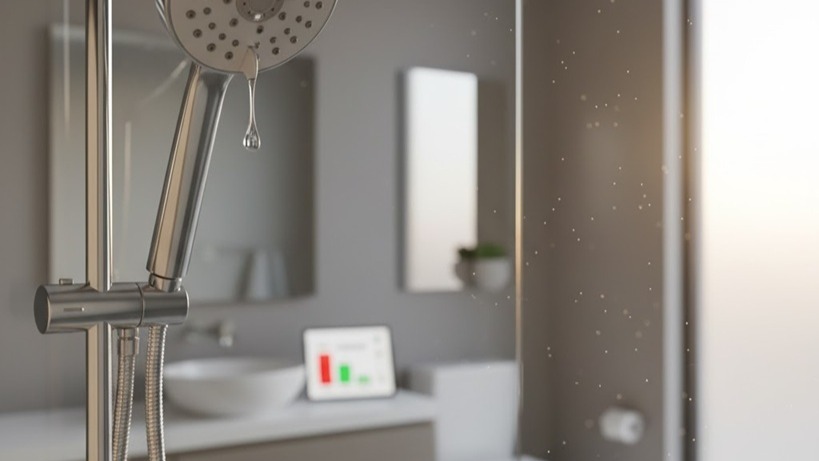
Cutting energy costs often feels like a grand project: upgrading boilers, overhauling radiators or installing solar panels. Yet some of the simplest and most wallet-friendly changes lie in your bathroom and kitchen. Swapping out standard taps, showerheads and toilets for low-flow fixtures can shrink both water and heating bills, all without sacrificing that luxurious splash of hot water. This guide explores why these clever gadgets matter, how they work and how to get started today.
Making Every Drop Count
When you turn on a hot tap, your boiler or immersion heater kicks in to bring that water up to temperature. The more litres per minute used, the more often it must fire up. Maintaining efficient operation with quality boiler spares ensures the heating system responds effectively. By choosing low-flow showerheads that cap flow at 6-8 L/min, or fitting aerator inserts in kitchen taps, homeowners effectively tell their heating system, "Hold on; there's less work for you to do." Over weeks and months, those seconds saved on each shower and rinse quickly add up to real cash back in your pocket.
What water-saving fixtures actually do is simple: they mix air with water or narrow the passageways so you use less water while maintaining a satisfying spray. Since water and energy bills often go hand in hand, reducing one typically reduces the other.
How Low-Flow Technology Works
Air-Injection and Precision Nozzles
Many modern showerheads inject air into the water stream, creating a plush, voluminous spray even at reduced flow rates. Precision-engineered nozzles ensure users don't feel short-changed by a trickle.
Flow Regulators and Restrictors
Inserts or cartridges installed inside taps and showers limit maximum flow. These often come in push-fit designs from brands like Andrews, letting homeowners retrofit existing fittings in a few minutes.
Dual-Flush Mechanisms
Toilets are another prime target for water saving. Dual-flush valves give the choice between a soft flush (around 3 L) for liquid waste and a full flush (6 L+) for solids. Companies such as Altecnic lead the way with reliable, WRAS-approved mechanisms.
Turning Savings into Reality: A UK Case Study
The Turners, a family of four living in a semi-detached home, each enjoyed long, hot showers. Their monthly energy bill in January had crept up to over £120. Keen to curb costs without chilly mornings, they:
- Replaced their standard showerhead with a low-flow model delivering 7 L/min, sourced from the Morco range
- Popped aerator inserts into their kitchen and bathroom taps using Andrews push-fits
- Swapped their old cistern for a dual-flush valve by Altecnic
- Insulated their hot-water cylinder with a factory-insulated unit from Gledhill
By the end of winter, their energy bill had dropped to around £95 - a saving of nearly 20%. Over a year, that equated to over £300, offsetting the cost of their new fixtures within months.
Types of Water-Saving Fixtures
Low-Flow Showerheads
Choose between fixed, handset or rainfall styles. If mains pressure sits above 0.8 bar, even a 6 L/min head will feel invigorating. Brands to browse include Honeywell for thermostatic options and Morco for value lines.
Tap Aerators
These small discs fit inside tap spouts and can shave off up to 30% of flow. They're ideal for kitchen sinks where taps might be left running while washing up. Quality brassware and fittings ensure reliable, long-lasting performance.
Dual-Flush Toilet Valves
Retrofitting a dual-flush mechanism is one of the quickest ways to reduce water use. Simple conversion kits from Altecnic fit most UK cisterns, saving an average family up to 15,000 L of water every year.
Flow Regulators
If you have a high-pressure system, inline flow regulators from Lowara let you fine-tune exactly how many litres pass through each minute - perfect for showers, basins or even garden hoses.
Thermostatic Mixing Valves
No more fiddling to find the right temperature. A thermostatic valve automatically balances hot and cold water, so less water is wasted while waiting for it to warm up. Look to Danfoss or Myson for WRAS-approved models.
Selecting the Perfect Fixture
WRAS Approval Matters
Always check for the Water Regulations Advisory Scheme (WRAS) logo. It guarantees compliance with UK water regulations and ensures sanitary safety.
Pressure and Compatibility
Most taps and shower hoses in the UK use a ½″ BSP thread, but quirks exist in older properties. If water pressure is below 0.5 bar, consider boosting it with a compact pump from Stuart Turner.
Trusted Brands for Reliability
- Altecnic for cistern conversions
- Andrews for DIY-friendly aerators
- Honeywell for precision mixing valves
- Morco for budget showerheads
- Grundfos for efficient circulation pumps
- Gledhill for insulated cylinders
- Lowara for adjustable regulators
- Danfoss and Myson for thermostats and valves
- Polypipe for pipework solutions
Explore comprehensive product ranges at Heating and Plumbing World to compare specifications side by side.
Fitting and Looking After Your Fixtures
DIY or Professional Installation?
Many water-saving fixtures slot straight into place with basic tools. If comfortable under the sink or in the bathroom, most jobs can be tackled in under an hour. For peace of mind, especially with cistern and mixing-valve installs, Gas Safe-registered partners handle everything to current Building Regulations standards.
Top Tips for a Smooth Fit
- Shut off the water supply and relieve pressure before beginning
- Wrap PTFE tape around threaded connections for a watertight seal
- Inspect rubber washers and O-rings, swapping them out if they show wear
- Test each fixture at low pressure first, then gradually turn up to full mains pressure
Maintenance for Continued Savings
- Give aerators a quick rinse every few months to clear limescale
- Check showerheads for mineral buildup; soak them in vinegar if blocked
- Inspect cistern mechanisms annually to ensure dual-flush valves aren't leaking
Other Steps to Lower Your Energy Bills
Low-flow fixtures are just one piece of the puzzle. Pair them with other efficiency measures to maximise savings:
Insulate Your Cylinder: If an old unjacketed tank is present, a jacket or factory-insulated cylinder cuts standby losses massively. Quality water storage tanks paired with proper insulation dramatically improve system efficiency.
Smart Heating Controls: A programmable thermostat from Danfoss or Honeywell ensures water and rooms aren't being heated unnecessarily. Regular servicing with genuine Worcester Bosch boiler spares keeps the heating system running at peak efficiency.
Prompt Leak Repairs: Even a slow drip wastes thousands of litres annually. Reliable repair components help nip drips in the bud.
System Pressure Management: Properly sized expansion vessels maintain optimal pressure throughout the heating system, reducing strain on components and preventing energy waste.
Behavioural Tweaks: Simple habits, like turning off the shower while soaping up or brushing teeth with the tap off, add up over time.
Estimating Your Return
While individual usage patterns vary, many households see reductions of 10-25% on combined water and heating bills after a full low-flow retrofit. That could be a saving of £150-£400 each year, enough to pay back fixture costs within two or three winters.
Ready to Take the Plunge?
Installing low-flow fixtures and other water-saving fixtures is one of the most straightforward upgrades available. Whether a seasoned tradesperson or a keen DIYer, everything needed is readily available:
- Explore featured low-flow collections across comprehensive product ranges
- Browse detailed specifications and customer reviews by brand
- Request bespoke installation quotes or technical advice
Every degree trimmed from the boiler's workload, every litre saved from taps, takes households a step closer to lower bills and a greener home. Start saving today - contact us for expert guidance on selecting the right water-saving fixtures for your property.