

LPG Boilers: When Bottled Gas Makes Sense
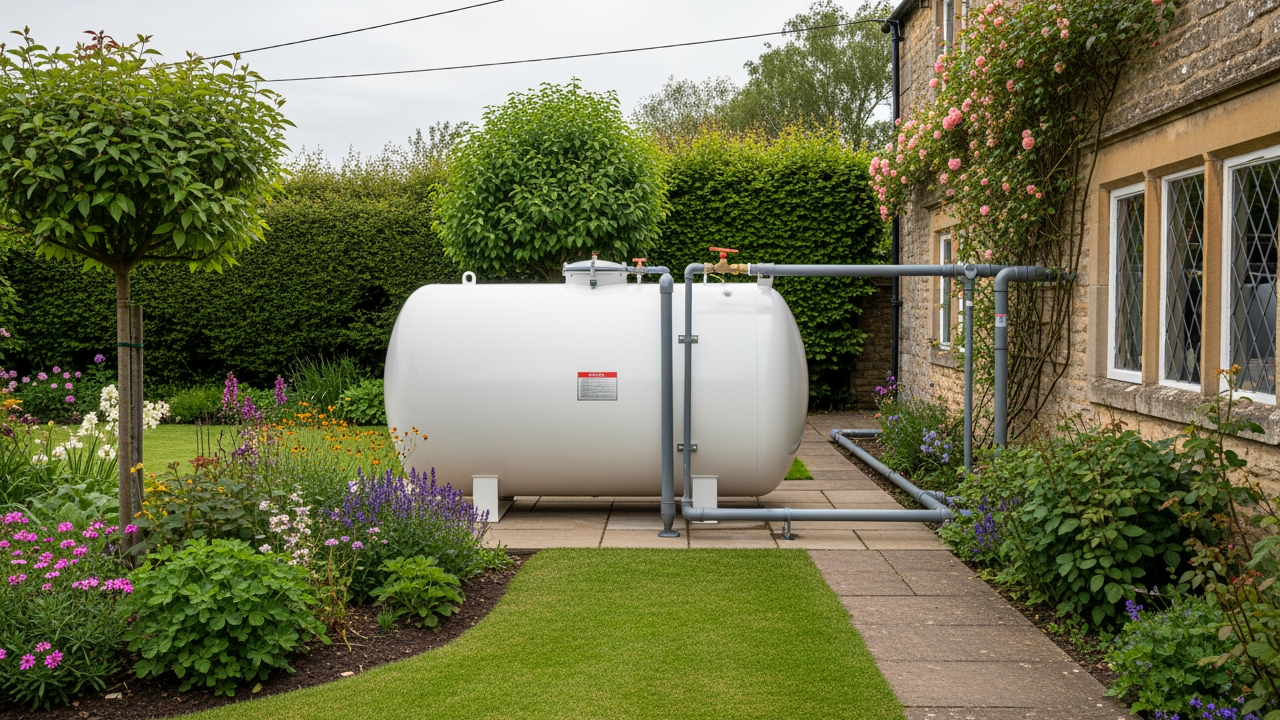
Around 100,000 UK homes run on LPG heating. That's not because they want to be different, it's because they can't access mains gas. Rural properties, countryside businesses, and off-grid locations need reliable heating without a gas network connection. LPG boilers solve that problem.
The choice isn't between LPG and mains gas for most people considering this option. It's between LPG and oil, or LPG and electric heating. Understanding when bottled gas makes sense requires looking at actual costs, installation realities, and long-term practicality.
What Makes LPG Different from Natural Gas
LPG (liquefied petroleum gas) is propane or butane stored under pressure as a liquid. Natural gas flows through pipes at low pressure. That fundamental difference shapes everything about how you heat your home.
An LPG boiler looks identical to a natural gas boiler from the outside. Open the casing and you'll find different jets, smaller holes that control the fuel-air mix for propane's higher calorific value. Most modern boilers can convert between fuels with a jet change kit costing £50-150.
The difference shows up in delivery. Mains gas arrives continuously through underground pipes. LPG sits in a tank in your garden, refilled by a tanker every few months. You're managing fuel inventory instead of just paying a monthly bill.
Storage determines system design. A 1,000-litre bulk tank holds enough LPG to heat a typical four-bedroom house for 6-8 months. Smaller properties might use 47kg bottles, though swapping cylinders every few weeks gets old fast.
The Cost Reality: Numbers That Matter
LPG boiler costs include both installation and ongoing fuel expenses. LPG costs roughly 8.5p per kWh at current wholesale rates. Natural gas runs around 6p per kWh. Oil sits at 7p per kWh. Electricity peaks at 24-34p per kWh, depending on your tariff.
A 15kW boiler running six hours daily through winter uses approximately 2,700 kWh monthly. That's £230 on LPG versus £162 on mains gas, an £816 annual difference for heating alone.
Those figures assume you're comparing identical systems. The calculation shifts when you factor in what you're replacing. Ripping out a working oil boiler to install LPG rarely makes financial sense. Replacing a 20-year-old oil burner that needs replacement anyway? Different story.
Installation costs matter more than running costs for the first 3-5 years. A combi boiler conversion from oil to LPG typically costs £2,500-3,500, including tank rental and pipework. Converting from electric heating costs less, around £2,000-2,800, because you're not removing old fuel infrastructure.
Tank rental adds £60-150 annually, depending on size and supplier. Some installers push tank purchase (£1,500-2,500), but rental makes sense unless you're certain about staying put for 15+ years.
When LPG Actually Makes Sense
You're off the gas grid and hate oil. Oil boilers need annual servicing, smell when they fire up, and require more maintenance than gas systems. LPG boilers use the same reliable technology as natural gas units. Service intervals match: annual checks, fewer breakdown calls, cleaner operation.
You're building new in a rural area. Planning regulations increasingly restrict oil tank installations. LPG tanks can go underground (invisible) or in discreet above-ground housings. Modern boiler installations with LPG meet building regulations more easily than oil systems. Heating and Plumbing World supplies LPG-compatible boilers from manufacturers like Andrews and Morco that meet current specifications.
You want instant hot water. LPG combi boilers deliver hot water on demand just like mains gas versions. Oil combis exist, but they're uncommon and expensive. If you're tired of waiting for a hot water cylinder to reheat, LPG gives you the instant-on convenience you're missing.
Your property has multiple buildings. Farms, estates, and business premises with several structures benefit from bulk LPG. A single 2,000-litre tank can feed multiple boilers through underground pipework. Try doing that with bottled gas cylinders or oil tanks.
You need flexibility. LPG boilers convert to natural gas if the network ever reaches your road. That £150 jet change kit is all you need. Oil boilers become expensive scrap metal when mains gas arrives.
When LPG Doesn't Make Sense
You have working oil heating and tight budgets. The payback period for switching from functional oil to LPG exceeds 10 years at current prices. Spend that money on insulation instead.
You're in a small flat or cottage. Properties using less than 10,000 kWh annually struggle to justify bulk LPG. Bottle gas becomes inconvenient, and running costs don't offset the standing charges and tank rental.
You can get a heat pump grant. The Boiler Upgrade Scheme offers £7,500 toward heat pump installation. Even with higher electricity costs, that grant money changes the mathematics significantly. LPG gets no equivalent subsidy.
You're planning to sell within 5 years. Buyers don't pay premiums for LPG heating. The investment benefits you through lower running costs over time, but it won't boost your sale price enough to matter.
Tank Placement: The Practical Considerations
Your tank needs to sit at least 3 metres from buildings, boundaries, and ignition sources. That sounds simple until you measure your actual property.
Underground tanks disappear, but cost £500-800 more to install. They need adequate drainag,e and you'll need a proper vent and fill point above ground. Building over them later (extensions, conservatories) creates expensive complications.
Above-ground tanks are cheaper to install and easier to maintain, but you're looking at a 1.2m tall cylinder in your garden. Screening helps aesthetics, but don't block access; tankers need clear approach routes.
Bulk delivery requires vehicle access. Tankers need to get within 30 metres of your tank, preferably closer. That narrow country lane or steep driveway that adds character to your property? It might add £200-400 to every delivery if they need a smaller specialist vehicle.
Boiler Selection: What Actually Matters
Any quality condensing boiler that offers LPG conversion will serve you well. Worcester Bosch, Vaillant, Ideal, and Viessmann all manufacture models with LPG jet kits. The brand matters less than proper sizing and professional installation.
System boilers work well for larger properties with multiple bathrooms. You get mains-pressure hot water stored in a cylinder, meaning several taps can run simultaneously without pressure drops. Expect to use 20-30% more LPG than a combi because you're maintaining a hot water cylinder. Quality cylinders from Gledhill or Kingspan pair well with system boiler installations.
Combi boilers suit most homes up to three bedrooms with two bathrooms. You're heating water on demand, which saves energy but limits flow rates. A 35kW combi delivers enough hot water for one shower and a tap simultaneously. Go smaller and you'll notice when someone turns on the kitchen tap mid-shower.
Regular boilers with separate hot water cylinders make sense only if you're keeping the existing infrastructure. Don't install new regular systems; the efficiency gains from modern combis or system boilers outweigh any advantages.
Running Costs You Can Actually Control
Drop your flow temperature to 60°C. Most installers set boilers to 70-75°C because it's traditional. Modern condensing boilers run more efficiently at lower temperatures. You'll use 8-12% less LPG without noticing any difference in comfort.
Smart thermostats pay back within two years. Hive, Nest, or Tado systems cost £180-250 installed. They typically cut heating costs by 15-20% through better scheduling and zone control. That's £300-400 annual savings on a typical LPG heating bill. Advanced controls from Honeywell or EPH Controls offer similar efficiency benefits.
Service your boiler annually. A neglected LPG boiler loses 10-15% efficiency within three years. Annual servicing costs £85-120 but maintains peak performance. You're spending £100 to save £200+ in wasted fuel.
Watch your tank level. Emergency LPG deliveries cost 20-30% more than scheduled fills. Most suppliers offer automatic monitoring and scheduled deliveries. Let them track your usage and deliver before you run low.
Buy in summer. LPG prices fluctuate seasonally. Filling your tank in July typically costs 10-15% less than December fills. If you have storage capacity, fill up when prices drop.
The Maintenance Reality
LPG boilers need annual servicing, the same as natural gas units. Expect to pay £85-120 for a standard service. That covers combustion analysis, safety checks, and cleaning the main components.
Breakdowns happen less frequently than with oil boilers. Industry data shows roughly one callout per 100 LPG boilers annually versus three per 100 oil boilers. The cleaner fuel means fewer deposits, less wear, and longer component life.
Parts availability matches natural gas boilers. Most components are identical; only the gas valve and jets differ. Your local plumber can source parts overnight from standard suppliers. Compare that to oil boilers, where specialist parts might take 3-5 days.
Tank maintenance falls to your supplier if you rent. They inspect it during deliveries and handle any issues. Purchased tanks need five-yearly inspections costing £80-150. Budget for tank replacement after 20-25 years.
What Happens When Mains Gas Arrives
Converting from LPG to natural gas costs £150-300 in parts and labour. Your installer changes the jets, adjusts the gas valve, and recalibrates the system. The work takes 2-3 hours.
You'll need to arrange a mains gas connection separately, typically £500-1,500 depending on how far the main runs from the road. Some properties qualify for free connections under network extension schemes.
Your LPG tank goes back to the supplier if rented. Purchased tanks have minimal resale value, but scrap metal dealers will collect them for free. Remove underground tanks properly, £400-600 for excavation and disposal, or cap them in place if your supplier allows it.
The Environmental Angle
LPG produces 20% less CO2 than oil and 10% less than coal. It's still a fossil fuel, producing around 215g CO2 per kWh. Natural gas emits 185g per kWh. Heat pumps running on grid electricity currently produce 180-220g per kWh, depending on the time of day.
The government plans to phase out fossil fuel heating in new builds from 2025. Existing LPG systems face no restrictions, but expect carbon pricing to increase running costs over the next decade.
If environmental impact drives your decision, consider whether LPG serves as a bridge technology. Installing an efficient LPG boiler now might make sense if you plan to switch to renewable heating (heat pump, biomass) within 10-15 years as technology improves and costs drop.
Making the Decision
LPG boilers work best for off-grid properties where the owners value convenience over absolute minimum running costs. You're paying a premium compared to mains gas, but you're getting reliable heating without the maintenance headaches of oil systems.
Run the numbers for your specific situation. Calculate actual annual heating costs based on your current fuel usage, not theoretical figures. Factor in installation costs, tank rental, and how long you plan to stay in the property.
Talk to multiple suppliers about tank placement before committing. Some properties have obvious tank locations; others require creative solutions or won't work at all without expensive groundwork.
Consider your long-term plans. If mains gas might reach your area within 5-10 years, LPG gives you an easy conversion path. If you're permanently off-grid and considering renewable heating, factor in whether spending £3,000 on LPG installation makes sense versus putting that money toward a heat pump.
The right heating system balances immediate needs with future flexibility. For many rural properties, LPG boilers hit that balance, offering the reliability and convenience of gas heating without requiring a mains connection. Whether that makes sense for your specific property depends on your costs, your property's constraints, and how long you plan to heat it. For expert advice on LPG boiler costs and installation options, contact us for tailored recommendations.