

LSX Jointing Compound: High-Temperature Thread Sealing
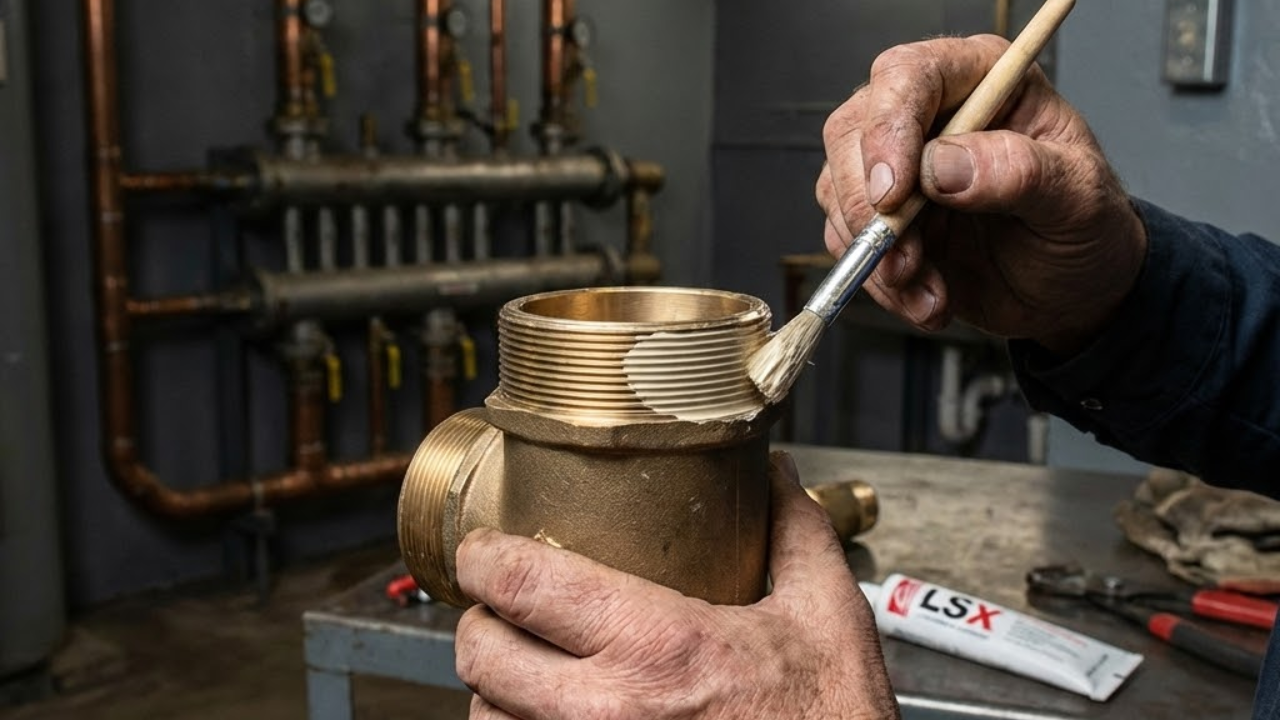
When you're connecting a biomass boiler primary circuit or sealing collector unions on a solar thermal installation, standard jointing paste won't cut it. The moment the system reaches operating temperature, petroleum-based compounds break down, seals fail, and you're looking at a callback. That's where LSX jointing compound earns its place on jobs that demand high-temperature thread sealing.
LSX (part of the Fernox range) is formulated specifically for applications where temperatures exceed the capabilities of standard jointing compounds. We're talking systems that operate continuously above 100°C, glycol-based antifreeze circuits, and installations where thermal cycling is severe enough to destroy conventional thread sealants. If you're working on biomass systems, solar thermal, or commercial heating with elevated flow temperatures incorporating equipment from manufacturers like Grundfos, LSX isn't optional – it's the minimum standard for reliable thermal store connections and high-temperature pipework.
Heating and Plumbing World stocks LSX jointing compound alongside other professional-grade sealing products because trade professionals working on demanding installations need materials that won't let them down when systems reach full operating temperature.
What Makes LSX Different from Standard Jointing Compounds
Standard jointing pastes use petroleum-based carriers and mineral fillers. They work well in typical domestic heating systems where flow temperatures rarely exceed 80°C and return temperatures sit around 60°C. But push those temperatures higher – as you do with biomass boilers, solar thermal, or high-temperature LTHW systems – and the carrier oils evaporate, the fillers lose their binding, and the seal breaks down.
LSX uses a synthetic base formulation designed to maintain integrity at temperatures up to 200°C continuously, with peak resistance to 240°C for short periods. This isn't just marketing – it's the difference between a seal that holds through commissioning and one that weeps the moment you fire up the system.
The compound contains PTFE particles for enhanced lubrication and sealing, combined with synthetic oils that don't evaporate or degrade at high temperatures. It's also formulated as a glycol-compatible sealant, meaning it won't break down in antifreeze systems where standard compounds dissolve over time.
Key specifications:
- Temperature range: -50°C to +200°C continuous operation, 240°C peak
- Pressure rating: Suitable for systems up to 16 bar
- Thread sizes: Effective on 3/8" to 4" threads
- Chemical compatibility: Glycol, water, oils, mild acids, system inhibitors
Think of high-temperature thread sealing like choosing tyres for a lorry versus a car. Both seal the wheel to the rim, but the lorry version handles greater loads and stresses without failing. Standard jointing paste is fine for light-duty domestic heating. LSX is what you need when the application demands more.
Primary Applications for High-Temperature Systems
Biomass Boiler Installations
Biomass boilers – whether wood pellet, log, or chip-fired – typically run primary circuits at 80-95°C, significantly higher than gas or oil equivalents. The flow and return connections to the boiler need to handle these temperatures continuously, often with additional thermal cycling as the boiler modulates or stops and starts.
On a recent district heating project featuring a wood pellet boiler, the installer initially used standard jointing paste on the primary circuit unions. Within three days of commissioning, two joints were weeping. We drained down, cleaned the threads, applied LSX compound, and those thermal store connections have been leak-free for eighteen months despite daily cycling between ambient and 90°C.
Buffer vessels and thermal stores integrated with biomass systems create additional high-temperature connection points. These thermal store connections for Gledhill thermal stores and similar quality thermal storage systems often see temperatures approaching or exceeding 100°C during charging cycles. Standard compounds simply can't maintain seal integrity under these conditions.
Solar Thermal Circuits
Solar thermal systems present unique challenges. During normal operation, collector circuits might run at 60-80°C. But during stagnation – when the system reaches maximum temperature with no heat extraction – temperatures can exceed 150°C at the collectors.
Every threaded connection in that primary circuit needs to handle these extremes. Collector connections on the roof are particularly critical because accessing them for repairs means scaffolding, working at height, and significant disruption. Using LSX from the outset eliminates the risk of seal failure during the first summer stagnation event.
Solar systems also typically use glycol antifreeze to prevent freezing during winter. This creates a double requirement: high-temperature capability and glycol compatibility. LSX addresses both, making it the default choice for these installations.
Thermal Store and Buffer Vessel Systems
Large thermal stores integrating multiple heat sources – biomass boiler, solar thermal, heat pump – create junction points where different circuits meet at varying temperatures. The primary coil connections inside these vessels may experience temperatures ranging from ambient to 95°C or higher depending on which heat source is active.
Standard compounds can handle one or two thermal cycles to these temperatures, but repeated cycling causes degradation. The compound becomes brittle, cracks develop, and slow leaks appear months after commissioning. LSX maintains flexibility through thousands of thermal cycles, providing the long-term reliability these integrated systems demand.
For installations using Gledhill's unvented cylinders with immersion heaters or high-temperature heat sources, the 200°C thread sealant capability provides essential safety margins. Even if operating temperatures stay below 100°C, the capacity to handle higher extremes prevents failures during fault conditions or control malfunctions.
District Heating and Commercial Systems
Commercial heating systems, particularly those using LTHW (low-temperature hot water – a misleading term since "low" means 120°C), operate well beyond domestic heating parameters. Plant room connections, manifold assemblies, and primary circuit pipework all require high-temperature thread sealing capability.
The larger thread sizes common in commercial work also benefit from LSX's enhanced gap-filling properties. A 2-inch BSP thread has greater tolerance variation than a 1/2-inch connection, and the compound's formulation fills these gaps effectively while maintaining seal integrity at elevated temperatures and pressures.
When Standard Jointing Compounds Fail
Understanding failure modes helps you specify the right product from the start. Here's what happens when you use standard compounds on high-temperature applications:
Temperature-Induced Degradation
Standard jointing pastes use petroleum-based carriers that evaporate when exposed to temperatures above their design limits – typically around 100-120°C. As the carrier evaporates, the mineral fillers lose their binding and the compound becomes powdery and ineffective.
This often manifests as weeping that appears during the first heat-up to full temperature. The joint was fine during pressure testing at ambient or moderate temperatures, but once the system reaches operating temperature, the seal fails. You're looking at draining down, cleaning threads, and re-making joints – with an unhappy client and lost time.
Glycol System Incompatibility
Glycol antifreeze is a powerful solvent. Standard petroleum-based jointing compounds gradually dissolve in glycol systems, with the seal breaking down over weeks or months rather than immediately. This makes diagnosis difficult because the system worked fine initially.
The dissolved compound contaminates the glycol, potentially affecting inhibitor performance and creating sludge that settles in low points or clogs strainers. Using a proper glycol-compatible sealant from installation prevents these issues entirely.
Thermal Cycling Stress
Even if operating temperatures stay within a standard compound's nominal range, severe thermal cycling can cause failure. Each heat-up and cool-down creates differential expansion between the male and female threads. Standard compounds become rigid and can't accommodate this movement, leading to crack formation and eventual seal failure.
LSX maintains flexibility through thermal cycling, moving with the joint rather than resisting it. This resilience is what separates a five-year seal from a five-month one on systems with frequent temperature swings.
Application Technique for Reliable High-Temperature Seals
The application method for LSX jointing compound follows standard jointing paste technique, with attention to detail that prevents common mistakes.
Thread Preparation
Clean threads thoroughly. Old PTFE tape, previous jointing compound, or thread-cutting swarf must be completely removed. Use a wire brush for metal threads and a degreaser if you're working with oil-contaminated surfaces. LSX needs clean, dry metal to achieve proper adhesion.
Inspect threads while cleaning. Damaged or cross-threaded connections won't seal reliably regardless of what compound you use. If threads are badly damaged, replace the fitting rather than trying to seal mechanical defects with sealant.
Application Method
Apply LSX to male threads only, starting from the second thread back. Leave the first thread clean to prevent compound being squeezed into the pipe bore during assembly. This is particularly important on smaller bore connections where even small amounts of compound can reduce flow or clog downstream components.
Use a thin, even coating that covers the thread peaks without filling the valleys completely. You should still see the thread form through the compound. Over-application wastes material, creates cleanup work, and increases the risk of bore contamination.
Assembly and Tightening
Bring the joint together steadily. Hand-tighten first, then use a spanner to achieve the final torque recommended by the fitting manufacturer. For BSP threads, this typically means 1.5 to 3 turns past hand-tight depending on thread size.
Avoid over-tightening. Brass fittings in particular can be damaged by excessive torque, and you're trying to create a seal, not deform metal. If the joint requires excessive force to achieve seal, you've either applied insufficient compound or there's a problem with thread engagement or alignment.
Wipe away excess compound that squeezes out at the joint face. This keeps the installation neat and prevents compound from hardening on external surfaces where it could later break off and enter the system.
Curing and Commissioning
LSX forms an instant low-pressure seal, allowing immediate testing at reduced pressures. However, full cure takes approximately 24 hours. For critical joints or high-pressure applications, allow full cure time before commissioning.
When bringing a high-temperature system up to operating temperature for the first time, increase temperature gradually if possible. This allows the compound to adapt to thermal expansion without sudden stress. Avoid thermal shock – don't go from ambient to 90°C in five minutes on fresh joints.
Comparing LSX to Alternative Sealants
Versus Standard Jointing Paste
Standard paste costs less – sometimes 30-40% less than LSX. For domestic heating systems operating below 80°C with water-only circuits, standard compounds work perfectly well. There's no point over-specifying materials and adding unnecessary cost.
But for biomass installations, solar thermal, or any system where temperatures exceed 100°C or glycol is present, LSX is the appropriate choice. The cost premium is minimal compared to the labour and reputation cost of callbacks.
Versus PTFE Tape
PTFE tape handles higher temperatures than you might expect – up to 260°C before degradation. However, it relies entirely on mechanical compression to create a seal. It doesn't fill gaps, and it can shift under vibration or thermal cycling.
For permanent high-temperature installations, LSX provides superior gap-filling and resilience. PTFE tape remains useful for temporary connections or installations where future disassembly is expected, but for sealed systems subject to thermal cycling, the compound delivers better long-term reliability.
Versus Anaerobic Sealants
Anaerobic thread sealants (like Loctite 577) offer similar high-temperature performance and provide thread-locking properties that resist vibration loosening. They're excellent choices for permanent installations where disassembly isn't anticipated.
The trade-off is that cured anaerobic compounds require heat and force to remove, potentially damaging brass threads. LSX remains removable with standard tools, making it better suited for connections that may need future service. The choice depends on whether permanent installation or serviceability takes priority.
Common Mistakes and Problem Prevention
Using Standard Compound on High-Temperature Systems
This is the most common error, and it has immediate consequences. The installer reasons that all jointing pastes are similar and uses whatever's in the van. During commissioning, as the biomass boiler reaches temperature or the solar collectors heat up, joints begin to weep.
Now you're facing an emergency callback, draining the system, cleaning every joint, and re-making connections with the correct sealant. The time lost, material wasted, and client dissatisfaction far exceed the cost of using LSX from the start.
Insufficient Thread Preparation
Even LSX won't seal properly over contaminated threads. Old PTFE tape fragments, dried jointing compound residue, or cutting oils prevent the compound from adhering to the metal surface and filling thread imperfections.
Invest the extra two minutes per joint to clean threads thoroughly. Wire brush, degreaser if needed, and visual inspection. The time spent on proper preparation prevents callbacks and ensures reliable seals.
Over-Application
More isn't better. Excessive compound gets squeezed into the pipe bore during tightening, potentially blocking strainers, fouling valve mechanisms, or reducing flow in small-bore connections. A thin, continuous bead around the threads provides adequate sealing – you don't need thick coverage.
Premature High-Temperature Exposure
Fresh joints exposed immediately to high temperatures before the compound has fully cured may experience seal compromise. While LSX provides instant low-pressure sealing, full mechanical and thermal strength develops over 24 hours.
Where possible, commission high-temperature systems gradually, allowing joints to cure fully before subjecting them to maximum operating conditions. This small investment in time ensures long-term seal integrity.
Glycol-Compatible Sealant Requirements
Propylene glycol antifreeze is a powerful solvent. It's designed to lower the freezing point of water in solar thermal circuits, ground source heat pump systems, and frost-protected heating installations. But this solvent property also attacks standard petroleum-based jointing compounds.
The compound's carrier oils dissolve in the glycol over time. Initially the seal holds, but within weeks or months, it begins to break down. You get slow leaks that are difficult to diagnose because they weren't present during commissioning. The system loses pressure gradually, introducing air and compromising performance.
LSX's synthetic formulation resists glycol. The compound maintains integrity in antifreeze mixtures, providing long-term sealing that doesn't degrade. If you're working on any glycol system – solar thermal, ground source, frost protection – verify that your jointing compound explicitly states glycol compatibility. Assumptions cause problems.
System-Specific Considerations
Biomass and Solid Fuel
Wood pellet, log, and chip-fired boilers run hotter than gas or oil equivalents. Primary circuits commonly operate at 85-95°C, and flow temperatures can spike higher during periods of low demand or when Honeywell controls make adjustments. Buffer vessels help moderate these swings but don't eliminate them.
Every threaded connection in the primary circuit – boiler flow and return, buffer vessel connections, Grundfos pump unions – experiences these elevated temperatures. Using standard compound risks failures during the first heating season. LSX provides the thermal capability these systems demand.
Solar Thermal
Stagnation is inevitable on solar thermal systems. When heat generation exceeds demand, collector temperatures soar. Roof-mounted connections can see 150°C or higher during summer stagnation events. If your thread sealant can't handle this, the first hot day of summer brings weeping joints.
Accessibility matters here. Roof work means scaffolding or working at height – you don't want to be making return visits to fix preventable seal failures. Install it right with high-temperature thread sealing compounds from the start.
Heat Pump Integration
Modern systems often combine multiple heat sources. A heat pump might serve as the primary heat source with a biomass boiler or solar thermal as auxiliary. The thermal store or buffer vessel becomes the integration point where these circuits meet.
Temperature variation across these circuits creates thermal cycling challenges. The heat pump circuit might run at 45°C while the biomass circuit operates at 85°C. Connections that handle this variation without seal degradation require materials designed for the task.
Storage, Shelf Life, and Material Management
Store LSX in a cool, dry location, tightly sealed when not in use. Like all jointing compounds, it can form a skin if exposed to air, though the compound beneath typically remains usable. Shelf life is approximately two years from manufacture when properly stored.
On site, work with clean, dry hands. Contamination reduces effectiveness and can introduce foreign material into the system. Keep the tube nozzle clean and wipe away any hardened compound before storage.
If you're working in cold conditions, the compound may become stiffer. Warm it slightly in your hands before application to improve workability. Conversely, in very hot weather, work quickly before the compound becomes too soft.
Cost Versus Performance Trade-offs
LSX costs more than standard jointing paste – typically 50-70% premium depending on supplier and packaging. This raises the question: when is the extra cost justified?
Use LSX when:
- System operating temperatures exceed 80°C continuously
- Glycol antifreeze is present in the circuit
- Thermal cycling is severe (biomass, solar thermal, multi-source systems)
- The application is critical and callback risk is unacceptable
- Client expectations or specification demand high-temperature capability
Standard compound suffices when:
- Domestic heating operating below 80°C
- Water-only systems without antifreeze
- Budget constraints are significant
- The application doesn't justify premium materials
The key is matching material to application rather than defaulting to either the cheapest or most expensive option. Professional competence includes knowing when to specify premium products and when standard materials serve adequately.
Regulatory and Warranty Considerations
Boiler and component manufacturers often specify approved sealants in their installation manuals. Using unapproved alternatives can void warranties. Check documentation before making material selections, particularly on commercial installations where warranty compliance affects long-term client relationships.
Building regulations and competent person schemes require installations to meet British Standards and manufacturer specifications. Using appropriate materials – including high-temperature sealants where specified – demonstrates professional competence and regulatory compliance.
Keep material safety data sheets (MSDS) and product information available for inspection. Commercial installations particularly may require documentation proving that all materials meet specification requirements.
Real-World Performance and Reliability
LSX has a five-to-ten-year track record in demanding applications. Installations made with this 200°C thread sealant in the early days of widespread biomass adoption are still operating leak-free despite thousands of thermal cycles and continuous exposure to elevated temperatures.
This long-term reliability validates the material's performance claims and justifies the cost premium for appropriate applications. When you're working on thermal store connections for commercial biomass or solar thermal systems, using proven materials prevents expensive failures and protects professional reputation.
The value of callback prevention can't be overstated. A single emergency callout to fix a weeping joint costs more in time and reputation damage than the material premium for an entire installation. Getting it right first time using appropriate materials like LSX jointing compound is simply good business practice.
Conclusion
High-temperature thread sealing isn't optional on biomass boilers, solar thermal systems, or any installation where operating temperatures or chemical environments exceed standard jointing compound capabilities. LSX jointing compound provides the 200°C thread sealant performance, glycol compatibility, and thermal cycling resilience these demanding applications require.
Understanding when standard materials suffice and when premium products are necessary separates competent installers from those who generate callbacks. For thermal store connections, biomass primary circuits, and glycol-compatible sealant requirements in solar systems, LSX represents the professional standard. The higher cost is justified by reliability, callback prevention, and the confidence that joints will maintain integrity through years of demanding service.
Keep LSX in your toolkit for applications that demand it. Know its capabilities, understand its proper application, and specify it where appropriate. When you're working with quality components from reputable manufacturers, matching that quality with appropriate sealing materials ensures the entire installation meets professional standards.
For technical advice on specific applications or to discuss high-temperature sealing requirements for your next project, contact our technical team for expert guidance.