

Magnetic Water Conditioners: Science or Myth?
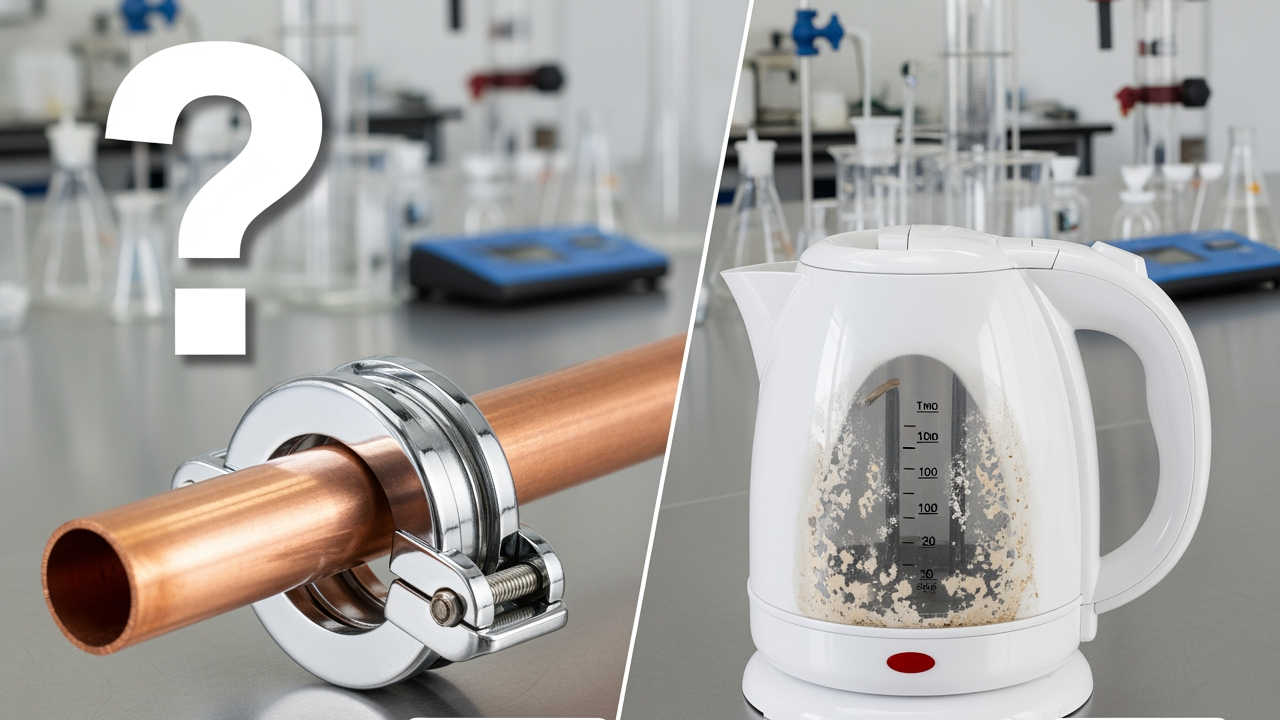
Magnetic water conditioners promise scale-free pipes, softer water, and lower energy bills, all without salt, chemicals, or electricity. The pitch sounds perfect: clip a magnetic device around your pipes and watch limescale problems disappear. But after decades of testing these devices in actual installations, the evidence tells a different story.
What Magnetic Water Conditioners Claim to Do
These devices wrap around or fit inside water pipes, using permanent magnets or electromagnetic coils. Manufacturers claim the magnetic field alters the crystalline structure of dissolved calcium and magnesium, preventing these minerals from forming hard scale deposits on pipe walls, heating elements, and fixtures.
The theory suggests that magnetically treated water forms "softer" calcite crystals (aragonite) instead of hard, adhesive scale (calcite). These modified crystals supposedly stay suspended in water and rinse away instead of bonding to surfaces.
Some vendors make additional claims: improved soap lathering, reduced detergent use, better-tasting water, and extended appliance life. Premium models cost £200-800, with electromagnetic versions requiring power and costing more than passive magnetic units.
The Scientific Evidence (or Lack of It)
Multiple peer-reviewed studies have tested magnetic water treatment under controlled conditions. The results consistently show no significant effect on scale formation.
A 2001 study published in Water Science and Technology tested magnetic devices on industrial cooling systems. Researchers found no measurable difference in scale accumulation between magnetically treated and untreated water. The calcium carbonate deposited at the same rate in both scenarios.
The German Federal Environment Agency reviewed available research in 2011 and concluded that magnetic water treatment devices "show no scientifically proven effect." They noted that positive results in some studies couldn't be replicated under rigorous testing conditions.
Physics presents a fundamental problem: water molecules and dissolved minerals don't maintain magnetic alignment. Water is diamagnetic; it's weakly repelled by magnetic fields rather than attracted. Any temporary alignment disappears within milliseconds after leaving the magnetic field. By the time water reaches your boiler or kettle, any magnetic influence has vanished.
The Royal Society of Chemistry states that whilst magnetic fields can influence crystal formation under specific laboratory conditions, these effects don't persist in flowing water systems at normal household pressures and temperatures.
Why Some People Report Positive Results
Despite weak scientific backing, some installers and homeowners report reduced scale after fitting magnetic conditioners. Several factors explain these observations:
Confirmation bias: When someone spends £400 on a device, they look for evidence it works. Minor changes in scale patterns, which occur naturally, are attributed to the new equipment.
Coincidental water chemistry changes: Municipal water composition varies throughout the year. Seasonal shifts in source water or treatment processes can temporarily reduce scale formation, coinciding with device installation.
Placebo effect for subjective measures: Claims about "softer-feeling" water or improved taste are subjective. Expectations shape perception, making water seem different when people believe it should be.
Existing scale removal: Some installations see temporary improvement because the magnetic device installation process involves draining and refilling systems, which can dislodge existing loose scale. This one-time improvement gets wrongly credited to the ongoing magnetic treatment.
Different scale distribution: Magnetic treatment might occasionally alter where scale forms (shifting it from one location to another) without reducing total scale. If it moves scale away from a visible location, people assume it's preventing scale formation entirely.
What Controls Scale Formation
Scale deposits form when water temperature, pressure, or chemistry changes cause dissolved minerals to precipitate. Three factors matter most:
Water hardness: Calcium and magnesium concentrations determine scale potential. Water above 200 mg/L (parts per million) as calcium carbonate causes significant scaling. Magnetic fields don't remove these minerals; they remain in solution at the same concentration.
Temperature: Heating water above 60°C dramatically increases scale formation. This explains why kettles, boilers, and hot water cylinders accumulate scale faster than cold pipes. No magnetic treatment changes this temperature-dependent chemistry.
pH and alkalinity: Water chemistry determines whether minerals stay dissolved or precipitate. Magnetic fields don't alter pH, alkalinity, or the fundamental solubility of calcium carbonate.
Proven Alternatives That Work
If you face genuine scale problems, several tested methods deliver measurable results:
Ion exchange water softeners: These systems exchange calcium and magnesium ions for sodium ions, genuinely removing hardness minerals. A properly sized softener eliminates scale formation. They require salt for regeneration and regular maintenance, but they work consistently and measurably.
Polyphosphate dosing: Food-grade polyphosphates sequester hardness minerals, preventing them from forming scale. Commercial heating systems often use this method. Polyphosphate cartridges cost £15-40 and need replacement every 6-12 months, depending on water usage and hardness.
Electronic scale inhibitors: Unlike magnetic devices, properly designed electronic descalers pulse electrical signals through water via electrodes in contact with the water (not just wrapped around pipes). Some models show modest scale reduction in specific applications, though results vary significantly.
Template-assisted crystallisation (TAC): These systems use catalytic media to convert dissolved hardness into microscopic crystals that stay suspended in water. TAC doesn't remove minerals but changes their form, reducing adhesive scale. Performance varies with water chemistry, but independent testing shows measurable effects in many installations.
Citric acid treatment: For existing scale in kettles and small appliances, periodic citric acid cleaning removes deposits effectively. This addresses symptoms rather than preventing scale, but it costs pennies and actually works.
When Magnetic Conditioners Might Make Sense (Rarely)
In extremely limited scenarios, magnetic devices might offer marginal benefits:
Very mild hardness (100-150 mg/L): In borderline-hard water where scale forms slowly anyway, any placebo effect might satisfy users who want to avoid salt-based softeners for environmental or health reasons. But the magnetic device still doesn't create the perceived benefit; the water simply wasn't hard enough to cause serious problems.
Temporary installations: Rental properties or temporary sites where permanent softening infrastructure isn't justified might use magnetic devices as a low-cost option. Just understand you're not actually treating the water, you're accepting hard water whilst hoping for the best.
Psychological satisfaction: Some people strongly oppose salt-based softeners due to sodium addition (though this concern is often overblown) or environmental worries about brine discharge. If a magnetic device provides peace of mind despite not working, that psychological benefit has value, just don't expect scale prevention.
The Regulatory and Marketing Problem
Magnetic water conditioner marketing often violates advertising standards by making unsubstantiated claims. The UK's Advertising Standards Authority has upheld complaints against several manufacturers for misleading advertising.
These devices aren't regulated as rigorously as chemical treatments or mechanical water conditioning equipment. No third-party certification scheme validates performance claims, allowing manufacturers to make bold promises without independent verification.
Consumer protection organisations in Germany, Australia, and the United States have all issued warnings about magnetic water treatment devices, noting the gap between marketing claims and scientific evidence.
What Works Instead
When customers ask about magnetic conditioners, we assess their actual problem first. Often, perceived "hard water issues" stem from other causes:
Limescale on fixtures: Usually caused by water evaporation leaving mineral deposits, not by water hardness alone. Regular cleaning with vinegar or citric acid solutions manages this effectively regardless of water treatment.
Poor soap lathering: Modern detergents work well in hard water. If soap performance seems poor, water temperature, detergent choice, or technique usually matter more than hardness.
Boiler efficiency: Scale buildup in heating systems reduces efficiency, but proper system maintenance and temperature management prevent most problems. Annual boiler servicing catches scale issues early. Quality components from manufacturers like Grundfos and properly maintained cylinders from Gledhill or Kingspan minimise scale-related problems.
Appliance lifespan: Washing machines and dishwashers now include built-in water softening or use detergents formulated for hard water. Hard water rarely causes premature failure in modern appliances.
For genuine hard water problems (confirmed by testing showing 200+ mg/L hardness), ion exchange softeners work reliably. They cost more upfront and require ongoing maintenance, but they actually solve the problem. For customers unwilling to install softeners, polyphosphate dosing provides protection for specific applications like boiler protection.
Testing Your Water First
Before considering any water treatment, test your actual water hardness. Free test kits from water softener companies provide basic results, or a comprehensive laboratory analysis costs £30-50 and measures multiple parameters.
Water hardness categories:
- Soft: 0-100 mg/L (scale rarely forms)
- Moderately hard: 100-200 mg/L (minor scale in heating systems)
- Hard: 200-300 mg/L (regular scale formation)
- Very hard: 300+ mg/L (significant scale problems)
If your water tests below 150 mg/L, you probably don't need any treatment. Simple maintenance and cleaning handle occasional scale. Between 150-200 mg/L, targeted treatment of heating systems (not whole-house conditioning) makes sense. Above 200 mg/L, whole-house softening delivers measurable benefits, but only if you use proven technology.
The Bottom Line
Magnetic water conditioners fail to deliver on their core promise. Decades of scientific testing show no consistent, replicable effect on scale formation. The physics doesn't support the claims, controlled studies show no benefit, and regulatory bodies warn against misleading marketing.
If you face genuine hard water problems, invest in proven solutions: ion exchange softeners for whole-house treatment, polyphosphate dosing for targeted applications, or regular maintenance and cleaning for minor issues. These approaches cost more or require more effort, but they actually work.
Magnetic water treatment succeeds primarily as a marketing product, not a water treatment device. The gap between advertised benefits and performance makes them a poor investment for anyone facing actual scale problems. Save your money for solutions backed by chemistry, not wishful thinking.
For customers determined to avoid salt-based softeners, accepting hard water and managing its effects through maintenance proves more effective than wasting money on ineffective magnetic devices. Sometimes the honest answer is that no perfect solution exists for every situation, but magnetic water conditioners definitely aren't the imperfect solution they claim to be.
Heating and Plumbing World stocks proven water treatment solutions and system components from leading manufacturers. For technical advice on addressing hard water problems in heating systems, contact us to discuss effective solutions for your specific requirements.