

Managing Hot Water Safety with Anti-Scald Technology in Schools
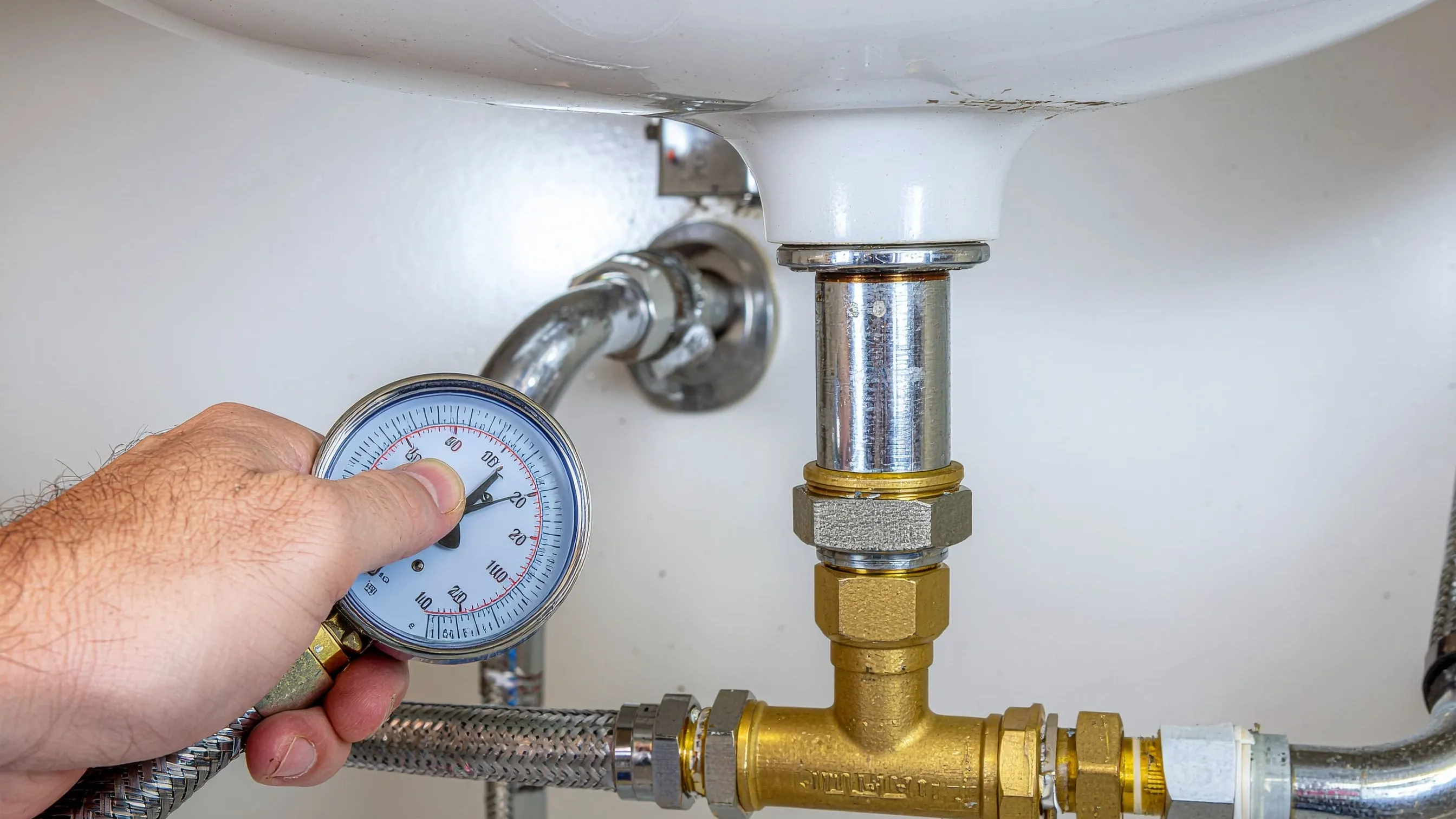
Providing safe hot water in an educational environment is a massive engineering responsibility. Young children have thinner skin and significantly slower reaction times than adults. Because of this, they are highly vulnerable to severe thermal injuries. If a school washbasin delivers water that is too hot, a child can suffer a third-degree burn in mere seconds.
To prevent these catastrophic accidents, you must integrate highly reliable anti-scald technology across the entire building. Standard domestic mixing valves are completely inadequate for the intense daily usage of a busy primary or secondary school. Facility managers and commercial plumbers must clearly understand the strict legal frameworks required to keep students perfectly safe.
Understanding School Washroom Regulations
The Department for Education (DfE) sets highly strict statutory guidelines regarding hot water delivery in school washrooms. Under these rigid regulations, the hot water supplied to any washbasin used by pupils must never exceed 43 degrees Celsius. If you specify hardware that allows the temperature to drift above this legal limit, the school instantly fails its compliance audits.
Heating and Plumbing World provides a comprehensive range of commercial-grade washroom hardware specifically certified for educational environments. Achieving this precise 43-degree limit relies entirely on installing a certified TMV3 point-of-use blending valve at every single basin. You can't simply turn down the main boiler thermostat to 43 degrees, because doing so instantly introduces a massive bacterial hazard.
The Mechanics of a Point-of-Use Blending Valve
The heart of this anti-scald technology relies on a highly responsive internal wax thermostatic cartridge. As hot and cold water enter the brass mixing chamber, they wash directly over this highly sensitive component. The wax expands and contracts instantly based on the exact temperature of the mixed water.
Think of a point-of-use blending valve exactly like a pair of high-end noise-cancelling headphones. Just as the headphones constantly monitor unpredictable background noise and instantly adjust their frequencies to deliver perfectly clear audio, the valve constantly monitors unpredictable incoming water pressures. It adjusts the hot and cold flow instantly to deliver a perfectly safe, stable temperature.
This continuous mechanical adjustment ensures that even if ten toilets flush simultaneously, the water at the basin remains safe. You must always install these valves as close to the tap outlet as physically possible. They are legally restricted to a maximum dead leg of 2 metres to prevent stagnant warm water.
Protecting Against Cold Water Supply Failure
The most critical safety feature of these commercial valves is their ability to handle a total cold water supply failure. If a mains pipe bursts in the street, unblended hot water from the plant room could rush directly to the school basins. Because the plant room stores water at a minimum of 60 degrees Celsius, this scenario is incredibly dangerous.
When a cold water supply failure occurs, the TMV3 valve must physically slam shut and stop the hot water flow in less than two seconds. On a recent primary school retrofit, the facilities team complained that their basins were running freezing cold every morning. I discovered that a previous contractor had installed cheap domestic valves, and hard water scale had completely jammed the internal pistons.
The valves had failed to a closed position, which prevented scalding but left the basins completely useless. We stripped them out and fitted heavy-duty commercial units with proper filtration, instantly solving the flow issue safely.
Balancing Scald Protection and Legionella Prevention
Plumbers working in schools face a highly difficult balancing act. You must protect children from scalding at the basin, but you must also protect the entire school from deadly Legionella bacteria. To comply with HSE ACOP L8 guidelines, you must execute a strict thermal disinfection strategy across the main network.
This means you must constantly store the primary water at 60 degrees Celsius. The local point-of-use blending valve is the absolute only piece of hardware that safely bridges the gap between this deadly storage temperature and the safe 43-degree delivery temperature.
However, during long school holidays, the washrooms sit unused for weeks. Facilities managers must implement a strict legionella flushing regime to keep the water moving. A proper legionella flushing regime involves running every single tap and shower in the school for several minutes on a strict weekly basis.
Commercial Plant Room Storage Calculations
A school washroom experiences massive, sudden peaks in demand during break times and lunch hours. Before specifying the plant room equipment, you must accurately calculate the total peak volume required.
You must carefully evaluate different hot water tank sizes to ensure they meet the specific, intense demands of a facility housing five hundred students. If the tank is too small, the final students in line will be left washing their hands in freezing water. Proper capacity planning completely prevents this highly uncomfortable scenario.
Upgrading the Primary Heat Source
Upgrading the primary heat source to a high-capacity indirect hot water cylinder ensures the school has extremely rapid recovery times. This guarantees a massive volume of stored, sterile water is always ready for the chaotic mid-morning rush. Sourcing robust, commercial grade heating units is entirely mandatory for educational buildings. A standard domestic unit simply won't survive the relentless daily cycling required by a busy school.
Secure Pipework Routing and Connections
When routing the feeds from these large cylinders to the washroom blocks, structural integrity is paramount. Creating a secure push fit connection guarantees the hidden pipework won't slowly leak inside the inaccessible structural voids. Commercial buildings often feature highly complex framework and tight service cavities.
Utilising modern plumbing connectors allows you to navigate these difficult spaces rapidly without ever needing a dangerous blowtorch. Maintaining a leak-free network is absolutely vital. Hidden water damage inside a school partition wall can cause severe structural rot over the summer holidays. Plumbers must thoroughly pressure test every single joint before the final plasterboard goes up.
Mandatory Pipework Insulation
Furthermore, you must carefully calculate the pipe insulation thermal conductivity for the entire network. Building Regulations strongly mandate thick, high-quality lagging to minimise heat loss across extremely long commercial pipe runs.
This heavy insulation also actively protects young children from severe contact burns. If a student accidentally touches the exposed pipework under a wall-hung basin, the thick lagging guarantees they won't suffer a thermal injury.
Testing and Initial Commissioning
Every commercial blending valve features a highly reliable mechanical temperature limit stop hidden under the protective top cap. During the initial commissioning phase, you must use a calibrated digital thermometer to set this specific temperature limit stop to exactly 43 degrees Celsius. Once locked firmly in place, it physically prevents unauthorised users or curious students from twisting the valve and increasing the heat.
To ensure strict compliance, you must follow these mandatory commissioning steps:
- Measure and record the incoming hot and cold water temperatures.
- Verify the mixed water delivery temperature remains stable at 43 degrees Celsius.
- Perform the cold water isolation test and time the shut-off speed.
- Log all results in the official site maintenance registry.
You must physically test this fail-safe mechanism against a simulated cold water supply failure at least once a single year. If the valve takes longer than two seconds to shut off entirely, you must dismantle it immediately. You'll need to carefully descale the internal strainers and completely re-commission the unit from scratch. To manage this testing data effectively, many schools use a digital temperature control system in the main office.
Integrating Automated Monitoring Systems
The long-term value of digital compliance tracking simply cannot be overstated. It perfectly automates the logging process and makes annual HSE audits completely painless for the facility managers. Using advanced heating controls allows the team to continuously monitor the primary outgoing temperatures securely.
This digital oversight ensures the water is always hot enough to remain sterile before it ever reaches the localised valves. It perfectly supports the manual legionella flushing regime by recording exactly when the hot water flows through the network.
Conclusion
Successfully implementing anti-scald technology in an educational environment requires absolute engineering precision and strict adherence to DfE regulations. You simply can't compromise on user safety or bacterial control. By setting a secure temperature limit stop and specifying highly responsive commercial blending valves, you guarantee every student can wash their hands safely. Always maintain a rigorous annual testing schedule to ensure the mechanical fail-safes remain fully operational. If you need assistance specifying the correct commercial hardware for a school washroom upgrade, reach out to our experts today for professional technical support.