

Matching Radiator Colours to Interior Palettes
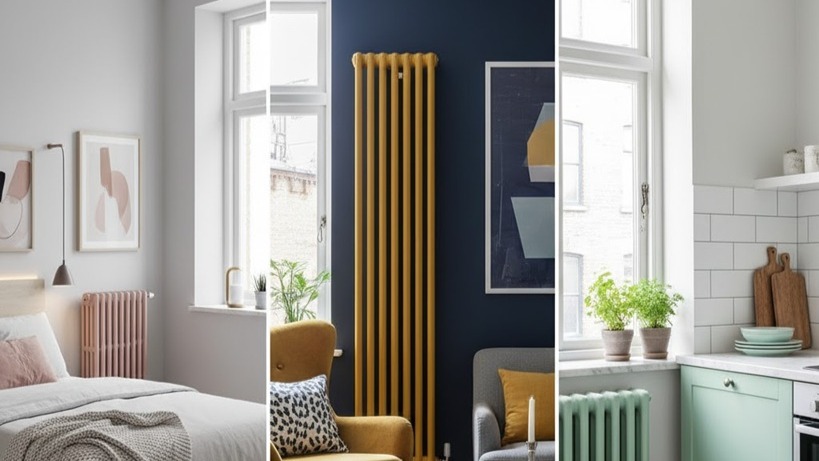
When did you last notice your radiator? If you’re like most of us, radiators live quietly in the background until you decide to make them part of the show. Mastering radiator colour matching turns an everyday necessity into a design highlight, blending form and function seamlessly. Whether you’re fitting out a stylish city studio, updating a family home, or designing a swish office for a start-up, the right radiator colour palettes can elevate your space. In this guide, brought to you by Heating & Plumbing World, you’ll discover everything from choosing complementary hues to specifying durable finishes, plus real-world examples and expert tips. Let’s dive in.
Why Radiator Colour Matching Matters
Radiators do more than warm your room; they shape its personality. A thoughtfully chosen hue can:
- Create cohesion by matching walls or trim, making the room feel larger and more harmonious.
- Act as an accent to add drama and interest in an otherwise neutral palette.
- Increase perceived value, as prospective buyers and clients appreciate attention to detail.
I still recall converting my own conservatory into a year-round snug. A crisp white radiator felt underwhelming against the sage walls, so I chose a muted jade from Myson’s colour range. That single change transformed the room, tying in with potted ferns and teak garden furniture, proof that even “hidden” items can make a statement.
Understanding Your Interior Palette
Before you pick a radiator colour palette, assess your existing scheme. A quick audit helps you decide whether your radiator should blend in or stand out.
Identify Base, Secondary and Accent Colours
- Base colours: Large surfaces, walls, flooring or major furniture. These should account for roughly 60–70% of your scheme.
- Secondary colours: Sofas, cabinets, rugs, around 20–30%.
- Accent hues: Cushions, artwork, decorative objects, about 10–15%.
Your radiator can slot into any of these categories. If you want it to melt away, match your base; if you prefer a pop of colour, choose from your accent group.
Observe Light Conditions
Natural and artificial light can alter pigment:
- North-facing rooms tend toward cooler light; choose warmer finishes (cream, terracotta) or gloss to bounce light around.
- South-facing rooms get warmer, stronger sunlight; matte or muted tones (slate grey, soft taupe) avoid glare and over-brightness.
Test swatches throughout the day to see true colour shifts.
Colour Theory for Radiator Palettes
Bringing in the colour wheel can demystify your choices and ensure pleasing combinations.
Complementary Schemes
Complementary colours sit opposite each other on the wheel. A radiator colour palette pairing emerald green with burnt orange, or navy with amber, makes each hue pop. Use this approach sparingly; overuse can feel busy.
Analogous Schemes
Analogous schemes use neighbouring hues for a harmonious effect. Think teal, aqua and deep blue radiators against pale grey-blue walls. This subtler look suits bedrooms and studies where a calm ambience is key.
Triadic Schemes
Triadic palettes draw from three evenly spaced hues (e.g. mustard, violet and teal). A mustard-coloured radiator paired with teal cushions and violet artwork creates a playful, balanced trio. It’s bold but still manageable when you limit each colour to a supporting role.
Selecting the Perfect Finish
The finish you choose affects both appearance and durability.
Gloss vs. Matte
- Gloss finishes reflect light, brightening corners and emphasising texture. They suit contemporary, minimalist schemes.
- Matte finishes absorb light, offering depth and a softer look, ideal for traditional or rustic interiors.
Manufacturers like Altecnic and Halstead Spares offer a range of gloss and matt enamel coatings formulated for radiators.
Textured and Metallic Options
For industrial or loft-style spaces, consider textured powders or metallic finishes. A brushed-steel radiator from Danfoss or an anthracite metallic towel rail by Gledhill adds tactile interest and conceals minor blemishes.
Factory-Finish vs. On-Site Painting
Should you opt for a factory-applied colour or paint in situ? Each has pros and cons.
Factory-Applied Enamel
Pros
- Consistent colour across every panel.
- Highly durable, baked-on finish resists chipping.
- Low odour, quick to install.
Cons
- Limited to manufacturer palettes; custom RAL requests may incur extra lead time.
- Slightly higher upfront cost.
Companies such as Myson specialise in bespoke RAL-matched radiators.
On-Site Spray Painting
Pros
- Ultimate flexibility, you pick any RAL or BS colour.
- Ideal for small batches or updating existing radiators.
Cons
- Risk of uneven coverage if done poorly.
- Must use specialised, heat-resistant radiator paint, available from Halstead Spares.
- Longer drying times and VOC considerations.
If you go down this route, always hire a professional sprayer and insist on a test panel.
Valves, Pipework and Accessories
Your radiator colour matching isn’t complete until valves and pipework harmonise.
- Thermostatic radiator valves (TRVs): Choose finishes from Danfoss or Altecnic in chrome, brushed nickel, black or white.
- Pipe covers and trunking: Painted to match walls or radiator for seamless integration.
- Bleed keys and control knobs: Even small details count; consider matching these to your radiator’s accent trim.
Room-by-Room Radiator Colour Matching
Different spaces demand different approaches. Let’s look at some scenarios.
Living Rooms and Lounges
A family room benefits from warmth and elegance. Consider:
- Neutral backdrop: Soft greys or off-white radiators blending into the wall, letting furniture and textiles take centre stage.
- Accent radiators: Deep plum or charcoal to frame a fireplace or media wall.
- Valve coordination: Chrome for a contemporary look, or matte black for industrial flair.
Kitchens and Utility Areas
Kitchens embrace fun, informal palettes:
- Candy-coloured radiators (mustard, mint or coral) lift white shaker-style units beautifully.
- Stainless steel or metallic finishes complement stainless steel appliances.
- Durable coatings protect against humidity; look for Gledhill towel rails rated for wet rooms.
Bathrooms and En-suites
Bathrooms require moisture-resistant coatings:
- Anthracite towel radiators complement slate, travertine or marble tiles.
- White or chrome remains classic, suiting all décor schemes.
- Subtle pastels (blush pink, baby blue) add softness to contemporary suites.
Hallways and Stairwells
These loudest of silent spaces are ideal for bold statements:
- A teal radiator against off-white walls becomes a mini art installation.
- Raspberry or burnt orange radiators enliven muted corridors.
- Use a single accent hue on multiple radiators to create continuity between floors.
Home Offices and Studies
Productivity zones benefit from calm, focused palettes:
- Soft dove grey or chalk white radiators blend quietly.
- Olive or moss green encourages concentration and connects with natural elements.
- Matching TRVs in brushed brass can add a touch of elegance without distraction.
Real-Life Case Studies
The Cosy Cottage Upgrade
A 19th-century cottage had original cast-iron radiators painted basic white. The owner wanted to modernise while respecting heritage:
- Colour audit: Sage walls, honey-oak beams and cream upholstery.
- Palette selection: Warm cream radiator to match skirting, with accent valves in antique brass from Honeywell.
- Result: Radiators now disappear against the cream walls, letting architectural details shine.
The Open-Plan Loft Transformation
A start-up converted an industrial warehouse into a collaborative workspace. They needed radiators that fit the raw aesthetic:
- Style brief: Exposed brick, polished concrete floors, black steel.
- Radiator choice: Matte black column radiators from Kingspan, with matching black Danfoss valves.
- Outcome: Heating elements became part of the industrial décor, while providing efficient warmth over 150 m².
The Garden Room Glow-Up
As mentioned earlier, a previously chilly garden room found new life thanks to radiator colour matching:
- Client’s wish: A vibrant, inspiring workspace linked to the lush outside.
- Chosen palette: Teal radiator by Myson, soft grey walls, natural wood furniture.
- Key detail: Matte-black valves from Danfoss for seamless contrast.
The new space now enjoys all-year comfort and a design that reflects the client’s style.
Specification Checklist
When you’re ready to order, follow these step-by-step:
- Measure your space: Height, width and BTU requirements.
- Select your colour: Order physical swatches from Myson, Danfoss or Altecnic.
- Confirm finish: Gloss, matt or metallic.
- Choose valves and accessories: Match TRVs and pipe covers to your scheme.
- Decide on factory vs. spray: Factor in budget, time and colour flexibility.
- Place your order: Through Heating & Plumbing World, or contact our team for bespoke advice.
Maintenance and Care
To keep your coloured radiators looking showroom-fresh:
- Regular cleaning: Wipe with a soft, damp cloth, no abrasive products.
- Annual bleeding: Prevent cold spots that highlight scratches or chips.
- Touch-up kits: Many suppliers, including Myson, offer small pots of matching paint.
Embracing Radiator Colour Matching in Your Next Project
Taking the time to integrate radiator colour matching into your interior palette doesn’t just warm your room, it warms the soul. From sophisticated neutrals to bold accent hues, there’s a spectrum of radiator colour palettes waiting to complement your décor. Remember:
- Match or deliberately contrast based on your design goals.
- Factor in light, finish and accessories.
- Use trusted brands like Myson, Danfoss, Altecnic and Gledhill for quality finishes.
Ready to discover your perfect hue? Explore the Heating & Plumbing World for inspiration, browse our full brand list, or get in touch for personalised guidance. With thoughtful radiator colour matching and curated radiator colour palettes, your heating solution will look as good as it feels.