

Multi-Functional Heating Furniture: What's Out There?
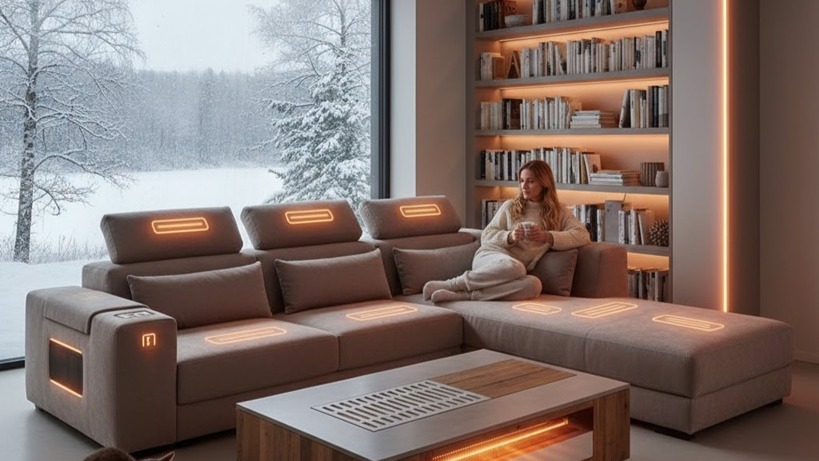
The heating and plumbing sector has traditionally focused on radiators, underfloor heating, and standard emitters. But what happens when furniture becomes the heat source itself? Multi-functional heating furniture combines space heating with everyday items like benches, storage units, and seating, transforming how we think about thermal comfort in commercial and residential spaces.
Heating and Plumbing World stocks a wide range of heating solutions, but understanding the emerging category of heated furniture designs helps installers recommend innovative options that clients increasingly request. This isn't about novelty. It's about maximising floor space, improving energy efficiency, and delivering warmth exactly where occupants need it.
Why Multi-Functional Heating Furniture Matters
Traditional radiators occupy wall space and can't be moved. They're fixed points in a room's layout, often dictating furniture placement. Multifunctional heating furniture flips this constraint on its head.
Consider a commercial office refurbishment project where the client wanted to remove bulky wall-mounted radiators to create a more open-plan feel. The solution? Heated bench seating along the perimeter windows. These units provided low-temperature radiant warmth whilst doubling as informal meeting spaces. No lost floor area. No ugly pipe runs. Just a functional design that delivered the required heat output.
The key benefits include:
- Space optimisation – furniture serves dual purposes, freeing up walls and floor area
- Targeted comfort – heat exactly where people sit, stand, or gather
- Aesthetic flexibility – no visible pipework or traditional emitters disrupting interior design
- Lower operating temperatures – radiant furniture often runs at 35-45°C, perfect for heat pumps
- Improved accessibility – heated floors or benches eliminate burn risks from hot radiator surfaces
For heating engineers, this means rethinking system design. You're not just sizing emitters anymore. You're integrating furniture into the hydraulic circuit, considering flow temperatures, and ensuring compatibility with primary heat sources.
Types of Multi-Functional Heating Furniture
Heated Bench Seating
Heated benches are perhaps the most common entry point for multifunctional heating furniture. Picture a timber-clad bench in a care home corridor. Beneath the surface sits a low-temperature water circuit embedded in an aluminium plate. Residents can sit comfortably whilst receiving gentle warmth, no scorching surfaces, no protruding edges.
These units typically operate with flow temperatures between 35-50°C, making them ideal for condensing boilers or heat pumps. Installation requires standard 15mm or 22mm copper or plastic pipework, connected in series or parallel depending on circuit length and heat loss calculations.
Typical applications:
- Care homes and hospitals (safe, accessible warmth)
- Reception areas and waiting rooms
- Educational facilities (robust, vandal-resistant)
- Transport hubs (high footfall, space-constrained environments)
One installation involved a draughty Victorian school entrance hall. The original cast-iron radiators were inadequate, and the space felt unwelcoming. Heated bench units along both walls transformed the area. Flow temperature of 40°C from a condensing boiler fed four benches in series, delivering 3kW total output. The space became warmer, more inviting, and pupils actually used the seating.
Heated Storage Units and Cabinets
Think of a heated towel rail, but integrated into a bathroom vanity unit or bedroom storage. These designs combine practical storage with gentle background heating. The cabinet carcass incorporates water-fed heating panels or electric elements, radiating warmth outward.
Electric variants use low-wattage resistance heaters (typically 100-300W per unit), whilst hydronic versions connect to the primary heating circuit. For installers, the hydronic option is preferable in new builds or major refurbishments where pipework can be planned from the outset.
A luxury residential project specified heated wardrobes in bedrooms. Each unit is connected to the home's underfloor heating manifold using 10mm microbore. Flow temperature matched the UFH circuit at 35°C. The result? Gently warmed bedrooms with no visible radiators, and clients who never complained about cold mornings.
Heated Window Seats and Bay Installations
Bay windows and alcoves present classic cold spots. Traditional solutions involve bulky radiators under windows, obstructing potential seating areas. Heated window seats eliminate this compromise.
Construction typically features a timber or composite bench with embedded aluminium heat exchanger plates. The unit sits directly over the subfloor pipework or connects via flexible hoses to the nearest heating circuit. Surface temperature remains safe to touch (40-45°C maximum), whilst the radiant output counteracts down-draughts from glazing above.
Design considerations:
- Adequate ventilation around the heat exchanger to prevent overheating
- Pressure drop calculations if adding multiple units to a single circuit
- Thermal bridging between the heat source and seating surface (use conductive paste or proper clamping)
- Furniture-grade finishes that won't crack or warp with repeated thermal cycling
Grundfos circulators often get specified for these zoned furniture circuits, particularly the Alpha series with auto-adapt functionality. The pump adjusts to varying demand as thermostatic valves open and close on individual furniture pieces.
Heated Flooring Within Furniture Platforms
Raised platform seating, common in cafés, breakout areas, or modern living spaces, can incorporate electric or hydronic underfloor heating within the platform structure. This isn't traditional UFH screed installation. It's an underfloor heating mat technology sandwiched between insulation and a finished timber or tile deck.
Electric mats (typically 150W/m²) are simpler to retrofit, requiring only an electrical supply and a thermostat. Hydronic platforms need careful flow and return routing, plus manifold connections, but they integrate seamlessly with existing wet systems.
One café refurbishment created a raised seating platform along one wall. The structural deck incorporated 16mm UFH pipe at 200mm centres, fed from the main heating circuit. Total output: 2.2kW across 12m². Combined with the platform's storage capability beneath (housing electrical sockets and customer belongings), it became a true multi-functional space.
Heated Radiator Benches
Some manufacturers produce hybrid units that look like traditional benches but function as low-surface-temperature radiators. These aren't pure furniture; they're emitters disguised as seating. However, they bridge the gap for installers hesitant about fully bespoke heated furniture.
Myson offers LST (Low Surface Temperature) radiators with bench-style casings. They meet NHS safety standards for healthcare environments whilst providing functional seating. Flow and return connections are standard, sizing follows conventional radiator calculations, and installation is straightforward.
For care homes, schools, or anywhere vulnerable occupants gather, these units deliver peace of mind. Surface temps stay below 43°C even with a 70°C flow temperature, thanks to internal guards and airflow design.
Heated Desks and Workspace Solutions
In open-plan offices, individual climate control is a persistent challenge. Heated desks take a radical approach: rather than heating the entire room to 21°C, they provide localised warmth at each workstation.
These are typically electric (100-200W under-desk panels or heated desk mats), but some commercial installations use hydronic pipework embedded in desk surfaces or pedestals. For building services engineers, this means coordination with furniture suppliers during the design phase, something not traditionally required.
A tech startup office in Manchester trialled heated desk mats connected via USB. Feedback was mixed; users wanted more power and better heat distribution. A subsequent office fit-out incorporated hydronic heated desks fed from the building's heat pump system. Each desk had a small fin-tube heat exchanger beneath the work surface, controlled by individual thermostats. Total installed load: 12kW across 60 desks. The system worked brilliantly, allowing the main space temperature to drop to 18°C whilst maintaining workstation comfort at 20-21°C.
Installation Considerations for Heated Furniture
Hydraulic Integration
Heated furniture pieces are emitters. They need flow and return connections, balancing, and proper pressure drop management. Don't treat them as afterthoughts.
Key steps:
- Calculate heat output based on furniture surface area and target temperature (use manufacturer data or BS EN 1264 for UFH-style calculations)
- Size pipework appropriately; most furniture units need 15mm or 10mm microbore; oversizing creates balancing headaches
- Install isolation valves on each furniture piece for maintenance access
- Fit thermostatic valves to prevent overheating and allow individual control
- Pressure test before commissioning, furniture heat exchangers may have tighter tolerances than traditional emitters
If you're adding heated furniture to an existing system, check that the boiler or heat pump can handle the additional load. A small bench might only draw 500W, but ten benches across a building add 5kW. That's not insignificant.
Electrical Requirements (for Electric Variants)
Electric heated furniture bypasses hydraulic complexity but demands proper electrical design. Most units draw 100-500W, requiring 13A sockets or dedicated spurs. Always involve a qualified electrician; this isn't DIY territory.
Honeywell and EPH Controls offer programmable thermostats suitable for controlling electric heated furniture zones. Wireless models are particularly useful for retrofit projects where cable runs are problematic.
Structural and Safety Concerns
Furniture that heats must meet stringent safety standards. Surface temperatures, material flammability, and electrical safety all come into play.
For healthcare and educational settings, LST standards apply. The maximum surface temperature is 43°C in areas accessible to vulnerable people. Heated furniture must either inherently limit surface temperature (via low flow temperatures) or incorporate guarding.
Structural integrity matters too. A heated bench supporting ten people needs proper joinery and fixings. Don't assume furniture suppliers understand mechanical loads; verify weight ratings and fixing methods before installation.
Controls and Zoning
Multi-functional heating furniture benefits from independent zoning. A heated bench in a reception area has different occupancy patterns than one in a staff room.
Control strategies:
- Individual thermostats for each furniture piece (simple but potentially costly)
- Zone valves group similar-use furniture on shared circuits
- Time-based scheduling to reduce energy waste during unoccupied periods
- Occupancy sensors (particularly useful in commercial settings)
Danfoss thermostatic radiator valves (TRVs) work perfectly for hydronic heated furniture. The RA-N model with a remote sensor allows you to mount the sensing element away from the furniture itself, improving accuracy.
Energy Performance and Efficiency
Heated furniture designs can deliver excellent energy efficiency if designed properly. The key is low operating temperatures and targeted heat delivery.
Compare a traditional radiator system running at 70/50°C with a heated furniture system at 40/30°C. The latter is perfect for heat pumps, which achieve COPs of 4.0+ at low flow temperatures. Your furniture becomes a high-efficiency emitter rather than a heat-hungry radiator.
But there's a catch: heat output drops significantly at lower temperatures. A radiator might deliver 1kW at 70°C but only 300W at 40°C. Heated furniture compensates through larger surface areas and strategic placement. A bench that's two metres long by 0.5m deep provides 1m² of emitting surface, far more than a compact radiator occupying the same wall length.
For existing systems running high-temperature emitters elsewhere, creating a mixed-temperature design is possible but requires careful hydraulic separation. A low-loss header or hydraulic separator allows high-temp circuits (radiators at 70°C) and low-temp circuits (heated furniture at 40°C) to coexist on the same boiler.
One leisure centre project did exactly this. Main sports halls used high-temperature radiators for rapid warm-up. Changing rooms and reception areas used heated benches at 35°C. A Grundfos Magna3 variable-speed circulator on each circuit, plus a low-loss header, gave perfect control over both zones.
Challenges and Limitations
Multi-functional heating furniture isn't a universal solution. It comes with trade-offs.
Common issues:
- Limited heat output compared to conventional emitters, you need more surface area
- Higher upfront costs due to bespoke fabrication and integration work
- Maintenance access can be restricted once furniture is built in or fixed
- Furniture lifespan may not match building services equipment (a bench might be replaced in 10 years, but the pipework lasts 50)
- User behaviour unpredictability, people pile bags on heated benches, blocking heat emission
There's also the risk of overthinking it. A straightforward radiator might be cheaper, simpler, and more reliable. Heated furniture works best when conventional solutions genuinely don't fit the brief.
An architect once insisted on heated window seats throughout a new-build house. The client loved the concept. But after costing the bespoke joinery, pipework modifications, and additional controls, they realised standard radiators plus nice furniture would've been £8,000 cheaper. The project went ahead, but it's a reminder: innovation has a price.
Sourcing and Specifying Heated Furniture
Unlike radiators or boilers, heated furniture often requires collaboration between suppliers. The furniture maker, the heating engineer, and the controls specialist all need to coordinate.
Specification checklist:
- Heat output required (in Watts), calculate this using room heat loss, not guesswork
- Flow and return temperatures compatible with your primary heat source
- Pipe connection sizes and locations (coordinate with furniture designer)
- Electrical supply (if applicable), including voltage, current, and earthing requirements
- Surface finish materials and their thermal conductivity
- Control method (TRVs, zone valves, wireless thermostats)
- Commissioning and handover documentation
Some manufacturers specialise in heated furniture systems. Others are traditional furniture makers willing to integrate heating components. Either way, get detailed technical datasheets before committing to a design.
For custom installations, consider bringing in a mechanical engineer early. They can model heat output, pressure drops, and system integration before fabrication starts. It's much cheaper to adjust a CAD drawing than to cut apart finished furniture because the pipework doesn't fit.
If you're looking to explore innovative heating solutions or need technical advice on integrating heated furniture into a project, contact us for expert guidance.
Future Trends in Heated Furniture Designs
The market for multifunctional heating furniture is growing, driven by several trends:
- Heat pump adoption is creating demand for low-temperature, high-surface-area emitters
- Space constraints in urban residential and commercial developments
- Wellness and comfort priorities in workplaces and public buildings
- Architectural minimalism, where visible radiators clash with design intent
Manufacturers are experimenting with new materials, carbon fibre heating elements embedded in furniture surfaces, phase-change materials for thermal storage, and even furniture that both heats and cools using reversible heat pumps.
One experimental office in Copenhagen features desks with integrated Peltier modules. In winter, they provide warmth. In summer, they offer cooling. The system connects to the building's hydronic circuit via heat exchangers, allowing seasonal reversal. It's niche, expensive, and slightly mad, but it shows where the technology could head.
More practically, expect better integration between furniture suppliers and heating manufacturers. Gledhill already produces thermal stores that work brilliantly with multiple low-temperature zones. As heated furniture becomes mainstream, partnerships between cylinder makers, pump suppliers, and furniture brands will mature.
Practical Advice for Installers
If you're approached to install heated furniture, here's how to handle it:
Step 1: Understand the project scope. Is this a single heated bench or a whole building's worth? Scale changes everything.
Step 2: Request detailed specs. Don't accept vague promises of "it'll work with your system." Get kW outputs, flow rates, pressure drops, and connection sizes in writing.
Step 3: Model the hydraulics. Add the furniture to your heat loss calculations and system design. Use software if the project is complex; guesswork leads to callbacks.
Step 4: Coordinate with other trades. Furniture installers, electricians, and building services engineers must work together. Schedule regular meetings during design and installation.
Step 5: Commission properly. Balance the system, verify surface temperatures, test controls, and document everything. Your reputation depends on it.
Step 6: Educate the client. Heated furniture behaves differently from radiators. Explain thermal lag, operating temperatures, and maintenance requirements. A five-minute conversation prevents ten future phone calls.
One final story: a primary school refurbishment included heated bench seating in the library. The installer did everything right, pipework, balancing, and controls. But nobody told the head teacher the benches needed an hour to warm up each morning. She complained that the heating "didn't work" because the benches felt cold at 8 am. A quick reprogramming of the timer to start at 6 am solved it. Lesson learned: user education is as important as technical excellence.
Conclusion
Multi-functional heating furniture sits at the intersection of mechanical engineering, interior design, and modern thermal comfort demands. It's not a gimmick. It's a legitimate solution for space-constrained projects, low-temperature heating systems, and applications where conventional emitters don't fit.
For heating engineers, this means expanding your skill set beyond traditional pipework and radiators. You're now coordinating with furniture makers, specifying custom heat exchangers, and designing mixed-temperature systems. It's more complex, but it's also more interesting.
The technology works. The demand exists. The question is whether you're ready to specify, install, and commission it properly. Get it right, and you'll deliver spaces that are warm, functional, and beautifully designed. Get it wrong, and you'll be replacing heat exchangers inside expensive joinery whilst the client fumes about disruption.
Start small. Try a single heated bench on your next project. Learn how it integrates with your system. Then scale up. That's how innovations move from experimental to mainstream, one project, one installation, one satisfied client at a time.