

Non-Concussive Taps for Commercial and Public Use Accessibility
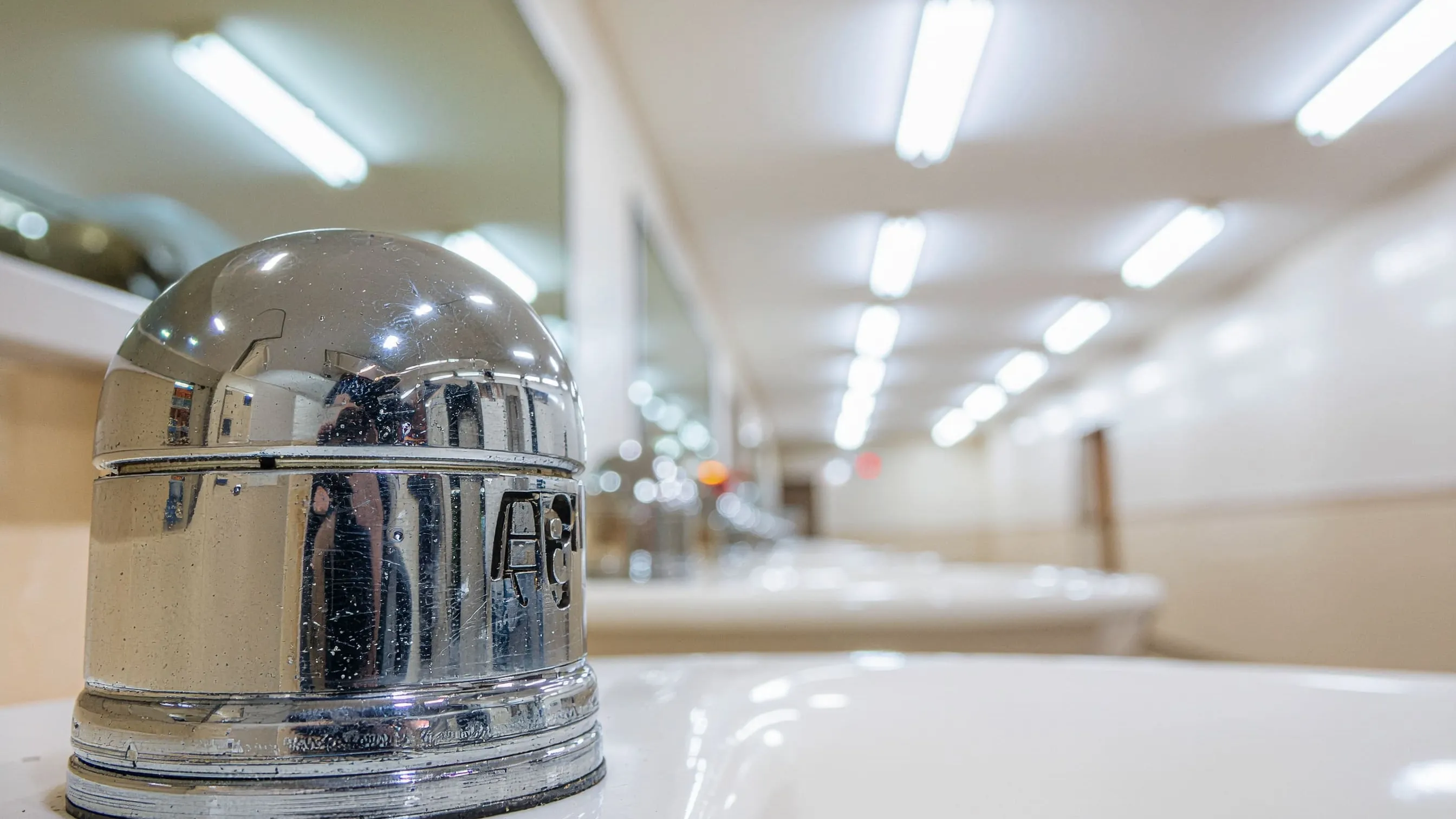
Public washrooms face intense daily usage and constant physical wear. Facility managers must balance aggressive water conservation targets with strict user accessibility guidelines outlined in the Equality Act. A traditional twist-turn knob can be physically impossible for an elderly user, a young child, or someone with severe arthritis to operate effectively.
By upgrading to non-concussive taps, you guarantee that every visitor can wash their hands safely and independently without struggling with tight mechanical valves. These specialised fixtures completely eliminate the risk of users leaving the water running. This makes them an essential component for achieving high sustainability ratings and maintaining rigorous hygiene standards in modern commercial builds.
Furthermore, selecting fully WRAS approved fixtures ensures complete compliance with UK water regulations. This critical certification actively prevents costly failures during mandatory site inspections.
Understanding the Internal Mechanics
The core of this technology relies on a highly reliable time-flow mechanism. When a user presses the tap head, it opens the internal valve and compresses a heavy-duty internal spring.
Think of a time-flow mechanism exactly like a heavy pneumatic door closer on a fire exit. Just as the door closer uses trapped air to slowly pull the heavy door shut over a set period, the tap uses water displacement to slowly close the valve against the spring tension. The team at Heating and Plumbing World supplies a vast selection of these precision-engineered commercial fixtures to meet your exact building requirements.
This mechanical action creates a precise push-button time delay that dictates exactly how long the water runs. You can typically adjust this push-button time delay between five and fifteen seconds depending on the specific washroom traffic.
If the basin sits in a hospital clinical room, a longer flow allows for thorough medical hand washing. Fortunately, the internal cartridge is a single, fully replaceable unit. If hard water scale ruins the calibration, you can simply drop in a new cartridge instead of replacing the entire expensive brass body.
Managing System Flow and Pressure
These fixtures rely entirely on hydraulic resistance to function correctly. If the dynamic water pressure at the basin drops below the manufacturer required minimum, typically 0.5 to 1.0 bar, the internal spring will slam the valve shut instantly. Conversely, excessive dynamic water pressure will keep the valve stuck open, wasting thousands of litres a day.
To ensure consistent performance across a large washroom block, you must carefully calculate the overall water flow capacity for the entire facility. To hit strict commercial sustainability targets like BREEAM, you must also specify strict volume limits. Installing three or five litres per minute restrictors guarantees optimal water conservation alongside the timed shut-off.
If the mains feed struggles to maintain the required bar rating, integrating a reliable water pressure pump helps stabilise the delivery network. A dedicated booster ensures that even when five basins are used simultaneously, the final tap in the run still delivers a powerful, consistent spray. Securing this stable flow is a fundamental requirement before you even begin the first fix.
Defending Against Vandalism and Abuse
Public facilities endure massive physical abuse compared to standard residential bathrooms. Specifying a vandal-resistant aerator on the spout prevents malicious users from unscrewing the fitting and stealing the internal flow restrictors. A premium vandal-resistant aerator requires a specialised security key for removal, keeping the water stream perfectly shaped and protecting the internal cartridge from tampering.
On a recent fit-out at a busy football stadium, the contractor installed standard domestic aerators to save on upfront costs. After just three home games, vandals had stripped the nozzles from twenty basins, causing water to spray wildly across the floors. Upgrading to heavy-duty commercial spouts fixed the massive slip hazard immediately.
Furthermore, commercial taps feature robust anti-rotation pins that lock the brass body deeply into the ceramic basin. This prevents users from forcefully twisting the entire unit and snapping the push fit copper fittings hidden beneath. This highly robust construction protects the delicate time-flow mechanism inside from severe torsional damage.
Infection Control and Cross-Contamination
Accessibility isn't just about physical mobility; it also heavily encompasses health and hygiene. Traditional cross-head taps require a user to touch the handle with dirty hands to turn the water on, and then touch that exact same contaminated handle with clean hands to turn it off. This creates a severe cross-contamination risk in highly trafficked environments like motorway service stations.
The automated shut-off feature completely breaks this chain of infection. A user simply presses the top dome with the palm of their hand, washes thoroughly, and walks away. When supplying warm water to these automated commercial fixtures, the feed usually comes from a centralised hot water storage system.
This water must be pre-blended by a TMV3 valve to a strict maximum of 41 degrees Celsius. You must install this blending valve as close to the tap tails as physically possible. This critical placement eliminates warm water dead legs, completely removing the breeding ground for dangerous Legionella bacteria.
Pipework Integration and Water Hammer
Because these non-concussive taps close automatically and rapidly, they create sudden pressure spikes in the pipework known as water hammer. Water hammer occurs when high dynamic water pressure suddenly stops, sending a violent shockwave back down the line. If not mitigated by installing dedicated water hammer arrestors, these hydraulic shockwaves will literally rattle weak joints apart.
You must secure the concealed pipe runs using heavy-duty connections to withstand these intense, repetitive forces safely. Using high-quality commercial components prevents catastrophic leaks behind tiled walls.
Furthermore, under Building Regulations Part M, installing adequate pipework insulation across the network is mandatory. This strict regulation serves to prevent heat loss and protect wheelchair users from accidental contact burns. If a user's legs brush against the exposed feeds under a wall-hung basin, proper lagging guarantees they won't suffer a thermal injury.
Commissioning and Routine Maintenance
Installing the hardware is only the first part of the job; rigorous commissioning is where you prove the system's viability. Once the water is live, you must physically test every single basin with a digital stopwatch. You aren't just looking for leaks; you are carefully verifying that the mechanical shut-off times are completely uniform across the room.
During the initial system flush, construction debris like solder flakes or sealing tape often travels down the pipes. This debris will instantly clog the fine mesh strainers located just before the tap cartridge. Sourcing premium heating plumbing supplies ensures the entire delivery network remains robust and protected.
However, if you don't flush the system thoroughly before fitting the final tap heads, you'll still spend hours stripping down brand-new units. Taking the time to properly clear the lines prevents immediate cartridge failure and reduces frustrating callbacks.
Conclusion
Specifying the right hardware for a public washroom requires a deep understanding of hydraulic physics and unpredictable user behaviour. Reliable non-concussive taps provide the ultimate balance between strict hygiene, aggressive water conservation, and rigorous accessibility standards. A properly calibrated push-button time delay ensures every user gets exactly the right amount of water without any unnecessary waste.
Combining a solid brass body with a vandal-resistant aerator protects the client's investment for decades. Always verify the operating pressure limits and flow requirements before finalising your component selection. If you need help matching the correct commercial hardware to your existing plumbing network, reach out to our experts today for professional technical support.