

Oil Filter Cartridges: When to Replace for Optimal Performance
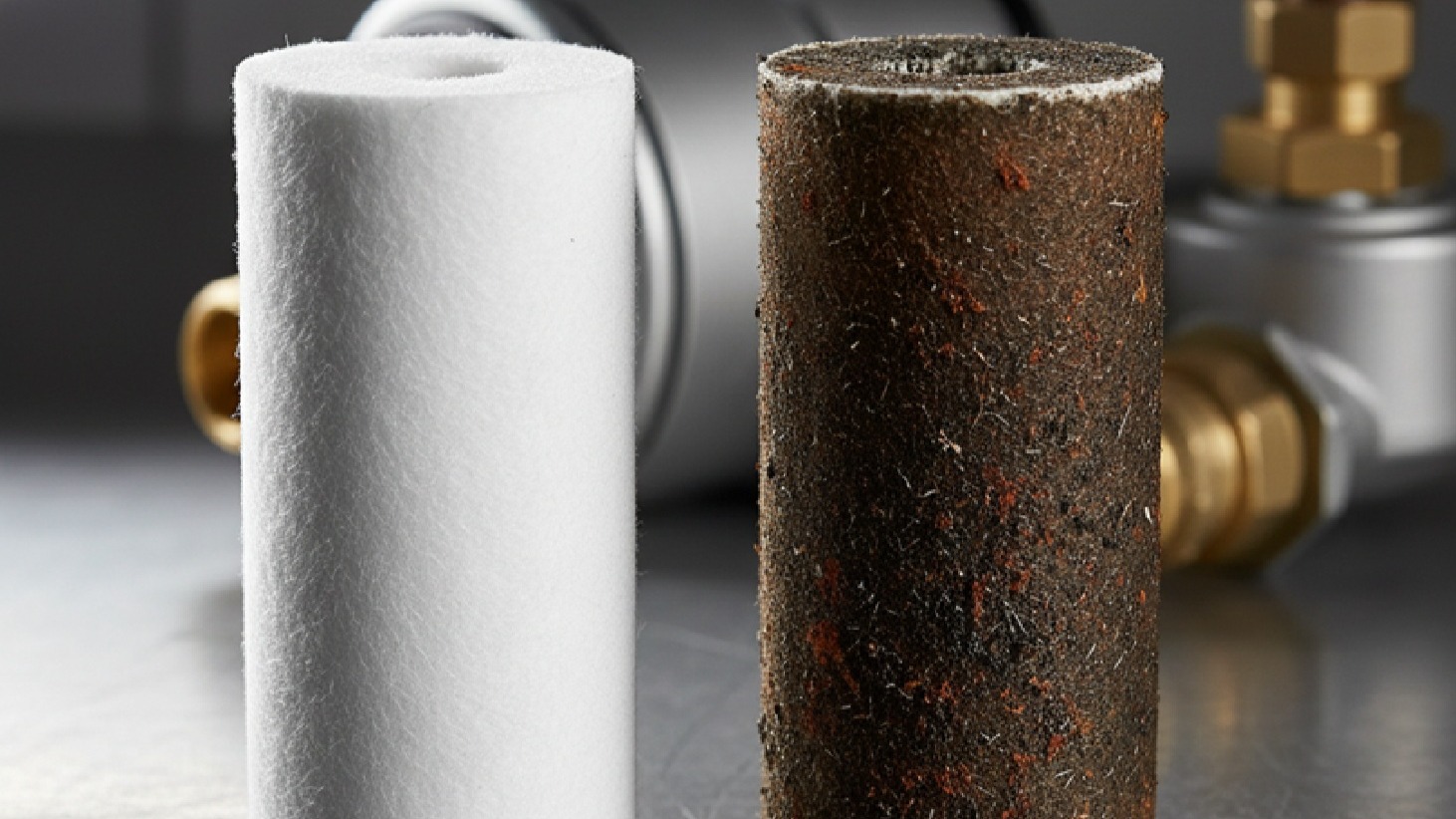
Your oil-fired boiler works tirelessly through winter, keeping your home warm and comfortable. Yet most homeowners never think about the small component that protects the entire system from damage: the oil filter cartridge. This unassuming part prevents contaminants from reaching your burner, but when it fails, repair bills can quickly spiral into hundreds or even thousands of pounds.
The question isn't whether you should replace your oil filter cartridge, but when. Get the timing wrong, and you risk reduced efficiency, increased fuel consumption, and potentially catastrophic system failure. Get it right, and your heating system runs smoothly for years.
What Oil Filter Cartridges Actually Do
Oil filter cartridges trap impurities before they reach your boiler's burner assembly. These contaminants include water, rust particles, sediment, and biological growth that naturally accumulates in oil storage tanks. Even premium heating oil contains microscopic particles that, over time, build up and cause problems.
The filter housing sits between your oil tank and boiler, typically in the feed line. Inside this housing, the cartridge acts as a barrier. Clean oil passes through while debris gets trapped in the filter media. As the cartridge captures more contaminants, flow resistance increases until eventually, the filter becomes so clogged that oil can't pass through efficiently.
Think of it like a coffee filter. The first few cups brew quickly, but as grounds accumulate, water takes longer to drip through. Your oil filter works the same way, except the consequences of a blocked filter extend far beyond a slow morning cuppa.
Signs Your Oil Filter Cartridge Needs Replacing
Boiler Cutting Out
Your boiler keeps cutting out. When a filter becomes heavily clogged, insufficient oil reaches the burner. The boiler's safety mechanisms detect this and shut down the system. You might get heat for a few minutes before it cuts out again. This stop-start pattern indicates the pump is struggling to draw oil through a blocked filter.
Increased Fuel Consumption
You notice increased fuel consumption. A partially blocked filter forces your burner to work harder, often running longer cycles to achieve the same heat output. Some homeowners report fuel usage increasing by 15-20% before they realise the filter needs changing. That's potentially £200-300 extra per year on a typical household heating bill.
Unusual Noises
The burner makes unusual noises. Gurgling, whining, or rattling sounds from your oil burner often indicate air being drawn into the system alongside oil. This happens when a blocked filter creates enough vacuum to pull air past seals and connections. Air in the fuel line causes incomplete combustion and eventual lockout.
Oil Odour
You smell oil near the boiler. A severely blocked filter can cause pressure build-up in the system. This pressure sometimes forces oil past seals, creating leaks. Even a small oil leak poses fire risks and definitely warrants immediate attention.
Warm Filter Housing
The filter housing feels warm or hot. Restricted oil flow generates friction and heat. If your filter housing feels notably warm to the touch, the cartridge is likely restricting flow significantly.
Recommended Replacement Intervals
Most heating engineers recommend replacing oil filter cartridges annually, typically during your boiler's annual service. However, this one-size-fits-all soil filter replacement schedule doesn't account for varying conditions that affect filter life.
Tank Age Considerations
Tank age matters significantly. Older steel tanks (20+ years) shed more rust and sediment. If your tank dates back to the 1990s or earlier, consider replacing filters every six months. Newer plastic tanks produce fewer contaminants, potentially extending filter life to 18 months in ideal conditions.
Oil Quality Impact
Oil quality varies by supplier. Premium heating oil from reputable suppliers contains fewer impurities than cheaper alternatives. While saving 2p per litre might seem attractive, poor-quality oil can halve your filter's lifespan, costing more in replacement cartridges and potential repairs.
Usage Patterns
Usage patterns affect replacement timing. A system running constantly through winter accumulates contaminants faster than one used sporadically. Homes with high heating demands should stick to annual replacements at a minimum.
External Contamination
External contamination accelerates filter degradation. Water entering your tank through faulty seals or condensation dramatically reduces filter life. A tank inspection every few years prevents this issue.
Filters have been seen completely blocked after just three months in systems with severe tank contamination. Conversely, well-maintained systems with new tanks and quality oil sometimes run 18 months on a single cartridge without issues.
The Cost of Delaying Replacement
Putting off a £15 oil filter cartridge replacement can trigger a cascade of expensive problems. The burner nozzle, which atomises oil for combustion, becomes the first casualty. These precision components cost £30-50 to replace and fail rapidly when contaminated oil passes through.
Fuel Pump Damage
Next, the fuel pump suffers. These pumps aren't designed to handle debris, and particles can damage internal components. A replacement fuel pump costs £150-300 plus labour. One homeowner in Manchester learned this the hard way, ignoring filter warnings for two years. The eventual repair bill exceeded £800, all preventable with £30 worth of annual filter changes.
Photocell Contamination
Contaminated oil also damages the photocell, the safety component that detects flame. These sensors become coated with soot from incomplete combustion, causing nuisance lockouts. Although relatively inexpensive (£40-60), the inconvenience of repeated breakdowns during cold weather adds stress and emergency callout fees.
Heat Exchanger Impact
The most severe consequence affects the heat exchanger itself. Contaminated oil burns inefficiently, creating soot deposits throughout the combustion chamber and heat exchanger passages. Professional cleaning costs £200-400, and severe cases require complete heat exchanger replacement at £600-1,200.
Different Types of Oil Filter Cartridges
Standard Felt Cartridges
Standard felt cartridges remain the most common type. These disposable filters use layered felt material to trap particles down to about 60-100 microns. They're inexpensive (£8-15), readily available, and adequate for most domestic installations. Replace these annually without attempting to clean them.
High-Efficiency Synthetic Cartridges
High-efficiency synthetic cartridges capture particles as small as 10-30 microns. Costing £15-25, these filters provide superior protection for modern, high-efficiency boilers with sensitive components. The extra investment makes sense if you've recently installed a new boiler or struggle with tank contamination issues.
Reusable Mesh Filters
Reusable mesh filters feature stainless steel or brass mesh that you can clean and reuse. Initially more expensive (£30-60), they eliminate ongoing cartridge costs. However, cleaning them properly requires time and care. Most homeowners find disposable cartridges more practical.
Combination Filter-Water Separators
Combination filter-water separators address two problems simultaneously. These units trap solid contaminants during the separation of water from oil through a bowl design. They cost more (£40-80 for cartridges) but prove invaluable in areas with high humidity or older tanks prone to condensation.
Match your filter type to your system's needs. A 15-year-old boiler with a 30-year-old tank benefits from high-efficiency filtration. A three-year-old system with a new plastic tank works fine with standard cartridges. When sourcing replacement parts, established suppliers like Danfoss offer reliable filtration components designed for heating systems.
How to Check Your Filter Between Services
You don't need professional qualifications to monitor your oil filter cartridge condition. A simple monthly check takes five minutes and prevents most filter-related problems.
Visual inspection: Check the filter housing for oil stains or dampness indicating leaks. Look for rust or corrosion on metal housings.
Pressure gauge reading: If your system has a pressure gauge (many don't), monitor the reading. A gradual increase in vacuum pressure indicates filter restriction building up.
Listen to your boiler: Become familiar with normal operating sounds. Changes in noise patterns often provide early warning of filter problems.
Monitor fuel consumption: Keep a rough track of oil deliveries. A sudden increase in consumption often traces back to reduced system efficiency from a blocked filter.
Proper Replacement Procedure
Replacing an oil filter cartridge requires care but isn't particularly complex for anyone comfortable with basic DIY. Always turn off the boiler and close the oil supply valve before starting work.
Place a container under the filter housing to catch residual oil. Most housings hold 0.5-1 litre, which will drain when you open them. Remove the filter bowl or housing cover; some use a large centre bolt, others have a screw-on bowl.
Lift out the old cartridge and inspect it. Heavy contamination indicates tank problems requiring investigation. Moderate dirt accumulation is normal. Clean the housing interior and sealing surfaces with a lint-free cloth.
Install the new cartridge according to the manufacturer's instructions. Some cartridges have specific orientation requirements. Replace the O-ring seal if your filter uses one; reusing old seals almost guarantees leaks. Professional pipe fittings and seals ensure reliable connections throughout your heating system.
Reassemble the housing, tightening to the specified torque. Too loose causes leaks; too tight can crack plastic housings. Open the oil supply valve and check for leaks before restarting the boiler.
Bleed air from the system if necessary. Some systems self-purge, others require manual bleeding at the burner. The entire process takes 15-20 minutes when done properly. Many heating engineers include filter replacement as part of annual servicing, recognising its importance for system longevity if yours doesn't, request it specifically.
Tank Maintenance Reduces Filter Burden
Your oil tank's condition directly impacts filter lifespan. A well-maintained tank produces minimal contamination, extending filter life and improving overall system reliability.
Tank Bottom Sampling
Install a tank bottom sampler. These simple devices let you draw oil samples from the tank bottom, where water and sediment accumulate. Check samples every six months. Clear, bright oil indicates good tank condition. Cloudy oil or visible water suggests problems requiring attention.
Biological Treatment
Consider tank bottom treatment. Biological growth (diesel bug) thrives in the water-oil interface at tank bottoms. Biocide treatments eliminate this growth, preventing the sludge that quickly clogs filters. Annual treatment costs £30-50 but saves considerably more in filter replacements and system repairs.
Regular Inspections
Inspect tank condition regularly. External steel tanks should be painted and free from rust. Check the tank base for signs of leakage or deterioration. Internal tank inspections every 5-10 years identify problems before they affect your heating system.
Tank Upgrades
Upgrade old tanks proactively. Steel tanks typically last 20-25 years. Beyond this, rust and sediment production accelerate. Modern plastic tanks eliminate rust entirely, dramatically reducing filter contamination. During tank replacement costs £1,000-2,000, the investment pays dividends in system reliability and reduced maintenance.
Tank Positioning
Position tanks thoughtfully. Tanks in full sun experience greater temperature fluctuations, causing condensation inside. Shaded locations or tank insulation minimise this issue. Proper tank venting also reduces moisture accumulation.
Integration With Modern Heating Systems
Today's condensing oil boilers achieve efficiency ratings above 90%, but this performance depends on clean fuel delivery. These high-efficiency systems use more sophisticated burners with tighter tolerances than older models. Contamination that an old boiler tolerated will shut down a modern system.
Many newer installations use two-stage filtration: a primary filter at the tank and a secondary filter near the boiler. This belt-and-braces approach provides extra protection for expensive equipment. The tank filter catches bulk contamination during the boiler filter, handling finer particles.
Some systems incorporate filter condition sensors that alert homeowners to blockage before performance degrades. These smart monitoring systems integrate with home automation, sending notifications to your phone when filter replacement becomes necessary. By adding complexity, they prevent the inconvenience of unexpected breakdowns.
When upgrading heating systems, matching filtration to equipment specifications prevents problems. Modern burners from manufacturers like Andrews and Morco require specific filtration standards. Your heating engineer should specify appropriate filter types during installation.
Environmental and Safety Considerations
Used oil filter cartridges contain hazardous materials and require proper disposal. Don't bin them with household waste. Most heating engineers dispose of old filters as part of their service, but if you're handling your own maintenance, take used cartridges to your local household waste recycling centre.
Oil leaks from failed filters pose environmental risks. Even small quantities contaminate soil and groundwater. If you discover an oil leak, contain it immediately with absorbent materials and arrange professional cleanup for anything beyond minor drips.
Regular filter maintenance also improves your heating system's environmental performance. Clean combustion produces fewer emissions. A well-maintained oil system running at peak efficiency generates significantly less carbon dioxide than one struggling with contaminated fuel.
Making Filter Replacement Part of Your Routine
The simplest approach? Include filter replacement in your annual boiler service following a proper soil filter replacement schedule. Schedule this service each autumn before heating season begins. Your engineer checks the entire system, replaces the filter, and ensures everything operates safely and efficiently.
Keep Records
Keep records of filter replacements. Note the date, filter type, and condition of the old filter. This history helps identify patterns. If filters consistently show heavy contamination, investigate tank condition. If they remain relatively clean, you might extend replacement intervals slightly, though annual changes remain best practice.
Stock Spares
Stock a spare filter cartridge. Having one on hand means your engineer can complete the service without delays if they arrive without the correct filter. Store it somewhere clean and dry. Filters cost the same whether you buy them in advance or during an emergency callout, but having one ready prevents inconvenience.
For comprehensive heating system maintenance, quality replacement parts matter. Whether you need filtration components or pumps from Grundfos, sourcing from reputable suppliers ensures compatibility and reliability.
When Professional Help Becomes Essential
Some filter-related situations require immediate professional attention. Don't attempt DIY fixes for these scenarios:
Persistent lockouts after filter replacement suggest deeper system problems. Air in the fuel line, burner component failure, or tank contamination issues need diagnostic expertise.
Oil leaks beyond minor seepage require professional assessment. Leaking oil poses fire risks and environmental hazards. A qualified technician identifies the source and implements proper repairs.
Unusual filter contamination patterns might indicate tank failure, fuel quality issues, or system component breakdown. Professional diagnosis prevents misguided repairs that waste money without solving the underlying problem.
Repeated rapid filter clogging points to severe tank contamination requiring professional tank cleaning or replacement. This isn't a filter problem but a fuel supply issue needing comprehensive solutions.
The Bottom Line on Filter Replacement
Oil filter cartridges represent one of the best value-for-money maintenance items in your heating system. A £15 part, replaced annually, protects thousands of pounds worth of equipment during maintenance of efficiency and reliability.
The replacement interval isn't complicated: change filters annually at a minimum, more frequently if your tank is old or you've experienced contamination issues. Watch for warning signs like boiler lockouts, increased fuel consumption, or unusual noises. These symptoms indicate filter problems requiring immediate attention.
Don't view filter replacement as optional maintenance. It's essential preventive care that pays for itself many times over through avoided repairs, maintained efficiency, and extended equipment life. The homeowners who never think about their heating system are usually the ones who maintain it properly, including regular filter changes.
Your heating system works hard keeping your home comfortable through British winters. Give it the clean fuel it needs by maintaining proper filtration. Schedule that annual service, ensure filter replacement forms part of it, and enjoy reliable, efficient heating year after year. The small investment in regular filter changes delivers returns in comfort, savings, and peace of mind that far exceed the minimal cost involved.
For reliable oil filter cartridges and comprehensive heating system components, Heating and Plumbing World stocks filtration products suitable for domestic and commercial oil-fired systems. Professional-grade filters ensure clean fuel delivery to protect expensive burner components. Quality heating controls from Honeywell and EPH Controls coordinate system operation for maximum efficiency. For technical guidance on oil filter cartridge selection, proper soil filter replacement schedule for your specific system, or advice on tank maintenance, experienced heating engineers can provide support on preventive maintenance that protects your heating investment.