

Oil-fired Boilers for Rural Properties Without Mains Gas
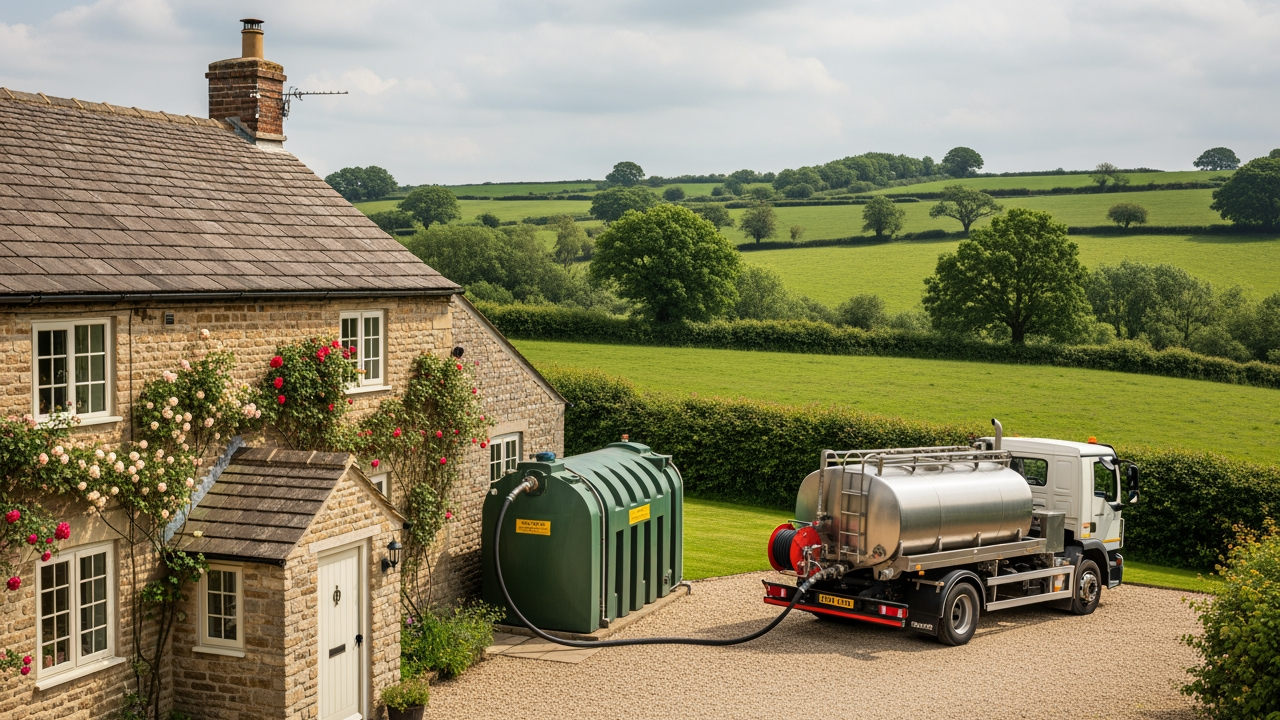
Around 1.5 million UK homes rely on heating oil because they're beyond the reach of the mains gas network. For rural properties, oil-fired boilers remain the most practical heating solution, delivering reliable warmth without the infrastructure constraints that limit other fuel sources.
The gap between rural and urban heating options creates specific challenges. Properties in countryside locations need heating systems that work independently, handle varying fuel delivery schedules, and perform reliably during the coldest months when access may be limited.
Why Rural Properties Choose Oil-fired Heating
Mains gas coverage stops at the edge of most towns and villages. Extending the gas network to isolated properties costs between £20,000 and £65,000 per connection, making it economically unviable for individual homes. This leaves rural homeowners weighing oil against alternatives like LPG, electric heating, or renewable systems.
Oil-fired boilers win this comparison for three reasons: fuel energy density, established infrastructure, and cost efficiency. Heating oil contains 10.35 kWh per litre, compared to 7.11 kWh per litre for LPG. A single oil delivery of 1,000 litres can heat a four-bedroom rural home for three to four months during winter, whereas LPG requires more frequent deliveries at a higher cost per kWh.
The infrastructure already exists. Rural areas have established oil delivery networks, competitive supplier markets, and service engineers familiar with oil systems. Installing an oil boiler connects you to this existing network rather than requiring new infrastructure investment.
How Modern Oil Boilers Work
Today's condensing oil boilers achieve efficiency ratings above 90% AFUE (Annual Fuel Utilisation Efficiency). They extract heat from combustion gases that older non-condensing models wasted, recovering energy from water vapour as it condenses.
The combustion process starts when the boiler pump draws heating oil from your storage tank. An atomising nozzle sprays the oil as a fine mist into the combustion chamber, where it mixes with air and ignites. The resulting flame heats water circulating through the heat exchanger.
Modern boilers use two heat exchangers. The primary exchanger captures direct combustion heat, whilst the secondary condenser extracts additional energy from exhaust gases. This two-stage process drops exhaust temperatures from around 200°C to below 60°C, recovering heat that would otherwise escape through the flue.
Electronic controls monitor water temperature, adjust fuel delivery, and modulate burner output to match heating demand. This prevents the on-off cycling that wastes fuel in older systems. When your home needs less heat, the boiler reduces output rather than switching off completely.
Choosing the Right Boiler Size
Undersized boilers run constantly and struggle during cold snaps. Oversized units cycle frequently, reducing efficiency and increasing wear. Getting the size right matters.
Heat loss calculations account for:
- Wall, roof, and floor insulation values
- Window area, glazing type, and orientation
- Room volumes and ceiling heights
- Design outdoor temperature for your location
- Hot water demand for a household of a size
Most rural properties need between 15 kW and 35 kW output. A well-insulated three-bedroom home typically requires 18-24 kW, whilst older stone properties with solid walls may need 28-35 kW. These figures assume the boiler handles both space heating and domestic hot water.
Hot water demand gets calculated separately. A household of four people needs a boiler that can deliver approximately 35 litres of hot water per minute at 60°C, which translates to roughly 10 kW dedicated to hot water production. This gets added to the space heating requirement.
External boilers housed in outbuildings need higher output ratings to compensate for heat loss in pipe runs. Add 2-3 kW to your calculated requirement if pipes run more than 10 metres through unheated spaces.
Storage Tank Requirements and Regulations
Oil storage tanks range from 1,200 to 3,500 litres for domestic properties. A 2,500-litre tank suits most four-bedroom homes, providing 6-8 weeks of heating during winter without requiring frequent deliveries.
Current regulations mandate specific installation standards. Tanks must sit on a concrete base or paving slabs providing stable, level support. Single-skin steel tanks require secondary containment, either an integrally bunded tank (tank within a tank) or a masonry bund wall capable of holding 110% of tank capacity.
The bund prevents oil from escaping if the tank fails. Environmental regulations treat heating oil spills seriously, with cleanup costs reaching £10,000-£30,000 for soil contamination. Insurance companies increasingly require bunded tanks, and some refuse coverage for single-skin installations.
Position tanks at least 1.8 metres from buildings, avoiding locations under eaves where snow and ice could fall. The tank needs vehicle access for delivery tankers, typically within 30 metres of where the delivery lorry can park. Pumping oil beyond this distance incurs additional charges.
Fire separation rules require 1.8-metre clearance from oil-fired appliances, non-fire-rated buildings, and boundary lines. If you can't achieve this distance, install a fire-resistant barrier wall extending at least 300mm above and to each side of the tank.
Installation Considerations for Rural Sites
Oil boiler installation in rural locations faces complications that urban properties avoid. Limited access affects equipment delivery and installation logistics. Boiler units weighing 150-200 kg need clear routes from the road to the installation location. Narrow lanes, low bridges, or weak ground conditions may require smaller delivery vehicles or manual handling equipment.
Flue positioning becomes critical when neighbouring properties sit close by. Flue gases must discharge at least 600mm from windows, doors, or ventilation openings. For properties with thatched roofs, common in rural areas, flues need additional height clearance and sometimes spark arrestors to prevent fire risk.
Power supply quality varies in rural locations. Oil-fired boilers need stable 230V electricity for controls, pumps, and ignition. Properties experiencing frequent power cuts should consider battery backup systems or unvented hot water cylinders that maintain heat during outages. Gledhill and Kingspan manufacture cylinders suitable for systems with an intermittent power supply.
Water quality affects system longevity. Rural properties using private boreholes or wells may have hard water, elevated iron content, or acidic pH levels. These conditions accelerate corrosion in heat exchangers and pipework. Installing a water treatment system, either magnetic scale inhibitors or full softeners, protects your investment.
Running Costs and Fuel Management
Heating oil prices fluctuate with crude oil markets, averaging £0.50-£0.70 per litre over recent years. A typical four-bedroom rural home uses 2,000-3,000 litres annually, creating heating costs of £1,000-£2,100 per year.
This breaks down to roughly 300-400 litres per month during winter (November-March) and 50-100 litres monthly in summer for hot water only. Actual consumption depends on insulation quality, thermostat settings, and occupancy patterns.
Buying strategies affect costs significantly. Spot purchasing when you need fuel means paying current market rates. Forward purchasing locks in prices for future delivery, protecting against price rises but potentially costing more if prices fall. Many oil clubs aggregate demand from multiple properties to negotiate bulk discounts of 2-5 pence per litre.
Monitor your tank gauge weekly during winter. Running out of oil requires bleeding air from the fuel lines before the boiler restarts, a service call costing £80-£150. Some suppliers offer automatic top-up services, delivering oil when your tank reaches a preset level.
Maintenance Requirements
Annual servicing keeps oil-fired boilers running efficiently and safely. During a service, engineers clean the burner nozzle, inspect the combustion chamber, test flue gas emissions, check fuel pump pressure, and verify control operation. This costs £100-£150 and prevents the gradual efficiency decline that adds 10-15% to fuel costs over three years.
Oil boilers accumulate soot and carbon deposits that reduce efficiency. The photocell, which monitors flame presence, gets coated with soot and fails to detect the flame, causing lockouts. Cleaning this component takes five minutes but prevents emergency callouts.
Fuel filters need to be changed annually. These cartridges remove water and sediment from heating oil before it reaches the burner. Blocked filters restrict fuel flow, causing poor combustion, smoking, and eventually preventing ignition.
The fuel line from the tank to the boiler should be checked for leaks, especially at compression fittings. A small leak dripping one drop per minute wastes 15 litres per year and creates fire risk. Copper fuel lines last 20-30 years; plastic lines may degrade faster when exposed to sunlight.
Tank maintenance matters equally. Check the bund for water accumulation; rainwater collecting in the outer tank suggests seal failure. Inspect the tank base for rust or corrosion, particularly around the legs and welded seams. Steel tanks last 15-20 years; plastic tanks endure 25-30 years.
Upgrading From Older Systems
Properties with boilers over 15 years old waste 20-30% of fuel compared to modern condensing models. An older boiler rated at 70% efficiency, burning 3,000 litres annually, costs approximately £1,800 at £0.60 per litre. Upgrading to a 92% efficiency condensing boiler reduces consumption to 2,280 litres, cutting costs to £1,370, a £430 annual saving.
The upgrade investment ranges from £3,500 to £5,500, depending on system complexity and whether you're replacing like-for-like or relocating the boiler. At £430 annual savings, payback occurs in 8-13 years, but factor in avoided repair costs on the ageing system.
Older systems often need accompanying upgrades. Non-condensing boilers work with higher flow temperatures (80-90°C), which condensing boilers don't require. Reducing flow temperature to 65-70°C allows condensing operation but may require larger radiators to deliver the same heat output. Myson manufactures radiators optimised for lower flow temperatures.
System controls deserve attention during upgrades. Adding weather compensation adjusts boiler temperature based on outdoor conditions, improving efficiency by 8-12%. Programmable thermostats with separate zone control prevent heating unused rooms, particularly valuable in larger rural properties. Honeywell and Danfoss offer control systems compatible with oil boiler installations.
Alternative Heating Options Comparison
LPG boilers function similarly to oil systems but use liquefied petroleum gas stored in tanks. LPG costs £0.70-£0.90 per litre with lower energy density than oil, making it 15-25% more expensive to run. Choose LPG only where oil delivery access proves impossible or local planning restrictions prohibit oil storage.
Air source heat pumps extract heat from outdoor air and deliver it indoors. They work in rural locations but require electricity at £0.24-£0.30 per kWh. Running costs match or slightly exceed oil heating, though government incentives through the Boiler Upgrade Scheme provide £7,500 towards installation. Heat pumps suit well-insulated properties with underfloor heating or oversized radiators. Older rural properties with solid walls and standard radiators see poor performance and high running costs.
Biomass boilers burn wood pellets or logs, offering renewable heating with Boiler Upgrade Scheme payments of £5,000. Pellet boilers need dry fuel storage, weekly hopper filling, and monthly ash removal. Annual fuel costs run £800-£1,200 for pellets, but installation costs reach £14,000-£20,000. Suitable for properties with space for fuel storage and a commitment to handling solid fuel.
Electric heating via storage heaters or direct electric radiators costs £0.24-£0.30 per kWh. A property using 20,000 kWh annually for heating faces £4,800-£6,000 in electricity costs, roughly triple the cost of oil heating. Electric heating makes sense only for very small properties or those with exceptional insulation, reducing heat demand below 8,000 kWh annually.
Future-proofing Rural Heating
Government policy aims for net-zero emissions by 2050, creating uncertainty around oil heating's future. Current proposals suggest no new oil boiler installations after 2035, though existing systems can continue operating and be repaired.
HVO (Hydrotreated Vegetable Oil) offers a renewable drop-in replacement for kerosene heating oil. Made from waste fats and vegetable oils, HVO reduces carbon emissions by 88% compared to fossil heating oil. Existing oil boilers run on HVO without modification, though it currently costs 10-15% more than standard heating oil.
Blending conventional heating oil with HVO provides a transitional approach. Some suppliers now offer 30% HVO blends at modest price premiums, reducing emissions whilst maintaining fuel availability and pricing stability.
For properties planning long-term improvements, installing an oil boiler now, while improving insulation, prepares for future heat pump installation. Better insulation reduces heat demand, allowing smaller, more efficient heat pumps to work effectively. The oil boiler serves as backup during extreme cold when the heat pump's efficiency drops.
Hybrid systems combining oil boilers with heat pumps deliver immediate efficiency gains. The heat pump handles base heating demand during mild weather, whilst the oil boiler supplements during cold periods. This approach cuts oil consumption by 40-60% whilst maintaining comfort and reliability.
Conclusion
Oil-fired boilers provide the most practical heating solution for rural properties beyond the gas network. Modern condensing models deliver over 90% efficiency, reliable performance through harsh winters, and running costs competitive with alternative fuels. The established infrastructure of oil suppliers, service engineers, and equipment manufacturers supports rural homeowners with proven technology.
Proper system sizing, quality oil boiler installation, and annual maintenance ensure efficient operation and 15-20 year service life. Whilst future policy changes may restrict new installations after 2035, current investments remain sound through renewable fuel developments like HVO and the option to add heat pumps later as hybrid systems.
For rural properties needing heating now, oil-fired boilers balance immediate practicality with future flexibility. The technology works, the infrastructure exists, and the fuel remains available at reasonable cost, making it a realistic choice for countryside homes without mains gas access.
Heating and Plumbing World stocks components and controls for oil heating systems from leading manufacturers. For technical advice on oil boiler installation for your rural property, contact us to discuss your specific requirements.