

Oil Storage Tank Regulations: Bunded vs Single Skin
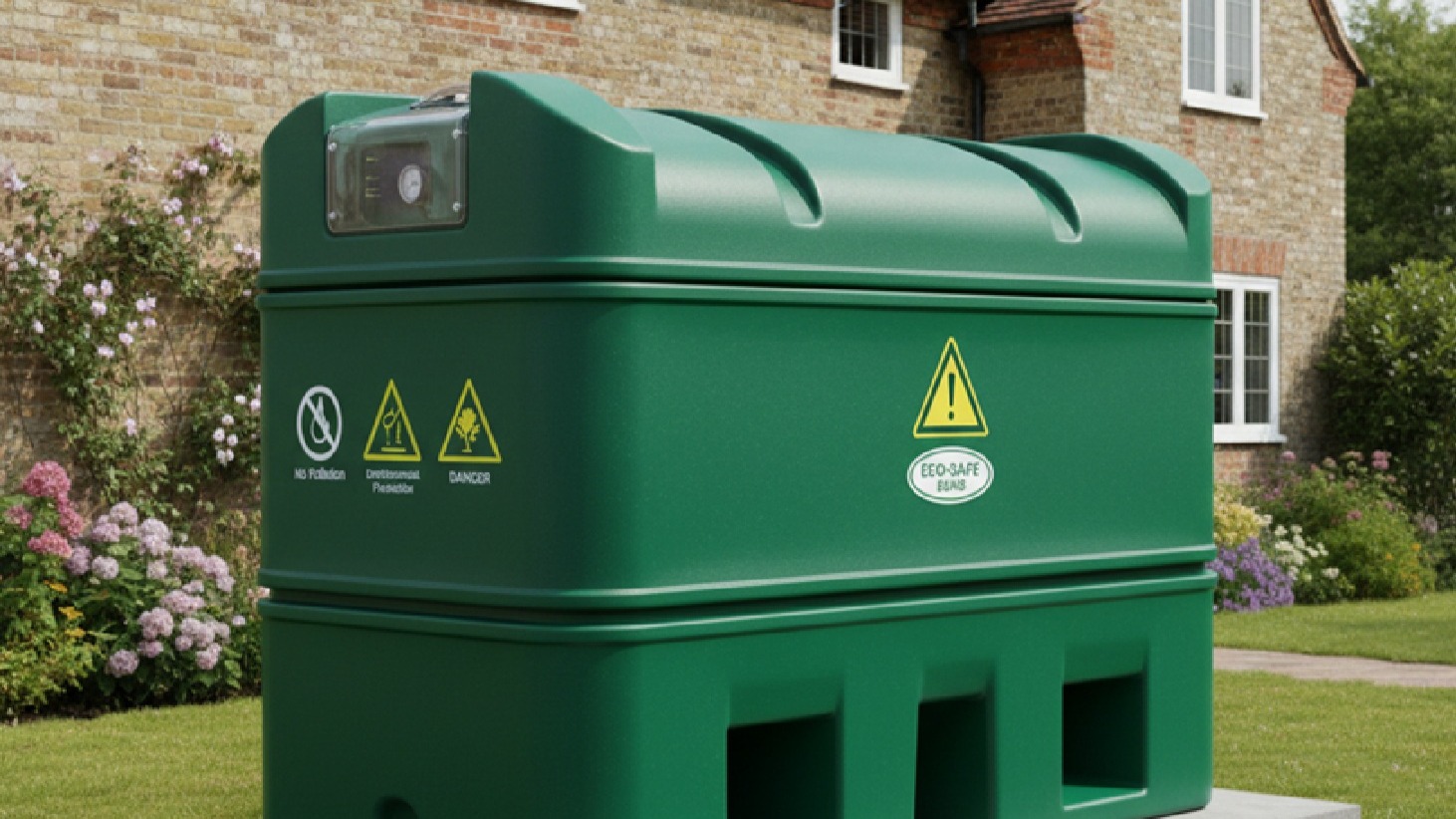
Storing heating oil safely isn't just about following rules; it's about protecting your property, the environment, and your wallet from potentially devastating spills. With regulations tightening across the UK and hefty fines for non-compliance, choosing between a bunded or single-skin oil tank has become a critical decision for homeowners and businesses alike.
The difference between these two tank types goes beyond price tags. Whilst single-skin tanks offer a straightforward storage solution, bunded tanks provide double-wall protection that catches leaks before they become environmental disasters. Understanding current oil storage tank regulations and which tank suits your specific situation could save you thousands in fines and cleanup costs.
Current UK Oil Storage Tank Regulations
Oil storage tank regulations in the UK fall under the Control of Pollution (Oil Storage) (England) Regulations 2001, with similar rules in Scotland, Wales, and Northern Ireland. These regulations apply to anyone storing more than 200 litres of oil above ground at industrial, commercial, or institutional sites.
For domestic properties, the rules depend on your location and tank size. In England, you must follow regulations if you store more than 3,500 litres. In Scotland, any domestic tank over 2,500 litres falls under regulation. Wales and Northern Ireland have their own specific requirements that property owners must check with local authorities.
The Environment Agency enforces these regulations strictly. Non-compliance can result in fines up to £5,000 for minor breaches, whilst serious pollution incidents can lead to unlimited fines and criminal prosecution. Beyond legal penalties, cleanup costs for oil spills often reach tens of thousands of pounds, not to mention the environmental damage and impact on property values.
Key regulatory requirements include proper tank positioning (at least 1.8 metres from doors, windows, and boundaries), secure bases that extend beyond the tank footprint, and appropriate secondary containment for certain installations. Regular inspections and maintenance records have also become mandatory for many commercial installations.
Bunded Oil Tanks: The Double-Wall Solution
A bunded tank essentially consists of a tank within a tank, an inner container holding the oil, surrounded by an outer shell that acts as a safety net. This secondary containment must hold at least 110% of the inner tank's capacity, ensuring complete protection even if the primary tank fails catastrophically.
The construction typically uses either steel or plastic for both layers, with modern designs incorporating leak detection systems between the walls. Premium models from manufacturers like Kingspan feature integrated alarms that alert you to any breach in the inner tank before oil reaches the environment.
Bunded tanks offer peace of mind that single-skin alternatives simply cannot match. The outer bund catches any leaks from the inner tank, preventing soil contamination and protecting groundwater. This design also shields the oil from external damage, whether from vehicle impacts, vandalism, or corrosion. Think of it like a thermos flask, the double-wall design not only insulates but also protects the contents from external threats whilst containing any internal leaks.
Installation Requirements
Installation requires careful planning but follows straightforward principles. The tank needs a level concrete or paved base extending at least 300mm beyond all sides. Proper positioning ensures easy access for deliveries whilst maintaining required distances from buildings and boundaries. Most bunded tanks include factory-fitted outlets and gauges, simplifying the connection process.
Maintenance and Benefits
Maintenance proves remarkably simple compared to the protection offered. Annual visual inspections check for damage or deterioration, whilst the bund itself requires occasional cleaning to remove rainwater and debris. Many insurance companies now offer reduced premiums for properties with bunded tanks, recognising the significantly lower risk profile.
Quality heating components from Heating and Plumbing World ensure your oil storage system integrates properly with your heating equipment.
Single Skin Oil Tanks: Understanding the Limitations
Single-skin tanks consist of one wall between your heating oil and the environment. Whilst simpler in design and initially cheaper to purchase, they carry inherent risks that make them unsuitable for many installations under current regulations.
These tanks remain legal for some domestic installations, specifically those storing less than 2,500 litres in low-risk locations. However, even when permitted, single-skin tanks require additional protective measures. You'll need to install a separate bund wall or drip tray capable of holding 110% of the tank's capacity, effectively negating much of the initial cost saving.
The vulnerability of single-skin tanks becomes apparent over time. Corrosion, particularly at the base where water can collect, creates weak points that eventually fail. Impact damage from garden equipment or vehicles can cause immediate catastrophic leaks. Even high-quality steel tanks typically show signs of deterioration after 10-15 years, whilst plastic versions may degrade faster under UV exposure.
Insurance Implications
Insurance implications often surprise single-skin tank owners. Many insurers now exclude pollution claims from standard home insurance when oil escapes from non-bunded tanks. Those that do provide cover often impose substantial excesses and limited claim amounts, leaving homeowners exposed to significant financial risk.
For those with existing single-skin installations, retrofitting secondary containment becomes essential as regulations tighten. Options include constructing brick or concrete bund walls, installing prefabricated bund systems, or replacing the tank entirely with a bunded alternative. Given installation costs, many property owners find complete replacement more economical long term.
When Bunded Tank Regulations Become Mandatory
Bunded tank regulations mandate double-wall tanks in numerous situations, regardless of personal preference or budget constraints. Understanding these requirements prevents costly mistakes during installation or property purchases.
Commercial and Industrial Requirements
All commercial and industrial premises must use bunded tanks, with no exceptions based on volume stored. This includes farms, schools, hospitals, and any business premises. The regulations recognise the higher risk profile of commercial operations and the potential for more severe environmental damage.
Domestic Property Requirements
Domestic properties require bunded tanks when storing more than 2,500 litres within 10 metres of inland freshwaters or coastal waters. This distance increases to 50 metres for wells, boreholes, or springs. Properties within the groundwater Source Protection Zone 1 or 2 must use bunded tanks regardless of volume stored.
Location-Specific Requirements
Location-specific requirements add another layer of complexity. Tanks within 10 metres of land drains or storm drains need secondary containment. Those positioned where spilt oil could run into open drains, loose-fitting manhole covers, or hardstanding areas draining to surface water also require bunding.
Building control officers increasingly specify bunded tanks for new builds and major renovations, even when not strictly required by environmental regulations. This forward-thinking approach protects homeowners from future regulatory changes whilst potentially increasing property values.
The trajectory of environmental legislation points clearly toward universal bunding requirements. Scotland already requires bunded tanks for all new domestic installations, with England and Wales expected to follow. Installing a bunded tank now futureproofs your property against regulatory changes.
Cost Comparison and Long-Term Value
Initial purchase prices show bunded tanks costing 40-60% more than equivalent single-skin models. A 1,000-litre single-skin tank might cost £400-600, whilst a bunded version ranges from £700-1,000. However, this simplistic comparison overlooks crucial factors affecting total ownership costs.
Single-skin tanks requiring separate bunding quickly eliminate any price advantage. Constructing a concrete or brick bund wall for a 2,500-litre tank typically costs £1,500-2,500, exceeding the premium for an integral bunded tank. Prefabricated bund systems offer a cheaper alternative at £500-800 but lack the convenience and reliability of factory-built double-wall tanks.
Insurance Savings
Insurance savings with bundled tanks accumulate significantly over time. Annual premium reductions of £50-150 are common, whilst excess charges for pollution claims can reach £5,000 or more with single-skin tanks. Over a tank's 20-year lifespan, insurance benefits alone often justify the higher initial investment.
Replacement Cycles
Replacement cycles favour bunded tanks substantially. Quality bunded tanks from suppliers like Gledhill typically last 20-30 years with minimal maintenance. Single-skin tanks rarely exceed 15 years before requiring replacement, doubling lifetime costs when installation expenses are included.
Hidden Costs
Hidden costs of single-skin ownership include mandatory annual inspections in some regions (£150-250), higher maintenance requirements, and potential property devaluation. Estate agents report that properties with non-compliant oil storage can take longer to sell and achieve lower prices, particularly in environmentally sensitive areas.
Real-World Consequences of Non-Compliance
A cottage owner in rural Devon discovered the true cost of inadequate oil storage the hard way. His 15-year-old single-skin tank, positioned 8 metres from a small stream, developed a hairline crack at the base. Over three weeks, approximately 400 litres of heating oil seeped into the ground before the leak was noticed, triggered by an unusually high delivery requirement.
The Environment Agency investigation resulted in a £3,200 fine for non-compliant storage. Soil remediation costs reached £18,500. The stream required monitoring for two years at an additional £2,400. His insurance company denied the claim because the policy excluded pollution from non-bunded tanks. Total cost: £24,100, not counting the reputational damage and stress. A compliant bunded tank would have cost £850 installed; the leak would have been contained and immediately visible.
Making the Right Choice for Your Property
Selecting between bunded and single-skin tanks requires an honest assessment of your specific circumstances. Whilst regulations provide minimum requirements, choosing the most appropriate solution involves considering multiple factors beyond mere compliance.
Property Location
Property location remains the primary consideration. Rural properties distant from water sources and sensitive habitats face fewer restrictions, potentially allowing single-skin installations. However, even these locations benefit from bunded protection against accidental spills and the associated cleanup costs.
Future Plans
Future plans significantly impact the decision. Properties likely to be sold within five years should prioritise bunded tanks to avoid complications during sale. Those planning extensions or modifications near existing tanks must consider how changes might affect regulatory compliance.
Tank Size
Tank size influences the economic equation substantially. Smaller domestic installations (1,000-1,500 litres) show the smallest price differential between bunded and single-skin options. Larger tanks amplify both the cost difference and the potential consequences of failure, making bunded protection increasingly attractive.
Professional heating engineers consistently recommend bunded tanks for new installations. The marginal additional cost provides substantial protection against environmental damage, regulatory changes, and insurance complications. Quality systems from established manufacturers like Altecnic Ltd offer long-term reliability that justifies the investment.
Existing Installations
For existing single-skin installations, immediate replacement isn't always necessary. Regular professional inspections, appropriate insurance coverage, and planning for eventual replacement provide interim protection. However, any signs of deterioration should trigger immediate action to prevent environmental incidents.
Protecting Your Investment and Environment
The choice between bunded and single-skin oil tanks ultimately comes down to balancing immediate costs against long-term risks and benefits. Whilst single-skin tanks remain legal in specific circumstances, the direction of travel is clear: environmental protection and regulatory compliance increasingly demand the superior protection of bunded systems.
For new installations, bunded tanks represent the sensible choice. The additional upfront investment pays dividends through reduced insurance costs, longer service life, and protection against potentially devastating cleanup bills. With quality manufacturers offering comprehensive warranties and proven reliability, the peace of mind alone justifies the extra expense.
Existing single-skin tank owners should assess their situation carefully. Whilst immediate replacement might not be mandatory, understanding current oil storage tank regulations and planning for eventual upgrade prevents nasty surprises. Regular maintenance and inspection become even more critical with ageing single-skin systems.
Professional guidance on tank selection ensures your heating oil storage meets current and future bunded tank regulations. Access to leading manufacturers and expert technical knowledge helps you find the right solution for your property's specific needs. For specialist advice on oil storage compliance and installation, contact us for support from experienced heating engineers.