

Oil vs LPG Boilers: Running Cost Comparison for Off-Grid Homes
Off-grid heating isn't about choosing the greenest fuel or the most fashionable technology; it's about keeping your home warm without bankrupting yourself. For the 1.5 million UK homes not connected to mains gas, the question of oil versus LPG boilers comes down to hard numbers: fuel costs, efficiency, installation expenses, and long-term reliability.
Both fuels have their advocates. Oil boilers dominate rural heating, powering around 900,000 homes across Britain. LPG, meanwhile, serves roughly 200,000 properties, often positioned as the cleaner, more modern alternative. But cleaner doesn't always mean cheaper, and modern doesn't guarantee better value when you're filling a 1,200-litre tank every winter.
Choosing between these fuels is like picking the right van for your trade. One might have a lower sticker price, but if the miles per gallon are poor and the service intervals are short, you'll end up paying more over the life of the vehicle. You have to look at the total cost of ownership, not just the initial fill-up.
The real cost difference between oil versus LPG boilers isn't static. Fuel prices swing wildly, boiler efficiency varies between models, and your property's insulation plays a bigger role than most homeowners realise. A poorly insulated farmhouse might burn through £2,500 annually, whilst a well-sealed cottage with a condensing LPG unit could hit £1,800.
Current Fuel Costs: The Foundation Of Your Decision
Fuel prices dictate everything. As of early 2025, heating oil trades around 60 to 65p per litre when bought in bulk. LPG costs roughly 75 to 80p per litre for similar volumes. That 15 to 20p difference looks small until you multiply it across thousands of litres per year.
But there's a catch: LPG delivers more energy per litre than oil. One litre of LPG contains approximately 25.3 MJ of energy, whilst heating oil delivers around 35.9 MJ. This means you'll need roughly 40% more LPG by volume to match oil's heat output. Suddenly, that price gap narrows.
The energy content difference explains why direct litre-for-litre comparisons mislead. A 1,000-litre oil tank provides roughly 10,000 kWh of potential heat. To match that with LPG, you'd need around 1,400 litres. When you recalculate costs based on actual heat delivered, oil still edges ahead, but not by as much as the per-litre price suggests.
Boiler Efficiency: Where Your Money Actually Goes
A boiler's efficiency rating tells you how much of the fuel's energy becomes usable heat. Modern condensing boilers achieve 90 to 95% efficiency, recovering heat from exhaust gases that older models wasted. Non-condensing boilers, common in homes over 15 years old, typically manage 75 to 85%.
That 10 to 15% efficiency gap translates directly to your fuel bill. When you're comparing performance, it's vital to check the Seasonal Efficiency SEDBUK rating. This provides a much more accurate picture of real-world cycling losses and standby heat loss than a simple laboratory percentage. A boiler rated 92% efficient in lab conditions might deliver a lower Seasonal Efficiency SEDBUK across a full winter.
Condensing technology works by cooling exhaust gases below 55°C. This recovered energy pre-warms the system's return water, reducing the fuel needed. For this to work effectively, your heating controls must be configured for lower flow temperatures. If you're running your radiators at 80°C, your boiler won't condense as often as it should.
Annual Running Costs: The Real Comparison
Let's model a realistic scenario for a four-bedroom detached home with an annual heat demand of 21,000 kWh. Using a high-efficiency condensing oil boiler, the annual fuel cost would be approximately £1,415. For the same property using LPG, the cost rises to £2,449. That's a £1,034 annual difference. Over a 15-year boiler lifespan, oil saves over £15,000.
Now adjust for a modern, well-insulated home with a demand of 14,500 kWh. The gap narrows to £714 annually, but oil still wins. Better insulation reduces absolute costs for both fuels, but doesn't eliminate oil's structural price advantage. If you're looking to upgrade, ensure you have a hot water cylinder that's properly insulated to retain that generated heat.
Installation Costs: The Upfront Investment
Boiler prices vary by brand, but LPG units typically cost £200 to £400 more than equivalent oil models. A mid-range condensing oil boiler retails around £2,400. A comparable LPG unit costs closer to £2,800.
Installation labour is similar for either fuel, but total costs escalate if you need infrastructure changes. You'll often need to consider how your system distributes heat efficiently. Heating and Plumbing World can provide the necessary components for a full transition. Total installation for a new oil system typically ranges from £3,500 to £5,500.
One quirk of the market is the LPG tank rental model. Many suppliers offer free tank installation if you sign a multi-year supply contract. This looks attractive until you're locked into their pricing, which often runs 5 to 10p per litre higher than spot market rates. Over ten years, this LPG tank rental arrangement can cost thousands more than owning your tank outright.
Fuel Storage And Delivery: Practical Considerations
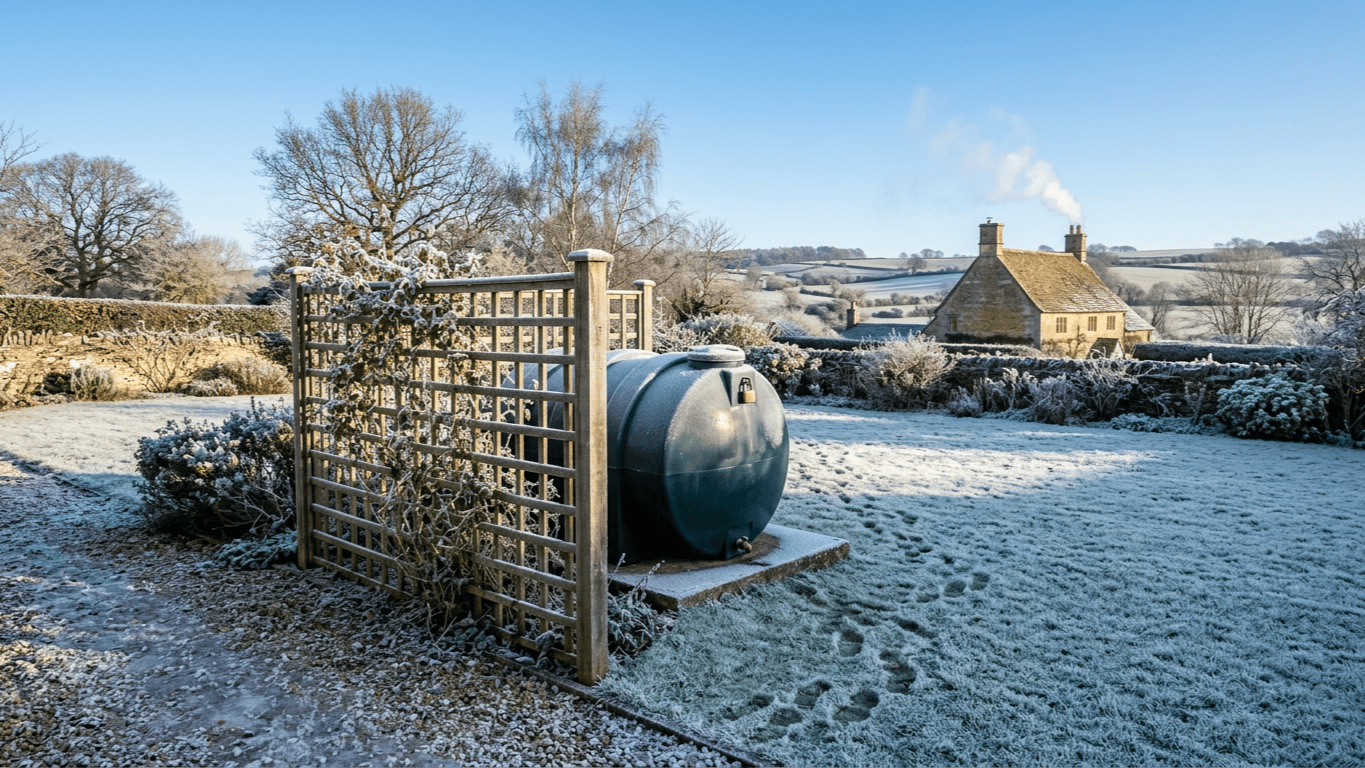
Kerosene fuel storage requires a bunded tank, which is double-walled to prevent leaks. Typical domestic tanks hold 1,200 to 2,500 litres and need specific clearance from buildings. You'll order bulk deliveries when your gauge reads 25%.
LPG storage is different. While kerosene fuel storage tanks are almost always above ground, LPG tanks can be buried underground for aesthetics. This excavation adds £1,000 to your installation costs, but it makes the system almost invisible.
Delivery logistics also matter. Oil tankers access most rural properties without issue. LPG tankers are larger and heavier, occasionally struggling with narrow lanes or weak bridges. If your property is tricky to reach, oil is your safer bet.
Maintenance And Reliability
Both fuels demand annual servicing. Oil boilers need more frequent attention: nozzles clog and combustion chambers carbon up. LPG boilers run cleaner, though you should still have a qualified engineer check your room thermostat and safety valves.
On a recent job, an engineer encountered a homeowner who switched from oil to LPG because they were tired of the smell of kerosene. Within two winters, the homeowner was shocked to find their heating bills had risen by nearly 40%. They hadn't accounted for the energy density difference. It's a prime example of why you should focus on the physics of the fuel rather than just the aesthetics.
Regarding reliability, modern condensing boilers of either fuel achieve high uptime with proper servicing. Breakdowns cluster in winter when systems work hardest. Keeping water heating systems well-maintained is the best way to avoid emergency callouts during the coldest months.
Conclusion
The oil versus LPG boilers debate isn't about which fuel is "better"; it's about which costs less for your specific circumstances. Oil's running cost advantage makes it the default choice for most off-grid homes, saving hundreds of pounds annually.
LPG's cleaner combustion and flexible storage options justify its premium for properties with access constraints or owners prioritising environmental impact. However, you'll pay for those benefits every year. To offset these costs, consider installing thermostatic radiator valves to ensure you aren't heating empty rooms.
Whichever fuel you choose, the key is system optimisation. Run the numbers for your property's specific heat demand before committing. If you need help choosing the right hardware, please speak to our team for expert technical guidance.