

Organising Heating Parts for Planned Maintenance
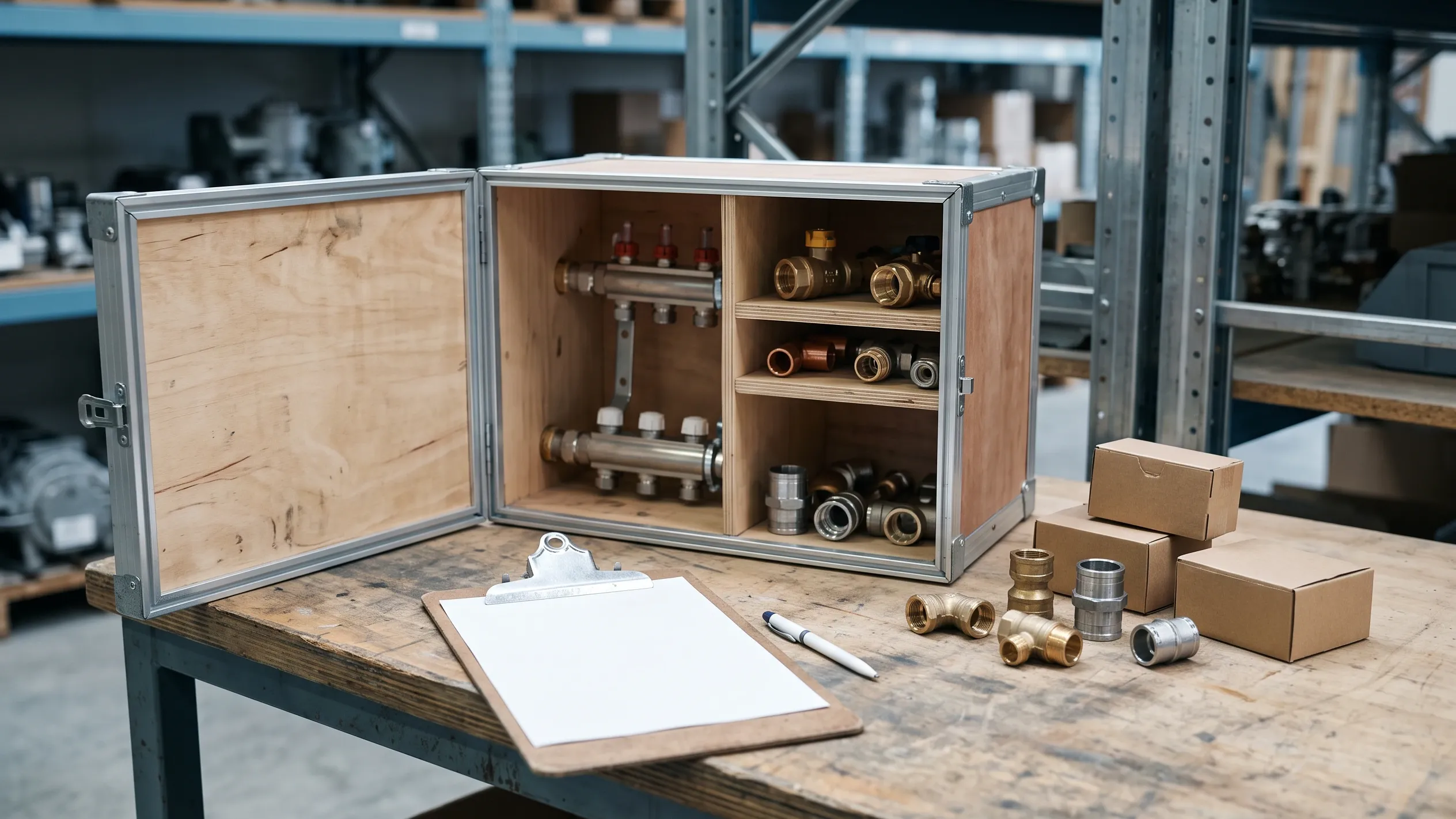
Parts for planned heating maintenance should be selected around the work scheduled, not simply copied from a previous breakdown order. The equipment, maintenance requirements and confirmed component references determine what needs to be sourced. Organising the order around those requirements makes it easier to identify missing items before the work is due.
Establish the Requirements Before Ordering
Start by identifying the equipment, planned task and intended work window. Record the relevant part reference and quantity for each requirement, marking dates as provisional if they have not yet been agreed. A maintenance instruction may specify a consumable even when the existing component has not failed, so the order should reflect the actual task rather than only parts previously replaced.
Where several tasks require the same component, a combined quantity may be appropriate, provided the allocation is clear. Heating and plumbing components can also be included in one order when the planned work genuinely requires both. Keeping the requirements identifiable prevents a shared order from obscuring which products are needed for each task.
The responsible maintainer must establish the work requirements and relevant safe-working arrangements. The HSE's maintenance guidance explains why maintenance needs to be planned properly, whether it forms part of a scheduled programme or follows a breakdown.
Keep Breakdown Purchases Separate
An urgent replacement should remain distinguishable from a scheduled requirement, even when both can be supplied in the same delivery. This makes it easier to track which products were purchased for planned work and which were needed to respond to an unexpected failure.
If a planned replacement is completed during a breakdown response, confirm the outcome with the person responsible for the maintenance before removing it from the outstanding order. A component leaving the store does not prove that it was installed. It may still be awaiting work, have been returned or have been allocated to another asset.
Completing an urgent repair does not necessarily mean that scheduled maintenance can be cancelled, particularly when the tasks affect different equipment. Review the affected requirement rather than assuming that one replacement resolves every outstanding task.
Check Product References and Deliveries
Match each selected product to the equipment and confirmed reference for the task. When sourcing boiler spares, do not rely on a general description or appearance alone. A kit, an individual spare and an accessory can represent different supply arrangements. If a seal, connection component or other item is essential, establish whether it is included with the selected product or needs to be ordered separately.
Apply the same care to filters, gaskets and other consumables. Size alone may not establish suitability, so use the applicable maintenance instructions or a technically confirmed reference. Existing records and safely visible markings can help identify a component, but equipment should not be dismantled simply to complete a purchasing list.
When the order arrives, compare the product references and quantities with the original requirements. Check whether quantities refer to individual pieces, sets or packs, and identify visible damage or discrepancies. A delivery label confirms that a package has arrived; it does not establish that every component needed for the work is present.
Check suitable existing stock before ordering additional quantities. Keep reserve spares separate from items allocated to a scheduled task so that contingency stock is not mistaken for a component that will definitely be used.
Reassess Requirements When Equipment or Dates Change
Previous orders can help identify what was needed for similar work, but they should not be treated as current specifications. Equipment, maintenance scope and authorised part references may have changed since the last visit. A replacement boiler, for example, could make some earlier order lines unsuitable while leaving unrelated requirements unchanged. Review the affected items rather than copying the entire previous order.
A change to the work date also calls for a review. Check whether the revised timing affects supply arrangements, storage conditions or any product-specific shelf-life requirements. Follow the manufacturer's storage instructions rather than assuming that every component expires after a set period or that sealed packaging makes storage conditions irrelevant.
If a component is reassigned to urgent work before the planned visit, update its allocation and identify the confirmed reference and quantity that still need to be sourced. This is particularly important when different people are preparing orders for several jobs from shared stock.
Purchasing Does Not Approve the Maintenance Work
Before treating the order as complete, establish which required products have arrived, which have been allocated from suitable stock and which are still awaiting supply or technical confirmation. Record any missing component against the affected task so its status is clear before the scheduled work.
Completing the purchase does not authorise maintenance work or establish that a replacement is technically suitable. Those decisions remain with the people responsible for the equipment and the work. The HSE's overview of the Provision and Use of Work Equipment Regulations explains the duties placed on those who own, operate or control work equipment, including requirements concerning its suitability and maintenance.
A purchasing order can clarify what is available for a planned task, but technical suitability and safe execution must still be established by the people responsible for the work.