

Oxy Pilots for Gas Fires: Function and Replacement Guide
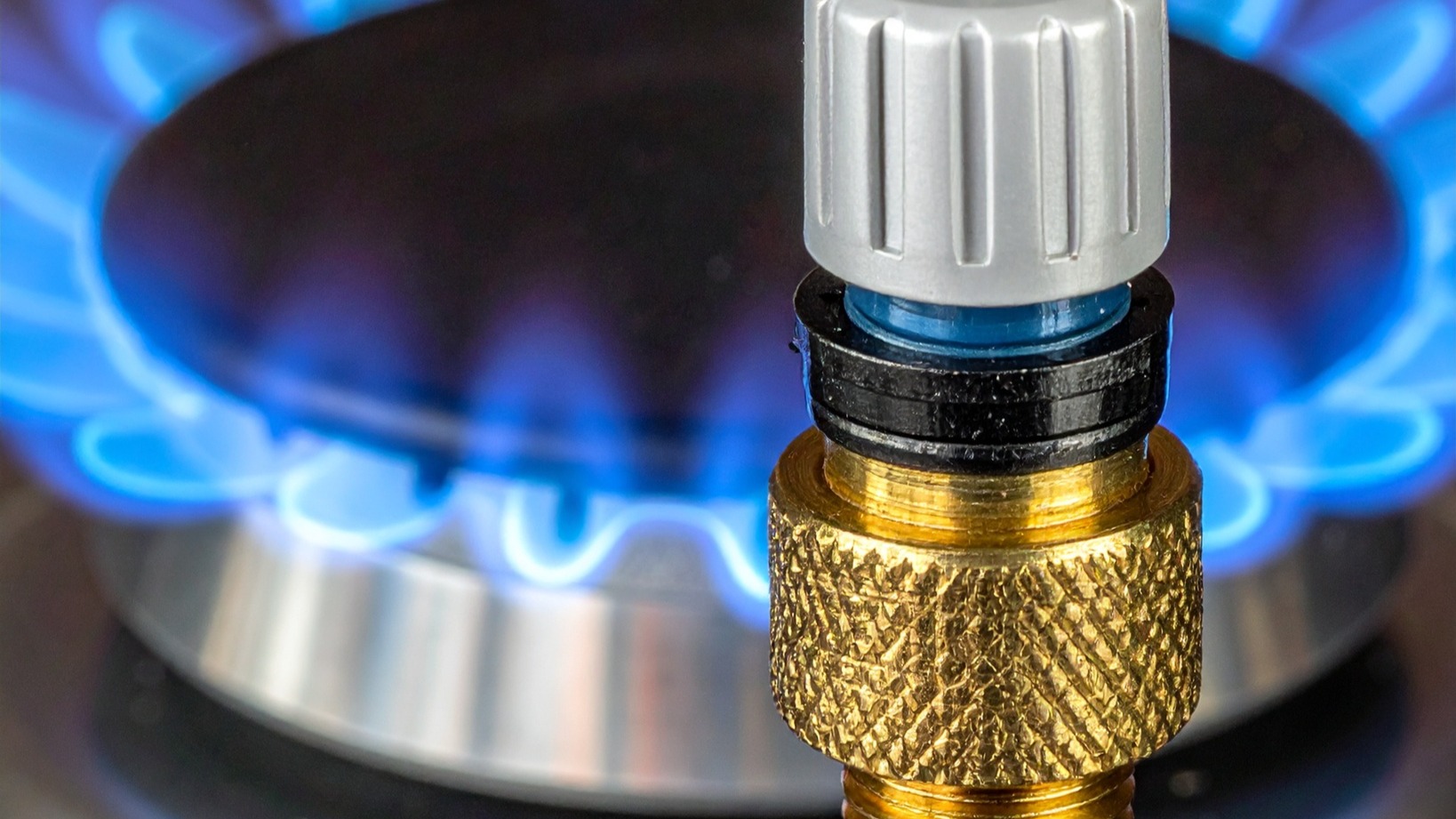
Gas fires bring warmth and ambience to countless British homes, but behind that comforting glow sits a small yet critical safety component most homeowners never think about. The oxy pilot, also called an oxygen depletion sensor (ODS), quietly monitors your room's air quality every second your fire burns. When it detects oxygen levels dropping to potentially dangerous levels, it shuts off the gas supply before carbon monoxide can accumulate.
Understanding how this device works isn't just a technical curiosity. It's about knowing why your gas fire sometimes cuts out unexpectedly, when you need a replacement, and how to keep your heating system working safely through the winter months.
What Actually Happens Inside an Oxy Pilot
The oxy pilot sits in the flame path of your gas fire's pilot light. Unlike a standard pilot assembly that simply keeps a flame burning, this component contains a thermocouple designed to respond to oxygen levels in the room rather than just heat.
Here's the clever bit: the pilot flame requires oxygen to burn at its proper temperature. When oxygen in the room drops below approximately 18% (normal air contains about 21%), the pilot flame cools slightly. This temperature change causes the thermocouple to reduce its electrical output, which in turn signals the gas valve to close.
The whole process happens automatically. No batteries, no electronics beyond the thermocouple's basic voltage generation. It's an elegant fail-safe that's been protecting homes since the 1980s, when regulations began requiring oxygen depletion sensors on flueless gas appliances.
Gas fire oxy pilots from trusted manufacturers like Honeywell set industry standards for reliability. These sensors typically last for years, but they do eventually wear out or become contaminated.
Why Your Gas Fire Keeps Cutting Out
If your gas fire won't stay lit or cuts out after running for a while, the oxy pilot is often the culprit. But not always for the reason you'd expect.
Genuine oxygen depletion is actually quite rare in most homes. You'd need a particularly airtight room with no ventilation and a fire running for extended periods. Modern homes, even well-insulated ones, usually have enough air changes per hour through gaps around doors and windows.
More commonly, the oxy pilot fails because:
Dust and debris accumulation block the pilot flame from reaching the sensor tip properly. Even a thin layer of dust changes how heat transfers to the thermocouple, making it think oxygen levels have dropped when they haven't.
Thermocouple degradation happens over time. The metals inside the thermocouple slowly change their properties through repeated heating and cooling cycles. After perhaps 5-10 years, the voltage output weakens enough that the gas valve becomes oversensitive.
Incorrect positioning following previous maintenance work means the pilot flame doesn't heat the thermocouple tip to the right temperature. Even a few millimetres off makes a difference.
Gas pressure issues cause the pilot flame to burn with the wrong characteristics. Too little pressure produces a weak, cooler flame. Too much can blow the flame away from the sensor.
One customer contacted a heating engineer after their gas fire started cutting out every evening around 8 pm. They'd had the oxy pilot replaced twice in six months with no improvement. Turned out their home's gas pressure dropped during peak usage times when neighbours were all cooking dinner. The pilot flame would weaken just enough to trigger the sensor. The solution wasn't another oxy pilot but addressing the supply pressure with their gas provider.
Different Types of Oxy Pilot Assemblies
Not all oxy pilots look the same or work identically. The type you need depends on your specific gas fire model.
Thermocouple-based oxy pilots are the most common. These generate a small voltage (typically 20-30 millivolts) when heated. The voltage holds open an electromagnetic valve in the gas control. When the flame cools due to oxygen depletion, the voltage drops below the threshold needed to keep the valve open.
Thermopile assemblies work on the same principle but generate higher voltage (around 500-750 millivolts) by using multiple thermocouples in series. These provide more reliable operation and can power additional features like flame-effect lights or remote control receivers.
Combination pilot assemblies integrate the oxy pilot with the ignition electrode and sometimes a flame supervision device. These compact units simplify installation but mean replacing more components when one part fails.
Manufacturers design these assemblies to specific dimensions. The distance from the pilot burner to the thermocouple tip, the angle of approach, and even the thickness of the probe all affect performance. This is why using the correct replacement part matters enormously.
For reliable heating components across various applications, brands like Andrews and Morco offer quality options designed for British heating systems.
Signs You Need a Replacement
Oxy pilots don't usually fail catastrophically. Instead, they deteriorate gradually, giving you warning signs if you know what to watch for.
The fire takes multiple attempts to light. You hold the control knob down for the required 10-20 seconds, release it, and the pilot goes out. After several tries, it finally stays lit. This suggests the thermocouple is generating borderline voltage, sometimes just enough and sometimes not quite.
The fire cuts out after running for 10-30 minutes. It lights fine initially, but once everything heats up, it shuts off. This pattern often indicates the thermocouple has developed internal resistance that increases with temperature.
You smell gas briefly when the fire cuts out. When the oxy pilot functions correctly, gas flow stops cleanly. A failing unit might allow a momentary puff of gas before closing completely.
Visible corrosion or damage on the pilot assembly. White or green deposits around the thermocouple junction, physical bending of the probe, or deterioration of the connecting wires all signal replacement time.
The pilot flame looks wrong. It should be a steady blue flame with a slight yellow tip, about 10mm high, wrapping around the thermocouple tip. A weak, yellow, or dancing flame suggests problems either with the pilot itself or the gas supply.
One thing to note: if your gas fire is cutting out and you have adequate ventilation, don't simply bypass or replace the oxy pilot hoping to solve the problem. The sensor might be doing exactly what it's designed to do, protecting you from a genuine issue with the appliance or installation.
The Replacement Process Explained
Replacing an oxy pilot isn't technically complex, but it does involve working with gas appliances. In the UK, any work on gas fittings must be carried out by a Gas Safe-registered engineer. This isn't just regulatory box-ticking; gas work done incorrectly creates genuine risks.
That said, understanding the process helps you know what to expect and ensures the work is done properly. This oxy pilot replacement guide outlines the key steps:
The gas supply must be isolated at the fire's control valve. The engineer will also typically shut off the main gas supply as an extra precaution.
The fire's front panel and coals or logs are removed to access the burner tray. On some models, this is straightforward. On others, particularly inset fires, it requires removing several trim pieces and potentially disconnecting the fire from its mounting.
The existing oxy pilot is disconnected from the gas control valve. This involves loosening a compression fitting or threaded connection. The thermocouple lead is unplugged from the gas valve's electromagnetic coil.
The new oxy pilot is positioned correctly. This is the critical step. The thermocouple tip must sit in the pilot flame's hottest zone, typically with about one-third of the tip engulfed in flame. Too close and it overheats; too far and it won't generate sufficient voltage.
Connections are tightened and tested. The gas connection must be leak-tight. Engineers use leak detection fluid to verify this before proceeding. Quality pipe fittings and connectors designed for gas applications ensure reliable connections that maintain integrity over years of thermal cycling.
The fire is reassembled and commissioned. The engineer lights the pilot, verifies it stays lit reliably, then tests the main burner operation. They'll also check that the oxy pilot responds correctly by restricting ventilation temporarily to ensure the safety shutoff works.
A safety certificate is issued. This documents the work and confirms the appliance is safe to use. Keep this certificate with your home records.
The entire process typically takes 1-2 hours, depending on how accessible the pilot assembly is on your particular fire model.
Common Misconceptions About Oxy Pilates
Several myths circulate about these safety devices, leading to confusion when problems arise.
"The oxy pilot is too sensitive and cuts out unnecessarily." In reality, these sensors are calibrated to shut off well before dangerous conditions develop. If yours is cutting out frequently, something is wrong either with the pilot itself, the fire's installation, or the room ventilation. The solution isn't a "less sensitive" sensor but fixing the underlying issue.
"I can bypass the oxy pilot if it keeps failing." This is both illegal and dangerous. The oxy pilot exists specifically to prevent carbon monoxide poisoning. Bypassing it removes your primary safety protection. If you're repeatedly replacing oxy pilots, the root cause lies elsewhere.
"Any thermocouple will work as a replacement." Oxy pilot assemblies are designed with specific dimensions and heat response characteristics. Using an incorrect replacement might appear to work initially, but it won't provide proper safety protection or reliable operation.
"Oxy pilots only matter in small rooms." Whilst oxygen depletion happens faster in smaller spaces, the sensor protects against multiple scenarios, including blocked flues, damaged burners, or ventilation being inadvertently blocked. It's essential regardless of room size.
"Electric fires are safer because they don't need oxy pilots." Electric fires don't produce combustion gases, so they don't need oxygen depletion sensors. But they're not inherently safer, just different. Both technologies are safe when properly installed and maintained.
When the Problem Isn't the Oxy Pilot
Before replacing an oxy pilot, it's worth checking other components that produce similar symptoms.
The thermocouple connection at the gas valve can work loose or corrode. This creates intermittent electrical contact that mimics a failing thermocouple. Cleaning and tightening the connection sometimes resolves the issue.
The electromagnetic coil in the gas valve can weaken with age. Even with a perfectly functioning oxy pilot generating correct voltage, a weak coil won't hold the valve open reliably.
Blocked pilot burner jets restrict gas flow, producing a weak pilot flame that doesn't properly heat the thermocouple. A thorough cleaning often solves this.
Incorrect gas pressure affects everything downstream. Too low and flames won't heat thermocouples adequately. Too high and flames blow away from sensors.
Ventilation issues might mean the oxy pilot is actually doing its job correctly. Before assuming the sensor is faulty, verify that room ventilation meets the fire manufacturer's specifications.
This is where professional diagnosis proves valuable. An experienced Gas Safe engineer can quickly distinguish between oxy pilot failure and other issues, saving you the cost of unnecessary parts replacement.
For heating systems requiring precise control, EPH Controls offers programmers and thermostats that integrate well with gas heating appliances.
Choosing the Right Replacement Part
When you do need a replacement oxy pilot, getting the correct part is essential for effective oxy pilot replacement.
Start with your fire's model number. This is usually on a data plate inside the fire or in the original documentation. The model number tells you exactly which Oxy Pilot assembly the manufacturer specifies.
Check the physical dimensions. Measure the existing pilot assembly's probe length and the distance from the mounting bracket to the thermocouple tip. These dimensions must match the replacement.
Verify the connection type. Oxy pilots connect to gas valves through various fitting types. Compression fittings, threaded connections, and push-fit designs all exist. The replacement must match your gas valve.
Consider the thermocouple output. Standard thermocouples generate around 25-30 millivolts. If your fire uses a thermopile (higher voltage), you need a thermopile replacement, not a standard thermocouple.
Buy from reputable suppliers. Generic "universal" oxy pilots rarely work as reliably as manufacturer-specified parts. The few pounds saved aren't worth compromised safety or reliability.
The Broader Context of Gas Fire Safety
The oxy pilot represents just one layer in the safety systems protecting your home. Understanding how these layers work together helps you maintain your gas fire properly.
Flame supervision devices (FSDs) shut off the gas if the pilot light goes out for any reason. This prevents unburned gas from accumulating.
Oxygen depletion sensors (the oxy pilot we've been discussing) monitor air quality and shut off gas before dangerous conditions develop.
Proper installation and ventilation ensure complete combustion and prevent carbon monoxide production in the first place.
Carbon monoxide detectors provide a final warning if something goes wrong with the appliance or installation.
Each layer backs up the others. Your oxy pilot working correctly means the other safety systems rarely need to intervene. But when one layer fails, the others remain in place.
This is why regular professional servicing matters so much. An engineer checks all these safety systems during each service, ensuring they'll work correctly if needed.
For complete heating installations, quality components throughout the system contribute to overall reliability. Altecnic supplies expansion vessels and safety valves that integrate into comprehensive heating systems alongside gas fires.
Integration with Central Heating Systems
Many homes use gas fires as supplementary heating alongside central heating systems. Understanding how these systems interact helps maintain optimal performance.
Gas fires with oxy pilots operate independently from your central heating, but both draw from the same gas supply. If you experience oxy pilot problems coinciding with heating system operation, check for gas pressure issues affecting the entire property.
Central heating controls from manufacturers like Danfoss help manage overall heating efficiently, allowing your gas fire to provide targeted warmth where needed, whilst the central heating handles background comfort levels.
Some modern installations integrate gas fires with system controls, allowing coordinated operation that prevents overheating whilst maximising efficiency. This integration requires careful specification to ensure the oxy pilot's safety function remains independent of the control system.
Maintaining Long-Term Reliability
Looking after your investment in a gas fire means more than just responding when problems occur. Proactive maintenance extends the life of gas fire oxy pilots and ensures reliable operation.
Annual servicing by a Gas Safe registered engineer catches developing problems before they cause failures. Engineers clean pilot assemblies, check thermocouple output, and verify proper flame characteristics.
Keeping the fire surround clean prevents dust from being drawn into the burner compartment, where it can settle on the oxy pilot assembly.
Ensuring adequate ventilation isn't blocked by furniture or decorations prevents the oxy pilot from working harder than necessary, extending its operational life.
Responding promptly to warning signs prevents minor issues from escalating into more expensive repairs or safety concerns.
Using quality replacement parts when needed ensures the safety systems continue protecting your home to the same standard as the original installation.
A gas fire represents a significant investment in your home's comfort and ambience. The oxy pilot, despite being a small and relatively inexpensive component, plays an outsized role in protecting that investment.
Professional Support and Quality Components
Regular maintenance, prompt attention to problems, and using correct replacement parts when needed keep your gas fire working safely and reliably for years. The cost of annual servicing and occasional parts replacement pales compared to the expense of major repairs or, worse, the consequences of a safety incident.
When your gas fire does need attention, working with Gas Safe-registered engineers and using quality replacement parts ensures the work is done right. Cutting corners on gas appliance maintenance is never worth the risk.
Heating and Plumbing World supplies the heating and plumbing components that professionals trust, from oxy pilots to complete heating systems, stocking parts from manufacturers who prioritise safety, reliability, and performance. Whether you're a heating engineer looking for quality components or a homeowner researching what your engineer has recommended, finding the right parts for specific needs matters.
Your gas fire's oxy pilot works quietly in the background, protecting your home every time you light the fire. Understanding what it does, recognising when it needs replacement, and ensuring proper maintenance keep that protection working exactly as designed. It's a small component with a critical job, and giving it the attention it deserves means warmth and peace of mind throughout the heating season.
For specialist advice on gas fire components or guidance on maintenance requirements, get in touch for expert recommendations tailored to your specific appliance.