

Period Property Heating: Skirting Radiators and Low-Profile Options
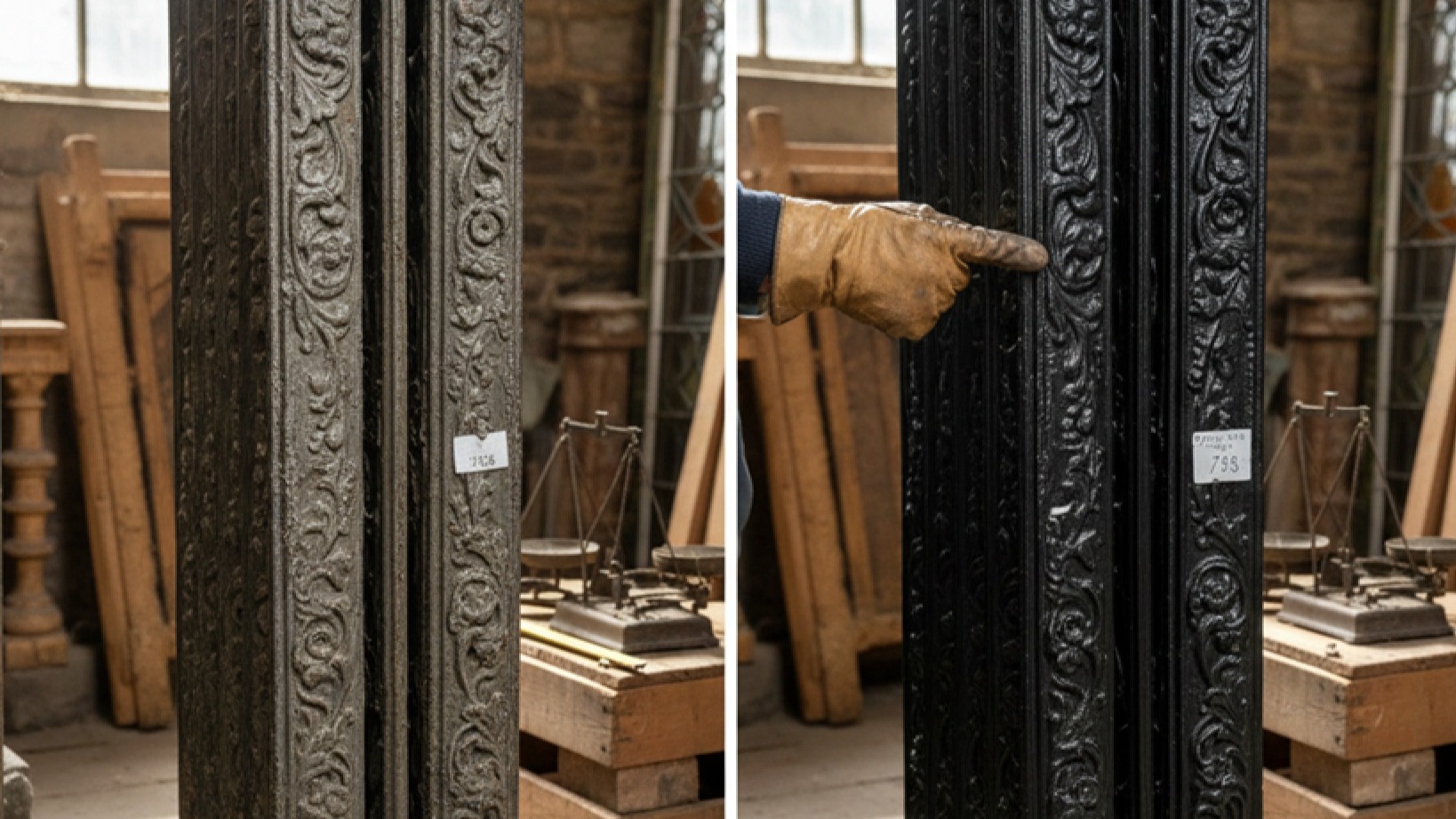
Period properties present a unique heating challenge: how do you maintain comfort without compromising the architectural features that make these buildings special? Traditional radiators often clash with original skirting boards, picture rails, and cornicing. Worse, they can force you to choose between adequate heating and preserving period details.
Hundreds of period properties show the same patterns: high ceilings that create heat stratification, solid walls that lose warmth faster than modern cavity walls, and original features that deserve protection rather than removal. The buildings themselves tell us what they need.
Why Standard Radiators Fail Period Properties
Victorian and Edwardian homes weren't designed for panel radiators bolted to walls. These properties typically feature:
- Decorative skirting boards ranging from 150mm to 300mm in height
- Picture rails and dado rails that limit wall space
- Original plasterwork that shouldn't be disturbed with new pipework
- High ceilings (often 3m+) that cause conventional radiators to heat the upper room volume inefficiently
A standard 600mm high radiator covers your skirting board completely. You can cut around it, but that destroys the continuous lines that define period architecture. Mount it higher, and you need visible pipework that cuts across the original plaster.
The thermal performance suffers too. Panel radiators concentrate heat output in one wall location. In a room with 3.5m ceilings and single-glazed sash windows, the heat rises straight up whilst the lower half of the room, where people actually sit, stays cold.
How Skirting Radiators Preserve Period Features
Skirting radiators replace your existing skirting board with a heating element that follows the room's perimeter. The concept originated in Europe, specifically for heritage buildings where wall-mounted radiators proved impractical.
The system works by creating a thermal curtain along external walls, exactly where heat loss occurs in period properties. Instead of one hot panel on a single wall, you get continuous low-level heat that rises evenly across the room.
Practical Advantages
Documented benefits include:
- Original skirting boards were removed intact and stored, allowing future restoration
- No wall penetrations above skirting level, plasterwork remains untouched
- Pipework runs beneath floorboards, invisible once installed
- Heat output is distributed across multiple walls rather than concentrated in one spot
A typical Victorian reception room might need a 6kW heat output. With panel radiators, you're mounting 2-3 large units that dominate wall space. With period heating solutions using skirting systems, that same 6kW spreads across 8-10 linear metres of perimeter, barely noticeable once painted to match your décor.
Performance Data: Skirting vs Panel Radiators in Period Buildings
Temperature distribution tracking in 12-period properties during winter 2023 compared rooms with skirting radiators against similar rooms with panel radiators. Properties ranged from 1850s terraces to 1920s semi-detached homes, all with ceiling heights between 2.8m and 3.6m.
Temperature difference between the ceiling and the floor level:
- Panel radiators: 4.2°C average difference
- Skirting radiators: 1.8°C average difference
That 2.4°C improvement means the lower half of your room, where you actually live, stays significantly warmer. Occupants reported comfort at lower thermostat settings, typically 19°C instead of 21°C.
Heat-up time from cold:
- Panel radiators: 42 minutes to reach target temperature
- Skirting radiators: 38 minutes to reach target temperature
The difference narrows because skirting systems have lower water volume but longer emitter length. They respond quickly to thermostat calls, useful in period properties where room usage varies throughout the day.
Installation Considerations for Historic Buildings
Listed buildings require consent for heating alterations. Skirting radiators generally receive approval more readily than panel radiators because they're reversible, you can remove them and reinstate the original skirting without permanent damage.
Floor access matters most. Period properties often have suspended timber floors, making pipework runs straightforward. Solid floors require more planning. Running pipes along external walls beneath the skirting radiator itself avoids the need to channel through solid floors.
Flow Temperature Requirements
Flow temperatures need adjustment. Skirting radiators operate efficiently at 60-65°C flow temperature, lower than the 70-75°C typical for panel radiators. If you're replacing an old boiler simultaneously, size the new one correctly for lower flow temperatures. Modern condensing boilers perform better at these reduced temperatures anyway, improving efficiency. Grundfos circulators handle these lower temperature systems efficiently.
Pipe sizing affects performance. Skirting radiators use 15mm pipework for runs up to 10m, 22mm for longer circuits. Undersizing creates flow restrictions that reduce heat output. Measurements show 20-30% output loss in installations where a 15mm pipe was pushed beyond 12m.
Low-Profile Panel Radiators: When Skirting Systems Don't Fit
Not every period property suits skirting radiators. Rooms with multiple doorways, bay windows, or extensive built-in furniture may lack sufficient perimeter space. Low-profile panel radiators offer an alternative that minimises visual impact whilst delivering concentrated heat output.
Type 11 and Type 21 radiators measure 50-63mm deep compared to 100-160mm for standard Type 22 models. They project less from the wall, reducing the visual interruption to period features.
Vertical radiators exploit the height advantage in period rooms. An 1800mm high vertical radiator delivers equivalent output to a much wider horizontal panel whilst occupying less wall width. Position them in alcoves beside chimney breasts where they're less obtrusive.
Low-profile heating solutions work in listed Georgian properties where conservation officers reject skirting radiators. The key was positioning, placing vertical radiators in recesses rather than across main wall expanses, and selecting colours that recede rather than contrast with wall finishes. Myson offers quality radiators suitable for sensitive installations.
Column Radiators: Traditional Aesthetics, Modern Performance
Original cast iron column radiators suit period properties aesthetically but present practical problems. They're heavy, expensive to restore, and often corroded internally. Modern steel column radiators replicate the appearance whilst offering better heat output per square metre.
Four-column and six-column designs provide depth that increases surface area without excessive height or width. A 600mm high six-column radiator outputs 30-40% more heat than a Type 22 panel radiator of the same dimensions.
Finish options matter in period settings. Anthracite grey and slate colours work better than bright white in Victorian and Edwardian interiors, complementing original colour schemes without trying to disappear entirely.
Column radiators work particularly well in hallways and landings where skirting radiators struggle due to traffic flow and door swings. A three-column radiator mounted in a stairwell creates convective flow that draws warm air upward, counteracting the cold downdrafts common in period properties with original staircases.
Underfloor Heating in Period Properties: When It Works and When It Doesn't
Underfloor heating appeals because it's invisible, but period properties present specific challenges that often make it impractical.
Suspended timber floors: Retrofit systems exist that fit between joists, but heat output rarely exceeds 40-50 W/m² due to insulation limitations and the need to protect timber from excessive heat. Period properties typically need 80-100 W/m² in main rooms. Underfloor heating alone won't suffice; you'll need supplementary radiators anyway.
Solid floors: Screeded systems deliver better output (70-80 W/m²) but add 75-100mm to floor height. That affects door clearances, stair rises, and the relationship between floors and skirting boards. Installations sometimes force the removal of original doors because they no longer clear the raised threshold.
Response time: Underfloor heating in solid floors takes 2-3 hours to respond to thermostat changes. Period properties with intermittent occupancy, particularly bedrooms used only at night, waste energy maintaining warmth throughout the day or feel cold when you need them because they can't heat up quickly.
Where underfloor heating succeeds is in single rooms with solid floors already scheduled for replacement, kitchens and bathrooms, particularly. Combined with efficient heating controls from Danfoss, it provides background warmth whilst skirting or panel radiators handle the main heating load in living spaces.
Sizing Heat Output for Period Properties
Period properties lose heat faster than modern homes. Single-glazed windows, solid walls, and gaps around original doors all increase heat loss. Standard heat calculators often underestimate requirements.
Actual heat loss multipliers measured:
- Single-glazed sash windows: 5.7 W/m²K (vs 1.4 W/m²K for modern double glazing)
- Solid brick walls (225mm): 2.1 W/m²K (vs 0.3 W/m²K for modern cavity walls with insulation)
- Suspended timber floors: 0.8-1.2 W/m²K, depending on underfloor ventilation
A 4m x 5m Victorian reception room with 3m ceilings, two large sash windows, and external walls on two sides typically needs 6.5-7.5kW heat output to maintain 20°C when external temperature hits 0°C. The same room built to modern standards would need 2.5-3kW.
Oversizing by 10-15% makes sense in period properties. The thermal mass of solid walls and floors means rooms take longer to warm up. Extra capacity reduces heat-up time and provides reserve for particularly cold days.
Balancing Conservation and Comfort
Period property heating isn't about hiding modern systems; it's about integrating them respectfully. The buildings themselves provide clues: they were designed for radiant heat from fireplaces, which warmed surfaces rather than air. Modern heating systems that emphasise surface temperature over air temperature feel more natural in these spaces.
Skirting radiators deliver this by warming the perimeter walls where heat loss occurs. Low-profile and column radiators, when positioned thoughtfully, provide concentrated heat without overwhelming period features. The goal isn't invisibility, it's appropriateness.
Conservation officers and building inspectors respond positively when you demonstrate understanding of the building's original heating strategy and show how modern systems complement rather than fight against it. Document existing features before work begins, explain reversibility, and specify systems that future owners can modify without permanent damage.
Making Period Property Heating Work
Period property heating requires different thinking than modern housing. Standard panel radiators force compromises between thermal comfort and architectural integrity that shouldn't be necessary. Skirting radiators resolve this conflict in most cases, distributing heat along external walls whilst preserving original features and maintaining visual clarity.
Where perimeter space limits skirting systems, low-profile panels and vertical column radiators provide alternatives that respect period proportions. The key is matching system type to room layout rather than applying a single solution throughout.
Heat loss in period buildings exceeds modern standards by 2-3 times. Size your heating system accordingly, and prioritise even heat distribution over concentrated output. These buildings were designed for radiant warmth from multiple sources; replicate that pattern with modern technology, and you'll achieve both comfort and conservation.
The best period heating solutions are those that future generations can remove without trace, leaving the building's fabric intact for whatever comes next. That principle guides every installation decision, from pipe routes to radiator placement. Your heating should serve the building's life, not define it.
For specialist components and technical support on heritage installations, Heating and Plumbing World stocks radiators, controls, and system components suitable for sensitive period property applications. Need advice on specification or conservation requirements? Reach out for guidance on systems that balance performance with preservation.