

Pipe Freezing Kits: Temporary Pipe Isolation Without Draining
A customer needs an urgent radiator replacement on the second floor, but the heating system serves three floors and draining the entire system would take hours. The building can't lose heating for that long, and refilling means bleeding every radiator, balancing the system, and dealing with potential airlocks. There's a better way, and it involves controlled freezing that creates a temporary ice plug in the pipe.
Pipe freezing kits solve one of plumbing's most time-consuming challenges. Rather than draining entire systems to replace a valve, add a tee piece, or swap a radiator, these kits create ice plugs that isolate specific sections. The result? Work that once took four hours now takes ninety minutes, with no system drain-down and no refilling headaches.
How Pipe Freezing Technology Actually Works
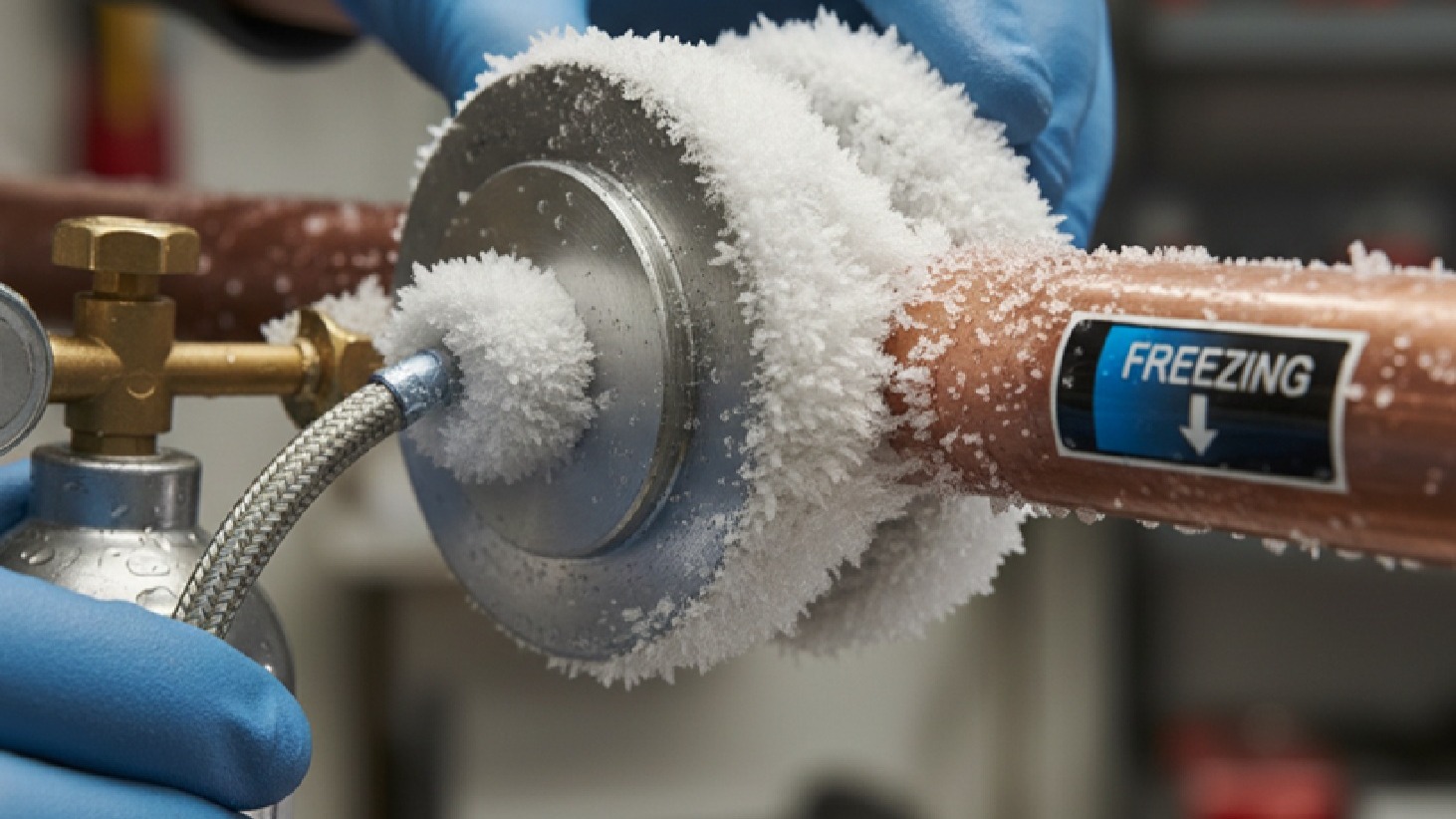
The science behind pipe freezing is straightforward. A freeze head clamps around the pipe and uses either CO2 or liquid nitrogen to drop the temperature rapidly. Water inside the pipe freezes solid, creating a plug that can withstand normal system pressure. This plug acts exactly like a closed valve, letting you work downstream without spillage.
The freezing process typically takes 15-25 minutes for copper pipes up to 54mm in diameter. The ice plug forms from the outside in, and once complete, it holds pressure reliably. We've seen plugs maintain integrity for several hours when properly formed, though most jobs finish well within that window.
Different pipe materials respond differently to freezing. Copper pipes handle the process brilliantly because copper conducts heat away quickly, speeding up ice formation. Plastic pipes from manufacturers like Polypipe take longer due to their insulating properties, but modern kits accommodate them with adjustable freeze heads and extended freezing times.
The key is achieving complete freeze-through. A partial freeze won't hold pressure and will fail the moment you cut or disconnect the pipe. Professional kits include temperature indicators or monitoring systems that confirm when the plug has formed properly throughout the pipe's cross-section.
When Pipe Freezing Makes Practical Sense
Not every job warrants using pipe freezing equipment, but certain scenarios make it invaluable. Radiator replacements in occupied buildings top the list. Rather than draining the entire heating system, isolate just the radiator circuit. The building maintains heating, you avoid disturbing other areas, and the customer experiences minimal disruption.
Adding isolation valves to existing pipework becomes straightforward with freeze kits. Many older systems lack proper isolation, meaning any maintenance requires a full drain-down. Freezing lets you cut in and fit valves without the drama. This applies equally to domestic properties and commercial installations where downtime costs money.
Emergency repairs benefit enormously from this technology. When a valve fails and won't isolate properly, freezing the pipe upstream gives you the isolation you need. Similarly, when replacing failed components on pressurised systems, freezing eliminates the pressure release and refilling process.
Multi-storey buildings present particular challenges. Draining from upper floors risks airlocks throughout the lower sections. Refilling and bleeding becomes a marathon task. Pipe freezing sidesteps all of it, letting you work on specific zones whilst the rest of the system continues operating normally.
Choosing the Right Freeze Kit for Different Applications
Pipe freezing kits range from basic single-head units to sophisticated multi-head systems. The right choice depends on pipe sizes, materials, and how frequently you'll use the equipment.
Entry-level CO2 kits work well for occasional use on domestic installations. They handle pipes up to 28mm in diameter reliably and cost considerably less than professional-grade systems. These kits use disposable CO2 cartridges, making them portable and straightforward to operate. For heating engineers who encounter pipe freezing situations monthly rather than weekly, they offer excellent value.
Professional CO2 systems step up with larger freeze heads, dual-head capability, and refillable CO2 cylinders. These handle pipes up to 54mm and can create two freeze plugs simultaneously, useful when you need to isolate a section rather than just working downstream of a single plug. The refillable cylinders reduce running costs significantly if you're using the kit regularly.
Liquid nitrogen systems represent the professional end of the market. They freeze pipes faster than CO2 systems and handle larger diameters more effectively. The trade-off comes in cost and the need for a liquid nitrogen supply. For commercial plumbing contractors working on larger installations, the speed advantage justifies the investment.
When selecting equipment, consider the freeze head design carefully. Adjustable heads accommodate different pipe sizes without needing multiple attachments. Insulated jackets that wrap around the freeze head improve efficiency by preventing heat gain from the surrounding air. Temperature monitoring, whether through simple indicator strips or digital displays, removes guesswork from the process.
The Practical Process of Creating a Freeze Plug
Creating a reliable freeze plug follows a specific sequence. Rush it, and you'll face pressure failure and flooding. Follow the pipe freezing kit instructions properly, and you'll wonder why anyone bothers with full system drains.
Start by identifying the freeze location. You need a straight pipe, free from joints, bends, or connections. The ice plug needs a uniform pipe wall thickness to form properly. Position at least 150mm away from any fittings to ensure a clean pipe section.
Clean the pipe surface thoroughly. Any dirt, paint, or corrosion between the freeze head and pipe reduces heat transfer efficiency. A quick wipe with a cloth and some light abrasion with wire wool takes seconds but makes a significant difference to freezing time.
Attach the freeze head firmly. Most kits use clamp-style heads that tighten around the pipe. Ensure even contact all around the circumference. Gaps allow heat ingress and slow the freezing process. Some installers wrap insulation tape around the joint between the freeze head and the pipe to improve thermal efficiency further.
Open the gas supply and begin freezing. CO2 systems typically show frost formation on the freeze head within minutes. This external frosting indicates the pipe contents are dropping towards freezing temperature. Continue until the temperature indicator confirms complete freeze-through, or for the time specified in your kit's instructions.
Test the plug before cutting or disconnecting. If working on a pressurised system, crack open a connection downstream very slightly. No water should appear if the plug has formed properly. This test takes seconds and prevents the embarrassment of cutting into a pipe only to discover the freeze wasn't complete.
Work efficiently once the plug is formed. Whilst properly formed plugs hold for hours, unnecessary delays increase the risk of thaw. Complete your work, reassemble connections, and pressure test before removing the freeze head.
Safety Considerations and System Compatibility
Pipe freezing involves extreme cold and pressurised systems, so safety protocols matter. CO2 and liquid nitrogen both present hazards if mishandled, and the freezing process itself creates risks if applied incorrectly.
Wear appropriate protective equipment. Insulated gloves protect against cold burns from frozen heads and gas lines. Safety glasses prevent splashes during the connection and disconnection process. These aren't optional extras; they're essential protection against injury.
Ensure adequate ventilation when working indoors. Both CO2 and nitrogen displace oxygen. In confined spaces, this creates suffocation risks. Open windows, use extraction, or work with doors open to maintain air circulation. This matters particularly in small rooms, cupboards, or loft spaces where gas can accumulate.
Never freeze pipes containing anything other than water-based fluids. Glycol solutions, oil, or other liquids may not freeze at CO2 temperatures, leaving you without isolation. Similarly, avoid freezing pipes carrying drinking water unless you're absolutely certain the ice won't contaminate the supply when it melts.
Check system pressure before freezing. Systems running above 3 bar may exceed the ice plug's holding capacity, particularly if the ambient temperature is high. Reduce pressure to normal operating levels before attempting to freeze.
Verify pipe condition before freezing. Corroded or very old pipes might not withstand the stress of ice expansion inside them. If you suspect weak pipes, drain-down becomes the safer option despite the time involved.
Time and Cost Comparison With Traditional Methods
The economics of pipe freezing become clear when you compare typical job times. Consider a standard radiator replacement on a multi-storey system.
Traditional method: drain down (45 minutes), replace radiator (30 minutes), refill system (30 minutes), bleed all radiators (45 minutes), balance system (30 minutes). Total time: 3 hours minimum. Add travel time for return visits if airlocks appear later, and you're looking at 4-5 hours of chargeable time spread across multiple visits.
Pipe freezing method: set up freeze (10 minutes), wait for plug formation (20 minutes), replace radiator (30 minutes), test and remove freeze head (10 minutes). Total time: 70 minutes, completed in a single visit with no callbacks for bleeding or balancing issues.
The time difference is stark. Even accounting for the cost of CO2 cartridges (typically £8-12 per use), the labour saving makes the kit pay for itself within a handful of jobs. Entry-level kits cost £200-400, whilst professional systems run £600-1,200. Based on average labour rates, break-even occurs after 8-15 uses.
Beyond direct time savings, consider the competitive advantage. Offering same-day radiator replacement without disrupting the entire heating system sets you apart from competitors still using traditional drain-down methods. Customers value minimal disruption, particularly in commercial settings where heating downtime affects business operations.
Limitations and When to Choose Alternative Methods
Pipe freezing isn't universal. Certain situations demand traditional drain-down or other approaches.
Large diameter pipes beyond your kit's capacity require draining. Whilst professional liquid nitrogen systems can freeze pipes up to 108mm, anything larger needs conventional isolation. Similarly, pipes with very thick walls may not freeze through completely, particularly if the ambient temperature is high or water flow continues from other parts of the system.
Systems with continuous circulation present challenges. If pumps from Grundfos or Lowara continue running during the freezing process, the flowing water prevents ice plug formation. You'll need to isolate pumps or switch them off, which may not be possible in some commercial installations without shutting down the entire system anyway.
Very old systems with unknown pipe conditions carry risks. If you can't verify pipe integrity, the stress of freezing might cause failure. In these situations, the safer approach involves draining, even though it takes longer.
When replacing large sections of pipework rather than single components, multiple freeze plugs become necessary. At some point, the complexity and time required for multiple freezes exceed a simple drain-down. Use judgment based on the specific job.
Maintaining Your Pipe Freezing Equipment
Like any specialised tool, pipe freezing kits require proper maintenance to remain reliable. CO2 systems need regular inspection of seals and connections. Gas leaks reduce efficiency and waste expensive CO2. Check O-rings and gaskets before each use, replacing any that show wear or damage.
Store freezer heads in protective cases to prevent damage. The clamping mechanisms and contact surfaces must remain clean and undamaged for proper thermal contact. Dents or debris on contact surfaces create gaps that slow freezing and reduce plug reliability.
Keep spare consumables on hand. Running out of CO2 mid-job is frustrating and unprofessional. Maintaina stock of cartridges or ensure your refillable cylinder stays topped up. Similarly, keep spare temperature indicator strips if your system uses them.
Calibrate temperature monitoring systems according to manufacturer schedules. Digital systems may drift over time, leading to incomplete freezes if they indicate readiness before the plug has fully formed.
Clean equipment after use, particularly if you've worked on dirty systems. Wipe down freeze heads and check for any contamination that might affect performance next time.
Practical Applications Across Different System Types
Pipe freezing adapts to various heating and plumbing configurations. Sealed heating systems benefit enormously because maintaining pressure is critical. Breaking the seal to drain means pressure loss, often requiring re-pressurisation and careful air removal. Freezing keeps the system sealed throughout your work.
Combination boiler systems from manufacturers like Andrews or Halstead present similar challenges. The boiler maintains pressure, and many models show fault codes if pressure drops below the threshold. Working with pipe freezing kits means the boiler continues seeing normal pressure, avoiding nuisance faults and customer concerns about warning lights.
Underfloor heating systems are particularly suited to pipe freezing. These systems contain a significant water volume and take considerable time to drain and refill. Air trapped in underfloor loops causes cold spots that can be difficult to diagnose and clear. Freezing individual manifold circuits lets you isolate specific zones without disturbing the rest of the system.
For commercial installations with multiple zones and sophisticated controls from Honeywell or EPH Controls, pipe freezing becomes almost essential. Large buildings can't tolerate extended heating downtime, and the complexity of refilling and recommissioning multi-zone systems makes drain-down impractical for minor works. Systems incorporating Kingspan cylinders or Gledhill components benefit from the targeted isolation that pipe freezing provides.
The Future of Pipe Isolation Technology
Pipe freezing technology continues evolving. Newer systems offer faster freeze times through improved heat transfer designs. Some manufacturers now produce battery-powered portable units that eliminate the need for gas cylinders on small-diameter domestic work, using Peltier cooling technology instead.
Digital monitoring systems provide real-time temperature data and alerts when the plug has formed completely. This removes guesswork and improves reliability, particularly valuable for less experienced users.
Environmental considerations are driving the development of more efficient systems that use less refrigerant gas per freeze cycle. Some experimental systems explore reusable cooling media that can be recharged rather than relying on disposable cartridges.
As heating systems become more complex with smart controls and sophisticated zoning, the ability to work on individual circuits without system-wide disruption will only grow more valuable. Pipe freezing sits at the intersection of traditional plumbing skills and modern efficiency demands.
Working Efficiently With Freezing Technology
Pipe freezing kits transform jobs that once required hours of drain-down, refilling, and bleeding into quick, clean operations. The technology creates reliable temporary isolation, letting you work on specific components whilst the rest of the system continues operating normally. For heating engineers and plumbing professionals, these kits aren't luxury items but practical tools that save time, reduce callbacks, and improve customer satisfaction.
The investment pays for itself quickly through labour savings and competitive advantage. Customers notice when you complete work faster with less disruption. They particularly appreciate maintaining heating throughout the work, especially during cold weather when drain-down means hours without warmth.
Success with pipe freezing comes down to understanding the process, choosing appropriate equipment for your typical jobs, and following proper pipe freezing kit instructions. The technology is forgiving if you respect its limitations and work methodically. Used correctly, pipe freezing eliminates one of plumbing's most time-consuming tasks and opens up possibilities for same-day service that traditional methods simply can't match.
Whether you're replacing a single radiator from Myson, adding isolation valves to an older system, or handling emergency repairs, pipe freezing offers a faster, cleaner alternative to drain-down. The kit sits in your van ready for those moments when conventional methods would mean excessive disruption or extended timescales. That readiness translates directly into better service, happier customers, and more efficient use of your time.
For professional pipe freezing kits and quality plumbing components, Heating and Plumbing World supplies trade professionals throughout the UK. Quality fittings and system components work alongside proper isolation techniques to ensure reliable installations. Technical guidance on pipe freezing kit instructions and best practices is available. Get in touch for expert support.