

Pipe Joint Compound vs PTFE Tape: Which Sealing Method to Use
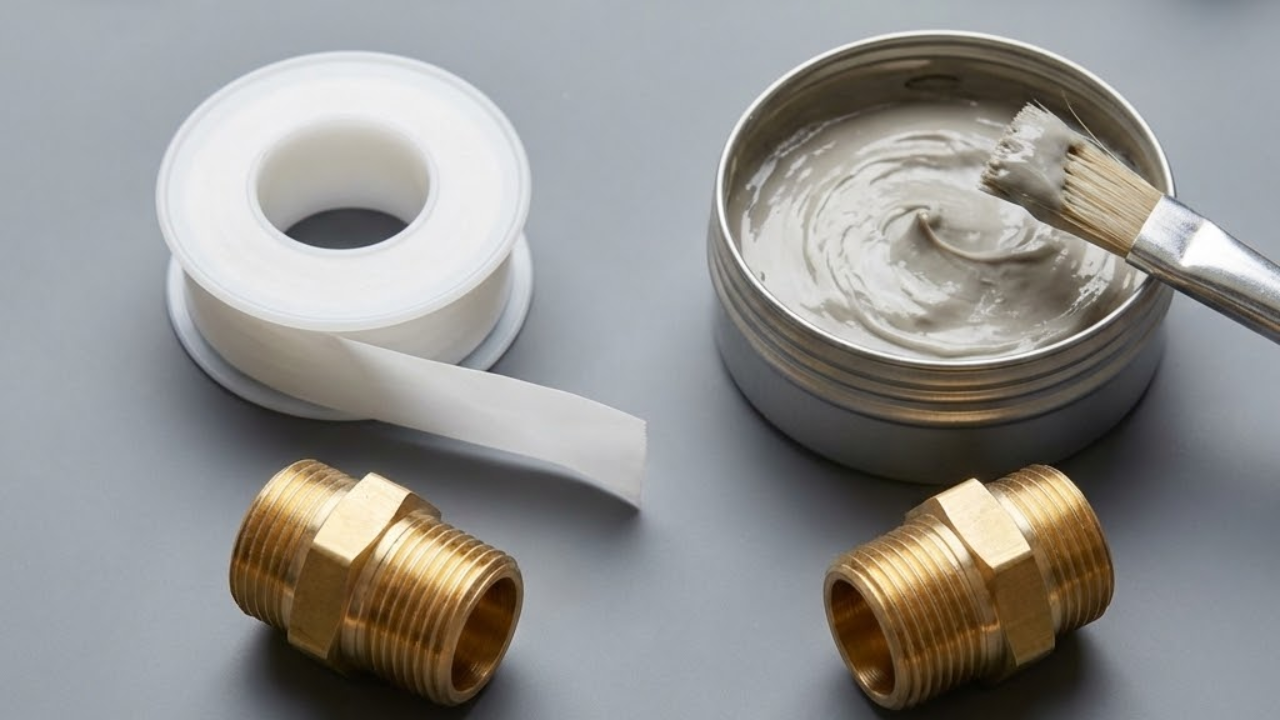
Walk into any merchant's trade counter and you'll see them side by side: tubs of pipe joint compound and rolls of PTFE tape. Both promise leak-free threaded connections, yet the debate over which to use has sparked more heated discussions in site cabins than most engineers care to admit. The truth? It's not about which is 'better'. It's about understanding where each excels and where it fails.
Threaded connections remain the backbone of heating and plumbing installations, from domestic boiler pipework to large commercial systems. Get the seal wrong and you're looking at callbacks, water damage, or worse, a catastrophic system failure. Yet many installers default to whichever method they learned as an apprentice, without considering whether it's actually fit for the application at hand.
This isn't about tradition or personal preference. It's about matching the sealing method to the job's specific demands: thread type, pressure rating, temperature range, and the fluids or gases being carried. Heating and Plumbing World supplies both compound and PTFE products precisely because professional installers need both options in their toolkit.
Understanding PTFE Tape: The Basics
Polytetrafluoroethylene, mercifully shortened to PTFE, is a synthetic fluoropolymer with exceptional chemical resistance and a slippery surface that prevents galling on threads. When you wrap it around male threads, it fills the microscopic gaps between mating surfaces, creating a seal as you tighten the joint.
PTFE tape comes in various grades, typically colour-coded. White tape suits standard water applications up to around 10 bar. Yellow tape, often thicker and with higher density, handles gas installations and must comply with BS 7786 yellow tape certification standards. Pink tape is specifically formulated for potable water systems where contamination concerns are paramount.
The beauty of PTFE lies in its simplicity. There's no curing time, no mess, and you can disassemble joints without scraping off hardened residue. It's also temperature-stable across a wide range, typically from -200°C to +260°C, making it suitable for both chilled water systems and high-temperature heating circuits.
But here's where many installers go wrong: they assume more wraps equal a better seal. Overwrapping actually increases the risk of thread damage and can prevent proper engagement. Most applications need just three to five wraps, applied in the direction of thread rotation.
How Pipe Joint Compound Works
Pipe joint compound, often called pipe dope, is a paste-like sealant that remains semi-fluid after application. Traditional compounds use a base of clay, vegetable oil, or petroleum-based compound chemistry with added fillers like graphite or PTFE particles. Modern formulations have evolved significantly, with synthetic variants offering superior chemical resistance and temperature stability.
When you apply compound to threads and tighten the joint, the paste fills voids and irregularities in the thread profile. Unlike tape, which can shred or bunch up during assembly, compound flows into every gap, providing consistent coverage. This makes it particularly effective on tapered threads like BSP (British Standard Pipe), where the seal depends on metal-to-metal contact enhanced by the sealant.
Quality compounds remain pliable over time, accommodating minor thermal expansion and contraction without cracking. This characteristic proves invaluable in systems that cycle through wide temperature ranges. Think commercial boiler installations where pipework alternates between ambient and 80°C multiple times daily.
The downside? Compound is messy. It gets on your hands, tools, and often ends up where it shouldn't. More critically, some formulations harden over time, making future disassembly a nightmare. You'll also need to ensure the compound you're using is compatible with the system fluid. Certain types attack specific plastics or elastomers.
Thread Types and Sealing Requirements
The fundamental difference between parallel and tapered threads dictates which sealing method works best. BSP parallel threads (BSPP or G-threads) don't seal on the threads themselves. They rely on a face seal, typically using a bonded washer or O-ring. PTFE tape or compound on parallel threads serves only to prevent galling and ease assembly, not to create the primary seal.
Tapered threads like BSPT (British Standard Pipe Tapered) or NPT tapered thread applications work differently. As you tighten a tapered male thread into a tapered female, the threads wedge together, creating interference. The sealant fills the remaining gaps between thread crests and roots. Get the sealant wrong here and you'll never achieve a pressure-tight joint, regardless of how much torque you apply.
Compression fittings and push-fit connections don't need thread sealant at all. They seal via compression rings or O-rings. Adding PTFE or compound to these connections can actually cause problems, preventing proper compression or contaminating sealing surfaces. Quality pipe fittings and connectors are designed with specific sealing methods in mind, and adding sealant where it's not needed can compromise the manufacturer's design intent.
Many modern heating components use a hybrid approach: tapered threads with an additional face seal. In these cases, you'll need sealant on the threads and a compatible washer or O-ring. Missing either element compromises the seal.
Pressure and Temperature Considerations
System pressure fundamentally affects sealant performance. Low-pressure domestic heating systems, typically operating below 3 bar, tolerate a wider margin of error. Standard white PTFE tape or basic pipe compound will handle most residential applications without issue, provided you apply them correctly.
Commercial systems operating at 6 bar or higher demand more careful sealant selection. At these pressures, any imperfection in the seal becomes a potential leak path. Thicker, high-density PTFE tape or premium-grade compounds with enhanced filler content provide the necessary reliability. You'll also want to verify that your chosen product is rated for the specific pressure range.
Temperature affects both the sealant and the joint itself. Standard PTFE tape handles temperatures up to about 260°C, well beyond what you'll encounter in most heating systems. However, cheap tape can become brittle at higher temperatures, losing its ability to maintain the seal through thermal cycling.
Pipe joint compounds vary more widely in temperature tolerance. Basic petroleum-based products may break down above 150°C, whilst synthetic high-temperature compounds remain stable beyond 300°C. For systems carrying superheated water or steam, compound selection becomes critical. Use the wrong type and it'll carbonise, destroying the seal.
Think of thermal expansion like this: as pipework heats up, it expands. As it cools, it contracts. This constant movement creates shear forces at threaded joints. PTFE tape, being relatively thin, can shear apart under extreme cycling. Compound, remaining semi-fluid, accommodates this movement more effectively.
Application-Specific Guidance
Gas Installations
Gas installations require yellow PTFE tape compliant with BS 7786 yellow tape certification or an approved gas-rated compound. Never substitute standard white tape. It's not certified for gas use and could fail catastrophically. Gas-rated products undergo rigorous testing to ensure they won't degrade when exposed to natural gas, LPG, or hydrogen blends.
Many installers prefer compound for gas work because it provides a more reliable seal on the larger diameter pipes common in commercial gas installations. The compound fills irregularities more effectively than tape, reducing the risk of leaks at high-consequence locations.
Potable Water Systems
Potable water systems demand food-safe sealants that won't leach contaminants. Pink PTFE tape or compounds certified to WRAS potable water approvals standards ensure compliance. Using non-approved products in drinking water systems isn't just poor practice. It's illegal under the Water Supply (Water Fittings) Regulations.
Heating Systems with Inhibitor
Heating systems with inhibitor present a specific challenge. Some older pipe compounds react with corrosion inhibitors, forming sludge that circulates through the system and clogs pumps or heat exchangers. Modern synthetic compounds are typically inhibitor-compatible, but always check the technical data sheet. Grundfos circulators, for instance, can suffer premature bearing failure if contaminated with incompatible sealant residue.
Stainless Steel and Brass Threads
Stainless steel and brass threads are prone to galling, a form of wear where material transfers between mating surfaces, effectively cold-welding them together. Both PTFE tape and compound provide lubrication that prevents galling, but compound generally offers superior protection on larger diameter or high-torque joints. Danfoss thermostatic valves and similar precision components benefit from proper anti-galling protection during installation.
The Hybrid Approach: When to Use Both
Some applications benefit from using PTFE tape and compound together. Wrap two to three layers of tape on the threads, then apply a thin coat of compound over the tape. This combination provides the gap-filling properties of compound with the anti-galling characteristics of tape.
This method works particularly well on older pipework where thread damage or corrosion has compromised the thread profile. The tape bridges larger gaps whilst the compound fills remaining voids. However, don't use this approach on precision threads or where manufacturer guidelines prohibit it.
Large diameter threaded joints, say, 2" BSP and above, often benefit from the hybrid method. The increased surface area and higher torque requirements make pure tape applications less reliable. The compound ensures complete coverage whilst the tape provides a backup seal.
Just remember: if you're using both, use them sparingly. Excessive sealant can squeeze into the pipe bore, breaking loose and contaminating the system. On heating circuits, this debris ends up in pump impellers or control valve seats. On potable water systems, it's a contamination issue.
Common Mistakes and How to Avoid Them
Overwrapping PTFE tape ranks as the most common error. Each additional wrap increases the effective diameter of the male thread, potentially preventing full engagement or even cracking the female fitting. Stick to three to five wraps for most applications. If you're still getting leaks, the problem isn't insufficient tape. It's damaged threads, incorrect thread type, or inadequate torque.
Applying sealant to female threads sounds logical but actually reduces seal effectiveness. Always apply tape or compound to the male thread only. When you tighten the joint, the sealant gets pushed into the thread valleys, filling gaps. Applying it to both threads creates excess material that bunches up, preventing proper engagement.
Using PTFE tape on flare fittings is another frequent mistake. Flare fittings seal metal-to-metal on the cone face. Adding tape or compound here prevents proper contact and guarantees a leak. The same applies to compression fittings, where the seal occurs at the olive, not the threads.
Ignoring compatibility causes problems that might not show up immediately. That petroleum-based compound might work fine initially, but six months later it's attacked the rubber seals in your mixing valve. Always check that your chosen sealant is compatible with all system components and fluids.
Practical Decision Framework
When you're standing at the job with a fitting in hand, ask yourself these questions:
What thread type am I working with? Parallel threads need minimal sealant, just enough to prevent galling. Tapered threads need proper coverage to create the seal.
What's the system pressure? Below 3 bar, standard products work fine. Above 6 bar, upgrade to high-density tape or premium compound.
What's the operating temperature? Standard PTFE tape handles most heating applications. For high-temperature systems or extreme cycling, consider synthetic compound.
What fluid or gas is being carried? Gas requires certified products. Potable water needs WRAS approval. Heating systems with inhibitor need compatible sealants.
Will I need to disassemble this joint later? PTFE tape makes future maintenance easier. Compound, especially types that harden, complicates disassembly.
How critical is this joint? For high-consequence locations (say, above electrical equipment or in occupied spaces) use the most reliable method for the application, even if it costs more or takes longer.
Product Selection and Availability
Our complete product range includes a comprehensive selection of both PTFE tapes and pipe joint compounds suited to professional installations. You'll find standard white tape for general plumbing, yellow gas-rated tape complying with BS 7786, and pink tape for potable water systems.
The compound selection includes traditional petroleum-based products for basic applications, synthetic high-temperature variants for demanding systems, and WRAS-approved formulations for drinking water installations. Technical data sheets are available for each product, detailing pressure ratings, temperature ranges, and compatibility information.
Quality matters more than you might think. Cheap PTFE tape tears during application and may not maintain its seal through thermal cycling. Budget compound might save you a few quid on the job but cost you far more in callbacks. Professional-grade products from reputable manufacturers deliver consistent performance and reduce the risk of premature failure.
For specialist applications (high-pressure steam, aggressive chemicals, or extreme temperatures) don't hesitate to speak to our team for product recommendations. Getting the sealant specification right at the design stage prevents expensive problems down the line.
Regulatory Compliance and Standards
Gas installations must comply with the Gas Safety (Installation and Use) Regulations 1998. This includes using only approved sealants, typically yellow PTFE tape to BS 7786 or compounds specifically certified for gas use. Using non-approved products isn't just bad practice; it's illegal and puts your Gas Safe registration at risk.
Potable water systems fall under the Water Supply (Water Fittings) Regulations 1999 in England and Wales, with similar regulations in Scotland and Northern Ireland. Any sealant in contact with drinking water must hold WRAS approval or equivalent certification. This ensures the product won't leach harmful substances or support bacterial growth.
Building Regulations Part L (Conservation of Fuel and Power) doesn't directly address thread sealants, but it does require heating systems to be installed in accordance with manufacturer instructions. If a boiler manufacturer specifies a particular sealant type, you must use it to maintain warranty coverage and regulatory compliance.
Health and safety considerations also apply. Some older pipe compounds contain hazardous substances. Always check the Safety Data Sheet and use appropriate PPE, typically gloves and eye protection. Ensure adequate ventilation when working with solvent-based products.
The Verdict: Making the Right Choice
So which should you use: pipe joint compound or PTFE tape? The answer depends entirely on the application. PTFE tape excels in low-to-medium pressure water systems, offers clean application, and simplifies future maintenance. It's ideal for domestic heating circuits, standard plumbing connections, and anywhere you might need to disassemble joints later.
Pipe joint compound provides superior sealing on large diameter threads, high-pressure systems, and applications with extreme temperature cycling. It fills thread imperfections more effectively and accommodates thermal expansion better than tape. Choose compound for commercial heating systems, high-pressure steam applications, and anywhere maximum seal reliability matters.
For gas installations, use certified products only, typically yellow PTFE tape or gas-rated compound. For potable water, stick to WRAS-approved options. When working with heating systems containing inhibitor, verify compatibility to avoid creating sludge that damages components like Honeywell control valves.
The real skill lies in recognising which method suits each specific joint. That domestic radiator tail? White PTFE tape does the job perfectly. The 2" BSP connection on a commercial buffer vessel? Premium compound provides the reliability you need. The gas supply to a commercial boiler? Yellow tape or gas-rated compound, applied correctly, every single time.
Don't fall into the trap of using the same method for everything just because it's what you've always done. Assess each application on its merits: thread type, pressure, temperature, fluid, and consequences of failure. Stock both products in your van and you'll have the right tool for every situation.
Professional heating and plumbing work demands professional products and methods. Understanding when to use pipe joint compound versus PTFE tape, and having the knowledge to apply either correctly, separates competent installers from those who generate callbacks. Master both techniques and you'll create leak-free joints that last the life of the system.